Complete Guide to Planting and Growing Roses
Master the art of rose gardening with expert techniques for successful planting and care.
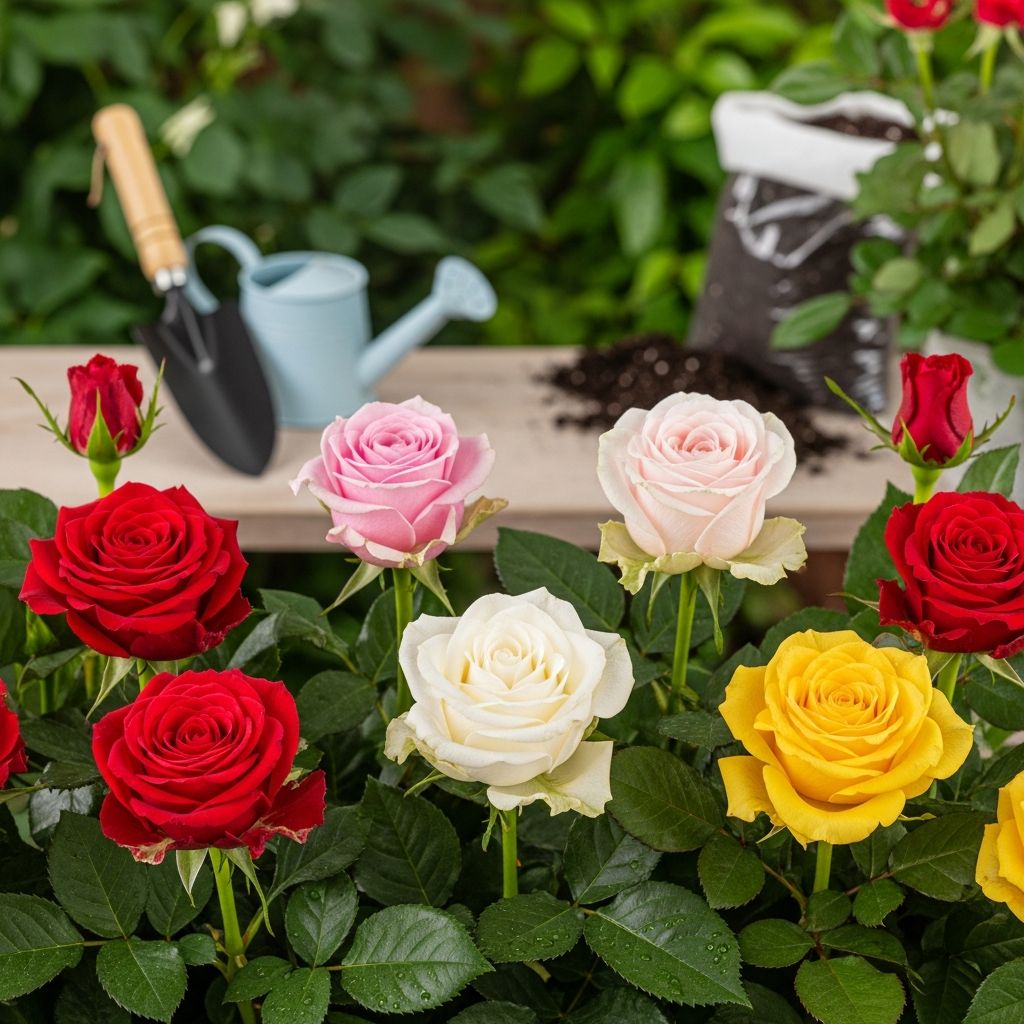
Growing roses can transform any garden into a stunning showcase of color and fragrance. Whether you’re an experienced gardener or a complete beginner, understanding the fundamentals of rose cultivation sets the foundation for beautiful, healthy plants that flourish year after year. This comprehensive guide covers everything you need to know to successfully plant and maintain roses in your landscape.
Assessing Your Garden Environment
Before selecting and planting roses, evaluate the key environmental factors in your garden space. Understanding these conditions helps you choose the right varieties and plant locations that will support vigorous growth and abundant blooms.
Sunlight Requirements
Roses are sun-loving plants that require substantial daily light exposure to perform at their best. Plan to provide your roses with 6 to 8 hours of direct sunlight each day. This duration of sunlight encourages robust foliage development, promotes flowering, and helps prevent disease. When evaluating potential planting locations, observe your garden throughout the day to identify areas that receive adequate sun. South-facing and west-facing locations typically provide the most consistent sun exposure. Morning sunlight is particularly beneficial, as it allows dew to dry from the leaves early in the day, reducing the risk of fungal infections.
Drainage and Soil Structure
Soil drainage is critical for rose health. Roses thrive in loose, well-aerated soil that allows excess moisture to move through the root zone. If water accumulates around the roots for extended periods, the plant becomes susceptible to root rot and other moisture-related diseases. You can test your soil’s drainage by digging a small hole, filling it with water, and observing how quickly the water drains. If the hole remains saturated after several hours, your soil has poor drainage and requires amendment.
Space and Layout Considerations
Before purchasing roses, carefully measure your planting area and consider the mature size of different varieties. Examine plant tags and catalog descriptions to learn the expected height and width of each cultivar at full maturity. This information helps you space plants appropriately and select varieties suited to your landscape design. Consider whether you want climbing varieties for vertical interest, shrub roses for foundation plantings, or bush varieties for garden beds. Planning your layout on paper before planting prevents overcrowding and ensures each plant has adequate room for air circulation.
Preparing Your Soil for Optimal Rose Growth
Soil preparation is the most important step you can take before planting roses. Rich, well-structured soil containing abundant organic matter provides the nutrients and physical conditions roses need to establish strong root systems and produce healthy growth.
Enriching Soil with Organic Matter
Most gardens benefit from adding organic materials to their native soil. Work at least one bucket of well-rotted organic matter per square meter into the top 8 to 12 inches of soil. Excellent organic amendments include well-rotted manure, finished compost, or aged topsoil. These materials improve soil structure, increase water-holding capacity, and gradually release nutrients as they decompose. Mix the amendment thoroughly with your native soil to create a uniform blend rather than simply layering it on top.
Addressing Problem Soils
If your garden has clay-based soil, amendments are particularly important. Clay soil tends to hold moisture too long, causing roots to sit in saturated conditions that can lead to rot. Add extra organic matter to lighten clay soil and improve drainage. For sandy soils that drain too quickly, organic matter helps retain moisture for longer periods. The key is creating a balanced soil structure that drains well but retains adequate moisture for plant growth.
Fertilization at Planting Time
Applying fertilizer during soil preparation gives your roses a nutrient boost as they establish. Distribute general-purpose fertilizer at a rate of 100 grams per square meter over your planting area and work it into the soil at the same depth as your organic amendments. If you plan to use beneficial mycorrhizal fungi products, skip the general fertilizer application, as the phosphorus in standard fertilizers can inhibit fungal activity.
Step-by-Step Rose Planting Instructions
Once your soil is prepared and your planting location selected, follow these sequential steps to properly install your roses.
- Select Your Planting Location: Choose an area receiving 6 to 8 hours of direct sunlight daily in well-draining soil. Position the graft union—where the flowering variety joins the rootstock—at soil level to prevent rose dieback.
- Dig the Appropriate Hole: Create a planting hole approximately 3 to 4 inches deeper and wider than the rose’s container. This extra space allows roots to expand into loose soil. Alternatively, dig a hole roughly twice the width of the root ball and as deep as a spade’s blade. Work the soil at the bottom of the hole with your shovel to ensure it’s loose and aerated.
- Prepare the Planting Mix: If additional soil amendment is needed, mix your native soil with an equal part of compost, manure, or topsoil. This blend provides both structure and nutrients for new root development.
- Loosen the Root Ball: Carefully remove your rose from its container, using your hands to gently tease apart the roots at the bottom and sides of the root ball. This step is essential because roots that remain circled in the container shape may continue growing in that pattern rather than extending outward into surrounding soil.
- Position the Rose: Place the rose in the center of the hole, ensuring the base of the plant sits level with the surrounding soil surface. The plant should not lean in any direction. For bare-root roses, position the plant so it sits comfortably in the ground as though being tucked in for rest.
- Backfill the Hole: Add your prepared soil mixture back into the hole around the rose, gently firming it as you work. Backfilling ensures good contact between the root ball and surrounding soil, eliminating air pockets that could dry out roots.
- Water Thoroughly: After planting, water your rose deeply to settle the soil and eliminate remaining air pockets. This initial watering also helps establish contact between roots and soil.
- Apply Mulch: Layer 2 to 3 inches of organic mulch around the base of the plant to help regulate soil moisture and temperature. Keep mulch a few inches away from the stem to prevent rot.
Spacing Guidelines for Different Rose Types
Proper spacing ensures adequate air circulation and allows each plant to develop fully. Spacing requirements vary based on rose variety and mature size:
| Rose Type | Mature Width | Spacing Recommendation |
|---|---|---|
| Miniature Roses | 12-18 inches | 12-18 inches apart |
| Shrub Roses | 3-6 feet | 3-6 feet apart |
| Climbing/Rambler Roses | Varies by cultivar | 6-12 feet along structure |
| Hybrid Tea Roses | 2-3 feet | 2-3 feet apart |
Consult the specific tag or catalog description for your variety to determine exact spacing. When planting multiple roses, lay them out in their containers before digging to verify spacing is appropriate.
Special Considerations for Replanting Roses
If you’re replacing old roses with new plantings in the same location, take special precautions against replant disease, also known as soil sickness. Roses planted in soil where roses previously grew often struggle unless you refresh the soil. Dig out the old planting area to a depth and width of 18 inches and exchange it with soil from another part of your garden. This practice removes disease organisms and depleted soil conditions that can inhibit new rose establishment.
Essential Rose Care After Planting
Watering Practices
Establish a deep watering routine that encourages strong root development. Give your roses a thorough soaking, then allow the plant to draw from that moisture reserve before watering again. Deep watering once weekly is more beneficial than frequent shallow watering. Water at ground level at the soil surface rather than overhead, as wet foliage increases susceptibility to fungal diseases like mildew and black spot. Morning watering is ideal, allowing any incidental leaf moisture to dry naturally as temperatures rise.
Pruning for Health and Shape
Pruning keeps roses vigorous and encourages abundant blooms. In late winter or early spring, remove any branches that are obviously dead, diseased, or crossing other canes. Shorten remaining stems to your desired shape and height, ensuring light can reach the plant’s center. When making cuts, use a 45-degree angle just above outward-facing growth nodes to encourage the plant to spread outward rather than inward. Seal fresh pruning wounds with a pruning sealer to protect them from rot and pest damage.
Deadheading and Flower Maintenance
Remove spent blooms throughout the growing season to encourage continued flowering. When cutting roses for bouquets or removing faded flowers, always cut above a stem bearing five leaves. This ensures new flower stems will develop from the cut point, increasing your harvest of blooms.
Frequently Asked Questions About Rose Planting
- What is the best time of year to plant roses?
- In most climates, plant roses in spring about six weeks before the last frost, or in fall about six weeks before the first frost. Fall planting allows roots to establish during cool months so the plant is ready for spring growth. In mild climates, planting windows may extend throughout the year.
- Can I plant roses in containers?
- Yes, roses grow well in large containers filled with quality potting soil that drains freely. Container roses require more frequent watering and feeding than garden-planted roses but offer flexibility in garden design.
- How do I prevent common rose diseases?
- Plant roses in locations with excellent air circulation and adequate sunlight. Water at ground level to keep foliage dry. Remove diseased leaves promptly and ensure your pruning tools are clean. A healthy plant, grown in ideal conditions, resists disease more effectively than stressed plants.
- Should I use mycorrhizal fungi when planting roses?
- Mycorrhizal fungi products can enhance root establishment and nutrient uptake. If using these products, skip traditional fertilizer application, as phosphorus in fertilizers can suppress the beneficial fungus.
- How often should I fertilize roses after planting?
- After initial soil preparation, apply balanced fertilizer according to package directions throughout the growing season. Many gardeners fertilize monthly during the active growing period, reducing or stopping applications in late summer to harden plants for winter.
Creating Your Rose Garden Success Strategy
Successfully growing roses begins with understanding your specific garden conditions and matching them with appropriate rose varieties and planting techniques. Take time to observe sunlight patterns, evaluate soil drainage, and plan your planting locations before purchasing plants. Invest effort in thorough soil preparation, as this foundation supports all future plant health and performance. Follow proper planting procedures, establish appropriate watering and pruning routines, and your roses will reward you with years of stunning blooms and fragrant beauty.
The techniques outlined in this guide apply to most rose varieties, though specific cultivars may have unique requirements. Consult plant tags and catalog descriptions for variety-specific information. With patience and attention to these fundamentals, even beginning gardeners can create thriving rose gardens that become the centerpiece of their landscape.
References
- The Beginner’s Guide to Growing Roses — Star® Roses and Plants. 2024. https://starrosesandplants.com/grow-care/guide-roses/
- Roses: Planting — Royal Horticultural Society (RHS). 2024. https://www.rhs.org.uk/plants/roses/planting
- The Basics of Growing Roses — David Austin Roses. 2024. https://www.davidaustinroses.com/blogs/rose-care/the-basics-of-growing-roses
- A Beginner’s Guide to Roses: Planting, Pruning, and Care — Summerwinds Nursery. 2024. https://www.summerwindsnursery.com/ca/inspire/blog/beginners-guide-growing-roses/
- Growing Roses, A Complete Beginner’s Guide — YouTube educational content. 2024. https://www.youtube.com/watch?v=WACx0f1fiiY
- A Beginner’s Guide to Growing & Caring for Roses — Westwood Gardens. 2024. https://www.westwoodgardens.com/blog/a-beginners-guide-to-growing-and-caring-for-roses
Similar Articles







Read full bio of Sneha Tete