Complete Guide to Staining Cedar Siding
Master the art of protecting and enhancing cedar siding with professional staining techniques
Understanding Why Cedar Requires Strategic Finishing
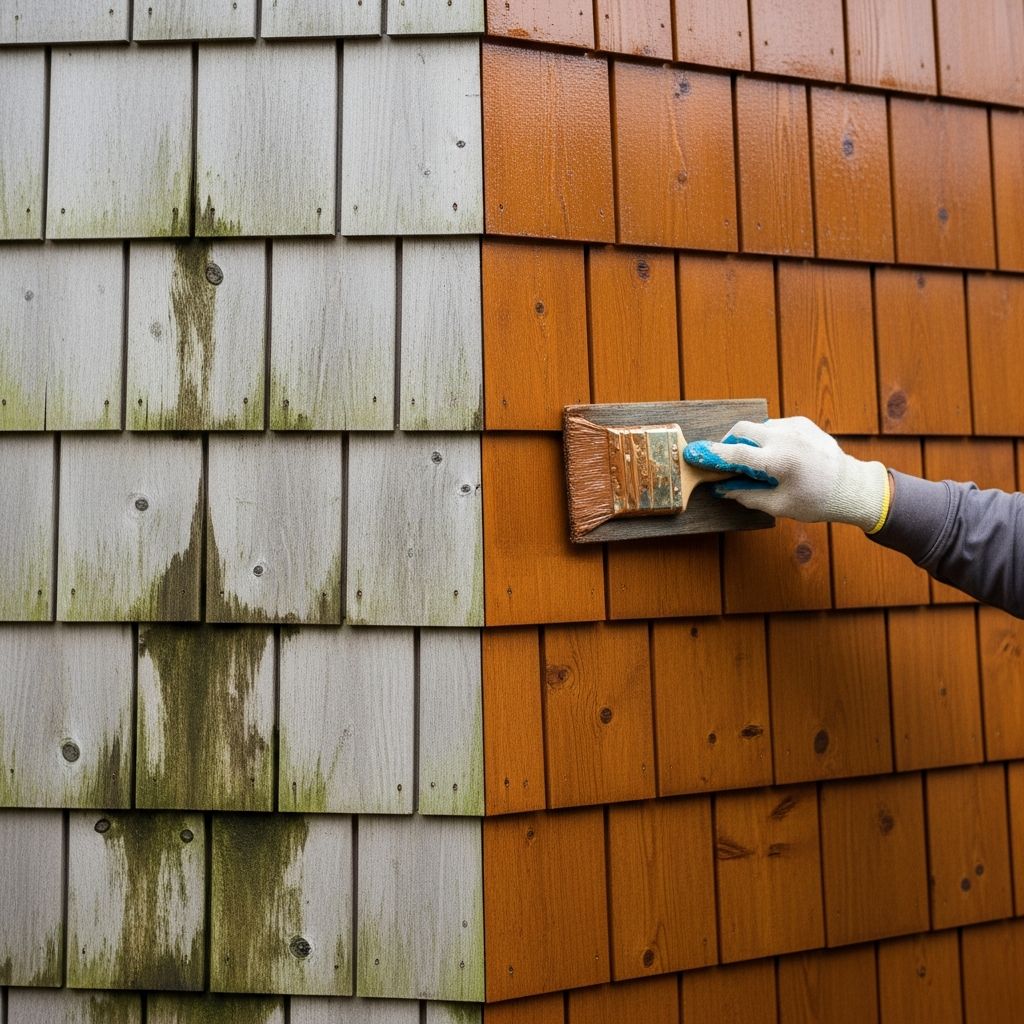
Cedar wood represents one of the most attractive siding materials available for residential properties, offering natural beauty and inherent durability. However, leaving cedar unfinished exposes it to significant environmental damage. Natural wood fibers absorb moisture from rain, snow, and ice, which can lead to rot, warping, and discoloration over time. Additionally, ultraviolet radiation from sunlight gradually breaks down the wood’s cellular structure, causing fading and surface degradation. To preserve both the aesthetic appeal and structural integrity of cedar siding, applying a protective finish is essential. Staining provides a superior solution compared to painting, as it allows the wood’s natural grain and character to remain visible while providing critical protection against the elements.
Why Staining Outperforms Other Finishing Methods
When considering how to finish cedar siding, homeowners often debate between painting and staining. While both methods offer protection, staining provides distinct advantages for cedar specifically. Unlike paint, which creates an opaque surface layer that obscures the wood’s natural beauty, stain penetrates deep into the wood fibers, allowing the grain patterns and texture to remain visible. This penetration creates a stronger bond with the wood substrate, resulting in superior durability and longevity. Stain is also easier to maintain and touch up, as wear patterns are less noticeable on translucent surfaces compared to solid paint finishes. Furthermore, staining requires less frequent maintenance than painting, making it a more practical long-term solution for cedar siding. Cedar’s natural fiber structure is particularly receptive to stain absorption, which means the finish lasts considerably longer than when applied to other wood types.
Selecting the Right Stain Formulation
Oil-Based Stains as the Gold Standard
The choice of stain type fundamentally determines the success and longevity of your cedar siding project. For bare cedar siding, solvent-borne oil-based stains represent the optimal choice. These formulations offer superior performance compared to water-based or latex alternatives. Oil-based stains contain higher pigment concentrations that penetrate wood fibers effectively, creating a protective barrier against UV radiation and moisture infiltration. The pigments in these stains provide long-lasting color retention, typically maintaining their appearance for up to eight years on vertical siding applications.
Water-based stains, while environmentally attractive, present significant drawbacks for cedar applications. The water content causes wood fibers to swell and rise, resulting in a rough, uneven surface finish that compromises the final appearance. Latex stains similarly fail to penetrate cedar fibers adequately and often peel within one to three years of application when applied directly to bare wood.
Understanding Semi-Transparent Formulations
Within the category of oil-based stains, semi-transparent formulations provide the ideal balance between protection and visibility. Semi-transparent stains contain sufficient pigment to block harmful UV rays while maintaining visibility of the wood grain underneath. This balance proves particularly important for cedar, as the wood’s natural texture and color variations are among its most appealing qualities. The semi-transparent formula allows these aesthetic attributes to shine through while providing essential weatherproofing. Many professionals recommend products specifically formulated as semi-transparent, solvent-borne stains, as these combine colorant pigments with oil-based carriers and penetrating properties in optimal proportions for cedar applications.
Essential Surface Preparation Steps
Thorough Cleaning and Assessment
Proper surface preparation determines the quality of the final stain application more than any other single factor. Before applying any stain product, the cedar siding must be thoroughly cleaned to remove dirt, mildew, mold, and any existing deteriorated finish. Professional applicators recommend using specialized wood cleaning products followed by deck and siding wash treatments, allowing the cleaning solution to remain on the surface for ten to fifteen minutes while scrubbing with appropriate tools. This extended contact time allows the cleaner to penetrate and break down accumulated contaminants. After scrubbing thoroughly, rinse all cleaning solutions completely, ensuring no residue remains on the wood surface. The entire structure must then dry completely before proceeding with stain application, typically requiring several days depending on weather conditions.
Addressing Tannin Bleeding
Cedar wood naturally contains tannins—organic compounds that can migrate through topcoats, causing unsightly brown or rust-colored discoloration, particularly on light-colored stain finishes. Preventing this tannin bleeding requires applying an alkyd oil-based primer before the final stain coat. This primer seals the tannins within the wood, preventing migration to the surface. Apply two coats of primer, allowing at least twenty-four hours of drying time between coats to ensure complete curing. This extra preparation step proves essential for achieving a professional appearance and preventing costly rework after stain application.
Wood Condition and Seasoning Considerations
Unseasoned or “green” cedar wood must be allowed to dry for at least thirty days before applying any finish. This drying period allows excess moisture to evaporate, preventing the wood from warping or splitting after stain application. Additionally, the texture of the cedar siding affects how stain will appear on the finished surface. Smooth-textured cedar will display grain patterns and color variations more prominently than rough or saw-textured varieties. Understanding these texture characteristics allows you to select stain colors and opacities that complement your specific cedar product.
Stain Application Techniques
Optimal Application Methods
Professional-quality stain application typically employs a combination of techniques to ensure uniform coverage and optimal penetration. The spray-back-brush method involves spraying stain onto the surface using appropriate spraying equipment, then immediately back-brushing or back-rolling with a brush or roller while the stain remains wet. This combined approach ensures the stain penetrates deep into the wood fibers while maintaining even coverage across all surfaces. Boards with significant exposure to weather elements benefit particularly from this technique, as the back-brushing action forces stain into crevices and textured areas that spray application alone might miss.
Coverage and Drying Requirements
Apply stain in a single heavy coat rather than multiple thin coats, as this approach ensures proper penetration and color development. While the stain remains wet on the surface, complete all back-brushing to work the product into the wood fibers thoroughly. Allow the first coat to dry overnight before assessing whether additional coats are needed. Most cedar siding projects require only a single heavy coat, though areas with particularly porous wood or those seeking deeper color saturation may benefit from a second coat after complete drying.
Product Selection for Different Scenarios
Premium Semi-Transparent Options
Several manufacturers offer stain products specifically engineered for cedar applications. These professional-grade options deliver superior durability and aesthetic results compared to generic wood stains. Many feature easy-to-apply oil-based pigment blends that create deep, clear colors while providing excellent adhesion and abrasion resistance. Leading products in this category are available in multiple color options ranging from natural wood tones to bolder accent colors, allowing homeowners to customize their siding appearance while maintaining the visible wood grain.
Clear Sealer Alternatives
For homeowners desiring to preserve the original appearance of cedar siding while still providing protection, clear deck and siding sealers offer an excellent alternative. These products allow the natural color and grain to remain fully visible while waterproofing the wood against rain, snow, and ice. However, understand that even clear sealers typically result in a slightly darker and warmer shade due to the nature of the sealing compounds. This subtle color shift still represents a significant improvement over applying no protection whatsoever.
Post-Application Care and Maintenance
Regular Inspection and Touch-Up Procedures
After stain application, establish a regular maintenance schedule to maximize the finish’s longevity. Inspect your cedar siding annually for signs of wear, fading, or damage. Stained finishes are particularly forgiving of wear patterns, as minor scratches and chipped areas blend naturally into the wood grain pattern. Unlike painted surfaces, where wear patterns appear as distinct blemishes, staining allows these imperfections to be less noticeable. Touch-up applications can be performed on affected areas using the same stain product, and these repairs blend seamlessly into surrounding areas.
When to Schedule Complete Restaining
Oil-based semi-transparent stains typically maintain their protective qualities for six to eight years on vertical cedar siding, though this timeline can vary based on climate, sun exposure, and maintenance practices. When the protective properties begin to diminish, evidenced by increased water beading or penetration, plan to restain the entire structure. Complete restaining requires repeating the cleaning, preparation, and primer steps outlined earlier, ensuring the new stain bonds properly to the aged finish.
Frequently Asked Questions
Can you apply solid-color stains over oil-based primers?
Yes, after a fully cured alkyd oil-based primer has been applied and completely dried, a 100% acrylic latex solid-color stain can be applied as a topcoat. This approach allows for more customization of color and opacity if desired. The key requirement is ensuring the primer has achieved complete cure before applying the latex topcoat.
How long does cedar stain typically last?
Quality oil-based semi-transparent stains applied to vertical cedar siding typically last between six and eight years before requiring reapplication. Longevity depends on factors including climate conditions, sun exposure intensity, and the quality of the initial surface preparation.
What’s the difference between stain and paint for cedar siding?
Stain penetrates wood fibers and allows grain visibility, while paint creates an opaque surface layer. Stain is less pigmented and more translucent than paint. Stain typically requires less maintenance and is easier to touch up, though paint offers more customization options for unique colors and designs.
Is professional application recommended?
While homeowners can successfully stain cedar siding themselves, hiring professionals ensures the project is completed properly the first time, meeting all preparation and application standards. Professional applicators have experience managing variables like weather conditions and possess equipment for efficient spray application.
References
- What Is the Best Stain for Cedar Siding? 2026 Buyer’s Guide — Fixr. 2026. https://www.fixr.com/articles/best-stain-for-cedar-siding
- Should You Paint or Stain Cedar Siding? — ZAR. 2026. https://www.zar.com/blog/should-you-paint-or-stain-cedar-siding
- How to Stain a Cedar House — Paint Like a Pro / Resene. 2024. https://www.youtube.com/watch?v=Bz0cuXXfQsM
- How To Stain Cedar House Siding — Paint Life TV. 2024. https://www.youtube.com/watch?v=HimiG60FmyU
- Quick Guide to Cedar Siding — Cabot Stain. 2026. https://www.cabotstain.com/en/how-to/prepare/guide-to-cedar-siding
Similar Articles







Read full bio of Sneha Tete