The Complete Guide to Personal Planners: How to Choose, Use, and Love Your Life Organizer
Turn chaotic days into a clear, confident plan with the right personal planner.
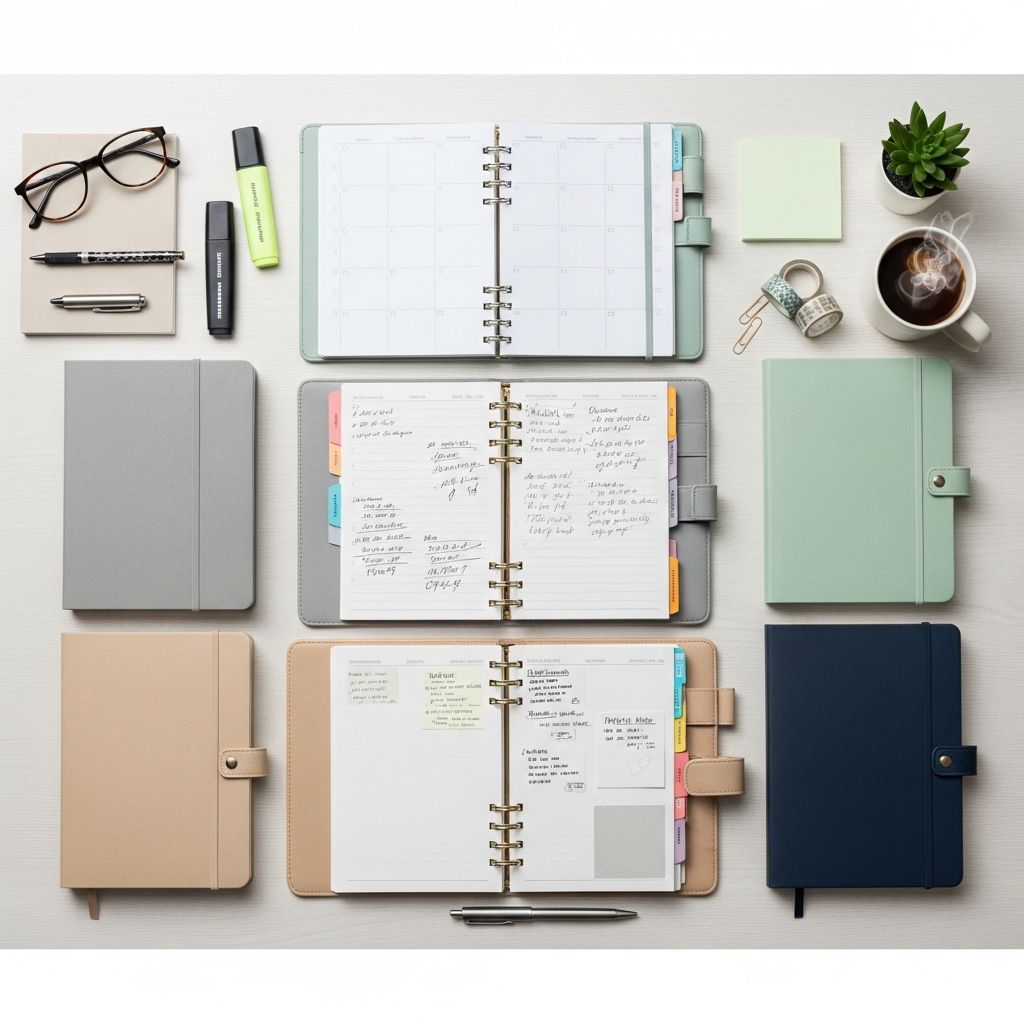
Personal planners are more than pretty notebooks; they are practical systems that help you turn ideas, obligations, and dreams into clear, actionable plans. When used intentionally, a planner becomes a command center for your life, supporting everything from work deadlines to wellness routines.
This guide walks through why planners work, how to pick the right one for your lifestyle, and how to use it every day so it actually makes your life easier instead of adding clutter.
Why Personal Planners Still Matter
Even in a world full of apps and notifications, many people find that physically writing things down helps them think more clearly and remember more. A personal planner gives you a single place to see your time, commitments, and goals instead of scattering them across sticky notes and screens.
- Clarity: A planner lays out your tasks and time visually so you can see what truly fits in a day.
- Focus: Writing your priorities reduces mental noise and makes it easier to start.
- Progress: Tracking actions over time shows you how far you have come and where you need to adjust.
Core Benefits of Using a Planner
Using a personal planner consistently can have a surprisingly broad impact on your daily life and long-term goals. Below are some of the most important benefits people experience once planning becomes a habit.
- Better time management: You see exactly how much time is available and assign it intentionally instead of reacting to whatever appears first.
- Reduced stress: When tasks are captured on paper, your brain does not have to work as hard to remember everything.
- Improved follow-through: Putting tasks on specific days increases the chance they actually get done.
- Goal alignment: You can connect small daily actions to bigger personal or professional goals.
- Work–life balance: You can protect time for rest, hobbies, and relationships instead of letting them be squeezed out by urgent tasks.
Paper vs. Digital vs. Hybrid: Which Style Fits You?
Before you choose a specific planner, decide whether you prefer a physical book, a digital system, or a mix of both. Each option has strengths; the right choice depends on your habits and environment.
| Format | Best For | Key Advantages | Potential Drawbacks |
|---|---|---|---|
| Paper planner | People who think best by writing, love stationery, or want a screen break | Tactile, distraction-free, customizable with stickers and notes | Harder to share, no automatic reminders, physically bulkier |
| Digital planner/app | People on the go, remote workers, or those relying on shared calendars | Searchable, portable, easy to edit, can send alerts and sync across devices | Can be distracting, requires battery, less satisfying for visual creative planning |
| Hybrid system | Anyone who wants digital convenience and paper-based thinking | Use digital for appointments and paper for daily focus, journaling, and reflection | Requires discipline to avoid duplicating or losing information between systems |
There is no single “best” format. The most effective choice is the one you will realistically use most days without dread or frustration.
Planner Layouts and What They Are Good For
Once you know the format, the next decision is layout. The layout shapes how you think about your time and tasks, so it should match your typical day and planning style.
Daily Layout
A daily planner gives you a full page (or half page) per day, often with time slots and room for notes. This layout suits people with many appointments, detailed to-do lists, or those who want space for journaling and tracking habits.
- Great for busy professionals, parents with complex schedules, and students during exam periods.
- Allows time blocking, notes from meetings, gratitude prompts, and meal or workout tracking on the same page.
Weekly Layout
A weekly planner spreads the entire week across two pages, making it easy to see everything coming up at once. This works well for people who plan in broad strokes and make daily decisions from that bigger picture.
- Ideal for people with fewer appointments but many flexible tasks.
- Helpful for balancing work tasks across the week and scheduling personal time.
Monthly Layout
A monthly view gives you a calendar-style overview of several weeks at once. It is very useful for long-term planning, tracking recurring commitments, and spotting especially busy periods.
- Popular for goal tracking, content planning, budgeting timelines, and travel.
- Often used alongside daily or weekly pages rather than as a stand-alone system.
Specialized Planner Types
Beyond standard daily or weekly options, there are planners designed for specific priorities. If one area of life needs extra structure, a specialty planner can help.
- Academic planners: Focused on semesters, assignments, tests, and study schedules for students.
- Work/project planners: Include project timelines, meeting notes, and space for task breakdowns.
- Wellness planners: Track movement, meals, mood, sleep, and self-care activities.
- Goal planners: Centered on long-term goals, milestones, and regular progress reviews.
- Family or household planners: Designed to coordinate chores, kids’ activities, meal planning, and appointments.
How to Choose the Right Planner for Your Life
To avoid buying a planner that gathers dust, start with your real life instead of the design. Take a week to observe how you currently handle tasks and where things start to slip.
- Notice whether your days are appointment-heavy or task-heavy.
- Pay attention to when you feel most overwhelmed: mornings, evenings, or certain days.
- List what you wish your current system did better: clearer priorities, less forgetting, more work–life balance, and so on.
Then, match your observations to planner features. If you constantly forget appointments, choose a design with clear hourly blocks. If your main struggle is following through on long-term goals, look for pages dedicated to quarterly or monthly planning and reflection.
Setting Up Your Planner for Success
The way you set up a new planner has a big impact on whether it becomes part of your daily routine. Think of the setup phase as creating a home for your responsibilities and dreams.
Step 1: Fill in the Big Picture
- Add fixed dates first: birthdays, holidays, trips, recurring meetings, and school calendars.
- Enter important financial dates such as bill due dates, paydays, and renewal deadlines.
- Block off any non-negotiable time off like vacations, medical appointments, and planned breaks.
This gives you a realistic sense of your future capacity and prevents double-booking before you even start.
Step 2: Clarify Your Key Roles and Goals
Most people juggle several roles: professional, student, parent, partner, friend, caregiver, and more. Taking time to define these roles helps you set goals that your planner can support.
- List your main roles on a notes or reference page.
- Write one or two meaningful goals for each role for the next three to six months.
- Break those goals into small, concrete actions you can schedule on weekly or daily pages.
Step 3: Create Planning Routines
A planner is effective only if you return to it regularly. Building simple routines around your planner turns it into a habit rather than a one-time project.
- Morning check-in: Review the day’s schedule, choose your top three priorities, and adjust if needed.
- Midday reset: Glance at your planner after lunch to reorient and redistribute tasks if the morning changed.
- Evening review: Mark what is complete, move incomplete tasks, and note any quick reflections or wins.
- Weekly planning session: Once a week, look ahead, assign major tasks, and confirm any upcoming events.
Planning Strategies That Actually Work
Filling pages with endless to-do lists can be discouraging if nothing gets finished. These simple strategies help your planner drive action instead of becoming a record of unfinished intentions.
Use the Rule of Three
Each day, choose three key tasks that matter most and must be done if possible. Write them at the top of your daily page or in a designated priorities box.
- Keep them specific: “Draft client proposal” is more useful than “Work on project”.
- Ensure at least one of the three supports a medium- or long-term goal, not just urgent requests.
Time Blocking for Focus
Time blocking means setting aside chunks of time for specific tasks or themes. Instead of trying to multitask, you give your full attention to one category at a time.
- Group similar tasks such as emails, phone calls, or errands into dedicated blocks.
- Protect deep-work blocks for demanding tasks by minimizing interruptions.
- Include buffers between blocks for transitions and unexpected issues.
Color Coding and Symbols
Visual cues make it easier to scan your planner quickly and understand what your day holds. You can keep this system very simple and still gain benefits.
- Assign colors to categories like work, personal, family, health, or finance.
- Use symbols such as a star for high priority, a checkmark for completed, or an arrow for moved tasks.
- Create a tiny legend on a notes page so you stay consistent.
A Sample Daily Planning Routine
To see how all of this fits together, here is an example of a simple daily flow using a personal planner. You can customize the timing and steps to match your own schedule.
- Morning (5–10 minutes): Open to today’s page, review any existing appointments, and write your top three priorities. Block time for them first.
- Midday (2–5 minutes): Check off what you have completed, adjust time blocks, and move anything that clearly will not fit today.
- Afternoon (1 minute): Quickly glance at tomorrow’s commitments so nothing surprises you.
- Evening (5 minutes): Mark finished tasks, migrate incomplete ones to another day, and jot down one win or lesson from the day.
Common Planner Mistakes and How to Avoid Them
Many people give up on planners after a few weeks because they fall into predictable traps. Recognizing these patterns ahead of time can help you avoid them.
- Overplanning every minute: Leaving no white space makes your schedule rigid and fragile. Build in margins for delays and rest.
- Using it only when life feels chaotic: A planner works best with steady use, not just during emergencies.
- Copying someone else’s style exactly: Inspiration is helpful, but your layout and routines should reflect your needs, not someone else’s aesthetic.
- Beating yourself up over blank pages: Missed days are part of the process. Simply restart on the next page without guilt.
Personalizing Your Planner
One of the joys of using a personal planner is customizing it so that it feels like a reflection of your life and personality. Function should always come first, but a little creativity can make planning something you actually look forward to.
- Add sections for things you care about: reading lists, travel ideas, gratitude logs, or habit trackers.
- Use stickers, washi tape, or colored pens if visual interest helps you stay engaged.
- Reserve a page each month to review what worked, what did not, and what you want to change for the next month.
Maintaining Motivation Over Time
The novelty of a new planner eventually wears off, and that is when routines and mindset matter most. Sustainable planning is less about perfection and more about returning to the page, again and again.
- Focus on celebrating progress, not perfection. A partially used planner is still useful.
- Pair your planning time with something pleasant like a cup of tea or a favorite playlist.
- Allow your system to evolve. Change layouts, sections, or routines when your life shifts.
Frequently Asked Questions About Personal Planners
How do I know if a planner will work for me?
A planner is working when you feel more in control of your time and forget fewer important tasks. Give any new system at least a few weeks of consistent use before you judge it, and adjust the layout or routines if something feels off.
What if my schedule is unpredictable?
If your days change constantly, focus your planner on priorities and time blocks instead of rigid hour-by-hour plans. Use it to decide what matters most for the day and to capture new obligations as they arise.
Can I use more than one planner?
You can, but only if each has a clear purpose. For example, some people keep a small planner for appointments and a separate notebook-style planner for goals, projects, and reflection. Make sure you are not duplicating information in ways that create confusion.
How much time should I spend planning?
Most people do well with a few minutes in the morning and evening, plus a slightly longer weekly planning session. The goal is to support your life, not to turn planning into a full-time hobby unless you genuinely enjoy it.
What if I am not naturally organized?
Planners are tools designed precisely for people who struggle with organization. Start small: track just appointments and top priorities, then gradually add more structure as the habit becomes comfortable.
Bringing It All Together
A personal planner works best when it matches your real life, supports your priorities, and fits into your daily rhythms. Whether you choose a simple weekly notebook or a highly structured planner with goal pages and trackers, the true power comes from using it consistently and letting it grow with you.
Start with a format you actually like, build a few simple routines around it, and allow yourself to experiment. Over time, your planner can become a trusted partner in creating a calmer, more intentional life.
Similar Articles





Read full bio of Sneha Tete