Concealing Solar Panels: Smart Strategies
Discover effective methods to integrate solar panels seamlessly into your home's design while maximizing energy efficiency and curb appeal.
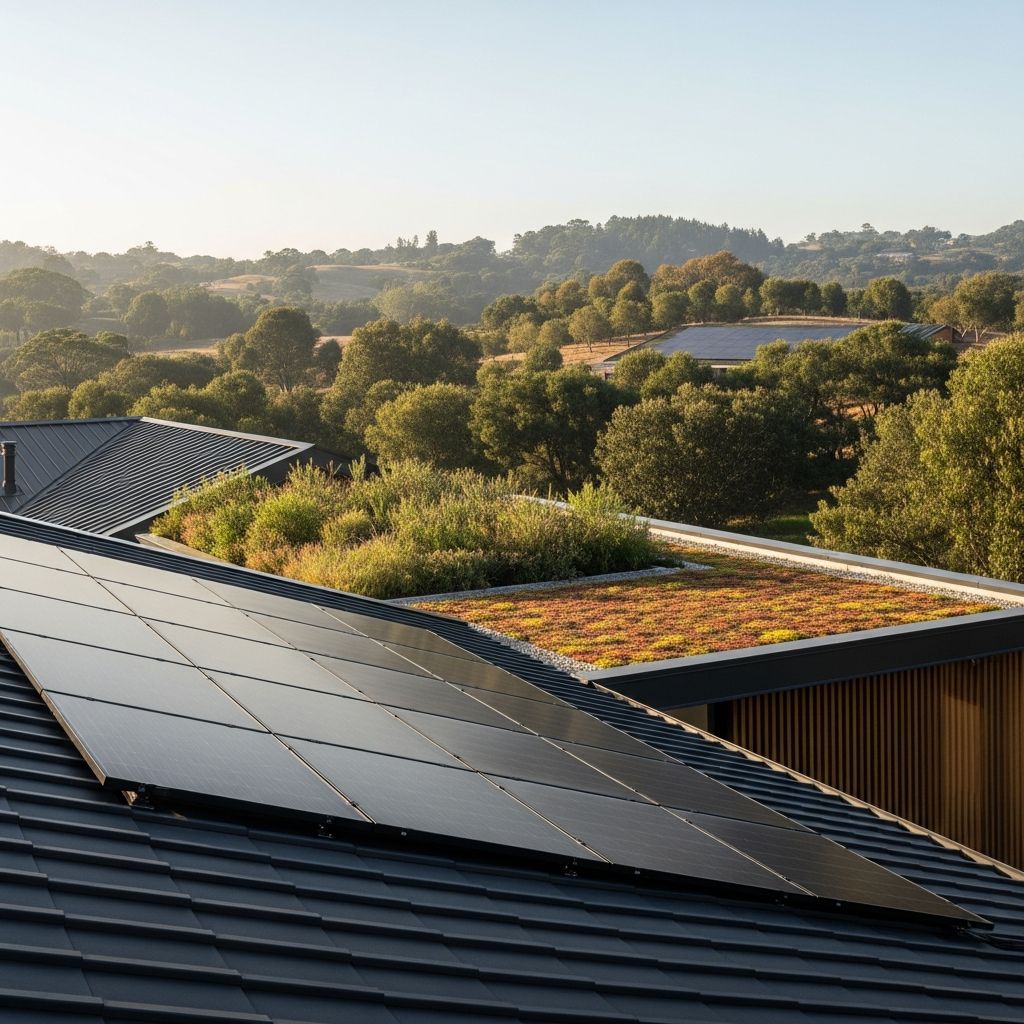
Solar panels offer clean, renewable energy but can alter a home’s visual appeal. Homeowners often seek ways to minimize their visibility while preserving efficiency. This guide presents original approaches to integrate panels discreetly into various installations, drawing from proven techniques like specialized coverings, placement tactics, and structural innovations.
Understanding Aesthetic Challenges with Solar Installations
Standard solar panels feature a uniform dark blue or black surface that contrasts sharply with many roof colors, especially lighter shingles or tiles. The bulky mounting rails elevate panels several inches above the roofline, creating shadows and a protruded appearance. Ground-mounted arrays face similar issues, standing out in yards and drawing attention from neighbors or streets. Addressing these concerns requires balancing visual harmony with optimal sunlight exposure, as panels need direct light for peak performance.
Key factors influencing visibility include roof pitch, panel orientation, home architecture, and local regulations. Steeper roofs naturally obscure panels from ground view, while flat or low-pitch designs demand more creative solutions. Efficiency remains paramount: any concealment method must transmit at least 95% of sunlight to avoid significant energy loss.
Opt for Low-Profile Mounting Solutions
Traditional racking systems use heavy rails that lift panels 4-7 inches, emphasizing their presence. Switch to railless or low-profile mounts that hug the roof surface, reducing bulk and shadow lines.
- Railless Mounting: These systems adhere panels directly via adhesives or clips, eliminating gaps. Ideal for composition shingle roofs, they create a flush, seamless look.
- Thin-Film Options: Ultra-thin panels, under 1% the thickness of crystalline silicon types, lie nearly flat. Though less common now, they suit modern minimalist designs.
- Integrated Roof Mounts: Panels replace sections of roofing material, embedding directly into the structure for invisibility.
These methods cut installation height dramatically, making arrays appear as roof extensions. On darker roofs, pair with all-black monocrystalline panels matching the shade for near-invisibility from afar.
Leverage Color-Matched and All-Black Panels
Panel color profoundly impacts blend-in potential. Avoid mismatched blues on brown or gray roofs; opt for uniform black models that recede visually.
| Panel Type | Best Roof Match | Efficiency Range | Visibility Reduction |
|---|---|---|---|
| All-Black Monocrystalline | Dark asphalt, slate, metal | 20-22% | High |
| Black-Frame Polycrystalline | Gray composite | 17-19% | Medium |
| Custom-Tinted | Any custom color | 18-21% | Very High |
All-black panels absorb light without reflective glare, mimicking roof textures from street level. High-efficiency models (over 20%) allow fewer panels, tightening arrays for a cohesive appearance.
Apply Advanced Panel Skins and Wraps
Solar skins revolutionize concealment by overlaying panels with translucent films mimicking surrounding materials. These patented layers filter light to cells while projecting roof-like patterns.
- Tile-Mimicking Skins: Replicate slate, concrete, or rosemary tiles. Up to 99% light transmission ensures minimal output drop.
- Custom Designs: Print logos, artwork, or brand graphics. Anti-glare coatings reduce shine.
- Texture Projection: Simulate shingle grain or metal sheen, perfect for diverse roofs.
Installation involves cleaning panels and applying adhesive films, often DIY-friendly for smaller arrays. Commercial products like SolarSkin from Cyine Solar offer durable, weather-resistant options lasting 20+ years.
Strategic Placement for Natural Obscuration
Positioning trumps cosmetics alone. Cluster panels contiguously to avoid scattered, patchwork visuals.
- Roof Optimization: Align arrays on rear or north-facing slopes, invisible from streets. Low-pitch rear sections hide behind roof peaks.
- Ground Mount Screening: Site behind structures or natural rises. Use terrain contours for concealment.
- Full Coverage Arrays: Saturate available roof space uniformly for a bold, integrated statement.
Avoid spacing around skylights unless necessary; contiguous blocks project professionalism and unity.
Incorporate Landscaping and Structural Screens
For ground or visible roof arrays, nature provides effective veils without shading panels.
- Tall Shrubs and Hedges: Boxwoods or arborvitae grow 6-10 feet, screening mounts from view while allowing overhead sun.
- Trellises with Vines: Fast-growing climbers like ivy frame panels subtly, adding charm.
- Fence Integration: Mount on backyard fences angled southward, hidden from public sight.
- Architectural Features: Pergolas or awnings with panel tops blend utility and shade.
Select non-invasive plants to prevent root damage or debris on panels. Maintain 3-5 feet clearance for access and airflow.
Explore Integrated Solar Roofing Systems
Replace traditional roofing with solar-embedded tiles for ultimate discretion. Tesla Solar Roof insets photovoltaic cells into durable glass tiles indistinguishable from neighbors.
- Pros: Zero added height; full roof replacement capability; 20-25 year warranties.
- Cons: Higher upfront costs ($4-6 per sq ft); longer installs.
- Alternatives: Asphalt-integrated shingles with thin solar layers.
These systems generate power across entire surfaces, ideal for new builds or full re-roofs.
Creative Concealment for Unique Setups
Beyond standard homes, adapt methods for sheds, garages, or ornaments.
- Decorative Wells or Gazebos: Encase batteries inside; top with angled panels.
- Wall-Mounted Vertical Arrays: Face south on garages, camouflaged by skins.
- Bifacial Panels on White Metal Roofs: Capture reflected light; low visibility on light surfaces.
Basement inverters hide wiring clutter, enhancing overall neatness.
Performance Impacts and Best Practices
Concealment rarely exceeds 2-5% efficiency loss with quality methods. Monitor output post-install; clean skins annually. Check HOAs and permits—some restrict visible panels.
Cost range: Skins ($1-3/W), low-profile mounts (+10-20% over standard), landscaping ($500-2000). ROI remains strong via energy savings and potential property value boosts.
Frequently Asked Questions
Do solar panel skins reduce energy production?
High-quality skins transmit 95-99% of light, causing negligible drops under 5%.
Are all-black panels less efficient?
No, they match or exceed standard efficiencies at 20-22%, prioritizing aesthetics.
Can I hide ground-mounted solar completely?
Yes, via shrubs, fences, or earth berms while ensuring sun access.
How much do concealment upgrades cost?
Expect $0.50-2 per watt added, depending on method.
Do these methods void warranties?
Approved skins and mounts from certified providers do not.
References
- Decorate Solar Panels with SolarSkin | Cover & Wrap — YouTube (Spirit Energy). 2023. https://www.youtube.com/watch?v=EgtK4SawF8Q
- 5 Ways To Make Solar Panels Not Hideous — Epic Energy. 2023. https://www.thinkepic.com/solar/5-ways-to-make-solar-not-hideous/
- Hidden Solar | This Old House — YouTube (This Old House). 2023. https://www.youtube.com/watch?v=C4hpC6k1K30
- Camouflage solar panels — DIY Solar Power Forum. 2023. https://diysolarforum.com/threads/camouflage-solar-panels.75010/
- Ideas for hiding panels and batteries in plain sight — DIY Solar Power Forum. 2023. https://diysolarforum.com/threads/ideas-for-hiding-panels-and-batteries-in-plain-sight.121386/
Similar Articles




Read full bio of Sneha Tete