Connecting PVC To Copper Pipes: 3 Proven Methods For Homeowners
Master reliable methods to join PVC and copper pipes for durable, leak-proof plumbing transitions in your home projects.
Connecting PVC to Copper Pipes: Essential Guide for Homeowners
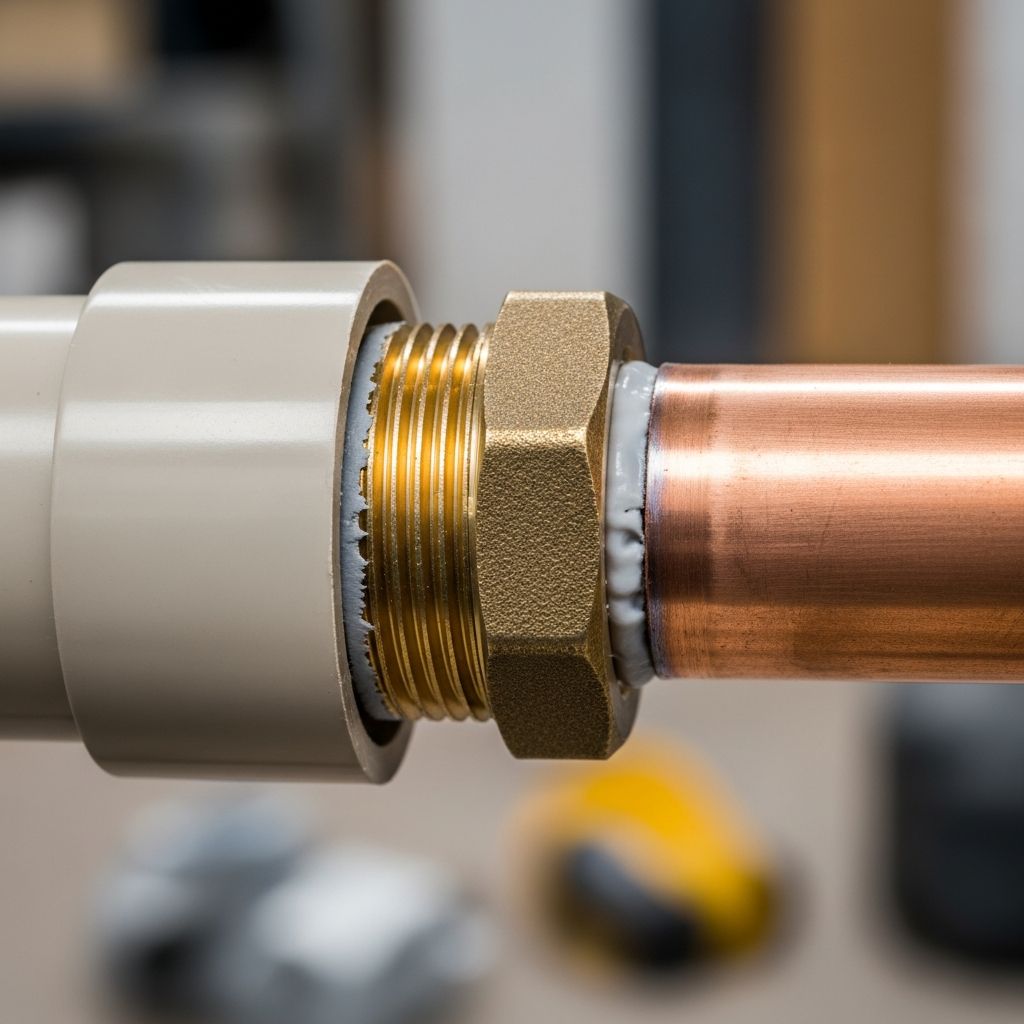
Transitioning between PVC and copper pipes is a common challenge in plumbing upgrades, repairs, or hybrid system installations. These materials differ significantly—PVC is lightweight plastic suited for drain, waste, and vent systems, while copper excels in pressurized water lines due to its durability and corrosion resistance. Proper joining prevents leaks, ensures pressure integrity, and complies with local building codes. This guide explores multiple proven methods, from traditional adapters to modern push-fit solutions, empowering DIY enthusiasts with clear instructions and best practices.
Why Transition PVC and Copper Pipes?
Home plumbing often mixes materials during renovations, extensions, or material upgrades. Copper handles hot/cold potable water effectively but costs more and requires skilled soldering. PVC offers affordability and ease for non-pressurized applications like drainage but cannot directly bond to metal. Key reasons for connections include:
- Upgrading old copper lines to cost-effective PVC in low-pressure areas.
- Extending systems in basements or bathrooms where materials change.
- Repairing damaged sections without full replacements.
- Meeting code requirements for hybrid setups in residential plumbing.
Always verify local codes, as some regions restrict certain adapters or require licensed plumbers for potable water lines.
Tools and Materials Required
Gathering the right equipment ensures smooth execution. Basic kits overlap methods, but specialize based on your approach.
| Method | Essential Tools | Key Materials |
|---|---|---|
| Adapter Fittings | PVC cutter, tubing cutter, deburring tool, crimping tool, soldering kit (for copper) | Primer, PVC cement, flux, solder, crimp rings, PEX/PVC-copper adapters |
| Push-Fit (e.g., SharkBite) | Pipe cutters, deburring tool, measuring tape | Push-fit couplings, pipe stiffeners (for plastic) |
| Compression Fittings | Wrench set, pipe cutters | Compression nuts, ferrules/rings, dielectric unions |
Invest in quality cutters for clean, square ends—jagged cuts lead to 80% of leak failures. Safety gear includes gloves, eye protection, and ventilation for soldering fumes.
Method 1: Using Specialized Adapter Fittings
Adapters provide a mechanical bridge, gluing to PVC and crimping or soldering to copper. This method suits precise, permanent joints.
Step-by-Step for PVC Side
- Measure and mark the connection point; cut PVC squarely using a ratchet-style cutter.
- Chamfer edges lightly to remove burrs.
- Apply PVC primer to both pipe exterior (1-1.5 inches) and adapter socket; let dry 10-15 seconds.
- Spread PVC cement evenly; insert pipe with a 1/4-turn twist, holding 30 seconds for set.
Step-by-Step for Copper Side
- Cut copper cleanly; deburr interior/exterior with a reaming tool and emery cloth.
- Apply flux to pipe end and adapter interior.
- Heat evenly with propane torch until flux bubbles; apply solder until it draws in fully.
- Cool naturally; clean residue with a wire brush.
For PEX intermediaries (common in transitions), slide a crimp ring over PEX tubing, insert into adapter barb, and crimp securely using a calibrated tool. Test pressure post-assembly.
Method 2: Push-Fit Fittings for Quick Connections
Push-fit fittings like SharkBite revolutionize transitions—no glue, solder, or tools beyond cutters. Rigid O-rings and bite rings create instant seals rated for 200 PSI.
- Preparation: Cut pipes square; use stiffener sleeves in PVC/PEX for support.
- Installation: Mark insertion depth on pipe; push firmly until it hits the internal stop. Twist slightly for engagement—a audible click confirms grip.
- Verification: Use a disconnect tool or release clip to test; pipes should resist pull-out by 50+ lbs.
Ideal for tight spaces or temporary fixes; code-approved nationwide. Videos demonstrate ease: push plastic, twist copper for dual-seal action.
Method 3: Compression and Flare Fittings
Compression fittings use nuts and rings for no-heat joins, perfect for amateurs. Flare methods crimp copper for direct PVC glue-in.
Compression Process
- Slide compression nut and ferrule onto copper end.
- Insert into PVC adapter body; hand-tighten nut.
- Wrench snug (1.5 turns past hand-tight); avoid over-torquing to prevent ring damage.
Flare Technique
Flare copper end, insert PVC barbed segment, crimp internally for glue-ready male end. Prep with cleaner/primer, glue into PVC female.
Dielectric unions prevent galvanic corrosion between dissimilar metals.
Safety Precautions and Best Practices
Prioritize safety to avoid burns, chemical exposure, or bursts:
- Shut off water; drain lines fully.
- Ventilate for soldering; use MAPP gas for thicker copper.
- Wear nitrile gloves—PVC cement dissolves latex.
- Pressure test at 1.5x operating PSI for 15 minutes; fix drips immediately.
- Avoid mixing in galvanized areas without unions.
Common pitfalls: insufficient primer (weak PVC bonds), flux residue (corrosion starter), under-crimping (leaks under pressure).
Troubleshooting Leaks and Repairs
| Issue | Symptom | Solution |
|---|---|---|
| PVC Glue Failure | Weeping at joint | Cut out section; re-glue with fresh primer/cement |
| Solder Joint Leak | Drips post-cool | Re-flux, reheat, resolder; check flame evenness |
| Push-Fit Slip | Pipe pulls out | Verify depth; replace with new fitting |
| Corrosion | Green stains | Install dielectric union; flush system |
For persistent leaks, apply thread sealant on male threads or GE silicone for minor seals—but never as primary fix.
Code Compliance and Professional Tips
IPC/UPC codes mandate approved fittings for potable water; push-fits and adapters qualify if NSF-rated. Consult AHJ for variances. Pros recommend:
- Flow arrows on fittings for directionality.
- Support spans: 4ft PVC, 6ft copper.
- Thermal expansion allowances in long runs.
For complex jobs, hire certified plumbers to avoid voided warranties.
Cost Comparison and Longevity
| Method | Avg. Cost (1/2″ Joint) | Durability (Years) | Skill Level |
|---|---|---|---|
| Adapters | $10-20 | 20-50 | Intermediate |
| Push-Fit | $15-25 | 25-50 | Beginner |
| Compression | $8-15 | 15-30 | Beginner |
Push-fits save time (5 mins vs. 30+), justifying premium for DIY.
FAQs
Can I connect PVC directly to copper without fittings?
No—direct contact causes galvanic corrosion and leaks. Always use adapters or unions.
Is soldering required for copper-PVC transitions?
Not always; push-fit or compression alternatives work well for non-professionals.
What if my pipes are different diameters?
Use reducing bushings or multi-size fittings; measure ID/OD precisely.
Are these methods safe for drinking water?
Yes, with NSF-61 certified components; check labels.
How do I know if the joint is watertight?
Soap test: bubbles indicate leaks; follow with full pressure test.
References
- How to Connect PEX to PVC or Copper — PVC Fittings Online. 2023. https://www.pvcfittingsonline.com/blogs/resource-center/how-to-connect-pex-to-pvc-or-copper
- HOW TO JOIN PLASTIC AND COPPER PIPE TOGETHER — YouTube (Learn Plumbing Online). 2022-10-15. https://www.youtube.com/watch?v=7zJEemO-Xqw
- The Ultimate Trick to Connect Plastic and Copper Pipes! — YouTube. 2023. https://www.youtube.com/watch?v=biEUJ-Jd9OE
- Copper to PVC Pipe has Never Been This Easy — YouTube. 2024. https://www.youtube.com/watch?v=WxGdh5pUNT0
- How to Seal a Leaking Pipe from Copper to PVC — GE Sealants. 2023-05-12. https://gesealants.com/projects-howtos/how-to-seal-a-leaking-pipe-from-copper-to-pvc/
Similar Articles








Read full bio of medha deb