Container Gardening Essentials: Complete Guide For Beginners
Unlock the joys of gardening anywhere with pots, balconies, and creative setups for veggies, herbs, and flowers.
Container Gardening Essentials
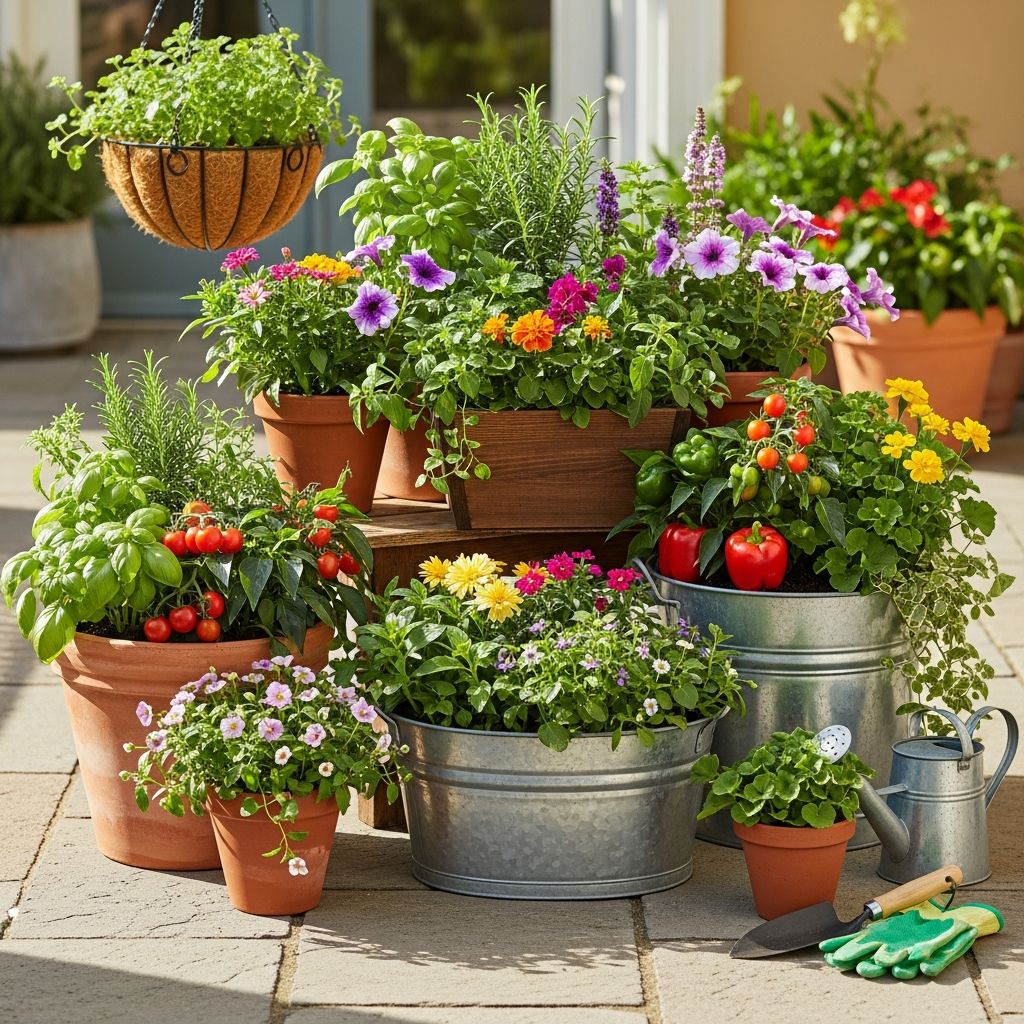
Container gardening revolutionizes how people cultivate plants, making it possible to grow vibrant gardens in apartments, balconies, patios, or even indoors without needing expansive yards. This approach provides unmatched flexibility, allowing gardeners to optimize conditions like sunlight, soil quality, and drainage while enjoying fresh produce and ornamentals year-round.
Why Choose Container Gardening?
One of the primary appeals of container gardening lies in its adaptability to constrained environments. Urban dwellers and those with minimal outdoor access can still harvest homegrown tomatoes, herbs, and flowers by utilizing pots, hanging baskets, and vertical structures. Unlike traditional in-ground plots, containers offer precise control over essential elements.
- Superior Soil Management: Gardeners bypass poor native soil by filling pots with custom potting mixes that ensure optimal drainage and nutrients, preventing compaction issues common in ground beds.
- Enhanced Mobility: Pots can be relocated to chase sunlight, shield from harsh weather, or extend seasons by moving indoors during frost, maximizing growth potential.
- Reduced Maintenance: Smaller scales mean less weeding, easier pest monitoring, and simpler watering routines, ideal for beginners or busy individuals.
- Pest and Disease Control: Isolated containers limit spread, and strategic placement deters invaders, often resulting in healthier plants.
- Cost Efficiency: Start small with recycled materials, requiring fewer resources than large-scale setups while yielding impressive results.
These advantages make container gardening not just practical but also a gateway to sustainable, rewarding horticulture.
Selecting the Perfect Containers
Success begins with thoughtful container selection. Prioritize vessels that match your space, plant needs, and aesthetic vision. Size matters: most vegetables thrive in pots holding at least 5 gallons to support root development and retain moisture.
| Container Type | Best For | Key Features | Examples |
|---|---|---|---|
| Hanging Baskets | Trailing plants, herbs | Space-saving, vertical growth | Petunias, strawberries |
| Window Boxes | Balconies, windowsills | Shallow depth, decorative | Lettuce, chives |
| Large Pots/Tubs | Vegetables, shrubs | Ample root space, stability | Tomatoes, peppers |
| Self-Watering Planters | Busy gardeners | Consistent moisture, low effort | Herbs, greens |
| Elevated Beds | Accessibility | Reduced bending, good drainage | Kale, carrots |
Always ensure drainage holes to prevent root rot by allowing excess water escape and maintaining soil aeration. Elevate pots on feet or stands for better airflow. Material choices like terracotta (breathable but dries fast) or plastic (retains moisture) influence watering needs.
Essential Soil and Fertilizer Strategies
Potting mix is non-negotiable—skip garden soil to avoid compaction and pathogens. Opt for lightweight, organic blends rich in peat, perlite, or coconut coir for superior drainage and aeration.
Test and amend soil pH as needed; most edibles prefer slightly acidic conditions. Incorporate slow-release fertilizers at planting, supplemented by compost tea or liquid feeds every few weeks to replenish nutrients leached by frequent watering. Dolomite lime can balance pH and provide calcium. Mulch tops with bark or straw to conserve moisture and suppress weeds.
Top Plants for Container Success
Focus on compact, high-yield varieties labeled ‘dwarf,’ ‘patio,’ or ‘bush’ to fit limited volumes. These performers deliver bountiful harvests without overwhelming pots.
- Vegetables: Cherry tomatoes, bush beans, peppers, eggplants, radishes, and carrots (choose short-rooted types).
- Leafy Greens: Loose-leaf lettuce, spinach, kale, and Swiss chard for cut-and-come-again harvesting.
- Herbs: Basil, parsley, mint (invasive, so contain it), thyme, and oregano.
- Fruits: Strawberries, dwarf blueberries, and compact cucumbers on trellises.
Companion planting boosts outcomes: pair basil with tomatoes to repel pests, or marigolds to deter nematodes. Succession planting—staggering sowings—ensures continuous supply.
Site Selection and Sunlight Optimization
Most edibles demand 6-8 hours of direct sun daily. Use apps or observe patterns to map light across your space, then position pots accordingly. South-facing spots excel in the northern hemisphere. Rotate containers for even exposure, especially on balconies.
For shady areas, select tolerant plants like lettuce or ferns. Vertical techniques—trellises for peas, poles for beans—multiply growing area without footprint expansion.
Watering and Care Mastery
Containers dry faster than ground soil, so check daily: water when top inch feels dry, deeply to encourage strong roots. Morning watering minimizes evaporation. Self-watering systems or drip irrigation automate this for consistency.
In heat, daily or twice-daily checks prevent wilting. Overwatering signs include yellow leaves; underwatering shows droopiness. Group pots by thirst level for efficiency.
Pest Prevention and Troubleshooting
Early detection keeps issues minor. Inspect undersides for aphids, spider mites; blast with water or use neem oil. Netting shields from birds, row covers from insects. Healthy plants via proper spacing resist diseases. Common fixes:
- Yellow leaves: Nutrient deficiency—fertilize.
- Root rot: Improve drainage.
- Leggy growth: More light needed.
Seasonal Strategies for Year-Round Growth
Extend seasons by shifting pots indoors for winter greens or out early spring. Cold frames protect tender starts. In mild climates, overwinter herbs. Refresh soil annually for vigor.
Creative Designs for Visual Impact
Layer heights: tall standards center, bushy mid, trailers edge. Mix edibles with flowers for pollinator appeal and beauty. Theme by cuisine—Italian pot with tomatoes, basil, oregano.
Frequently Asked Questions
What is the best soil for container gardening?
A light, well-draining potting mix formulated for containers, avoiding garden soil.
How often should I water container plants?
Daily checks; water thoroughly when top soil dries, more in heat.
Can I grow vegetables in small pots?
Yes, select dwarf varieties and ensure 5+ gallon size for roots.
Do containers need drainage holes?
Absolutely, to prevent waterlogging and root rot.
Is container gardening beginner-friendly?
Highly—small scale, control, and mobility ease learning.
References
- Container Gardening: Growing Vegetables in Limited Spaces — Welcome to Sean’s World. 2023. https://www.welcometoseansworld.com/post/container-gardening-growing-vegetables-in-limited-spaces
- The Benefits of Container Gardening — Homesteading Family. 2023. https://homesteadingfamily.com/container-gardening/
- The Benefits of Small Space & Container Gardening — Park Seed. 2023. https://www.parkseed.com/blogs/park-seed-blog/the-benefits-of-small-space-container-gardening
- Container Gardening for Beginners – The Complete Guide — EarthBox. 2023. https://earthbox.com/blog/container-gardening-for-beginners
- The Benefits of Container Gardening — The Micro Gardener. 2023. https://themicrogardener.com/the-benefits-of-container-gardening/
- A Beginner’s Guide to Container Gardening — O.Berk Company. 2023. https://www.oberk.com/A-Beginners-Guide-to-Container-Gardening
Similar Articles



Read full bio of Sneha Tete