Copper Sulfate for Tree Elimination Techniques
Discover safe, effective methods to control unwanted trees using copper sulfate while prioritizing environmental and personal safety.
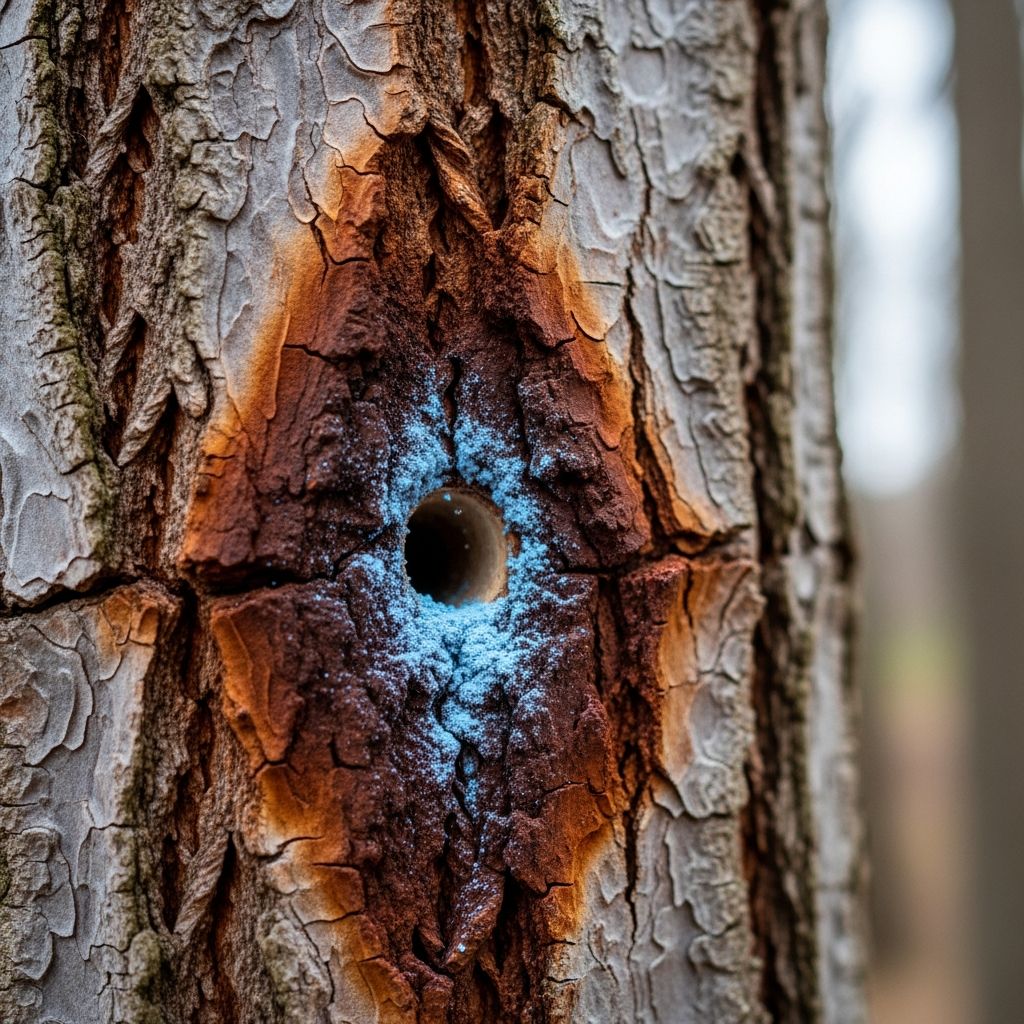
Copper sulfate serves as a potent chemical agent primarily for inhibiting tree root growth in areas like sewer lines, but targeted applications can extend to stump treatment and full tree control when necessary. This guide details its uses, precise methods, safety protocols, and viable substitutes to help property owners address invasive trees responsibly.
Understanding Copper Sulfate’s Role in Vegetation Management
Copper sulfate, a blue crystalline compound, acts as a fungicide, algaecide, and herbicide by disrupting cellular processes in plants upon contact or absorption. In arboriculture, it targets roots encroaching on infrastructure without broadly affecting the entire plant when used in pipes, as absorption halts at the root tips. For stumps or standing trees, direct introduction amplifies its lethality by reaching vascular tissues.
Historically applied in agriculture for disease control, its adoption in urban settings stems from root intrusions damaging plumbing. However, efficacy varies by tree species, soil type, and dosage, with hardwoods like maples showing resilience.
Essential Tools and Materials for Application
- Drill with long bits: For creating deep holes in stumps or trunks, ideally 1/2-inch diameter or larger for maximum penetration.
- Copper sulfate crystals: Pure pentahydrate form, available at hardware stores; avoid diluted products.
- Funnel or applicator: To direct powder without spillage.
- Knife or chisel: For bark removal on thicker trees.
- Protective gear: Gloves, goggles, mask, and long sleeves to prevent skin/inhalation exposure.
- Water source: Optional for dissolving crystals into solution if preferred over dry application.
Prepare by selecting calm, dry days to minimize runoff. Quantities depend on tree size: 1-2 pounds per stump for 12-16 inch diameters.
Step-by-Step Guide to Treating Tree Stumps
Post-removal stump management prevents regrowth and surface hazards. Drilling and filling accelerates decomposition over natural rotting, which can take years.
- Clear debris: Remove sawdust and expose fresh wood.
- Drill holes: Create 6-10 downward-angled holes (8-12 inches deep) around the perimeter and center, spaced 4-6 inches apart.
- Prepare chemical: For dry method, use crystals directly; for solution, mix 2-2.5 cups per gallon of hot water to achieve 20% saturation.
- Fill holes: Insert funnel, pour until full, allowing crystals to settle and dissolve gradually with moisture.
- Seal optionally: Cover with soil or wax to retain efficacy against rain.
- Monitor: Expect visible wilting in 2-4 weeks; reapply if green shoots emerge.
This method outperforms surface sprinkling, which risks groundwater contamination. Purdue Extension notes grinding as superior for full eradication, as chemicals like copper sulfate persist in soil, potentially harming nearby plants.
Direct Methods for Killing Standing Trees
When felling large trees proves impractical, internal poisoning offers a discreet alternative. Focus on basal application to access sapwood.
- Bark flap technique: At knee height, score a 4×4 inch square through bark to cambium layer, lift flap, drill 45-degree hole beneath (2-4 inches deep), fill with crystals, replace flap.
- Multiple frill girdle: Chain cuts around trunk base, pour powder into grooves for circumferential exposure.
- High-volume drilling: For faster kill, bore 20+ holes (1-inch wide, 6-8 inches deep) in a grid pattern on the lower trunk.
Solution application enhances speed: soak crystals overnight for slurry, then inject. Trees may take 1-3 months to decline, depending on species and season—spring applications coincide with upward sap flow for optimal uptake.
Safety Precautions and Health Risks
Copper sulfate ranks as caustic, causing burns, nausea, or respiratory issues upon exposure. Purdue warns against use near water, children, or pets due to leaching risks.
| Risk Factor | Precautions | Emergency Response |
|---|---|---|
| Skin Contact | Wear nitrile gloves; wash immediately with soap/water | Rinse 15 mins; seek medical if irritation persists |
| Inhalation | Use in ventilated areas; N95 mask | Move to fresh air; oxygen if breathing difficulty |
| Ingestion | Store locked; never induce vomit | Call poison control immediately |
| Environmental | Avoid runoff; apply minimally | Contain spills with absorbent |
Local regulations may restrict sewer use; check utilities first.
Environmental Impacts and Regulatory Notes
While targeted, copper sulfate introduces heavy metals into soil, inhibiting microbes and desirable plants long-term. Cities like Rolling Meadows discourage it for pipes due to downstream water pollution and root regrowth. It bioaccumulates, posing aquatic toxicity. Alternatives preserve ecosystems better.
Effective Alternatives to Chemical Tree Control
Mechanical and biological options reduce hazards:
- Stump grinding: Professional removal to 6-12 inches below grade prevents resprouting.
- Mechanical root cutting: Coil rodders shear intrusions without chemicals.
- Foam herbicides: Root-specific foams kill on contact minus broad dispersal.
- Natural inhibitors: Rock salt or Epsom in holes offers slower, less toxic decay.
- Professional arborists: For large trees, certified services ensure compliance.
Prevent issues by planting non-invasive species distant from utilities.
Common Mistakes to Avoid
- Overapplication: Excess leads to soil sterility.
- Ignoring weather: Rain dilutes before absorption.
- Nearby vegetation: Collateral damage to lawns/trees.
- Skipping PPE: Underestimates corrosiveness.
- Replanting too soon: Wait 6-12 months post-treatment.
Frequently Asked Questions
Can copper sulfate kill an entire tree?
Yes, via direct trunk/stump injection, but it primarily targets roots in pipes without tree death.
Is it safe for sewer lines?
Effective for roots but verify local bans; it doesn’t harm septic systems if dosed properly.
How long until results show?
Roots die in days; stumps/trees in weeks to months.
Will it affect my lawn?
Yes, avoid proximity; it kills grass and plants.
What’s a greener option?
Grinding or mechanical cutting outperforms chemicals environmentally.
Long-Term Property Maintenance Strategies
Integrate tree management into yard care: annual root inspections, barrier fabrics under patios, and drought-tolerant landscaping minimize interventions. For persistent issues, consult extension services like Purdue for species recommendations.
In summary, while copper sulfate provides quick control, balanced use with alternatives ensures sustainable landscapes. Always prioritize safety and ecology.
References
- How to Kill a Tree with Copper Sulfate — YouTube. 2018-07-09. https://www.youtube.com/watch?v=-wgVrwgN6PI
- Can I Treat Removed Tree Stumps By Drilling And Applying Copper Sulfate? — Purdue University FNR Extension. Accessed 2026. https://www.purdue.edu/fnr/extension/question-can-i-treat-removed-tree-stumps-by-drilling-and-applying-copper-sulfate/
- How Can I Kill Tree Roots in My Sewer Line Without Harming the Environment? — Roto-Rooter. Accessed 2026. https://www.rotorooter.com/frequently-asked-questions/pipes/how-can-i-kill-tree-roots-without-harm-to-the-environment/
- Copper Sulfate: DIY Roof Cleaner and Tree Root Killer — YouTube. Accessed 2026. https://www.youtube.com/watch?v=USrjlsJpA9Y
- Root Growth & Control — City of Rolling Meadows, IL Official Website. Accessed 2026. https://www.cityrm.org/326/Root-Growth-Control
Similar Articles








Read full bio of medha deb