The Correct Way to Build a Fire in a Fireplace
Master the art of building a perfect fireplace fire with expert techniques to prevent smoke.
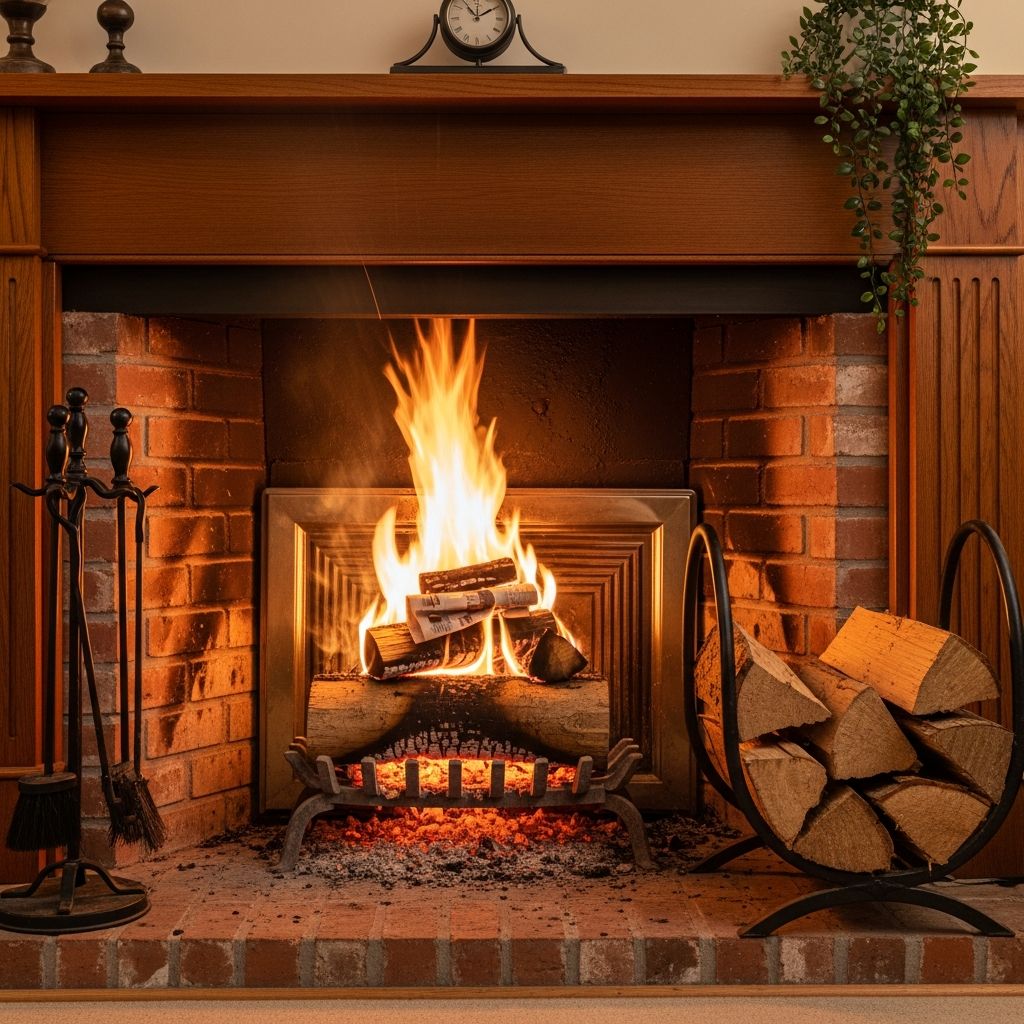
Building a fire in your fireplace might seem like a straightforward task, but there’s actually a proper technique that ensures smoke rises up the chimney rather than filling your living space with unwanted smoke. Mason Mark McCullough from Ask This Old House demonstrates the best practices for constructing a fire that burns efficiently, safely, and cleanly. Understanding the fundamentals of fireplace operation and fire construction can transform your experience and make your fireplace a genuine source of warmth and ambiance.
Understanding Key Fireplace Terms
Before diving into the fire-building process, it’s essential to understand the basic components and principles that make a fireplace function properly. These foundational concepts will help you grasp why certain techniques matter when constructing your fire.
Chimney Draft
The chimney draft represents the upward flow of air that carries smoke and gases out of your home. A good draft is fundamental to preventing smoke from entering your living space. Without proper draft, smoke will billow back into the room, creating an uncomfortable and potentially hazardous environment. The draft is created by temperature differences between the warm air inside your home and the cooler air outside, which causes warm air and smoke to naturally rise through the chimney.
Smoke Shelf and Chamber
Behind the visible opening of your fireplace exists a smoke shelf and chamber—components you typically cannot see but that play a crucial role in directing smoke upward. The smoke chamber is cone-shaped, narrowing as it approaches the flue, which helps funnel smoke efficiently upward. These components work together to create a smooth transition that prevents smoke from escaping into your home.
Heat Distribution
A well-constructed fire concentrates heat in the lower part of the fireplace, which creates the strong updraft necessary for proper smoke ventilation. You can often observe evidence of this heat distribution by examining the back wall of your fireplace, where soot may be burned off in the lower areas, creating a distinctive hot white spot that indicates proper operation.
Materials Needed to Build a Fire
Gathering the right materials before you begin is essential for success. Using appropriate materials ensures your fire will catch properly, burn efficiently, and operate safely.
- Newspaper or other plain paper for kindling
- Small, dry twigs or commercial fire starters
- Seasoned hardwood logs in various sizes
- Matches or a lighter
Important note: Avoid using glossy paper or cardboard, as these materials can release harmful chemicals when burned. Additionally, steer clear of pine and other softwoods, as they produce excessive creosote buildup in your chimney, which significantly increases the risk of dangerous chimney fires.
Preparing Your Fireplace for Fire Building
Proper preparation ensures your fireplace operates safely and efficiently. Never skip these crucial preparation steps before attempting to build your fire.
Clean the Firebox
Remove any old ashes and debris from the firebox before starting your fire. A clean firebox allows for better airflow and reduces the risk of stray embers causing damage or safety concerns. Built-up ash restricts air circulation, which impairs draft and makes it difficult for your fire to burn properly.
Check the Damper
The damper is a metal plate that controls whether the flue is open or closed. Always verify that your damper is fully open before lighting any fire. An open damper allows smoke to escape properly through the chimney rather than into your home. If you notice resistance when opening the damper, have it inspected by a professional before using your fireplace.
Inspect the Chimney
If you haven’t used your fireplace recently, scheduling a professional chimney inspection and cleaning is highly recommended. Professional inspection helps prevent dangerous chimney fires caused by creosote buildup and identifies any structural issues that could compromise safety. This is particularly important if you’re using your fireplace for the first time during the heating season.
Step-by-Step Fire Building Instructions
Follow these carefully sequenced steps to build a fire that burns efficiently and keeps smoke out of your living space. This proven technique has been demonstrated by masonry experts and produces consistently excellent results.
Step 1: Prepare the Base Layer
Crumple several pieces of newspaper loosely and place them underneath the grate. The key word here is loosely—you want to create air pockets that allow oxygen to reach the burning paper. Tightly packed newspaper will suffocate the flames before they can develop. Leave plenty of space between the crumpled paper pieces for air to circulate freely.
Step 2: Arrange the Large Logs
Take two of the largest logs available and place them on the grate parallel to the back of the fireplace. This parallel arrangement is intentional—it directs heat and flames upward and backward into the chimney. Critically important: leave adequate space between the two logs to allow flames to reach up and over them. This gap permits proper air circulation and ensures heat can escape upward to create the necessary draft.
Step 3: Crisscross with Medium Logs
Place smaller to medium-sized logs perpendicular on top of the larger logs, creating a crisscross pattern. Again, leave gaps between these logs. This perpendicular arrangement creates an optimal structure for oxygen flow throughout the fire. The gaps between logs are just as important as the logs themselves—they provide channels for air to reach the burning fuel.
Step 4: Add Kindling
Add a loose pile of kindling on top of the smaller logs. Use small, dry twigs or commercial fire starters. Maintain the principle of loose arrangement—avoid packing the kindling tightly, as compression prevents oxygen flow and suffocates developing flames.
Step 5: Prime the Chimney
Before lighting the main fire, prime the chimney by lighting a single piece of newspaper and carefully holding it up inside the chimney opening. This step is often overlooked but is critical for success. Priming the chimney starts an updraft and equalizes temperature differences, ensuring that when you light the main fire, smoke will immediately rise rather than spilling into your home. If you notice smoke being drawn upward, the priming worked successfully.
Step 6: Light the Base Fire
Using the same piece of paper from priming (if it’s still burning and safe to handle), light the pile of crumpled newspaper under the grate. If that paper has extinguished, use a fresh match or lighter. Watch as the newspaper catches and begins to ignite the kindling above.
Step 7: Complete the Ignition
Place burning paper on top of the kindling pile to ensure complete ignition. This creates a strong draft that maintains smoke in the chimney and out of your house. Once the kindling is burning vigorously, the fire should transition to the larger logs naturally as the wood catches fire from the intense heat below.
Expert Tips for Building Better Fires
Beyond the basic steps, these additional strategies will improve your fire-building success and fireplace experience.
Choosing the Right Wood
Seasoned hardwood is undeniably the best choice for fireplace fires. Hardwoods are denser than softwoods, burn longer, and produce significantly less creosote. Quality hardwoods include oak, maple, ash, and hickory. Softwoods such as pine, fir, and spruce should be avoided entirely. While softwoods ignite more easily, they produce excessive smoke and dangerous creosote accumulation that increases chimney fire risk dramatically.
Proper Log Arrangement Strategy
Log arrangement directly impacts airflow and burning efficiency. Spacing logs with intentional gaps allows air to circulate beneath and around the burning wood. This circulation is the key to maintaining a strong, steady fire that burns completely and produces minimal smoke. Never pack logs tightly together—airflow is more important than quantity.
Considering Fire Starters
While newspaper and kindling are traditional fire starters that work well, commercial fire starters offer an effective alternative. Quality fire starters ignite quickly, burn long enough for larger logs to catch fire, and often produce less ash than newspaper. They’re particularly useful during humid conditions when natural materials might be damp.
Adding Logs Throughout the Fire
Add new logs to the fire before it burns too low, but do so carefully and mindfully. Place logs gently on the existing fire, being careful not to disrupt the airflow that maintains your draft. Adding logs too aggressively can smother the fire or cause smoke to escape into your home.
Adjusting Airflow When Possible
If your fireplace has adjustable vents, use these to control fire intensity. More air makes the fire burn hotter and faster, while less air slows the burn rate. Experiment to find the balance that produces the ambiance you prefer while maintaining safety.
Never Leave Fires Unattended
Always keep your eye on an active fireplace fire, especially if children or pets are in your home. Never leave a burning fire unattended, as unexpected situations can develop quickly. Maintain a fireplace screen or barrier to keep family members at a safe distance from the flames and heat.
Common Fireplace Fire Problems and Solutions
Even with proper technique, issues occasionally arise. Understanding these common problems and their solutions will help you troubleshoot effectively.
| Problem | Likely Cause | Solution |
|---|---|---|
| Smoke entering the room | Poor draft or blocked chimney | Prime the chimney, check damper, have chimney inspected professionally |
| Fire won’t catch or burns slowly | Wet wood or packed logs | Use seasoned hardwood, ensure adequate gaps between logs |
| Excessive ash production | Softwood or poor quality fuel | Switch to seasoned hardwood, avoid softwoods |
| Weak flames | Insufficient airflow | Increase gaps between logs, open damper fully, check for obstructions |
| Fire produces excessive smoke | Creosote buildup or wet wood | Have chimney cleaned, use only seasoned hardwood |
Safety Precautions and Maintenance
Building fires safely requires attention to important precautions and regular maintenance practices.
- Never use accelerants like gasoline or lighter fluid to start fires
- Keep the fireplace screen or barrier in place during operation
- Maintain at least three feet of clearance from the fireplace opening to furniture and flammable materials
- Have your chimney professionally inspected and cleaned annually
- Keep a fire extinguisher accessible near your fireplace area
- Ensure adequate ventilation in the room where your fireplace operates
- Never build fires that are excessively large or hot, as extreme heat can damage the chimney structure
Frequently Asked Questions
Q: How do I know if my fireplace has proper draft?
A: A properly functioning fireplace should display a hot white spot in the bottom center of the firebox. Smoke should rise steadily up the chimney without entering your living space. You can test draft by holding lit newspaper in the fireplace opening—smoke should be drawn upward.
Q: What type of wood burns best in a fireplace?
A: Seasoned hardwood is ideal for fireplaces. Oak, maple, ash, and hickory are excellent choices. Wood should be dried for at least six months and have a moisture content below 20 percent. Avoid softwoods like pine, which produce excessive creosote.
Q: How often should I have my chimney cleaned?
A: The National Fire Protection Association recommends annual professional chimney inspection and cleaning. If you use your fireplace frequently, more frequent cleaning may be necessary.
Q: Can I use colored or glossy paper to start a fire?
A: No. Colored inks and glossy coatings release harmful chemicals when burned. Use only plain, uncoated newspaper or plain paper for fire starters.
Q: What should I do if smoke is entering my home from the fireplace?
A: First, ensure the damper is fully open and the firebox is clean. Prime the chimney with burning newspaper. If smoke continues entering, have your chimney professionally inspected for blockages or structural issues. Poor draft may indicate serious problems requiring professional attention.
Q: How large should my fireplace fire be?
A: Build fires gradually with smaller logs initially, then add larger logs as they catch fire. Avoid building excessively large or hot fires, as extreme heat can damage your chimney. Smaller, well-constructed fires burn more efficiently and safely than large ones.
Conclusion
Building a proper fire in your fireplace involves understanding key principles, preparing adequately, and following proven techniques. By implementing the steps demonstrated by masonry expert Mark McCullough, you can create fires that burn efficiently, produce minimal smoke, and enhance your home’s comfort and ambiance. Remember to use seasoned hardwood, maintain proper spacing between logs for airflow, and prioritize safety at all times. With practice, building the perfect fireplace fire becomes second nature, transforming your fireplace into a reliable source of warmth and coziness throughout the cold months.
References
- The Correct Way To Build a Fire in a Fireplace (2024 Guide) — This Old House. 2024-01-15. https://www.thisoldhouse.com/fireplaces/21124780/the-correct-way-to-build-a-fire-in-a-fireplace
- How to Build a Fireplace Fire | Ask This Old House — YouTube. 2024-03-22. https://www.youtube.com/watch?v=MxZo5RPjbwo
- Good Wood Fires — This Old House. 2024-01-10. https://www.thisoldhouse.com/fireplaces/21015388/good-wood-fires
- How To Prepare Your Fireplace for the Cold Season — This Old House. 2024-09-15. https://www.thisoldhouse.com/fireplaces/21018422/how-to-prep-your-fireplace-for-the-cold-season
- Open House | Wood Burning Fireplaces — This Old House. 2024-02-20. https://www.thisoldhouse.com/21097235/open-house-wood-burning-fireplaces
Similar Articles








Read full bio of Sneha Tete