Crafting Custom Octagonal Window Treatments
Transform unusual octagon windows into stylish features with these DIY techniques for shades, panels, and decorative covers.
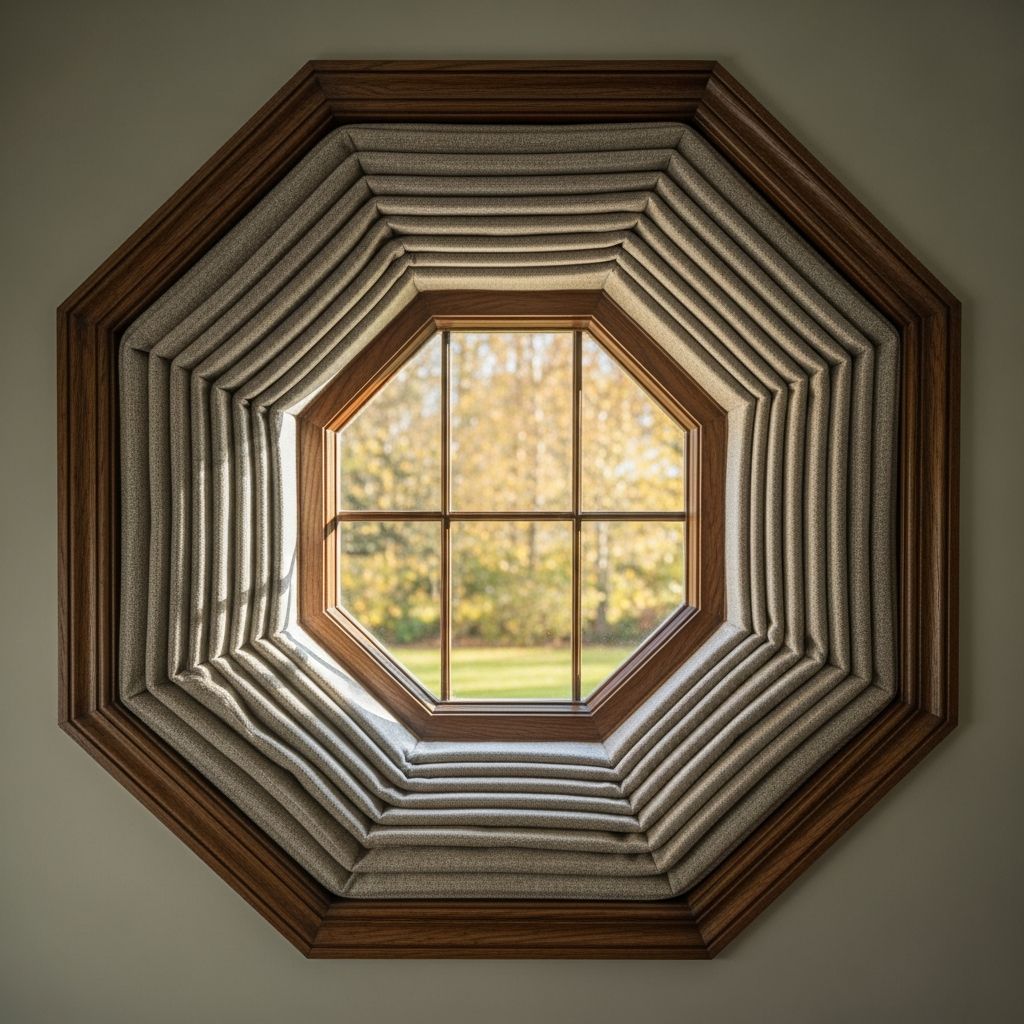
Octagonal windows add a distinctive architectural charm to homes, but finding ready-made coverings can be challenging and expensive. Creating your own allows for personalization while keeping costs low. This guide explores multiple approaches, from soft fabric solutions to rigid framed inserts, ensuring functionality and aesthetic appeal.
Why Choose DIY for Octagon Windows?
Standard blinds and shades rarely fit non-rectangular shapes perfectly, leading to gaps or awkward overlaps. Custom DIY options provide precise coverage, better light management, and opportunities to match your interior style. Benefits include cost savings—often under $50 per window—full control over opacity levels, and the satisfaction of a handmade piece.
Assessing Your Octagonal Window
Begin by measuring accurately. Use a flexible tape to trace the eight-sided perimeter, noting each side’s length. Standard octagons measure 24 to 36 inches across, but variations exist. Record the diagonal distance from flat to flat and corner to corner for template creation.
- Tools needed: Tape measure, pencil, graph paper, level.
- Key dimensions: Perimeter total, frame depth, sill-to-glass distance.
- Considerations: Light preferences (full block, sheer filter), room function (kitchen needs easy-clean materials).
Sketch the octagon on graph paper at 1:1 scale to visualize covering options.
Option 1: Fabric-Paneled Shades
Fabric panels offer flexibility and softness, ideal for bedrooms or living areas. They slide or hinge for adjustability.
Materials List
| Item | Quantity | Purpose |
|---|---|---|
| Blackout or sheer fabric | 1.5 yards per window | Main panel |
| Velcro strips (hook and loop) | 8 feet | Attachment |
| Wood dowels (1/2-inch diameter) | 2 per panel | Structure support |
| Pleat hooks or rings | 16 pieces | Cord guide |
Construction Steps
- Cut fabric into an octagonal shape, adding 2 inches seam allowance per side. Use your graph paper template pinned to fabric.
- Hem all edges with a sewing machine or fabric glue for no-sew option, folding 1/2 inch twice.
- Create channels at top and bottom by folding 1-inch hems and sewing, inserting dowels for rigidity.
- Attach Velcro to the panel’s top edge and corresponding strip to window frame.
- Install cord system: Thread through rings sewn inside hems, knot at bottom for pull-up mechanism.
- Test hang: Panels should lift smoothly without bunching.
For added durability, line with insulating batting to reduce heat loss in colder climates.
Option 2: Acrylic Insert Panels
Rigid acrylic sheets mimic glass inserts, providing clarity or diffusion while protecting from drafts. Perfect for kitchens or offices.
Selecting Acrylic
Choose 1/8-inch thick clear, frosted, or tinted acrylic. Frosted diffuses light softly; mirrored reflects for privacy. Cut-to-size services at hardware stores save time, costing $20-40.
Framing Techniques
- Wood frame: Miter-cut 1×2 lumber at 45-degree angles for each side, assemble with glue and brads.
- Aluminum channels: Snap-together tracks for frameless look, adhesive-mounted.
- Sealant: Apply silicone caulk around edges for airtight fit.
Installation Guide
Clean frame thoroughly with alcohol wipes. Peel protective film from acrylic last. Secure panel into frame using glazing points every 6 inches. Mount entire unit with L-brackets to window casing, ensuring level alignment.

Option 3: Decorative Wood Shutters
Wood louvers or solid panels evoke traditional Craftsman style. Lightweight balsa or pine works best for easy handling.
Design Variations
| Style | Pros | Cons |
|---|---|---|
| Louvered | Adjustable light/airflow | More assembly time |
| Solid carved | Full privacy | Heavier weight |
| Bi-fold | Space-saving | Hinge complexity |
Building Process
- Trace octagon onto 1/4-inch plywood base.
- For louvers: Rip 1/4×1-inch slats, angle-cut ends at 22.5 degrees (half of 45-degree octagon angle).
- Assemble slats on base with glue and pins, spacing 1/2 inch apart.
- Add hinges to one vertical edge for swing-open access.
- Finish with stain or paint; two coats polyurethane for protection.
These shutters double as wall art when removed seasonally.
Advanced Techniques for Precision Fit
For perfect edges, use a router with octagonal template bit. Heat gun softens acrylic edges for sanding smooth. Magnetic strips allow removable panels without adhesives.
Common Mistakes to Avoid
- Skipping measurements twice—always verify on-site.
- Using weak adhesives; opt for construction-grade.
- Ignoring weight distribution, leading to sagging.
Enhancing Functionality
Incorporate motorized pulls with battery-operated kits for high windows. Add LED strips behind translucent panels for ambient glow. UV-blocking fabrics extend panel life in sunny exposures.
Cost Breakdown
| Method | Materials Cost | Time Estimate |
|---|---|---|
| Fabric Shades | $25-45 | 2-3 hours |
| Acrylic Panels | $35-60 | 4 hours |
| Wood Shutters | $40-70 | 5-7 hours |
Total savings versus professional: 60-80% per window.
Frequently Asked Questions
Can these coverings insulate effectively?
Yes, adding foam core or double fabric layers boosts R-value by 2-3 points.
What if my octagon is irregular?
Customize each side individually; use flexible molding for frames.
Are no-sew options viable?
Fabric glue and iron-on hem tape work well for lightweight materials.
How do I clean them?
Dust with microfiber; spot-clean fabrics, wipe acrylic with soapy water.
Will they block all light?
Layer blackout liner under sheers for adjustable control.
Maintenance and Longevity Tips
Store panels flat during off-seasons. Reapply adhesives every 2 years. Rotate for even sun fading. With care, expect 5-10 years service.
References
- Window Covering Safety Guidelines — U.S. Consumer Product Safety Commission (CPSC). 2024-01-15. https://www.cpsc.gov/s3fs-public/Window-Coverings.pdf
- DIY Framing Standards for Custom Windows — American Wood Council. 2023-06-10. https://awc.org/wp-content/uploads/2021/08/2021_WCD7-Dead-Loads.pdf
- Acrylic Sheet Fabrication Guide — Plaskolite Technical Documentation. 2025-02-20. https://www.plaskolite.com/wp-content/uploads/2023/05/Acrylic-Fab-Manual.pdf
- Energy Efficiency in Residential Window Treatments — U.S. Department of Energy. 2024-11-05. https://www.energy.gov/energysaver/window-treatments
- Custom Shutter Design Principles — International Window Covering Association. 2023-09-12. https://iwcaap.org/standards
Similar Articles



Read full bio of medha deb