Crafting Vegetable Wines: 4 Easy Recipes For Homebrewers
Unlock the art of turning garden vegetables into exquisite homemade wines with simple recipes and expert techniques for beginners and enthusiasts alike.
Crafting Vegetable Wines at Home
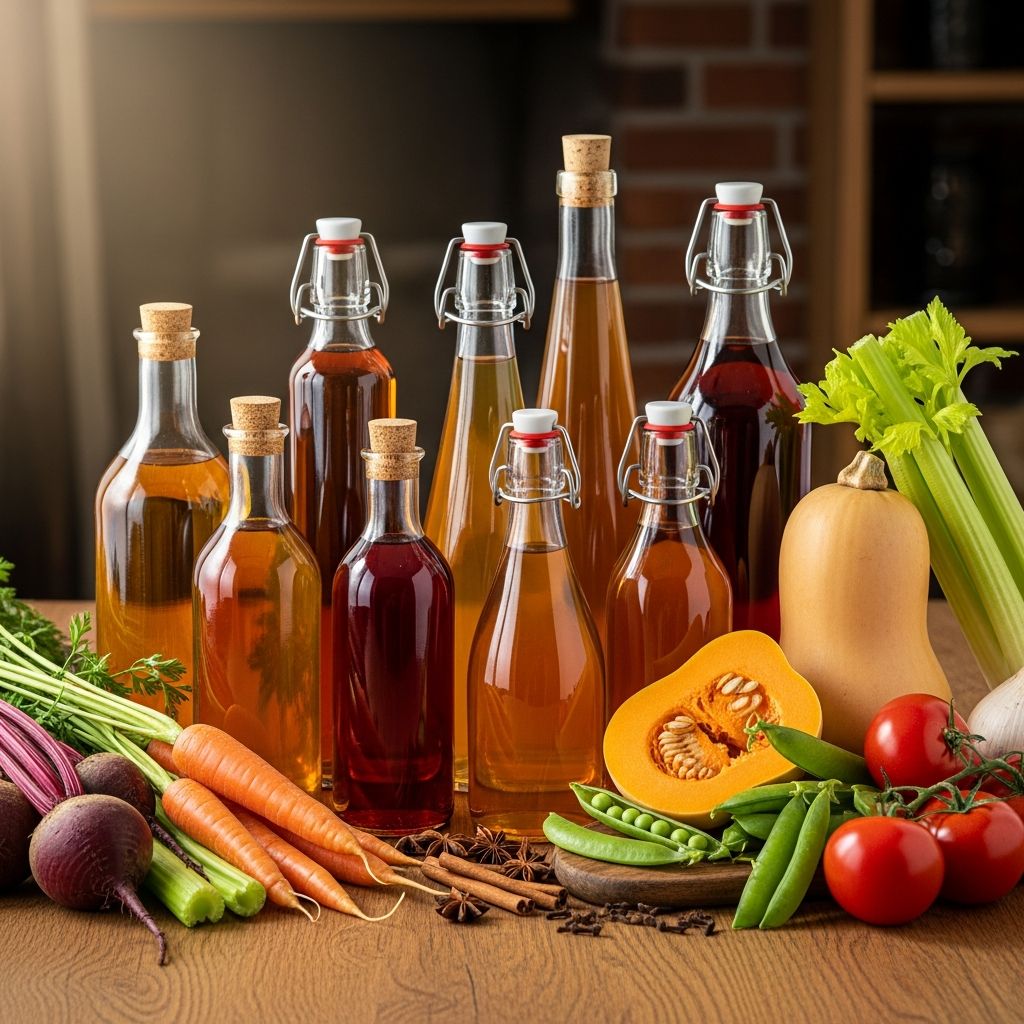
Transforming humble vegetables from your garden or market into sophisticated wines offers a rewarding DIY project for homebrewers. These brews capture earthy notes, subtle sweetness, and surprising complexity, rivaling traditional fruit wines. With basic equipment and patience, anyone can produce golden carrot elixirs, robust beet reds, or sherry-like parsnip blends.
Why Choose Vegetables for Winemaking?
Vegetables provide unique flavor profiles not found in common grape or fruit wines. Root varieties like carrots yield light, delicate golden hues with mellow sweetness, while beets deliver deep crimson colors and hearty depth. Parsnips and turnips add nutty, sherry-esque qualities. Beyond taste, vegetable winemaking reduces waste by utilizing surplus produce and offers experimentation opportunities with spices, citrus, or herbs.
Health benefits include natural antioxidants from beets and vitamins from carrots, though alcohol content tempers these. Economically, a batch costs under $20, producing gallons of premium wine valued at store prices.
Essential Equipment for Vegetable Winemaking
Start with food-grade basics to ensure sanitation and efficiency:
- Large stockpot for boiling (5-10 gallons)
- Primary fermenter (6-7 gallon food-grade bucket or carboy)
- Secondary carboy (5 gallons, glass or plastic)
- Airlock and bung for fermentation
- Siphon tube and auto-siphon
- Hydrometer for measuring specific gravity
- Nylon straining bag or cheesecloth
- Sanitizer (like Star San or potassium metabisulfite)
- Wine bottles, corks, and corker
- pH meter or strips (optional but recommended)
Sterilize all gear before use to prevent wild yeast or bacteria spoilage.
Core Ingredients and Their Roles
Vegetable wines rely on a balanced mix:
- Vegetables (2-6 lbs): Primary flavor source; chop finely for extraction.
- Sugar (2-3 lbs): Fuels yeast, builds alcohol (aim for 10-14% ABV).
- Water (1 gallon): Dilutes to proper strength.
- Wine Yeast (1 tsp, e.g., Montrachet): Converts sugars to alcohol and CO2.
- Yeast Nutrient (1 tsp): Supplies nitrogen for healthy fermentation.
- Pectic Enzyme (1 tsp): Breaks down pectin for clarity.
- Campden Tablets (1-2): Kills wild microbes.
- Acid Blend/Citrus (optional): Balances pH (3.2-3.6 ideal).
- Raisins/Honey (0.5-1 lb): Adds tannins, body, and fermentables.
| Ingredient | Typical Amount (1 Gallon) | Purpose |
|---|---|---|
| Vegetables | 2-6 lbs | Flavor base |
| Sugar | 2.5 lbs | Fermentable sugars |
| Water | 1 gal | Dilution |
| Yeast | 1 packet | Fermentation driver |
| Nutrient/Enzyme | 1 tsp each | Health and clarity |
General Step-by-Step Process
Follow this blueprint, adapting for specific recipes:
- Prepare Vegetables: Wash, chop (no peeling needed for most), place in pot with half the water.
- Simmer: Boil gently 20-30 minutes until tender; add sugar to dissolve.
- Strain: Pour through straining bag into sanitized fermenter; squeeze pulp gently.
- Cool and Additives: Top with remaining water; add Campden tablet. Wait 24 hours.
- Pitch Yeast: Stir in yeast, nutrient, pectic enzyme. Seal with airlock.
- Primary Fermentation: 7-10 days at 65-75°F; stir daily first few days.
- Rack: Siphon to secondary carboy, leaving sediment (lees).
- Secondary Fermentation: 4-8 weeks until bubbling stops (SG ~0.990-1.000).
- Clear and Stabilize: Add sulfite if needed; cold crash or fine with bentonite.
- Bottle: Siphon into clean bottles; cork and age 3-6 months.
Signature Vegetable Wine Recipes
Golden Carrot Wine
This light, delicate wine evokes honeyed mead with citrus brightness.
Ingredients (1 gallon): 5 lbs carrots (scrubbed, sliced), 2.5 lbs sugar, 1 lb golden raisins (chopped), 4L water, juice of 2 lemons/oranges, 1 tsp each nutrient/enzyme, 1 Campden, wine yeast.
- Simmer sliced carrots in 2L water + sugar 10-15 min.
- Strain into bucket with raisins; add remaining water + Campden. Wait 24h.
- Add enzyme, nutrient, yeast. Ferment 7 days primary; rack.
- Age 2 months; expect 12% ABV, golden hue.
Robust Beet Wine
Deep red with earthy sweetness, perfect for blending.
Ingredients: 3 lbs beets (cubed), 1 lb raisins, 2.5 lbs sugar, 1 gal water, 1 pkg yeast, 1 Campden, 1 tsp nutrient/acid blend, 1 cup black tea.
- Boil beets/raisins in bag with 2 qt water till soft.
- Dissolve sugar in hot liquid; add to fermenter with cold water/tea.
- Wait 24h, add yeast etc. Ferment 10 days; rack twice.
- Bottle after 3 months for velvety texture.
Parsnip-Prune Sherry-Style Wine
A dry, nutty sipper mimicking fine sherry.
Ingredients: 2 lbs parsnips (chopped), 8 oz prunes, 3 lbs sugar, 7.5 pints water, yeast/nutrient/enzyme.
- Simmer parsnips 30 min; strain, dissolve sugar.
- Add prunes; cool 24h, pitch yeast.
- Ferment fully; rack and age 6 months for oxidative notes.
Mixed Root Wine (Turnips & Rutabagas)
Complex with peppery spice.
Ingredients: 3 lbs each turnips/rutabagas, 3 citrus fruits, 2 bananas, 1 lb raisins, 2.5 lbs sugar, 1 gal water, yeast etc.
- Slice and boil roots till soft; mash bananas in.
- Strain over sugar; add juices/raisins. Ferment standard.
Troubleshooting Common Issues
- Stuck Fermentation: Warm to 70°F, add nutrient/yeast energizer.
- Cloudy Wine: More pectic enzyme or fining agents like Sparkolloid.
- Off Flavors: Check sanitation; vinegar smell means acetic bacteria—discard.
- Low Alcohol: Verify starting gravity (1.080-1.100).
Use hydrometer readings: Start 1.085+, finish under 1.000.
Aging and Enjoying Your Creations
Young vegetable wines shine after 3 months, peaking at 1 year. Store cool/dark. Pair carrot wine with poultry, beet with roasts, parsnip as aperitif. Experiment with oak chips for barrel-aged depth.
Advanced Techniques
Incorporate ginger, tea, or honey for twists. Use nylon bags for easy straining. Partial oxidation suits sherry-styles. Blend vegetables for custom profiles.
Frequently Asked Questions (FAQs)
Can beginners make vegetable wine?
Yes, with sanitation focus; start small.
How long until bottling?
2-3 months minimum; 6+ for best.
Is special yeast required?
Wine yeast preferred over bread yeast for cleaner ferment.
Vegetables safe for wine?
Wash thoroughly; avoid moldy produce.
Alcohol content typical?
10-14% with proper sugar.
References
- How to Make Fruit, Flower, and Vegetable Wines — Lovely Greens. 2023-05-15. https://lovelygreens.com/how-to-make-fruit-flower-and-vegetable/
- Carrot Wine Recipe – Light & Delicate Root Wine — Homebrew Answers. 2022-11-10. https://homebrewanswers.com/carrot-wine-recipe-light-delicate-root-wine/
- How To Make Carrot Wine — Insteading. 2024-03-22. https://insteading.com/blog/how-to-make-carrot-wine/
- How to Make Homemade Wine (with any Fruit, Flower or Vegetable) — Practical Self Reliance. 2023-08-07. https://practicalselfreliance.com/homemade-wine/
- Off The Beaten Path: Spice, herb, and vegetable winemaking — WineMaker Magazine. 2021-06-18. https://winemakermag.com/technique/off-the-beaten-path-spice-herb-and-vegetable-winemaking
Similar Articles








Read full bio of Sneha Tete