Creating Custom Wall Stencils at Home
Master the art of designing and crafting reusable stencils for beautiful wall art projects
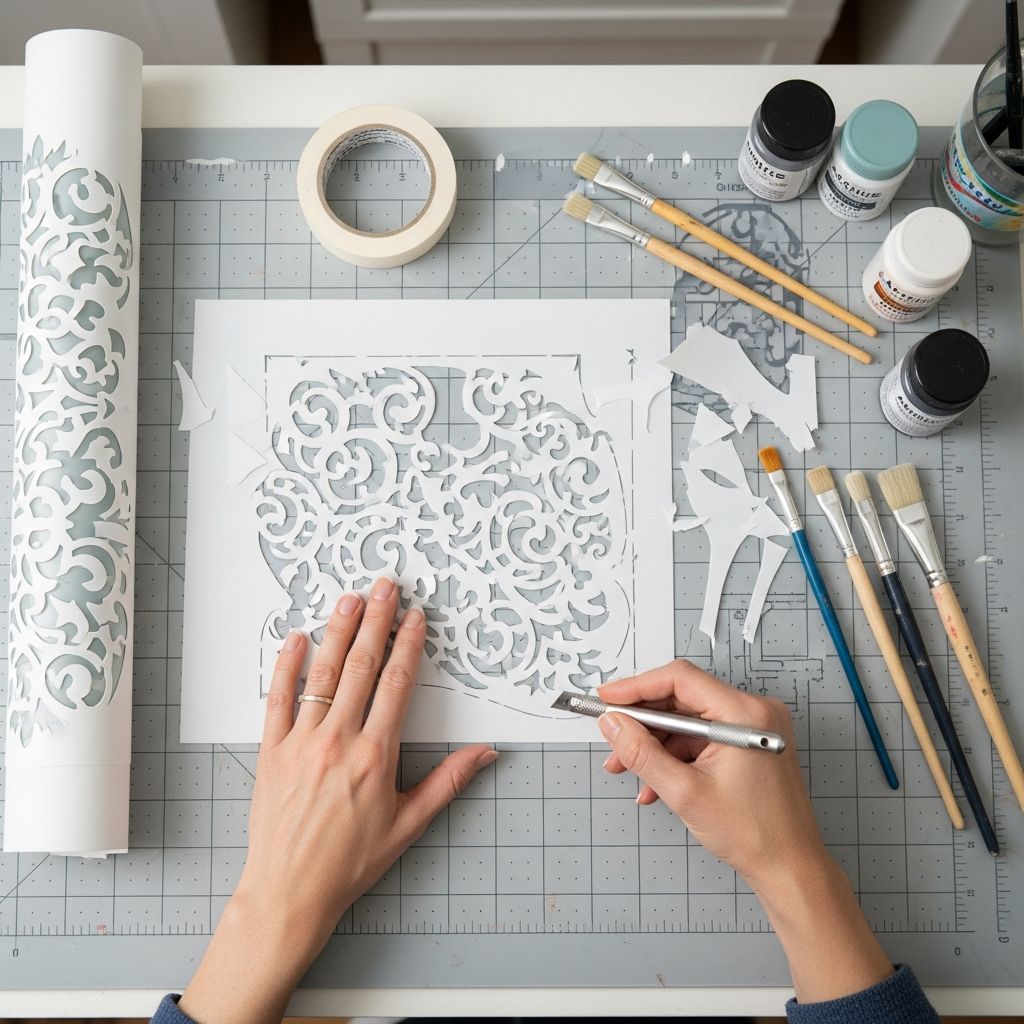
Creating Custom Wall Stencils at Home: A Complete DIY Guide
Transforming your living space with decorative wall patterns doesn’t require professional skills or expensive equipment. One of the most accessible and rewarding methods is to create your own stencils and apply them directly to your walls. This comprehensive guide walks you through every stage of the process, from initial design conception through final application, enabling you to achieve gallery-quality results in your own home.
Understanding the Fundamentals of Stencil Creation
Before diving into the technical aspects, it’s important to understand what makes an effective stencil. A stencil serves as a template that allows you to repeatedly reproduce a design by applying paint or other materials through the open areas. The key to successful stencil creation lies in selecting appropriate materials and understanding how design elements need to be structured for repeated use.
The foundation of any good stencil is choosing the right base material. Several options work exceptionally well for home-based projects, each offering distinct advantages depending on your intended application and durability requirements.
Essential Materials for Stencil Manufacturing
Your choice of materials will significantly impact the longevity and effectiveness of your finished stencil. Understanding the properties of each option helps you make an informed decision based on your specific project needs.
Traditional Material Options
- Chipboard — A sturdy, lightweight option commonly found in photo storage supplies. Offers reasonable durability for small to medium projects and can be easily cut with basic tools.
- Cardboard — An economical choice that works well for single-use or limited-application projects. Readily available from packaging materials and simple to manipulate with standard cutting implements.
- Manila Folders — Provide a middle ground between flimsy paper and rigid cardboard, offering adequate stiffness while remaining easy to cut with precision.
- Mylar Film — A professional-grade polymer material that delivers exceptional durability and can withstand repeated applications and cleaning. Ideal for stencils you plan to use multiple times.
Each material type has distinct advantages. Chipboard and cardboard work well for beginners due to their affordability and ease of handling, while mylar represents a premium investment for serious DIY enthusiasts who prioritize longevity and reusability.
Tools Required for Stencil Preparation
Creating professional-quality stencils requires only a modest collection of tools. Most of these items likely already exist in your home or are inexpensive to acquire.
| Tool | Purpose | Notes |
|---|---|---|
| Ballpoint Pen | Transfer design to material | Provides controlled pressure for tracing |
| Craft Knife or Utility Blade | Cut out stencil openings | Ensure blade is sharp for clean edges |
| Cutting Mat | Protect work surface | Prevents damage to underlying surfaces |
| Metal Ruler | Guide straight cuts | Resists blade damage better than plastic |
| Scissors | Rough trimming of material | Optional; craft knife can perform this function |
| Spray Adhesive | Secure stencil to wall | Creates temporary bond without damage |
For those seeking to manufacture multiple stencils or work with intricate designs, investing in a cutting machine like a Cricut or Silhouette can significantly streamline the production process and enable more complex patterns.
Designing Your Stencil Pattern
The design phase is where creativity meets practicality. Several important considerations will determine whether your stencil translates successfully to your wall.
Design Principles for Successful Stenciling
Bridge Integrity: When creating your design, ensure that the areas containing paint (the positive spaces) maintain adequate structural connections. These bridges prevent isolated pieces from falling out during cutting or becoming damaged during application. Without proper bridges, your stencil will be fragile and difficult to use effectively.
Pattern Repetition: If you’re creating a repeating pattern, design the stencil so that adjacent repetitions align seamlessly. This typically involves creating overlapping edges that allow you to match the pattern when repositioning the stencil for the next application.
Size Considerations: Larger stencil areas are easier to paint evenly and produce fewer drips or bleeding issues. Very small details may require hand-painting or specialized brushes, reducing the efficiency advantage of using a stencil.
You can source design inspiration from numerous locations. Online platforms offer pre-made designs available for download, while DIY blogs showcase user-created patterns. Alternatively, you can create original designs using drawing software, hand-sketching, or even photograph portions of existing artwork.
Step-by-Step Stencil Creation Process
Transferring Your Design
Begin by obtaining or creating your chosen design. If working from a digital image, print it at your desired size. Position the printed design on top of your selected stencil material, securing both with masking tape to prevent shifting during the transfer process.
Using a ballpoint pen, apply moderate pressure as you trace along every line of the design. The pen should create a visible indentation in the material without puncturing or tearing it. This technique works equally well whether you’re working with cardboard, mylar, or chipboard.
Cutting Out the Design
Before beginning to cut, prepare your work surface by laying down a protective cutting mat. This prevents damage to your table or floor and helps your blade maintain its sharpness by striking a yielding surface rather than hard wood or tile.
Using a sharp craft knife, carefully cut along the traced lines. Make multiple shallow passes rather than attempting to cut through the material in a single stroke. This technique provides better control, reduces the likelihood of the blade slipping, and produces cleaner edges. Remove the cut-out portions to reveal your completed stencil.
If you’re using a cutting machine, follow the manufacturer’s software instructions to import your design and optimize it for cutting. These machines typically handle the precision work automatically, though you’ll still need to position the material correctly and retrieve finished stencils.
Preparing Your Wall for Stencil Application
Successful stencil application begins long before paint touches your wall. Proper preparation ensures that your design appears crisp and clean with minimal bleeding or paint seepage.
Wall Surface Preparation
Start by thoroughly cleaning the wall surface with a damp cloth or sponge. Remove dust, cobwebs, and any loose particles that could interfere with stencil adhesion or paint application. A clean wall also prevents paint from adhering unevenly or picking up debris.
If your wall has existing paint imperfections, consider whether these will be visible through your stencil pattern. Fill holes or cracks if they fall within your planned design area. Allow filler to dry completely and sand smooth before proceeding.
Protecting Adjacent Areas
Use painter’s tape to mask off any areas adjacent to your stenciling project, including trim work, electrical outlets, and ceiling lines. This prevents accidental paint application and creates clean, professional-looking edges. Drop cloths or plastic sheeting protect flooring from paint drips and splatters.
Selecting and Preparing Paint Materials
Paint Consistency: The thickness of your paint significantly affects application results. Paint that’s too thin produces transparent, patchy coverage requiring multiple coats. Paint that’s too thick may clog the stencil openings or create visible brush marks. Achieve optimal consistency by thoroughly stirring paint for at least 60 seconds, then adding water drop by drop if necessary.
Application Tools: Different tools produce different results. Foam dabbers create soft, textured finishes. Stencil brushes (with short, stiff bristles) produce more uniform, controlled coverage. Mini foam rollers work well for larger open areas but may not provide fine detail work. Experiment with different tools on scrap materials to determine your preferred application method.
Pour your mixed paint into a shallow tray, which makes it easier to load your application tool without submerging it completely. If using a foam applicator, lightly dampen it with water, then thoroughly squeeze out excess moisture before loading paint. This prevents the applicator from becoming waterlogged and diluting your paint.
Executing the Stenciling Application
Initial Stencil Positioning
Before securing your stencil permanently, hold it against the wall to verify the position and angle. Many people prefer starting in the upper left corner and working systematically across and downward, though any consistent approach works equally well.
Once you’ve confirmed positioning, apply spray adhesive to the back of the stencil following the product instructions. This creates a temporary bond that holds the stencil firmly in place without damaging the wall when removed. Allow the adhesive to become tacky per the product directions before pressing the stencil firmly against the wall.
Paint Application Technique
Load your application tool with paint, then remove excess by dabbing it on clean cardboard or newspaper. The tool should be sufficiently moist with paint but not dripping. Use gentle dabbing motions rather than dragging or scrubbing, which can force paint underneath the stencil edges causing bleeding.
Work methodically across the stencil opening, ensuring even coverage throughout. Pay special attention to corners and edges where paint coverage tends to be thinner. Light pressure and multiple thin layers produce better results than heavy applications that risk pushing paint under the stencil edges.
Creating Repeating Patterns
For designs that repeat across your wall, the next stencil placement is critical. Align the edge of your stencil with the previously painted area, positioning any overlapping design elements to match perfectly. Hold the overlapping section lightly against the wall to prevent the stencil from shifting, then apply paint to the new area using the same technique as before.
Continue this process methodically across your wall, always ensuring that each new placement aligns correctly with preceding applications. This systematic approach maintains pattern continuity and produces professional results.
Finishing and Maintenance
Once you’ve completed stenciling across your entire wall, carefully remove the stencil by peeling it away from the bottom upward. Work slowly to prevent wet paint from tearing or smudging. Allow paint to dry completely before removing any painter’s tape or protective coverings.
If you intend to reuse your stencil, clean it thoroughly with warm soapy water while paint is still wet. Dried paint accumulation will eventually interfere with pattern clarity. Store stencils flat in a dry location where they won’t be bent or warped.
Troubleshooting Common Issues
- Paint Bleeding: Reduces paint quantity on your applicator and increases pressure consistency. Ensure the stencil is firmly adhered to the wall with no gaps.
- Uneven Coverage: Apply additional thin coats rather than loading excessive paint initially. Multiple light applications produce more uniform results.
- Misaligned Patterns: Take extra time when positioning each repeated stencil. Use a level to verify vertical alignment before applying paint.
- Stencil Damage: If edges tear during application, you may have applied excessive pressure during cutting or the material choice was too fragile for your design.
Frequently Asked Questions
How many times can I reuse a stencil?
Durability depends on material choice and usage conditions. Mylar stencils can withstand dozens of applications, while cardboard stencils typically work for 5-10 uses before deteriorating.
Can I use regular paintbrushes instead of stencil brushes?
While possible, regular brushes produce less controlled results and are more likely to cause paint bleeding. Stencil brushes’ short, stiff bristles are specifically designed for this application.
What’s the best paint type for wall stenciling?
Acrylic latex paint works well and cleans up easily. Ensure paint consistency is appropriate for your chosen application tool.
Should I seal the finished wall after stenciling?
No special sealing is necessary unless your wall receives excessive moisture or wear. Use the same protective measures you would for any painted wall.
References
- Painting a Stencil On a Wall: DIY Tutorial & Tips — Poplolly Co. 2024. https://poplollyco.com/painting-a-stencil-on-a-wall-diy-tutorial-tips/
- How to Make Stencils from Used Cardboard — Home and Garden, HowStuffWorks. 2024. https://home.howstuffworks.com/green-living/homemade-cardboard-stencils.htm
- How to Stencil a Wall: A Beginner’s Guide to Allover Wall Stenciling — Just a Girl and Her Blog. 2024. https://justagirlandherblog.com/how-to-stencil-a-wall/
- How to Create DIY Stencils to Decorate Your Home — Cricut Official Blog. 2024. https://cricut.com/blog/diy-stencils-for-home/
Similar Articles



Read full bio of Sneha Tete