Creating Lavender Potpourri: A Complete DIY Guide
Master the art of crafting fragrant lavender potpourri with natural ingredients and proven techniques.
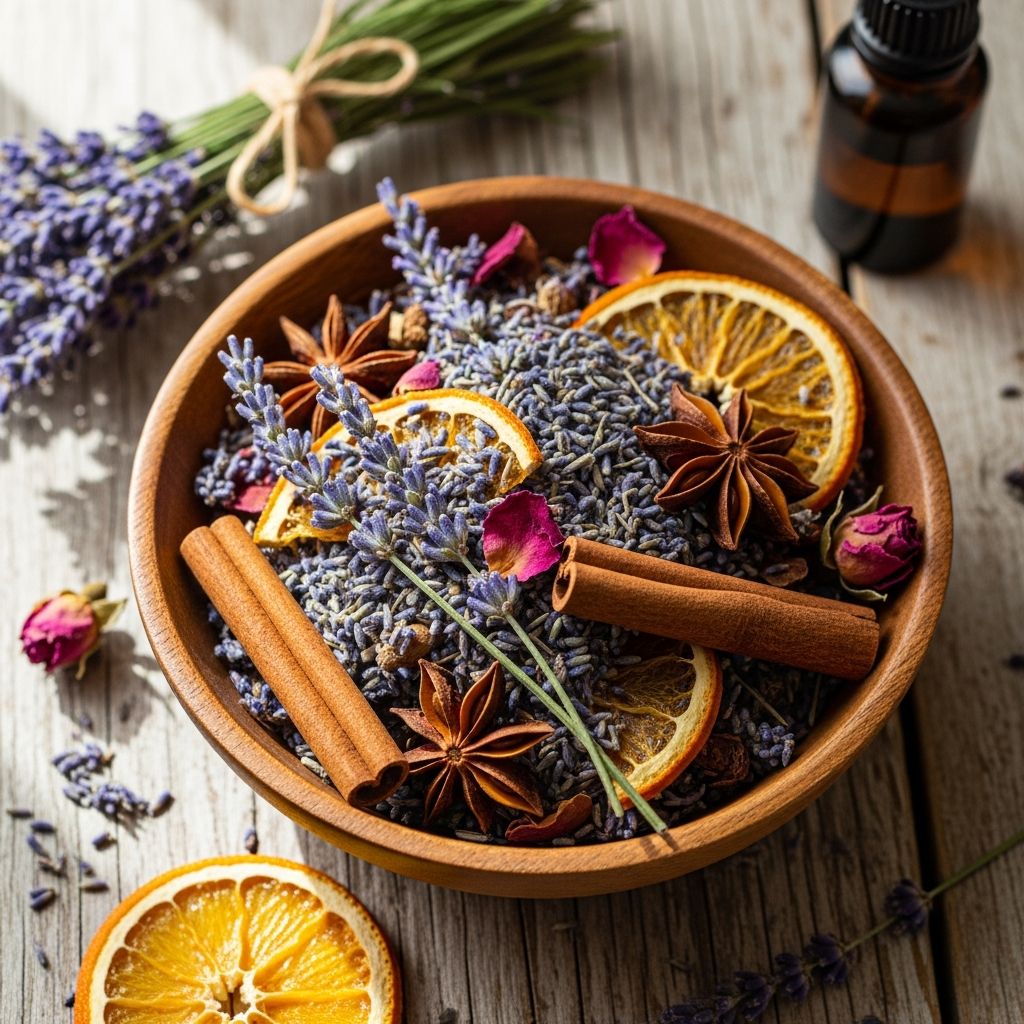
Fragrant potpourri offers a natural, chemical-free way to enhance your living spaces while enjoying the therapeutic benefits of botanical aromas. Lavender, with its distinctive sweet-floral character and well-documented calming properties, stands as one of the most popular choices for homemade potpourri projects. Whether you’re seeking to create a welcoming ambiance in your bedroom, freshen your kitchen, or protect your wardrobe from moths, lavender potpourri delivers both aesthetic appeal and practical functionality. This comprehensive guide walks you through every step of the process, from sourcing quality ingredients to mastering mixing techniques and discovering innovative ways to display your creation.
Understanding the Fundamentals of Potpourri Crafting
Potpourri represents a deceptively simple yet highly customizable home fragrance solution. At its core, this aromatic mixture combines dried botanical materials with essential oils and natural fixatives to create long-lasting scent diffusion. The beauty of homemade potpourri lies in its flexibility—you can adjust ingredient proportions, experiment with complementary scents, and tailor the final product to match your personal preferences and home décor aesthetic.
Unlike commercial air fresheners that rely on synthetic fragrances and chemical propellants, homemade lavender potpourri leverages the natural aromatic compounds present in dried flowers and plant materials. This approach eliminates concerns about harmful chemical exposure while providing a more sophisticated, nuanced fragrance profile. The process requires no specialized equipment, making it an accessible craft project for beginners and experienced makers alike.
Sourcing and Selecting Premium Base Ingredients
The foundation of exceptional lavender potpourri begins with high-quality dried lavender flowers. You have several sourcing options: purchasing pre-dried flowers from craft retailers, specialty herbal suppliers, or online marketplaces; harvesting and drying your own lavender from a home garden; or obtaining bulk quantities from wholesale botanical suppliers. When evaluating dried lavender, look for vibrant purple coloration, intact flower buds, and a strong aromatic presence—indicators of proper harvesting and storage conditions.
Beyond the primary lavender base, numerous complementary botanicals elevate your potpourri’s sensory appeal. Consider incorporating these popular additions:
- Rose petals and buds, which add delicate floral notes and visual elegance
- Chamomile flowers, contributing gentle herbal undertones and additional calming properties
- Dried citrus slices (lemon, orange), introducing bright, uplifting top notes
- Cinnamon sticks and cloves, providing warm, spiced character
- Eucalyptus leaves, offering crisp, minty refreshment
- Lemon verbena leaves, supplying zesty, herbaceous qualities
- Calendula flowers, providing golden visual contrast and mild herbal notes
When selecting dried materials, prioritize freshness and vibrant coloration. Faded or discolored botanicals suggest prolonged storage or exposure to light, which compromises both fragrance potency and aesthetic appeal. Purchase from reputable suppliers with reasonable turnover rates to ensure you’re obtaining recently dried materials rather than aged inventory.
Essential Oils: Amplifying and Prolonging Fragrance
While dried flowers and herbs provide the foundational scent, essential oils serve a crucial role in intensifying aroma and extending the potpourri’s fragrance lifespan. Essential oils contain concentrated aromatic compounds that diffuse more effectively than whole botanicals alone, making them indispensable for creating a potent fragrance experience that effectively scents a room.
Lavender essential oil represents the most obvious choice for lavender-based potpourri, reinforcing and amplifying the primary scent profile. However, complementary essential oils dramatically expand your creative possibilities. Consider these combinations:
- Lavender with geranium oil for a richer, more complex floral arrangement
- Lavender with lemongrass oil for a fresh, citrus-enhanced variation
- Lavender with rose oil for an intensified romantic floral composition
- Lavender with peppermint oil for an invigorating, cooling effect
- Lavender with lemon oil for a bright, uplifting blend
A typical proportion calls for approximately 20-30 drops of essential oil per cup of dried botanicals, though you can adjust this based on personal preference and the oil’s concentration. Higher-quality essential oils often require fewer drops to achieve desired fragrance intensity due to their superior potency and purity.
Mastering the Mixing Process and Technique
The actual assembly of your potpourri follows straightforward steps, yet attention to detail ensures optimal results. Begin by measuring your dried lavender flowers into a large mixing bowl—this serves as your foundational layer. Add your selected complementary botanicals in appropriate proportions, aiming for visual diversity while maintaining lavender as the dominant ingredient.
Distribute your chosen essential oils across the botanical mixture using a few different approaches depending on desired results. The first method involves drizzling oils directly over the mixture and then stirring thoroughly with your hands or a wooden spoon for several minutes, ensuring even oil distribution throughout. This technique works well for potpourri destined for storage or infusing into decorative containers.
For a more gradual, controlled integration, consider using a natural fixative like benzoin resin. This plant-derived substance acts as a scent anchor, helping essential oils bind to botanical materials and slowly release fragrance over extended periods. To incorporate benzoin, gently warm 1-2 tablespoons in a double boiler until it reaches a pliable consistency, then fold this into your botanical mixture along with essential oils.
An alternative visual presentation strategy involves layering your ingredients within a transparent decorative jar. Begin with a base layer of dried lavender flowers, follow with a layer of complementary botanicals, then repeat this sequence until your container reaches the desired fullness. This approach creates visually striking arrangements while maintaining the same aromatic properties. After layering, seal the container and allow ingredients to meld for approximately one week, shaking and tossing contents every few days to facilitate oil distribution and scent development.
Storage Protocols and Scent Longevity
Proper storage extends your potpourri’s fragrance lifespan and preserves visual appeal. Transfer completed potpourri into resealable containers or glass jars with tight-fitting lids, keeping them in cool, dry locations away from direct sunlight. Excessive heat, humidity, and light exposure accelerates essential oil evaporation and causes dried botanicals to fade prematurely.
Most homemade potpourri maintains noticeable fragrance for 2-4 weeks when actively displayed in open containers, depending on room size, air circulation, and essential oil concentration. To refresh fading potpourri without starting over, add 10-15 drops of your original essential oil blend to the existing mixture, stir thoroughly, and reseal for 2-3 days before reopening. This simple technique rejuvenates fragrance intensity multiple times throughout a single potpourri’s lifecycle.
Creative Display and Application Methods
The presentation of your finished potpourri significantly impacts both its fragrance effectiveness and decorative contribution to your home environment. Consider these diverse application approaches:
Open Bowl Displays: Arrange your potpourri in shallow ceramic, glass, or wooden bowls positioned prominently on tables, shelves, or mantelpieces. This open presentation allows maximum fragrance diffusion throughout surrounding spaces while showcasing the visual beauty of colorful dried botanicals.
Sealed Jar Storage with Periodic Opening: Keep the majority of your batch sealed in glass jars, opening them periodically to release fragrance when desired. This approach extends overall lifespan while providing controlled scent intensity for specific situations.
Sachet Bundles: Distribute a portion of your potpourri into small fabric pouches or organza bags, placing these in dresser drawers, linen closets, or among hanging clothing. This method provides subtle fragrance for stored textiles while maintaining concentrated scent strength in the closed pouches.
Simmering Potpourri: Place a small handful of your mixture in an old saucepan with water and gently warm on the stove over low heat. This technique creates an immediate, room-filling fragrance diffusion perfect for entertaining or quick home freshening. Never allow the water to boil; maintain a gentle simmer to prevent burning botanical materials.
Decorative Arrangements: Create visually appealing displays by layering potpourri in clear glass vessels of varying heights, garnishing with dried citrus wheels, cinnamon sticks, or small dried flower bunches. These arrangement-style presentations serve as both fragrance sources and functional home décor elements.
Therapeutic and Practical Benefits
Beyond fragrance alone, lavender potpourri delivers multiple functional advantages. Lavender’s well-documented calming properties make it particularly valuable in bedroom settings, where its subtle aromatic presence can promote relaxation and support improved sleep quality. The scent’s stress-reducing effects also benefit living areas, home offices, and meditation spaces where tranquility enhances productivity and mental clarity.
Lavender simultaneously functions as a natural moth deterrent, making lavender-scented sachets invaluable for protecting woolens, vintage textiles, and delicate fabrics stored in wardrobes or off-season storage containers. Unlike chemical mothballs, which carry health and environmental concerns, lavender offers effective protection through its insecticidal properties while leaving clothing fragrant rather than chemically scented.
The natural air-freshening properties of potpourri provide an excellent alternative to artificial room sprays and plug-in fragrance dispensers. Since homemade versions contain no synthetic chemicals or artificial fragrances, they represent a healthier choice for households with sensitive individuals, children, or pets.
Customization Considerations and Personal Preferences
One of potpourri’s greatest advantages lies in its inherent customizability. Experiment with varying botanical combinations to discover personal preference profiles. Some individuals prefer predominantly floral arrangements emphasizing rose, chamomile, and calendula materials, while others gravitate toward warmer spiced variations incorporating cinnamon, cloves, and hints of cardamom. Citrus enthusiasts might develop signature blends featuring dried orange slices, lemongrass essential oil, and lemon verbena leaves for bright, uplifting character.
Consider seasonal variations as well. Summer batches might emphasize fresh, bright citrus notes and delicate floral materials, while winter iterations lean toward warm, spiced character. Spring blends could highlight soft pastels and gentle florals, while autumn formulations embrace deeper, earthier botanical profiles.
Troubleshooting Common Potpourri Challenges
Weak Fragrance: If your potpourri lacks scent intensity, increase essential oil quantities in future batches or add a fixative like benzoin resin. Additionally, ensure you’re using fresh essential oils with appropriate potency—older bottles may have diminished aromatic strength.
Uneven Oil Distribution: Extend your mixing time and ensure thorough hand-stirring or use small wooden spoons to physically move ingredients repeatedly. This prevents oil concentration in certain areas while remaining sparse in others.
Rapid Fragrance Fading: Implement proper storage in sealed containers, refresh with additional essential oil drops as needed, and ensure your display location isn’t subjected to excessive heat or direct sunlight that accelerates oil evaporation.
Discoloration or Mold: Prevent these issues by ensuring all botanicals are completely dry before combining and maintaining storage containers in dry, cool environments with no moisture introduction.
FAQ Section
Frequently Asked Questions About Lavender Potpourri
Q: Can I use fresh lavender instead of dried?
A: Fresh lavender contains excessive moisture that promotes mold growth and prevents proper essential oil adhesion. Always use thoroughly dried botanicals for successful potpourri creation.
Q: How long does homemade potpourri last?
A: Actively displayed potpourri maintains noticeable fragrance for 2-4 weeks. Sealed containers preserve scent longer, and you can refresh the mixture multiple times by adding new essential oil drops.
Q: Is it safe to simmer potpourri on the stove?
A: Yes, simmering provides wonderful immediate fragrance diffusion. However, never allow water to boil or completely evaporate, and never leave unattended simmering pots, as overheating can damage botanicals and create fire hazards.
Q: What’s the best essential oil ratio for maximum fragrance?
A: A general guideline suggests 20-30 drops per cup of botanicals, but personal preference varies. Start conservatively and increase oil quantities based on desired intensity.
Q: Can potpourri trigger allergies?
A: While natural botanical materials are generally gentler than synthetic fragrances, some individuals experience sensitivities to essential oils or specific flowers. Test small quantities in isolated areas before widespread distribution.
Creating lavender potpourri represents a rewarding, practical craft that combines creative expression with functional home improvement. By understanding ingredient selection, mastering mixing techniques, and exploring diverse display options, you’ll develop the confidence to produce professional-quality potpourri that rivals commercial alternatives while providing personalized fragrance experiences perfectly suited to your preferences and living spaces.
References
- Lavender Potpourri: A Fragrant Addition to Your Home — Sensational Garden. https://scentsationalgarden.com/lavender-potpourri/
- Homemade Lavender Potpourri with Rose – DIY Recipe — Molly Green. https://mollygreen.com/blog/cleaning-and-aromatherapy-with-essential-oils/
- How to Grow and Use Lavender for Homemade Potpourri — DIStudio Designs. https://disstudiodesigns.com/blog/harvesting-lavender-for-homemade-potpourri
- Can Lavender Be Used in Potpourri and What Other Ingredients Complement It — Island Lavender. https://islandlavender.com/blogs/news/can-lavender-be-used-in-potpourri-and-what-other-ingredients-complement-it
- How to Use Lavender: From Garden to Kitchen, Health, and Beyond — Herbs at Home. https://herbsathome.co/uses-of-lavender/
- Essential Oils for Potpourri Making — Potpourri Shop. https://potpourrishop.co.uk/potpourri-ingredients/essential-oils
Similar Articles



Read full bio of medha deb