Creative Home Hacks: Smart Shortcuts for a Cleaner, Easier Life
Simple workarounds that make everyday home chores faster, lighter and more fun.
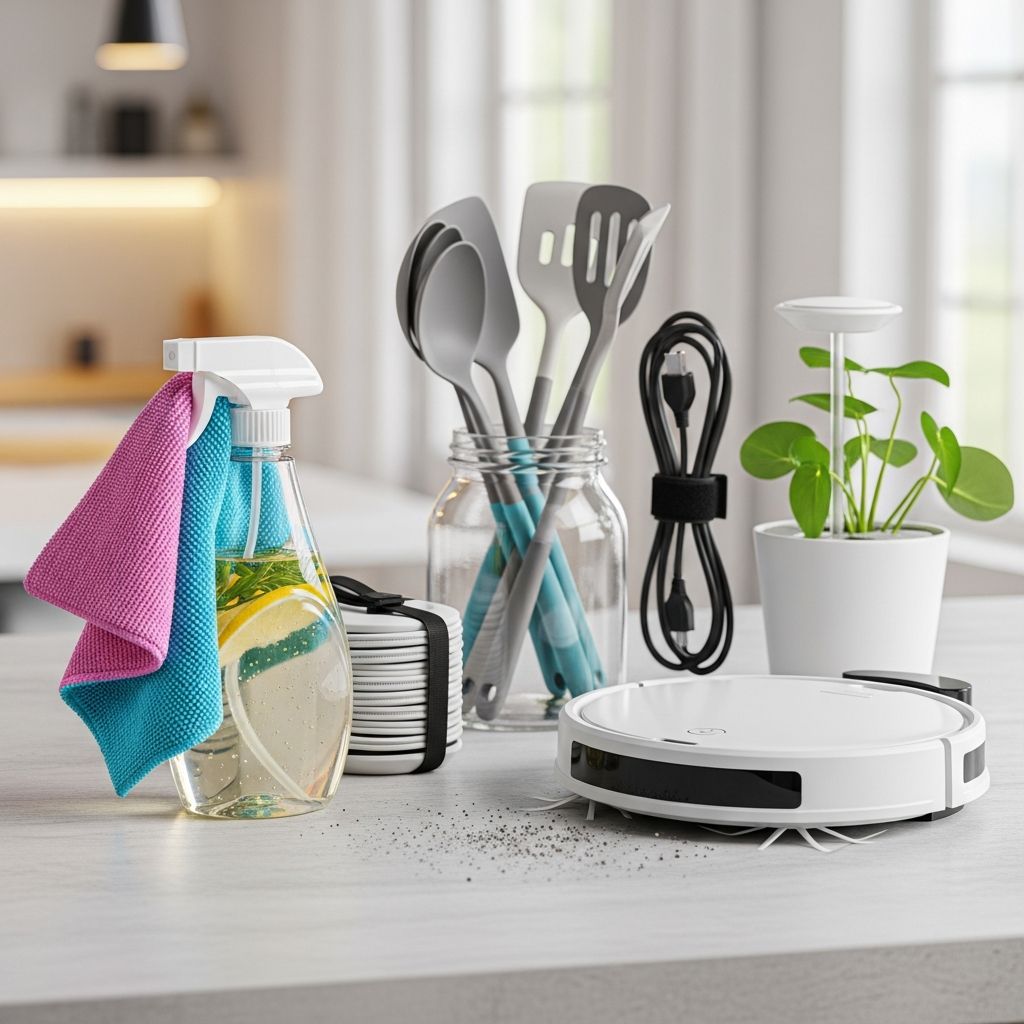
Home should feel like a refuge, not a never-ending to-do list. Yet many people spend more time fighting their space than enjoying it. This guide shares practical, creative workarounds that make everyday chores faster, lighter and less frustrating, so your home quietly supports your life instead of draining your energy.
Why Workarounds Beat Perfection
Most people delay tackling household tasks because they imagine the “perfect” way to do them: a full closet overhaul, a spotless kitchen or a color-coded garage. The problem is that perfection requires time, money and energy that everyday life rarely offers. Workarounds, on the other hand, focus on good enough, done quickly so you can see progress without burning out.
Instead of aiming for flawless systems, smart home hacks prioritize three questions: Is this easy to maintain? Does it solve the real problem? and Can I do it with what I already have? By answering yes to these, you create a home that works for your actual lifestyle, not an idealized version of it.
Five-Minute Fixes That Add Up
Most clutter and grime build up because tasks feel too big to start. Micro-habits turn that around by shrinking chores into tiny, repeatable actions. A five-minute fix will not transform your home in one day, but repeated consistently, it quietly rewrites how your space looks and functions.
- The Doorway Scan: Each time you walk from one room to another, grab one item that belongs elsewhere and drop it off as you go.
- Sink Reset: After you brush your teeth or wash your hands, quickly wipe the faucet and rim with a cloth or tissue so grime never builds up.
- Two-Item Rule: Any time you go upstairs or to another floor, take at least two items with you that belong there.
- Commercial Break Declutter: Use the length of one song or a show break to clear a single surface: coffee table, nightstand or entryway console.
These quick actions are deliberately small so you feel zero resistance to doing them. Over a week, they can replace one exhausting, hours-long cleaning session with effortless maintenance built into your routine.
Zones, Not Rooms: Rethink Organization
Traditional organizing advice tells you to conquer one whole room at a time, but room-level projects can feel huge and overwhelming. A more realistic workaround is to think in zones: specific, high-impact areas that you use daily, regardless of what room they’re in.
Common examples include a coffee zone, lunch-packing zone, charging zone and drop zone for bags and keys. When you define and optimize these zones, you address the mess where it actually starts, which usually matters more than having every storage closet photo-ready.
| Approach | Focus | Energy Required | Best For |
|---|---|---|---|
| Room-based | Entire kitchen, bedroom, garage at once | High; often a full day or weekend | Major overhauls, moving, deep resets |
| Zone-based | Specific activity: coffee station, mail area, desk surface | Low to moderate; 15–45 minutes | Busy schedules, maintenance, quick wins |
Start by choosing three zones you touch every single day, such as the entryway, the bathroom counter and wherever you set your bag when you come home. Giving these priority ensures your daily routines feel smoother long before the whole house is “done.”
Entryway Shortcuts That Stop Piles at the Door
The entryway often controls whether your home feels calm or chaotic. It’s where shoes, mail, backpacks and packages land, and if you don’t give these items a clear place to go, they spread through the rest of the house. A few simple workarounds can turn this tiny footprint into your best ally against clutter.
- Create a Landing Strip: Use a tray, shallow basket or narrow shelf near the door for keys, sunglasses and wallets so they never migrate to random surfaces.
- One Hook per Person: Install a labeled hook or peg for each household member’s everyday bag or coat to prevent mysterious chair piles.
- Shoe Containment, Not Perfection: Instead of a complex shoe rack, try a wide, low basket or bin where shoes can be tossed quickly.
- Mail in One Direction: Place a vertical sorter where incoming mail lands and keep a small recycling bin or shred bag nearby for immediate paper triage.
The goal here is not a showroom-quality foyer but a friction-free space where items are easy to drop and easy to grab. When the entry functions well, the rest of your home stays cleaner with almost no extra effort.
Kitchen Hacks for Real Life Cooking
The kitchen is both the heart and the hotspot of the home. It’s where dishes multiply, groceries get lost and tiny daily routines either save time or waste it. Instead of a complete renovation, a handful of low-effort changes can make cooking and cleanup much easier.
Rearrange for Reach, Not Aesthetics
Design your storage around how you actually move in the space. Frequently used items should live where your hand naturally goes first, even if it breaks traditional organizing “rules.” That may mean stacking everyday plates in a low drawer or keeping pans in a pull-out bin instead of hanging them.
- Keep coffee and tea supplies near the kettle or machine, not spread across the room.
- Store cutting boards upright in a magazine file or file sorter next to the prep area.
- Use a small bin in the fridge labeled “eat first” for leftovers and soon-to-expire foods.
Contain the Chaos Inside Cabinets
Most kitchen frustration comes from hunting through overstuffed cabinets. Affordable containers and simple labels can turn invisible chaos into easy-to-manage categories, even without matching, designer-worthy bins.
- Use shallow bins as “drawers” inside deep cabinets to slide out snacks, baking supplies or spices.
- Corral water bottles or travel mugs in a basket so they don’t topple over every time you grab one.
- Dedicate one shelf or bin as a kids’ self-serve zone with safe snacks and cups they can reach.
Living Room: Tidy Without Policing Everyone
The living room is where real life happens: reading, watching TV, playing, snacking and sometimes working. Expecting it to stay pristine is unrealistic, especially with children, pets or roommates. The smarter approach is to design simple systems that make cleanup fast and almost automatic.
- Basket-Based Pickup: Keep one or two attractive baskets in the room for quick sweeps of toys, magazines, remotes and random items.
- Layered Lighting, Single Storage: Place remotes, chargers and small tech items in a single lidded box on the coffee table to avoid visual clutter.
- Blanket Rules: Install hooks or a low blanket ladder so throws have a clear home when not in use.
- One Flat Surface Rule: Declare one table in the room a no-clutter zone so the space always has at least one clean visual anchor.
By focusing on containment rather than constant correction, you protect the room’s comfort while still maintaining order. Cleanup becomes a 5–10-minute routine instead of a frustrating nightly battle.
Bedroom Calm Without a Full Makeover
The bedroom often turns into a storage zone for everything that lacks a home elsewhere. That makes it harder to sleep well and harder to get dressed. Instead of waiting for the perfect wardrobe or matching furniture, a few clever workarounds can restore calm.
Surface Control Strategies
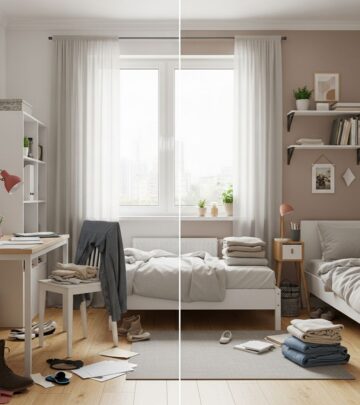
Messy nightstands and dressers create instant visual noise. The trick is to reduce how many items can land there, not just tidy them more often. Think of each surface as highly limited, prime real estate and be selective about what stays.
- Try a small tray on your nightstand to define a space for glasses, a book and lotion; if it doesn’t fit on the tray, it doesn’t live there.
- Use a shallow box or drawer organizer as a catch-all inside the top dresser drawer for jewelry, watches and pockets contents.
- Keep only one decorative item per surface to let the space breathe visually.
Clothing Workarounds for Busy Mornings
Instead of striving for a perfectly folded, color-coordinated closet, aim to make getting dressed quicker and less frustrating. Small changes can eliminate decision fatigue and pileups of half-worn clothes.
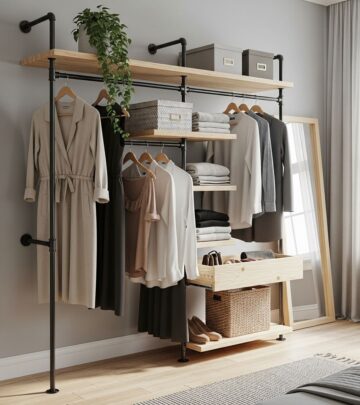
- Create a weekly outfit rail or section with a few go-to combinations ready to wear.
- Designate a single hook or bin for “wear again” items so they don’t end up on chairs or the floor.
- Store everyday items like socks and workout clothes in larger, loosely categorized bins, saving detailed folding for only a few special pieces.
Bathroom Efficiency: Small Space, Big Impact
Bathrooms collect products, towels and random personal items in tight quarters. When everything lives on the counter, the space feels chaotic, even if it’s technically clean. Smart vertical storage and daily micro-habits can transform the feel of this small but heavily used room.
- Use the Inside of Doors: Add over-the-door hooks or slim organizers on cabinet and closet doors for hair tools, cleaning supplies or spare toiletries.
- Daily Counter Reset: Keep a small, portable caddy under the sink; after getting ready, toss daily products back in and slide it away.
- Towel Rotation: Assign each person a towel color so it’s clear whose is whose, reducing excess laundry and stray damp towels.
- Backstock Box: Store extra bottles of shampoo, toothpaste and soap in a single labeled bin to avoid buying duplicates.
Because bathrooms are used many times a day, even minor improvements in product storage and counter space pay off quickly in lower stress and faster morning routines.
Hidden Helpers: Under-Bed, Closet and Vertical Storage
When you run out of obvious storage, the instinct is often to buy more furniture or plastic bins. Before doing that, look for underused real estate you already have: under beds, high shelves and empty wall sections. These spaces can handle low-access or seasonal items without eating into your living area.
- Under-Bed Drawers or Zippered Bags: Store off-season clothing, spare linens or guest bedding in flat bins that slide easily in and out.
- High Shelf Bins: Place rarely used items in labeled baskets or boxes on top closet shelves to keep them accessible but out of the way.
- Vertical Hooks and Rails: Add hooks behind doors or on blank walls for bags, hats, accessories or cleaning tools.
- Stackable Containers: Use uniform-size containers so they stack neatly, turning awkward corners into efficient storage columns.
The key to using hidden spaces well is clear labeling and grouping. If you know exactly what type of item lives in each bin, you can store things out of sight without losing track of them.
Maintenance Routines That Don’t Feel Like Work
Systems only succeed if they are easy to maintain on your worst day, not just your best. Instead of rigid cleaning schedules, think in terms of lightweight rhythms and triggers that attach themselves to routines you already have.
- Pair Chores with Existing Habits: Wipe the bathroom counter after brushing, run the dishwasher before bed, fold a small load of laundry during a favorite podcast.
- Daily 10-Minute Reset: Pick a time—after dinner, before bed, or right after work—to spend ten focused minutes returning items to their homes.
- Weekly Focus Area: Each week, choose one small area (a drawer, shelf or corner) for a mini-declutter instead of waiting for big projects.
- Use Timers Generously: Set a 5–15 minute timer to keep tasks small and avoid perfectionism; when the timer ends, you’re done for the day.
The goal is not to eliminate all mess but to prevent it from snowballing. Consistent, bite-sized maintenance makes your home feel reliably under control, even if it’s not picture-perfect.
Mindset Shifts That Make Home Care Easier
Practical hacks help, but long-term change happens when you adjust how you think about your space. Many people carry silent rules—like “a clean home means I’m on top of life”—that create shame instead of motivation. Rewriting those rules makes it easier to experiment with workarounds without guilt.
- Progress Over Polish: One cleared surface or one organized drawer counts as success, even if the rest is still messy.
- Function Over Appearances: A system that looks simple but works daily is better than a beautiful setup you can’t maintain.
- Seasons of Life Matter: Your home will look different with toddlers, pets, roommates or aging parents; adjust expectations instead of blaming yourself.
- Permission to Iterate: Treat every new system as a draft you can tweak, not a final exam you must pass.
When you see home care as an evolving partnership between your space and your life, you free yourself from perfectionism and embrace problem-solving. That mindset turns every small improvement into proof that you can shape your environment in ways that truly support you.
Frequently Asked Questions
How do I start if my home feels overwhelming?
Start with the smallest, most visible win you can finish in under 15 minutes: a single counter, a coffee table or the floor near your front door. Completing one tiny area gives you an instant sense of progress and makes it easier to keep going in short bursts instead of waiting for a free weekend.
What if other people in my home aren’t on board?
Focus on systems that require minimal cooperation: baskets for quick pickups, labeled hooks, simple drop spots for shoes and bags. Then invite others to choose their own small preferences—like where they want their hook or bin—so they feel ownership rather than feeling managed.
Do I need to buy special containers and organizers?
No. Many of the most effective workarounds use what you already have: shoeboxes, old jars, spare trays, baskets and even gift boxes. Try organizing with free or low-cost items first, then invest in specific pieces only when you’re sure a system works for you.
How can I keep surfaces from getting cluttered again?
Give every frequently used item a clear, easy home as close as possible to where it naturally lands, and limit how much can fit on any given surface. Small containment tools—like trays, bowls and boxes—create natural boundaries that make it obvious when something doesn’t belong.
Is it realistic to expect my home to stay tidy all the time?
A lived-in home will always ebb and flow between tidy and messy. The real goal is not a permanently perfect space but a reliable path back to order that doesn’t feel exhausting. When cleanup is simple and built into your routines, temporary mess stops feeling like failure and becomes just another phase in the daily rhythm of your home.
Similar Articles


Read full bio of medha deb