Small Space, Big Potential: Creative Organizing Ideas for Every Corner of Your Home
Turn tight corners and tiny rooms into stylish, efficient spaces with smart organizing strategies.
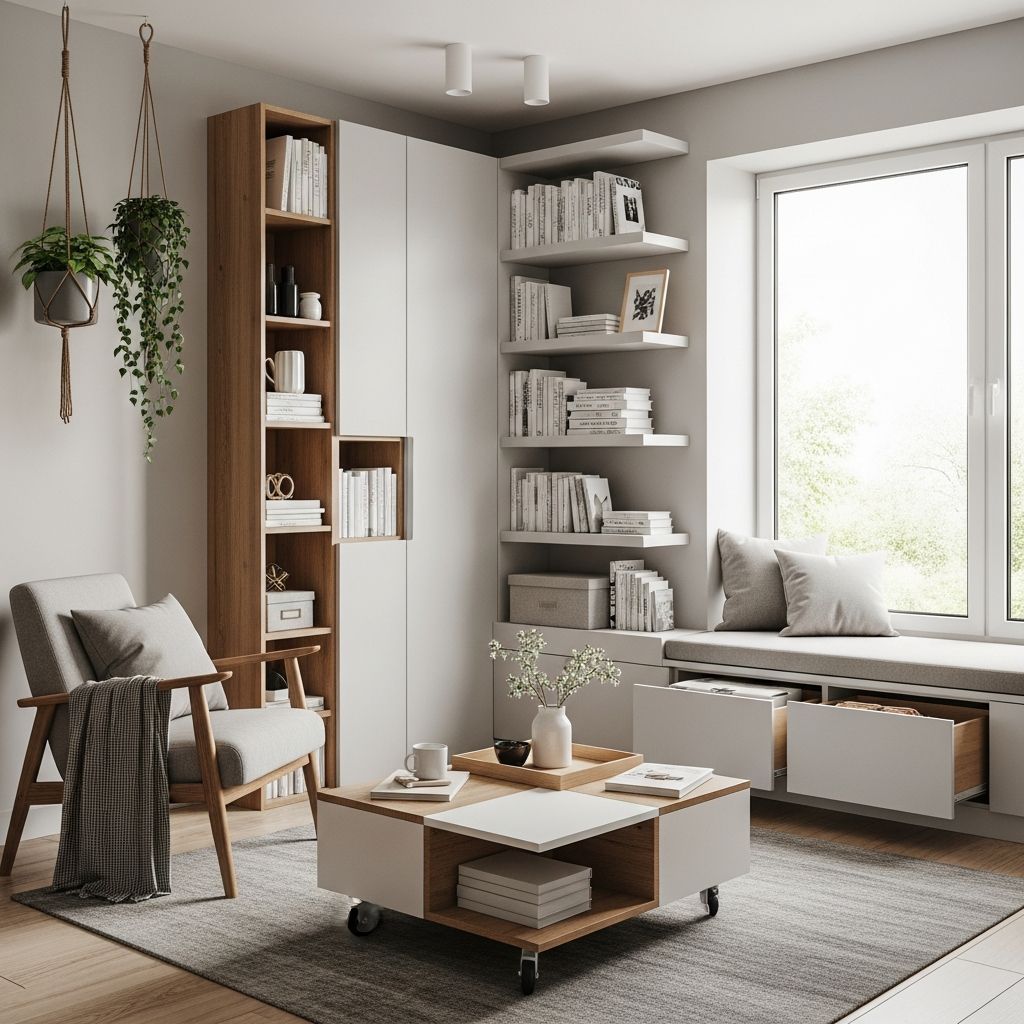
Living small does not mean living cramped. With smart organizing strategies, even the tiniest studio, condo, or compact house can feel functional, calm, and surprisingly spacious.
Why Small Spaces Feel Cluttered (And How To Fix It)
Most small homes feel crowded not because of their square footage, but because every item competes for the same limited surfaces, shelves, and closets. The key to transforming a tight space is to give every object a clear, intentional home.
By combining clever storage tools with thoughtful routines, you can reduce visual clutter, improve traffic flow, and make your home work harder for you instead of the other way around.
Design A Space-Efficient Foundation
Before buying more bins or baskets, start by shaping the overall layout of your rooms. The foundation of a well-organized small space is a floor plan that supports how you actually live.
- Prioritize movement paths: Keep walkways at least one person wide and avoid blocking doors, windows, or access to outlets.
- Choose a visual anchor: In each room, let one larger piece (a sofa, bed, or table) act as the anchor and arrange smaller items around it to avoid a scattered look.
- Limit the number of “big” pieces: One large sofa plus two chairs often feels more open than several medium pieces crammed together.
Think Vertically: Use Your Walls, Not Just Your Floors
In a small home, vertical surfaces are your best friends. Walls, the backs of doors, and the sides of cabinets can all become storage powerhouses when used thoughtfully.
- Install slim wall shelves: Shallow shelves above sofas, desks, or toilets create display and storage without taking up floor space.
- Leverage door backs: Over-the-door racks in bathrooms, bedrooms, and pantries hold shoes, toiletries, cleaning supplies, or snacks.
- Use hooks strategically: A row of hooks by the entry, in the bedroom, or inside closets holds bags, hats, robes, and frequently used accessories.
- Hang organizers inside cabinets: Utilize the inside of cabinet doors with adhesive bins or narrow racks for spices, foil, wraps, or small tools.
Sample Vertical Storage Ideas By Room
| Room | Vertical Storage Idea | Best For |
|---|---|---|
| Entryway | Wall-mounted coat rack with upper shelf | Coats, bags, baskets for keys and mail |
| Kitchen | Magnetic strip and rail system near stove | Knives, utensils, small pans, oven mitts |
| Bathroom | Over-toilet shelving unit | Towels, toilet paper, extra toiletries |
| Bedroom | Floating shelves above headboard | Books, photos, small decor items |
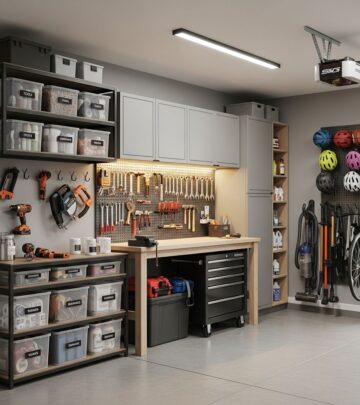
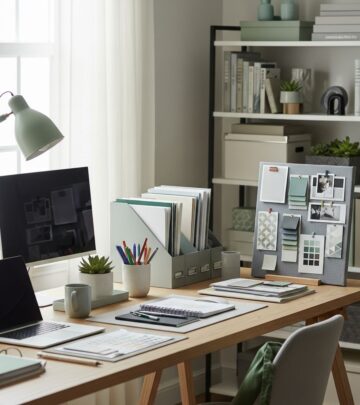
| Office Corner | Pegboard or grid panel | Supplies, cords, tools, inspiration boards |
Choose Furniture That Works Overtime
In a small space, furniture should not just look good; it should secretly store, fold, or transform. Multi-functional pieces unlock hidden capacity that traditional furniture simply cannot match.
- Storage ottomans and benches: Use them for seating, as coffee tables with trays on top, and for storing blankets, board games, or toys.
- Lift-top coffee tables: A lift-top surface doubles as a dining table or laptop desk, while the interior holds remotes, chargers, or magazines.
- Beds with drawers or lift-up bases: Store off-season clothing, spare linens, or bulky items like luggage under the mattress.
- Drop-leaf and gateleg tables: Fold them down to save space daily and open them up for guests or projects.
- Stacking stools and nesting tables: Keep them compact most of the time, then pull them out for extra seating or surfaces when entertaining.
Create Functional Zones (Even In One Room)
When a single room does everything 94like sleep, work, and dine 94clear zones keep it feeling orderly. Each zone should have a simple purpose and the basic tools to support that activity.
- Use rugs to define areas: A rug under your sofa and coffee table signals the living zone, while a smaller rug under a desk marks the work zone.
- Assign storage to each zone: Keep work files near the desk, not in the kitchen; store craft supplies next to the table where you use them.
- Visual dividers: Open shelving, folding screens, or tall plants can subtly separate sleep and work in a studio without closing off light.
- Rolling carts: A cart can be a bar for entertaining one night and a craft or office station the next, instantly moving the “zone” where you need it.
Rethink Underused Spaces
Small homes often hide untapped potential in spots that rarely cross your mind. Turning these forgotten corners into storage helps relieve pressure on closets and cabinets.
- Under the bed: Use low rolling bins, zippered fabric bags, or shallow drawers for off-season clothing, shoes, or extra bedding.
- Under sofas and chairs: If the legs are tall enough, slide slim boxes underneath for rarely used items like holiday decor.
- Above cabinets and wardrobes: Line pretty baskets or lidded boxes along the top for items you do not need daily.
- Staircases: If you have stairs, consider drawers in risers, cabinets under the slope, or a small built-in desk where head height allows.
- Hallways: Narrow wall shelves, wall-mounted shoe racks, or a mail center can turn a pass-through area into a functional zone.
Smart Kitchen Strategies For Tiny Layouts
In small kitchens, every drawer and shelf must earn its keep. Thoughtful organizing can make cooking realistic and enjoyable, even in a compact galley or kitchenette.
- Go vertical inside cabinets: Use shelf risers, stackable organizers, and under-shelf baskets to double the usable height.
- Decant and contain: Group snacks, baking items, and breakfast foods in labeled bins so you can pull out one container instead of hunting through loose packages.
- Use rails and hooks: Mount a rail near the stove for utensils, potholders, and small pans, freeing up drawer and cabinet space.
- Magnetic storage: Attach magnetic strips or spice racks to the side of the fridge to hold spices, knives, or small jars.
- Foldaway or wall-mounted tables: A drop-leaf counter or wall desk can expand prep space when cooking and fold flat when not in use.
Bathroom Organization When Storage Is Scarce
Bathrooms in small homes often lack both counter space and cabinets. The trick is to give each person a defined set of storage and keep only daily essentials accessible.
- Add over-the-toilet storage: A narrow shelf or cabinet takes advantage of vertical wall space without blocking movement.
- Corral products by category: Use drawer dividers or small bins for skincare, hair tools, dental items, and first-aid supplies.
- Use shower organizers smartly: Install shelves, caddies, or a tension pole to store shampoo, soap, and razors, leaving edges of the tub clutter-free.
- Personal caddies for shared spaces: If you share a bathroom, assign each person a labeled basket or caddy to store and grab their daily items quickly.
Make Bedrooms Calm, Not Crowded
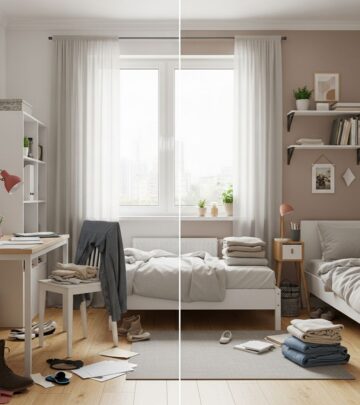
Bedrooms in small spaces often double as offices, dressing rooms, or storage closets. A peaceful feel comes from reducing visual noise and keeping only what truly belongs.
- Limit surfaces: Use one streamlined nightstand with drawers rather than multiple small tables that collect clutter.
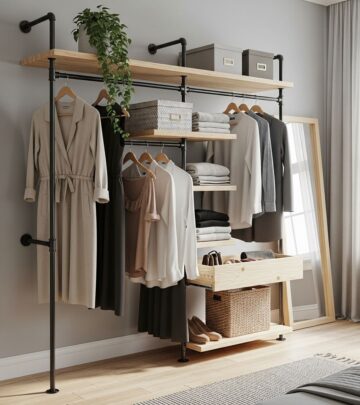
- Invest in the closet: Add extra rods, hanging shelves, and slim hangers to fit more clothing without stuffing the space.
- Consider wall-mounted lighting: Mount sconces or plug-in lamps to free up nightstand surfaces.
- Use the foot of the bed: A storage bench can hold linens or out-of-season shoes while providing seating.
Decluttering: The Secret Weapon Of Small Space Living
Even the smartest storage cannot compensate for too much stuff. Regular decluttering is essential when every drawer and shelf is visible and heavily used.
- Follow the “one in, one out” rule: When a new item comes into your home, let one similar item go.
- Declutter in micro-sessions: Set a 10–15 minute timer to tackle one drawer, shelf, or box at a time.
- Prioritize high-impact zones: Focus first on surfaces you see constantly 94countertops, coffee tables, entryway consoles.
- Keep a donation basket handy: Maintain a dedicated bin or bag where you can immediately place items you no longer need.
Labeling, Containers, And Visual Calm
Containers and labels do more than look pretty in photos. They make maintenance easier by telling everyone in the household where things live and where they should return.
- Use matching containers where possible: Consistent bins, baskets, or jars create a calmer visual effect, even if they hold random items.
- Label clearly and simply: Use words that make sense immediately, like “Snacks,” “Cables,” or “Cleaning Cloths.”
- Choose see-through when helpful: Clear bins work well for kids’ toys and pantry goods, while opaque baskets hide visual clutter for cables or paper.
- Do not overfill: Leave a little breathing room in each container to make it easy to put things away.
Renter-Friendly And Budget-Conscious Tips
Organizing a small space does not require permanent renovations or expensive custom systems. Many high-impact changes are removable, affordable, and landlord-friendly.
- Use removable hooks and strips: Hang art, organizers, or small shelves without drilling into walls.
- Opt for freestanding shelves: Bookcases, ladder shelves, and storage cubes can be rearranged or taken with you when you move.
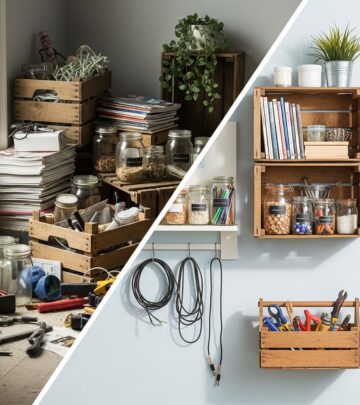
- Repurpose simple items: Mason jars, shoe boxes, and leftover containers can corral office supplies, craft tools, or bathroom essentials.
- Shop secondhand: Thrift stores and online marketplaces are great sources for solid wood furniture that can be repainted or reused with new hardware.
Simple Maintenance Habits That Keep Clutter Away
Even the best organizing system will fail without daily habits to support it. Fortunately, small spaces are faster to tidy if you stay consistent.
- 5-minute reset at night: Spend a few minutes putting items back in their homes before bed so mornings start fresh.
- Contain paper immediately: Use a mail tray or file folder for incoming documents and schedule regular times to sort and shred.
- Practice surface discipline: Decide which surfaces must stay clear (like the dining table or desk) and reset them daily.
- Involve everyone: Assign age-appropriate tasks to kids and roommates so responsibility is shared.
FAQs About Organizing Small Spaces
How do I start organizing when my small space feels overwhelming?
Begin with one contained area, such as a single drawer or one shelf, instead of trying to tackle the entire home at once. Remove everything, sort items into keep/donate/trash groups, and only put back what you use and love, giving each item a specific home.
What should I get rid of first in a tiny home?
Start with duplicates and low-value items like extra kitchen gadgets, worn-out linens, and clothes that no longer fit or match your current lifestyle. Clearing these easy categories quickly frees space and builds momentum for tougher decisions later.
How can I create storage if I do not have many closets?
Use freestanding wardrobes, shelving units, and under-bed storage to mimic the function of closets. Add hooks, rails, and over-the-door organizers to capture vertical zones that would otherwise be unused.
How do I keep my small space from looking cluttered even when it is organized?
Limit the number of items displayed on open surfaces and favor closed storage for anything visually busy. Choose a cohesive color palette for furniture and containers so the eye reads the room as calm and continuous rather than choppy.
Can small spaces still be stylish while being highly organized?
Absolutely. Choose storage pieces that match your decor style 94woven baskets for a natural look, sleek bins for modern spaces, or vintage crates for a more eclectic vibe. When your storage complements your style, organization becomes part of your design rather than something you hide.
Organizing a small space is less about strict minimalism and more about intentional choices. When every item has a purpose, a home, and a simple routine attached to it, even the smallest home can feel open, welcoming, and truly yours.
Similar Articles


Read full bio of medha deb