Sparkling Spaces: Creative Ways to Clean With Baking Soda
Transform one simple pantry staple into your most versatile, eco-friendly cleaning ally.
Cleaning With Baking Soda: A Complete Home Guide
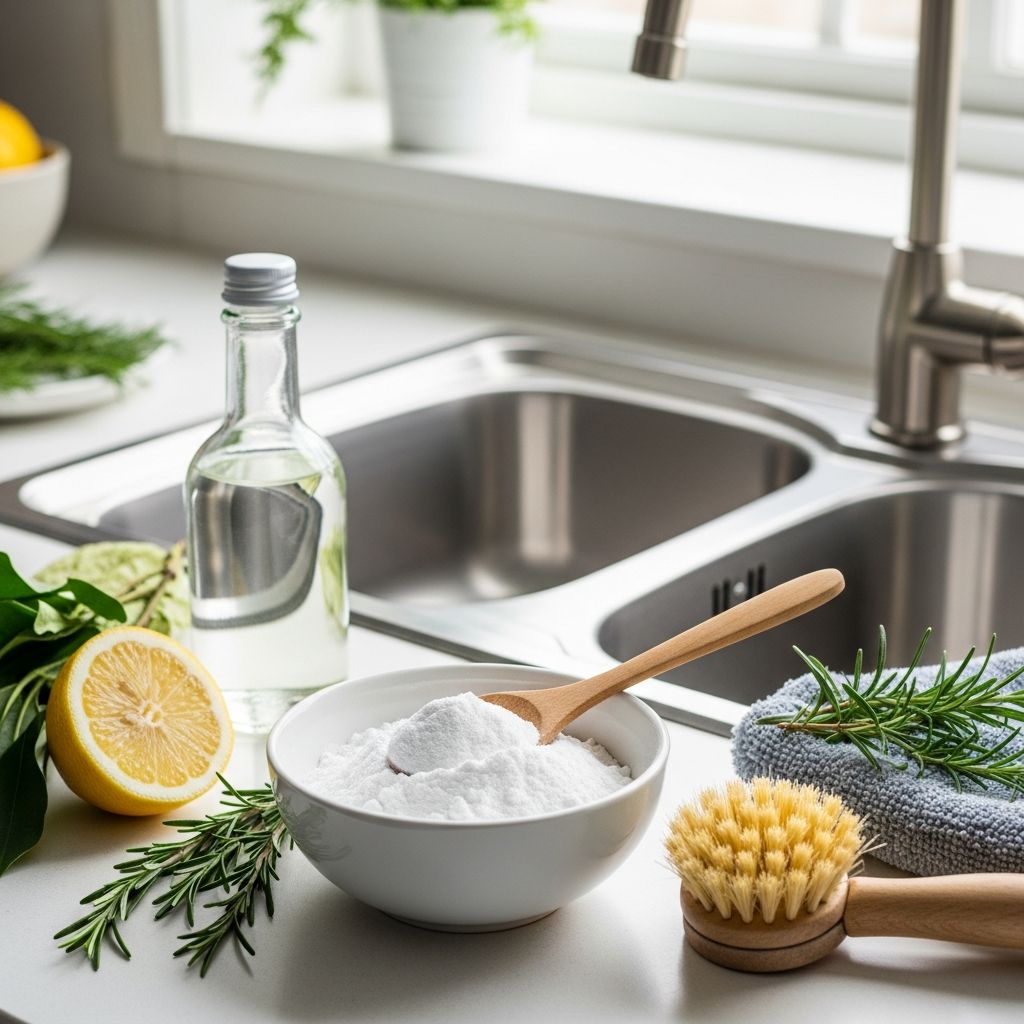
Baking soda is one of the most powerful and affordable cleaning helpers hiding in plain sight in your pantry. This mild, non-toxic powder cuts through grime, neutralizes odors, and gently scrubs surfaces without the harsh fumes or residues of many conventional cleaners.
Below is a practical, SEO-optimized guide that shows how to use baking soda throughout your home, when it works best, when to skip it, and how to pair it safely with other simple ingredients for truly sparkling results.
Why Baking Soda Belongs in Every Cleaning Caddy
Baking soda, or sodium bicarbonate, is a naturally alkaline substance that helps break down dirt and grease while neutralizing acidic odors. Its fine, gritty texture also provides gentle abrasion, making it ideal for scrubbing without deeply scratching most hard surfaces.
Because it is inexpensive, widely available, and non-toxic when used correctly, baking soda is a strong choice for anyone looking to reduce chemical exposure, support a more eco-conscious home, or simply simplify their cleaning routine with one do-it-all ingredient.
Basic Rules for Cleaning Safely With Baking Soda
Before diving into specific rooms and tasks, it helps to understand a few general guidelines. Following these principles will keep surfaces safe and prevent wasted effort or unwanted reactions with other cleaning products.
- Test first on hidden areas. Even gentle cleaners can react with finishes. Dab a paste on an inconspicuous spot, wait a few minutes, then rinse and check for dulling or discoloration.
- Never mix with strong acids or chlorine bleach. While small amounts of vinegar and baking soda are safe together, combining baking soda with bleach or strong acids can release irritating gases.
- Avoid use on delicate finishes. Glossy wood, high-shine stone, and some metals can be etched or dulled by abrasives. Use a soft cloth and very light pressure or choose a different cleaner for these surfaces.
- Rinse thoroughly. Baking soda residue can look cloudy on glass or stainless steel if not fully wiped and rinsed away.
Kitchen Cleaning: Degrease, Deodorize, and Refresh
The kitchen is where baking soda truly shines. From greasy stovetops to funky drains, it tackles stubborn residues and lingering food smells with ease.
Stovetops and Ovens
Skip harsh oven sprays and instead use baking soda as a powerful yet gentle degreaser.
- Sprinkle baking soda generously over cool, greasy surfaces.
- Mist with water until it forms a damp layer (not runny).
- Let it sit for 15–30 minutes so the alkaline powder can break down baked-on residue.
- Scrub with a non-scratch pad or cloth, then wipe clean with warm water.
Sinks and Garbage Disposals
Food odors love to linger in drains and disposals, but baking soda quickly neutralizes them while helping to loosen grime.
- Pour 1/2 cup of baking soda down the drain, followed by a slow stream of hot water.
- For deeper deodorizing, add 1/2 cup of white vinegar after the baking soda, let it foam for 5–10 minutes, then flush with hot water.
- For stainless steel sinks, sprinkle baking soda, scrub gently with a damp sponge, and rinse for a scratch-free shine.
Refrigerators and Food Storage Areas
Baking soda absorbs unwanted odors without adding any scent of its own, making it ideal for areas where food is stored.
- Keep an open box or a small bowl filled with baking soda on a refrigerator shelf; replace every 1–3 months.
- To clean interior surfaces, mix a tablespoon of baking soda in a cup of warm water and wipe down shelves, walls, and drawers.
- For stained plastic containers, make a paste with baking soda and water, apply to stains, let sit 15 minutes, then scrub and rinse.
Bathroom Cleaning: Soap Scum, Grout, and Fresh Air
Bathrooms collect moisture, soap residue, and minerals that can be tough to remove. Baking soda cuts through buildup while keeping air fresher without synthetic fragrances.
Showers, Tubs, and Tiles
Soap scum is slightly acidic and sticky, making it a perfect target for the alkaline, mildly abrasive nature of baking soda.
- Wet the tub or tile walls with warm water.
- Sprinkle baking soda directly onto a damp sponge or over the wet surfaces.
- Scrub in circular motions, paying extra attention to dull or rough patches.
- Rinse thoroughly and buff with a dry microfiber cloth to prevent water spots.
Grout and Tough Spots
Grout lines and textured surfaces often hang on to grime. A targeted baking soda paste helps lift stains without harsh chemicals.
- Make a thick paste with baking soda and a little water.
- Apply with an old toothbrush directly onto stained grout lines.
- Let it sit for 10–20 minutes, then scrub and rinse.
- Repeat weekly on problem areas to prevent build-up from returning.
Toilets and Bathroom Odors
Toilet bowls and surrounding areas can trap odors and residue. Baking soda works both as a cleaner and a deodorizer.
- Sprinkle 1/4–1/2 cup of baking soda into the bowl, scrub with a toilet brush, and flush.
- For extra cleaning power, follow the baking soda with a small amount of distilled white vinegar, let the foam sit, then scrub and flush.
- Place a small open jar of baking soda behind the toilet or under the sink to absorb persistent odors.
Laundry Room: Fresher Fabrics and Cleaner Machines
Baking soda does more than clean hard surfaces; it also boosts detergents, softens fabrics, and helps neutralize stale or musty clothing odors.
Laundry Booster and Deodorizer
When added directly to the wash, baking soda can support your regular detergent and help balance water pH, leading to fresher-smelling clothes.
- Add 1/4–1/2 cup of baking soda to the wash cycle along with your usual detergent.
- Use with towels, workout gear, or bedding that tends to hold on to smells.
- For heavily soiled items, pre-soak in warm water with 1/2 cup of baking soda for 30–60 minutes before washing.
Cleaning the Washer and Hamper
Front-load washers and laundry baskets can develop musty odors over time. Baking soda helps manage moisture and smell without overpowering fragrances.
- Once a month, run an empty hot cycle with 1 cup of baking soda sprinkled directly into the drum.
- Sprinkle a light layer of baking soda in the bottom of a laundry hamper to absorb odor between loads.
- Wipe the hamper periodically with a damp cloth and a teaspoon of baking soda dissolved in water.
Living Areas: Carpets, Upholstery, and Everyday Odors
Living rooms, bedrooms, and entryways collect dust, pet smells, and general household odors. Baking soda is especially useful anywhere fabrics or soft surfaces are involved.
Carpet and Rug Deodorizing
Instead of masking smells with heavy perfumes, baking soda helps neutralize the source of common carpet odors.
- Vacuum the carpet thoroughly to remove loose dirt.
- Sprinkle a thin, even layer of baking soda over the area (use a sieve or shaker for better coverage).
- Let it sit for at least 15–30 minutes; for deeper odors, leave it overnight.
- Vacuum slowly to lift the baking soda and trapped odors from the fibers.
Sofas, Mattresses, and Fabric Surfaces
Upholstered furniture, cushions, and mattresses absorb skin oils, sweat, and everyday smells. Baking soda freshens them with minimal effort.
- Lightly sprinkle baking soda on mattresses, sofas, cushions, and fabric headboards.
- Allow it to rest for 30–60 minutes to absorb odors.
- Vacuum using an upholstery attachment to remove the powder and trapped particulates.
Shoe and Closet Freshening
Enclosed spaces like closets and shoes are prime spots for stale air. Baking soda works as a simple, low-cost deodorizer.
- Place a small open container of baking soda on a closet shelf to help manage moisture and smells.
- For shoes, sprinkle a teaspoon of baking soda inside each shoe, shake it around, and empty before wearing.
- To avoid powder residue, fill breathable fabric sachets or old socks with baking soda and tuck them into shoes or drawers.
Pet-Friendly Cleaning With Baking Soda
For homes with pets, baking soda can be a valuable ally. It helps neutralize pet odors and clean up messes while avoiding many harsh chemicals that may be irritating to animals.
- Litter box deodorizing: Sprinkle a light layer of baking soda at the bottom of a clean, dry litter box before adding litter to help control odor.
- Accident cleanups: Blot liquids, sprinkle baking soda on the damp area, let dry fully, then vacuum to remove odor and some staining.
- Pet bedding refresh: Shake baking soda onto pet beds, allow it to sit for 15–30 minutes, then vacuum away.
Always keep bulk containers of baking soda out of reach of curious pets, and avoid applying large quantities directly to fur or skin without guidance from a veterinarian.
Quick Reference: Common Baking Soda Cleaning Uses
The table below summarizes several popular uses of baking soda around the home, along with basic methods and cautions. Use it as a fast reference when building your cleaning routine.
| Area | Primary Purpose | How to Use | Key Caution |
|---|---|---|---|
| Kitchen stovetop/oven | Degreasing baked-on residue | Sprinkle, dampen, let sit, then scrub and rinse | Avoid scrubbing aggressively on delicate finishes |
| Sinks and drains | Deodorizing and mild cleaning | Pour baking soda, then hot water; optionally follow with mild vinegar | Do not mix with chlorine bleach products |
| Bathroom tile and grout | Removing soap scum and light stains | Apply paste, let rest, scrub, and rinse well | Test on colored grout for fading before full use |
| Laundry | Boosting detergent and neutralizing odors | Add 1/4–1/2 cup to wash cycle or pre-soak | Check care labels, especially for delicate fabrics |
| Carpets and upholstery | Freshening soft surfaces | Sprinkle, wait 15–60 minutes, vacuum thoroughly | Spot-test on dark or delicate fabrics first |
| Refrigerator and freezer | Odor absorption | Keep an open container inside and replace regularly | Discard used baking soda; do not reuse for cooking |
Eco-Conscious Tips for Using Baking Soda
Using baking soda as a cleaner already reduces reliance on many synthetic chemicals, but a few extra steps can make your routine even more sustainable. Simple changes in storage, tools, and habits can significantly cut waste.
- Store baking soda in reusable glass jars or tins rather than relying on multiple small cardboard boxes.
- Pair it with washable cloths, sponges, and brushes instead of disposable wipes or paper towels.
- Use only as much as needed; a light sprinkle is often enough for most tasks.
- Label jars clearly so it is not confused with other powders and to note when it was opened.
Frequently Asked Questions About Cleaning With Baking Soda
1. Is baking soda safe on all surfaces?
Baking soda is gentle compared to many cleaners, but it is still mildly abrasive and alkaline. It is usually safe on stainless steel, ceramic, hard plastic, and many tiles when used with a soft cloth and light pressure, but it can dull glossy finishes, soft metals, and some natural stones.
Always test in a hidden spot first and avoid scrubbing sensitive surfaces such as polished marble, lacquered wood, or high-gloss plastics unless a manufacturer specifically states they are compatible.
2. Can baking soda scratch stainless steel?
Used gently with a soft sponge, baking soda is generally safe on most stainless steel sinks, pots, and appliances. Problems usually arise when a rough scrubbing pad or heavy pressure is combined with the abrasive powder.
To reduce risk, wipe in the direction of the metal grain and rinse thoroughly. If you are concerned about a brushed or mirrored finish, test a small area first and compare it in good light.
3. Is it okay to mix baking soda with vinegar?
Yes, mixing baking soda with diluted vinegar is usually safe and popular for drain maintenance and some cleaning jobs. The fizzing you see comes from a neutralization reaction that can help lift grime and loosen debris.
However, once fully reacted, the solution becomes closer to neutral, so it is not stronger than either ingredient alone. For maximum effect, apply baking soda and vinegar in stages (for example, baking soda first, then vinegar, then a pause, then rinsing) instead of premixing large amounts in a bottle.
4. How long does baking soda keep working as a deodorizer?
Baking soda gradually absorbs and neutralizes acids in the air or on surfaces. In enclosed spaces like refrigerators, it is practical to replace open containers every 1–3 months, or sooner if strong odors are present.
If you notice smells returning even with baking soda present, it may be time to discard the old contents, give the area a thorough cleaning, and set out a fresh batch.
5. Can I reuse baking soda after it absorbs odors?
Once baking soda has been used for deodorizing or cleaning, it is best not to reuse it for cooking or personal care. The powder will have absorbed odors, oils, and moisture that change its quality.
Instead, dispose of it or, if still fairly clean and dry, you can sometimes repurpose it for low-stakes tasks like scrubbing outdoor furniture or freshening trash cans before finally discarding.
6. Does baking soda kill germs?
Baking soda is excellent at cleaning and deodorizing, but it is not a broad-spectrum disinfectant. It can help remove some microorganisms simply by lifting dirt and grime from surfaces, but it should not be relied upon when strong disinfection is required.
In situations where sanitation is critical, use a product specifically labeled as a disinfectant according to the manufacturer’s directions, and reserve baking soda for its strengths in scrubbing and odor control.
Building a Simple, Baking-Soda-Based Cleaning Routine
To get the most value from baking soda, incorporate it into a consistent weekly and monthly schedule rather than using it only for emergencies. A regular routine prevents buildup and keeps odors from taking hold.
- Weekly: Deodorize carpets and upholstery, refresh pet bedding, clean sinks and bathroom surfaces with a light baking soda scrub.
- Biweekly: Boost a couple of laundry loads with baking soda, wipe refrigerator interiors with a mild solution, and sprinkle drains before hot water flushing.
- Monthly: Replace fridge deodorizing containers, clean the washing machine drum with a baking soda cycle, and deep-clean grout or heavily used areas.
By making baking soda a regular part of your cleaning system, you can maintain a fresh, healthy home with fewer bottles under the sink, less exposure to harsh chemicals, and a more streamlined, budget-friendly approach to everyday chores.
Similar Articles



Read full bio of Sneha Tete