Dogwood Trees From Seed: A Complete Step-By-Step Guide
Unlock the secrets to successfully growing stunning dogwood trees from seeds with our detailed, step-by-step guide for beginners and seasoned gardeners alike.
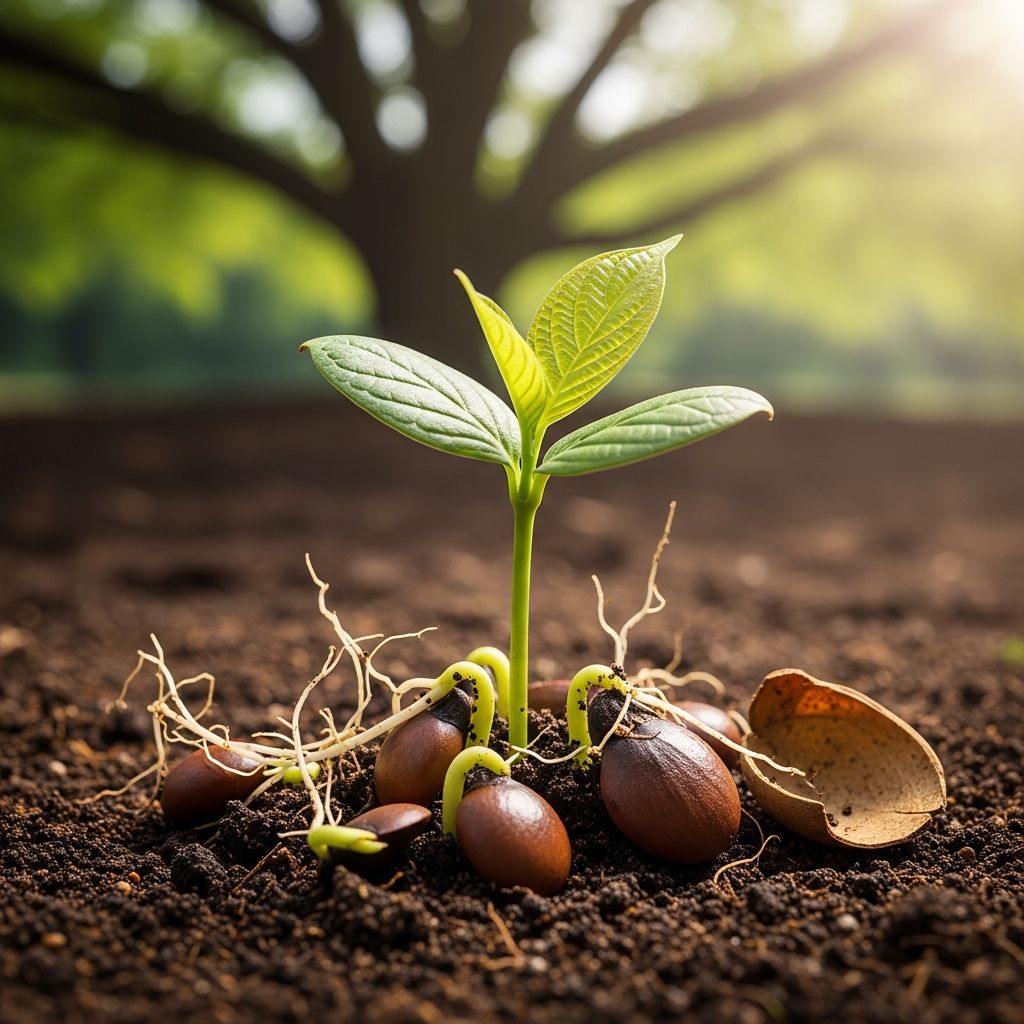
Cultivating Dogwood Trees from Seeds: A Complete Guide
Dogwood trees, prized for their vibrant spring blooms, striking fall foliage, and elegant winter structure, can be grown from seeds with patience and proper technique. Native to many regions of North America, these understory trees thrive in shaded woodland environments but adapt well to home landscapes when propagated correctly. This guide provides an original, in-depth exploration of the process, drawing on proven horticultural practices to help you achieve high germination rates and healthy saplings.
Understanding Dogwood Trees and Their Appeal
Dogwoods belong to the genus Cornus, with popular species like Cornus florida (flowering dogwood) and Cornus kousa (Kousa dogwood) known for their ornamental value. Flowering dogwoods produce showy white or pink bracts in spring, followed by red berry-like drupes that attract birds. Kousa varieties offer strawberry-shaped fruits and resistance to common diseases. Growing from seed allows you to cultivate genetically diverse trees suited to local conditions, unlike cloned nursery stock which may not ‘come true’ for colored bracts.
These trees prefer moist, well-drained acidic soils and partial shade, mimicking their natural forest floor habitat. Mature heights range from 15-30 feet, making them ideal for small yards or as specimen plants. Seed propagation connects gardeners to wild ecosystems, fostering biodiversity in home settings.
Timing Your Seed Collection for Success
The key to viable seeds lies in precise timing. In southern U.S. regions, harvest drupes in late October when the outer flesh ripens to bright red. Northern areas extend collection to November, allowing full maturity before frost. Delaying risks bird predation, as wildlife eagerly consumes these nutrient-rich fruits.
Locate healthy native or established dogwoods in wooded edges or parks. Select trees with vigorous growth and disease-free foliage to ensure strong genetics. Collect clusters of drupes as they naturally drop, filling buckets or bags without stripping branches to avoid stressing the parent tree. Aim for 100-200 drupes per desired sapling, accounting for variable germination rates of 30-70% under optimal conditions.
Preparing Seeds: Removing Pulp and Testing Viability
Fresh drupes encase hard seeds in sticky pulp that inhibits germination by harboring fungi and blocking water uptake. Begin preparation immediately to prevent rot.
- Soak drupes in a bucket of room-temperature water for 1-3 days, agitating daily. Non-viable seeds float; discard them and skim debris.
- Mash softened pulp by hand or through a fine mesh screen, rinsing repeatedly until clean seeds settle at the bottom.
- Optional scarification: For stubborn coats, soak overnight in hot water (not boiling) or lightly file the seed tip to permit moisture entry, boosting germination by up to 50% in some trials.
Dry cleaned seeds on newspaper for 24 hours in a shaded, ventilated area. Viable seeds are hard, oval, and coffee-colored, approximately 1/4-1/2 inch long. This labor-intensive step, though messy, dramatically improves success rates compared to planting intact drupes.
Stratification: Mimicking Winter for Germination
Dogwood seeds require cold, moist stratification to break dormancy, simulating natural overwintering. This 90-120 day process softens the impermeable seed coat and activates the embryo.
Method 1: Outdoor Stratification (Natural Approach)
Sow prepared seeds in fall into outdoor beds or flats for winter exposure. This aligns with nature, where seeds overwinter under leaf litter.
Method 2: Refrigerator Stratification (Controlled Approach)
For precise control, mix seeds with damp potting soil or peat moss in zip-top bags. Poke holes for air circulation, seal, and refrigerate at 34-41°F (1-5°C). Check weekly for mold; discard affected seeds. Begin 120 days before your last frost date.
| Method | Duration | Pros | Cons |
|---|---|---|---|
| Outdoor | 3-4 months | Low effort; natural microbes | Rodent risk; weather dependent |
| Refrigerator | 90-120 days | Pest-free; consistent | Space required; mold monitoring |
Post-stratification, roots may emerge; handle gently during planting.
Planting Stratified Seeds: Optimal Setup
Plant in spring after danger of hard frost passes. Use well-draining, acidic potting mix (pH 5.5-6.5) amended with pine bark or compost.
- Fill trays or pots to the brim; scatter seeds densely on surface.
- Press seeds 1/4-1/2 inch deep, spacing 1 inch apart in rows 6 inches apart for beds.
- Top with 1/4 inch fine soil or pine straw mulch to retain moisture.
- Water gently to settle medium; cover with clear plastic dome until germination (2 weeks to 3 months).
Place in bright, indirect light at 65-75°F (18-24°C). Warm, slightly drying cycles encourage sprouting. Protect outdoor beds with wire mesh against squirrels.
Caring for Emerging Seedlings
Seedlings appear fragile with thin stems and cotyledons. Provide consistent moisture without waterlogging—aim for soil drying slightly between waterings. Fertilize sparingly with diluted balanced liquid feed (e.g., 10-10-10) after true leaves form.
Thin crowded seedlings to 4-6 inches apart, prioritizing sturdy stems. Harden off gradually before full sun exposure. Expect 1-2 feet of first-year growth under ideal conditions. Watch for damping-off fungus; ensure good airflow.
Transplanting and Long-Term Cultivation
Pot up rooted seedlings into 4-inch containers after 4-6 leaves develop. Use deep pots to accommodate taproots. Overwinter in a cold frame or unheated hoop house.
Plant out after 1-2 years at 15-20 feet spacing in partial shade. Amend soil with organic matter; mulch 2-3 inches deep, keeping away from trunks. Water deeply weekly for the first season; established trees tolerate drought better. Prune minimally to shape young trees.
Dogwoods mature in 5-10 years, blooming reliably from seed-grown stock under optimal care. Common challenges include anthracnose (avoid overhead watering) and borers (maintain vigor).
Troubleshooting Common Issues
- No Germination: Insufficient stratification or pulp residue. Retry with scarified seeds.
- Weak Seedlings: Overwatering or poor light. Improve drainage and positioning.
- Pest Damage: Use screens; companion plant with alliums.
Benefits of Homegrown Dogwoods
Beyond aesthetics, seed-grown dogwoods support pollinators and wildlife. Their berries feed songbirds, while blooms attract bees. Diverse genetics enhance resilience to pests and climate shifts.
Frequently Asked Questions (FAQs)
Can all dogwood varieties grow true from seed?
No; cultivars like pink-flowering types often revert to white. Use for species dogwoods.
How long until my seed-grown dogwood blooms?
Typically 3-7 years, depending on species and care.
What’s the ideal soil pH for dogwoods?
5.5-6.5; test and amend with sulfur if needed.
Do I need to scarify seeds?
Recommended for faster germination, especially Kousa types.
Can I grow dogwoods indoors initially?
Short-term yes, but transplant outdoors for best health.
References
- Dogwood Seed Germination – Growing A Dogwood Tree From Seed — Gardening Know How. 2023-10-15. https://www.gardeningknowhow.com/ornamental/trees/dogwood/dogwood-seed-growing.htm
- Growing Dogwood Seeds — Roger’s Backyard Nursery. 2022-05-20. https://rogersbackyardnursery.com/growing-dogwood-seeds/
- Growing Pink Dogwood from Seed — Mike’s Backyard Nursery. 2014-03-01. https://mikesbackyardnursery.com/2014/03/growing-pink-dogwood-from-seed/
- Growing Dogwoods — University of Georgia CAES Field Report. 2021-11-10. https://fieldreport.caes.uga.edu/publications/C900/growing-dogwoods/
- Seed Propagation of Cornus florida — Scott Arboretum. 2023-09-05. https://www.scottarboretum.org/seed-propagation-cornus/
Similar Articles







Read full bio of medha deb