Cultivating Worms For Fishing Bait: 3 Best Species To Start
Master the art of breeding live bait at home to enhance your angling success with fresh, plump worms year-round.
Cultivating Worms for Fishing Bait
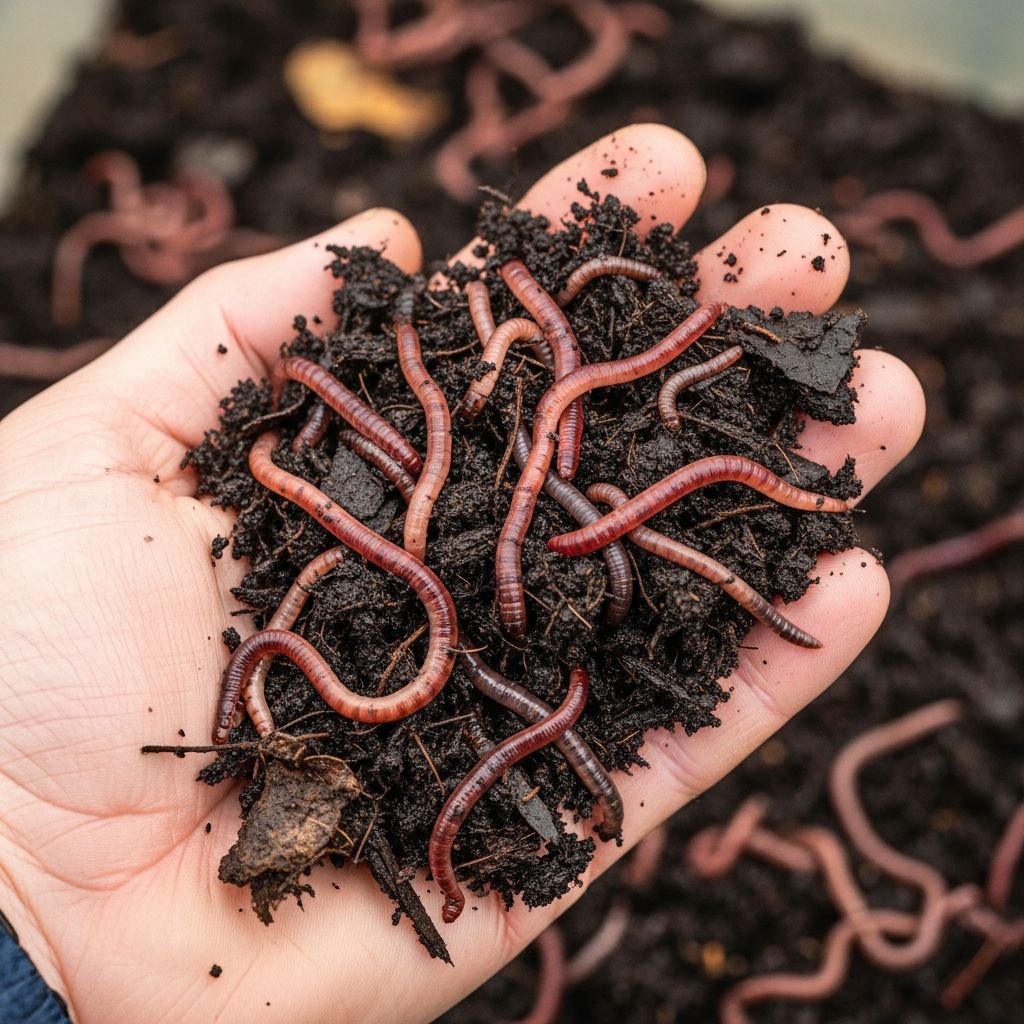
Breeding your own worms for fishing provides a reliable source of fresh, active bait that can significantly improve your success on the water. Anglers often turn to home worm farms to avoid the inconsistencies of store-bought options, ensuring plump, vigorous worms ready for hooks. This practice not only cuts costs but also yields nutrient-rich castings for gardening.
Why Raise Your Own Fishing Worms?
Homegrown worms stay fresher longer than commercial bait, remaining lively underwater to attract more fish. Species like red wigglers wiggle enticingly, drawing strikes, while larger nightcrawlers offer easy hooking and visibility. Beyond bait, worm farming produces vermicompost, a superior fertilizer sold for extra income.
Starting small requires minimal investment, with worms doubling populations every 45 days under ideal conditions. This sustainability appeals to eco-conscious anglers reducing reliance on wild-harvested bait.
Selecting the Best Worm Species for Bait
Choose worms based on fishing needs, climate, and farm goals. Here’s a comparison:
| Species | Size | Best For | Temp Range (°F) | Reproduction Rate |
|---|---|---|---|---|
| Red Wigglers (Eisenia fetida) | 3-4 inches | Composting & active bait | 55-77 | 100 babies in 11 weeks |
| European Nightcrawlers (Eisenia hortensis) | Larger, up to 6 inches | Fishing bait & composting | 50-80 | Rapid, similar to wigglers |
| African Nightcrawlers | Very large | Tropical bait | 70-85 | Fast breeders |
Red wigglers excel for beginners due to hardiness and dual-purpose use. European nightcrawlers grow bigger for easier handling on hooks. Start with 200-500 worms per square foot for optimal growth. Source from reputable bait shops or farms to ensure healthy stock.
Building an Effective Worm Habitat
A proper bin mimics natural conditions: moist, dark, and aerated. Use plastic totes, wooden crates, or flow-through systems for larger operations.
- Container Prep: Drill 1/8-inch holes in sides and lid for ventilation. Elevate on bricks to prevent flooding.
- Bedding Materials: Shredded cardboard, newspaper (unprinted), coconut coir, or aged manure. Aim for 6-8 inches deep.
- Moisture Level: Like a wrung-out sponge—squeeze releases a few drops. Add water gradually.
- Location: Shaded outdoor spot or garage at 55-77°F. Avoid direct sun or freezing.
For multi-bin systems, label trays by feeding cycles to stagger harvests. Initial setup costs under $50 for a basic farm serving weekly fishing trips.
Optimal Feeding Strategies for Plump Bait Worms
Feed frequently to fatten worms, targeting twice-weekly additions. Overfeed slightly to prevent bedding consumption.
Fattening Foods
- Rabbit manure or chicken mash for protein.
- Cornmeal, wheat bran, rice bran for carbs.
- Powdered milk or Purina Worm Chow for calcium and bulk.
Custom mix: 50% grains, 30% manure, 20% dairy. Bury food under bedding to avoid pests. Rotate with veggies like pumpkin or melons for variety. Monitor: uneaten food signals overfeeding; thin worms mean underfeeding.
Bedding as Feed
Recipe for enriched bedding:
- Mix 40% coir, 30% peat, 20% cornmeal, 10% crushed eggshells.
- Add water to sponge consistency.
- Cure 1 week before adding worms.
This boosts reproduction and size for superior bait.
Maintaining Ideal Conditions for Breeding
Worms thrive at pH 6-7, checked with strips. Temperature stability prevents escape or death.
- Watering: Mist weekly; 1 cup per square foot if dry.
- Aeration: Fluff bedding bi-weekly.
- Pest Control: No citrus, meat, or oils. Fruit flies? Add dry bedding layer.
- Monitoring: Use compost thermometer; harvest if over 80°F.
Low density (200 worms/bin) accelerates growth cycles. Expect doubling in 45 days.
Harvesting and Storing Your Bait Worms
Harvest every 4-6 weeks from mature bins. Methods:
- Light Separation: Shine lamp; worms burrow down, scoop top castings.
- Sifting: Screen through 1/4-inch mesh.
- Grabbing: Dump into divided bin; collect from one side.
Store harvested worms in shallow tubs with moist peat at 50°F for longevity. Sort: largest for bait, smallest for breeding. Yield: 1 lb starting worms produces 2 lbs bait monthly.
Selling Tips
Package 12-18/dozen in foam cups. Price $3-5/dozen at bait shops or farmers’ markets. Sell castings at $1/lb for profit.
Scaling Up Your Worm Operation
Expand with stacked trays or flow-through bins for continuous production. Stagger 3-4 bins: one harvesting, others growing. Invest in harvesters for 1,000+ worms/month. Track weights to ensure 100%+ monthly gains.
Common pitfalls: Overcrowding slows growth; poor moisture kills stock. Troubleshoot with fresh bedding and diet tweaks.
Bonus: Using Worm Castings
Castings are black gold—10x nutrient-dense vs. soil. Mix 20% into gardens for veggies or lawns. Sell bagged for steady side income.
Frequently Asked Questions
Can I use any worms for bait?
Stick to composting species like red wigglers or nightcrawlers; wild earthworms don’t breed well in captivity.
How long until first harvest?
4-6 weeks for plump bait, longer for max population.
What if my worms escape?
Check ventilation holes, moisture, and food; cover with screen.
Winter care?
Insulate bins indoors; worms slow but survive 40°F.
Profit potential?
Small farm: $50-200/month from bait and castings.
References
- Raising Worms for Fishing — Worm Composting HQ. Accessed 2026. https://www.wormcompostinghq.com/red-wigglers/raising-worms-for-fishing/
- How to Raise Worms for Bait at Home — WormBucket. Accessed 2026. https://wormbucket.com/blogs/worm-composting-resources/how-to-raise-worms-for-bait-at-home
- Worm Farming For Anglers: Grow Your Own Fishing Baits — Uncle Jim’s Worm Farm. Accessed 2026. https://unclejimswormfarm.com/fishing-baits/
- Raising Worms For Fishing — Red Worm Composting. Accessed 2026. https://www.redwormcomposting.com/reader-questions/raising-worms-for-fishing/
- Growing & Selling Worms To Fishermen — Worm Farming Secrets. Accessed 2026. https://www.wormfarmingsecrets.com/general-worm-composting/growing-selling-worms-to-fishermen/
- Nightcrawlers: Guide to Raising Composting and Fishing Worms — Memes Worms. Accessed 2026. https://memesworms.com/blogs/news/nightcrawlers-the-ultimate-guide-to-raising-and-caring-for-these-powerful-composting-and-fishing-worms
Similar Articles








Read full bio of medha deb