Custom Dyeing Roman Shades at Home
Transform outdated Roman shades with DIY dyeing techniques for a fresh, personalized window treatment that matches your decor perfectly.
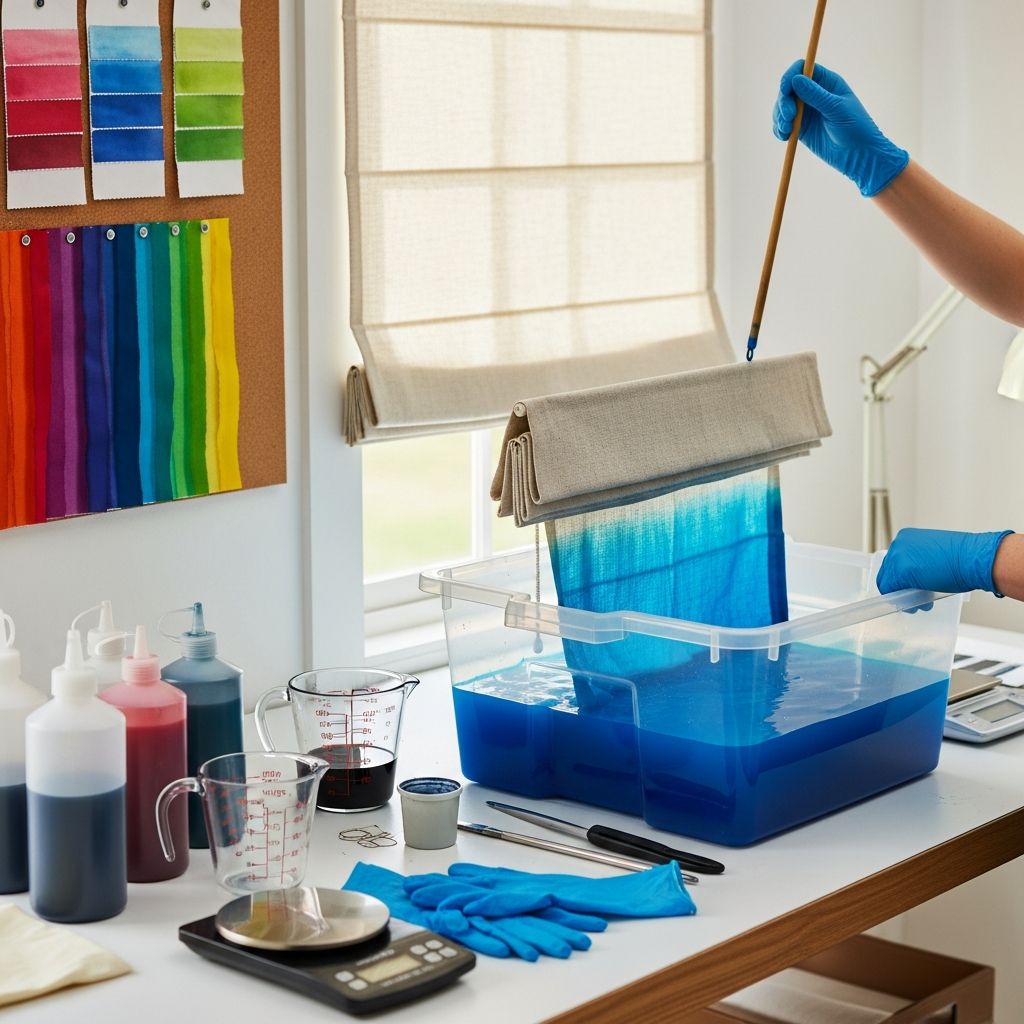
Revitalizing your window treatments doesn’t require purchasing new ones. Dyeing the fabric on Roman shades offers a cost-effective way to update your home’s aesthetic, allowing for bold colors or subtle tones that complement any room. This process involves careful preparation, dye selection, and application to ensure even coverage and durability.
Why Dye Your Roman Shades?
Roman shades provide elegant light control and style, but fading or mismatched colors can detract from their appeal. Dyeing refreshes them without the expense of replacements. Natural-fiber fabrics like cotton or linen absorb dyes effectively, yielding long-lasting results. This method suits various skill levels, from beginners to advanced crafters, and supports creative expressions like ombre effects or patterns.
Assessing Your Shades for Dyeing
Before starting, evaluate the current fabric. Synthetic materials resist dye, while natural ones perform best. Remove the shade from its mounting hardware to work freely. Inspect for damage; mend tears with fabric glue or patches. Measure dimensions accurately to plan dye quantities. Test a small fabric swatch in dye to predict color uptake.
- Fabric types ideal for dyeing: Cotton, linen, rayon blends.
- Avoid: Polyester, nylon unless using specific synthetic dyes.
- Tools needed: Gloves, buckets, stirring sticks, dye kits.
Selecting the Right Dye
Choose dyes based on fabric and desired outcome. Fiber-reactive dyes excel for cotton, providing vibrant, wash-fast colors. Acid dyes suit silk or wool blends. All-purpose dyes offer versatility for mixed fabrics. Procure powder or liquid forms from craft suppliers; calculate amounts per yard of fabric.
| Dye Type | Best For | Pros | Cons |
|---|---|---|---|
| Fiber-Reactive | Cotton, Linen | Bright colors, permanent | Requires soda ash fixative |
| Acid | Silk, Wool | Excellent on proteins | Not for cellulose fibers |
| All-Purpose | Mixed Blends | Easy to use | Less intense on naturals |
Preparing the Fabric and Workspace
Dismantle the shade by detaching fabric from rails and rings. Soak in hot water with synthrapol to remove sizing and residues, ensuring even dye absorption. Set up in a ventilated area with drop cloths. Wear protective gear: masks, gloves, aprons. For large shades, use a bathtub or large bins. Pre-wash prevents uneven dyeing.
Step-by-Step Dyeing Process
Follow these stages for success:
- Mix dye bath: Dissolve dye in hot water (140°F/60°C), stir thoroughly. Add salt or vinegar per instructions for fixation.
- Submerge fabric: Fold or pleat shade fabric loosely to fit container. Stir continuously for 30-60 minutes for uniform color.
- Alternative methods: For patterns, use tie-dye techniques like folding and binding before immersion. Spray bottles work for layered effects on bulky shades.
- Fix color: Add soda ash solution for reactive dyes; simmer 30 minutes.
- Rinse: Cool water until clear, then hot to set.
Bulk poses challenges; test container fit first. Aim for even saturation to avoid streaks.
Advanced Techniques for Unique Looks
Ombre and Gradient Effects
Create fades by dipping bottom edges longer in dye bath, gradually lifting. Multiple dips in lighter shades build dimension. Ideal for modern or beachy vibes.
Patterned Dyeing Inspired by Shibori
This ancient method involves resist techniques: stitch, clamp, or pleat before dyeing. Results mimic contemporary tie-dye but with precision. Experiment with indigo simulations using dark navy dyes.
Stencil Over Dye
Dye base color first, then apply stencils with fabric paints for motifs. Practice on scrap fabric; use quality stencils for crisp edges. Layer colors for depth.
Reattaching and Finishing the Shade
Once dry (24-48 hours), iron flat. Reinstall rings and dowels for pleating. Reuse existing hardware like velcro or weights. Hem edges if needed. Test raise/lower mechanism; adjust tensions. Vacuum gently to remove residue.
Common Mistakes and Troubleshooting
- Uneven color: Insufficient stirring or poor pre-wash. Solution: Rewash and redye sections.
- Fading: Improper fixation. Use heat-set dyes.
- Stiff fabric: Over-dyeing. Condition with fabric softener post-rinse.
- Bleeding: Test wash small piece first.
Fabric content dictates outcomes; naturals excel.
Safety and Cleanup Essentials
Dyes stain permanently; protect surfaces. Dispose wastewater per local regs (often sewer-safe post-neutralization). Ventilate to avoid fumes. Store leftovers sealed. Wash hands thoroughly.
Alternative: Covering Instead of Dyeing
If dyeing fails, cover with new fabric using glue or hem tape—no sewing required. Cut 3-4 inches oversized, iron pleats, adhere meticulously. Quick for non-dyers.
Maintenance for Long-Lasting Shades
Vacuum weekly; spot-clean with mild soap. Avoid full immersion post-dye. Rotate for even sun exposure. Professional dry-clean yearly if heavily used.
Cost Analysis and Savings
Dyeing costs $20-50 per shade vs. $100+ new. Reuse mechanisms amplifies savings.
Creative Inspirations for Rooms
- Kitchen: Bright primaries for energy.
- Bedroom: Soft pastels for calm.
- Living Room: Earth tones or patterns.
Frequently Asked Questions (FAQs)
Can I dye polyester Roman shades?
Polyester requires disperse dyes at high heat (near boiling). Results vary; test first.
How long does dyed fabric last?
With proper technique, 5-10 years with care.
Is dyeing machine-washable?
Fiber-reactive dyes are; follow care labels.
What if my shade is too big for a bucket?
Use a bathtub or dye in sections with spray method.
Can I dye installed shades?
Not recommended; removal ensures evenness.
Getting Started: Shopping List
- Dye kit (e.g., Procion MX)
- Synthrapol detergent
- Soda ash fixer
- Large buckets or tub
- Stainless steel tongs
- Thermometer
References
- 3 Ways To Make Roman Shades Fit Your Style — Blindsgalore Blog. Accessed 2026. https://www.blindsgalore.com/blog/index.php/exhibitions/3-ways-romans-fit-your-style/
- Upcycling Roman Shades by Replacing Fabric — YouTube (Dutch Farmhouse). 2026 (transcript accessed). https://www.youtube.com/watch?v=5b49fDnIrS8
- For Color Change, Paint Fabric Roman Shades?? — Houzz Discussions. Accessed 2026. https://www.houzz.com/discussions/6423090/for-color-change-paint-fabric-roman-shades
Similar Articles




Read full bio of Sneha Tete