Deadheading Iris Flowers: Complete Garden Care Guide
Master the art of removing spent iris blooms to encourage vibrant, extended flowering seasons.
Iris flowers stand among the most captivating ornamental plants in any garden, presenting elegant blooms in rich shades ranging from deep purple and blue to pristine white, golden yellow, and bronze hues. These stunning perennials typically grace gardens with their presence during the mid to late spring months, transforming outdoor spaces into vibrant natural displays. However, to maintain their beauty and encourage continuous flowering, gardeners must understand the importance of proper post-bloom maintenance, particularly the practice of removing spent flowers.
Understanding Why Deadheading Matters for Iris Health
Deadheading—the process of systematically removing faded and spent blooms—represents one of the most valuable maintenance practices for iris enthusiasts. When flowers naturally fade and begin to wither, the plant automatically channels considerable energy toward seed production and maturation. This biological response diverts vital nutrients and reserves that could otherwise support the development of additional flowering buds or strengthen the rhizome system for future growing seasons.
By intervening and removing these exhausted flower heads before they complete their reproductive cycle, gardeners essentially redirect the plant’s energy allocation. Rather than expending resources on creating seeds that will fall into the garden soil, the iris focuses on replenishing its underground rhizomes and expanding its capacity for blooming. This redirection creates a measurable difference in overall plant vigor and flowering performance over consecutive growing seasons.
Beyond the physiological benefits, deadheading enhances the visual appeal of iris plantings. Faded, withered flowers often develop an unsightly mushy appearance as they decompose, detracting from the fresh beauty of newly opened blooms. Removing these deteriorating flowers immediately allows the plant’s newer blossoms to command attention without visual competition, creating a tidier and more aesthetically pleasing garden display.
The Botanical Nature of Iris Flowering Patterns
Understanding how iris flowers develop and bloom helps gardeners appreciate why consistent deadheading becomes so critical. Bearded iris varieties, among the most popular cultivated types, represent members of the Iridaceae family and possess distinctive biological characteristics that influence their blooming habits. These plants typically reach their peak flowering period during June in many temperate regions, creating spectacular displays when conditions align favorably.
A particularly important characteristic of many iris varieties involves the lifespan of individual flowers. Contrary to what some gardeners assume, each individual bloom typically persists for only a single day—meaning that a flower opening in the morning may completely collapse or fade by evening. This rapid turnover necessitates frequent attention and regular deadheading throughout the flowering season, sometimes requiring daily inspection and removal of spent blooms to maintain the best aesthetic results.
The stalk structure of iris flowers also merits attention. After all flowering has concluded and the plant has completed its blooming cycle, the entire flower stalk should be reduced to the level of the foliage itself. This trimming serves multiple purposes beyond mere aesthetics—it eliminates potential locations where fungal diseases or pest issues might establish themselves as the season progresses.
Timing and Frequency: When to Begin Deadheading
The optimal moment to initiate deadheading practices begins immediately as the first flowers start to fade. Rather than waiting until all blooms have concluded their display, proactive gardeners remove individual flowers as they lose their vitality. This approach prevents the plant from commencing seed development and maintains a continuously refreshed appearance throughout the entire flowering window.
For varieties with extended bloom periods, this means potentially performing deadheading tasks on an almost daily basis during peak flowering months. Morning inspections often prove most effective, as overnight conditions may cause freshly faded flowers to develop that characteristically mushy texture. Removing these deteriorating blooms before they reach advanced stages of decay prevents pest issues and fungal problems from gaining footholds.
The frequency of deadheading should continue until no new flower buds remain on the stems and the plant has clearly concluded its seasonal blooming effort. At this point, the focus shifts from individual flower removal to broader foliage management and plant-level maintenance tasks.
Proper Technique and Equipment for Removal
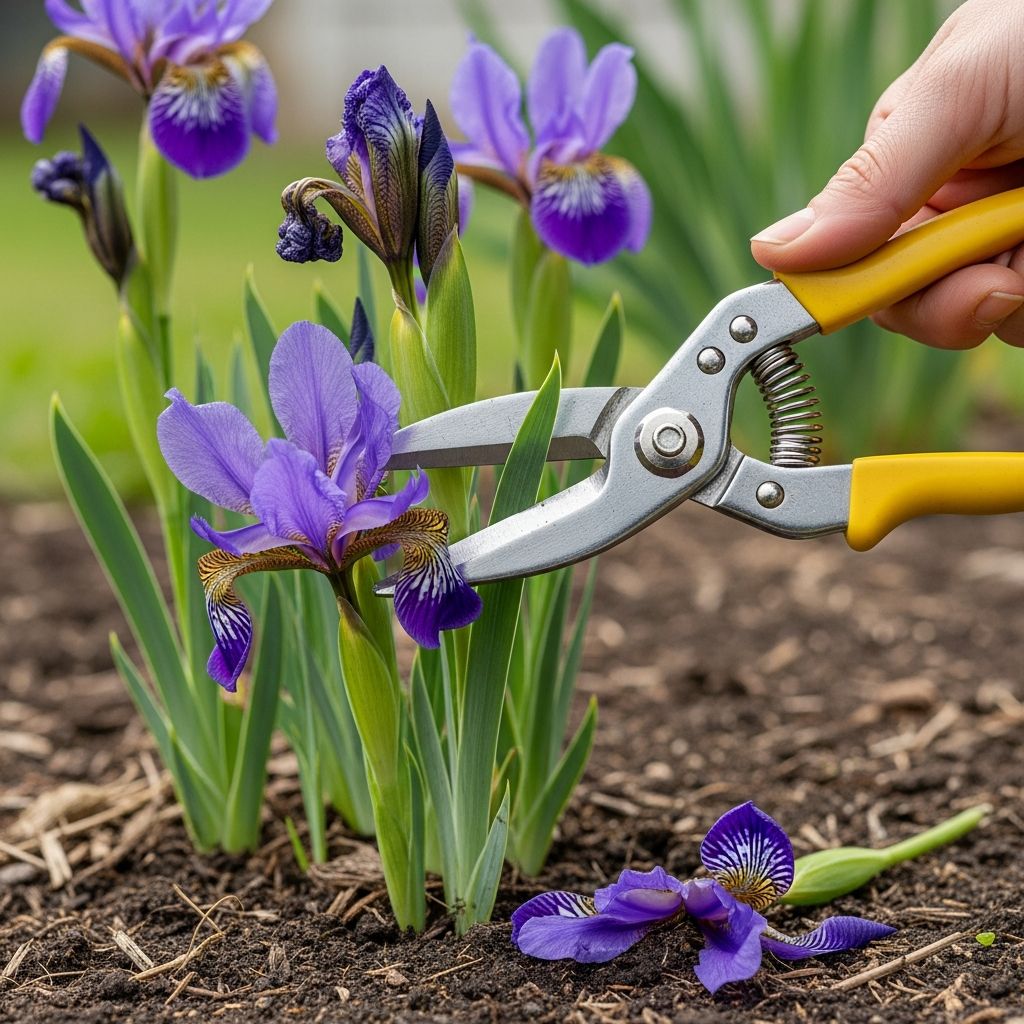
Effective deadheading requires more than simply plucking spent flowers haphazardly. Employing proper technique ensures minimal plant damage and reduces the risk of introducing disease or creating entry points for pathogens. When removing individual flowers from the stem, gardeners should gently pinch or cut the spent bloom at its base where it connects to the main flowering stalk. This targeted removal prevents unnecessary stress on the remaining stem structure.
Using clean, sharp implements—whether garden scissors or pruning shears—proves significantly more effective than relying on manual pinching alone. Clean cuts minimize the plant tissue damage and reduce the likelihood of ragged wounds that could attract fungal infections. Between removing flowers from different plants, briefly cleaning tool blades with rubbing alcohol or a quick wipe on a cloth prevents accidental disease transmission between specimens.
For the final cutting of spent flower stalks once blooming has concluded, many gardeners find that cutting the stalk down to the foliage level produces optimal results. This removal of the seed-bearing structures prevents the plant from channeling energy into seed ripening while simultaneously improving the overall appearance of the planting bed.
Managing Foliage After the Blooming Season Concludes
Once all flowering has finished and spent flower stalks have been removed, attention should shift to the foliage itself. During the active growing and flowering season, iris leaves are vulnerable to various foliar diseases that may cause visible damage or discoloration. These diseased or damaged leaves not only compromise the plant’s aesthetic value but can also serve as vectors for spreading pathogens to other parts of the plant or to neighboring specimens.
Careful inspection of foliage should occur after flowering concludes. Any leaves displaying signs of disease, unusual discoloration, or physical damage warrant removal through either cutting or careful pulling away from the plant base. This intervention significantly reduces disease pressure and creates a noticeably tidier appearance that extends visual appeal throughout the remainder of the growing season.
Some experienced gardeners employ a more aggressive approach, utilizing shears to cut back the foliage to approximately 4 to 6 inches above ground level. This technique proves particularly effective in situations where foliar disease has become widespread or when the foliage has become substantially marred by environmental factors or pest activity. The resulting fresh regrowth often appears more vigorous and healthy than attempting to selectively remove individual damaged leaves.
Preventing Common Problems Through Proper Maintenance
Iris plants occasionally fall victim to specific pest and disease pressures that can dramatically reduce their vigor and flowering capacity. Two particularly problematic issues include borers and rhizome rot, both of which can severely compromise plant health if left unaddressed.
Iris borers present themselves through distinctive dark streaking patterns visible in the leaf tissue. When this symptom appears, affected leaves should be promptly pruned away and the underground rhizome structures should be carefully examined and removed if they display signs of damage or decay. Critically, any infected plant material should never be added to compost piles, as this practice can spread the infestation to other garden areas.
Rhizome rot, particularly soft rot of the rhizome structure, frequently emerges from overcrowding, poor soil drainage, or excessively deep planting. Maintaining proper spacing between iris plants, ensuring excellent drainage conditions, and avoiding overly deep planting placement all contribute substantially to rot prevention. In established plantings showing signs of decline, division becomes necessary to restore vigor.
The Role of Division and Overcrowding Prevention
Iris plantings naturally tend to become increasingly overcrowded as years pass and rhizome systems expand and multiply. When plants reach this condition, flowering productivity typically declines noticeably and disease susceptibility increases. Division represents the most effective solution, ideally undertaken immediately after flowering concludes for the season.
The division process requires lifting entire rhizome clumps from the soil and carefully separating them so that each fan of foliage receives its own rhizome section. Using sharp knives or scissors to execute this separation produces superior results compared to forcibly breaking rhizomes apart. After division, allowing the newly cut rhizomes several hours of exposure to sunlight or lightly dusting them with sulfur helps prevent rot before replanting.
When repositioning divided rhizomes in freshly prepared soil, arrangement matters significantly. Creating a small mound within the planting hole and spreading roots across this elevation promotes optimal establishment. The soil should firmly pack around the rhizomes while deliberately avoiding complete coverage of the rhizome’s upper surface—leaving the top slightly exposed to sunlight encourages better growth and reduces rot risk.
Fertilization and Nutritional Support During the Growing Cycle
Proper nutrition directly supports iris vigor and flowering capacity. All iris varieties benefit from occasional applications of high-potassium fertilizer formulations, which specifically encourage flowering and overall plant strength. The timing and type of fertilizer application varies depending on whether plants are newly established or situated in long-established beds.
For established iris plantings, spring feeding practices work effectively. As new growth initiates in spring, distributing one handful of a balanced fertilizer formulation (such as 5-10-10) in a circle around each plant clump, preferably preceding rainfall, supplies essential nutrients during the critical growth and blooming period.
Gardeners should deliberately avoid high-nitrogen fertilizer formulations, particularly during fall months, as excessive nitrogen promotes lush vegetative growth at the expense of flowering while simultaneously increasing rot susceptibility. Similarly, green manure applications should be avoided in iris beds for the same reasons.
Environmental Considerations for Long-term Success
Growing conditions substantially influence iris health and flowering capacity. These plants demand excellent drainage and cannot tolerate waterlogged soil conditions; poorly drained sites frequently result in rhizome rot regardless of other management practices. Light requirements prove less stringent—while iris prefer a full day of sunlight exposure, they perform adequately and bloom reliably with a minimum of half a day of direct sun.
Mulching practices differ regionally. In many temperate areas, mulch application should be completely avoided around iris plantings, as accumulated mulch tends to pack densely around rhizomes and trap excess moisture that encourages rot development. This represents a significant departure from management practices for many other perennial flowers that genuinely benefit from mulch application.
Preparing Iris for Long-term Garden Enjoyment
With consistent deadheading, appropriate post-bloom foliage management, and proper division when necessary, iris plantings deliver years of reliable flowering and continuous garden beauty. These remarkable perennials often become increasingly established and vigorous as years progress, with many varieties displaying optimal flowering during their second through fourth years in a planting location. By implementing recommended care practices, gardeners transform iris from temperamental specimens requiring constant attention into dependable landscape assets that reward consistent effort with spectacular seasonal displays.
Frequently Asked Questions About Iris Deadheading
- Q: How often should I deadhead iris flowers during the blooming season?
- A: Deadhead as soon as individual flowers fade, which may require daily attention during peak bloom periods. Each bloom typically lasts only one day, making frequent removal necessary for optimal appearance.
- Q: Can I leave the foliage on iris plants after flowering ends?
- A: While foliage will naturally remain throughout summer before dying back in fall, removing damaged or diseased leaves immediately after blooming improves health and appearance. Some gardeners cut foliage to 4-6 inches above ground level.
- Q: What should I do if my iris stops producing blooms?
- A: Overcrowding is frequently the culprit. Dig up bulbs or rhizomes in early fall and separate them before replanting to restore vigor.
- Q: Is mulching recommended for iris plants?
- A: No, mulch should be avoided around iris as it traps moisture and can promote rhizome rot. Iris prefer well-drained conditions with exposed soil around the rhizomes.
References
- How To Care for Irises After They Bloom? — Dutch Grown. 2024. https://www.dutchgrown.com/blogs/the-dutchgrown-blog/iris-care
- Midsummer Care of Bearded Iris — Ohio State University Extension, Guernsey County Master Gardeners. 2024. https://guernsey.osu.edu/program-areas/master-gardener-volunteers/news-guernsey-county-master-gardeners/midsummer-care
Similar Articles







Read full bio of medha deb