Mastering Deadheading for Knock Out Roses
Unlock continuous blooms and pristine looks for your Knock Out roses with expert deadheading techniques and seasonal care tips.
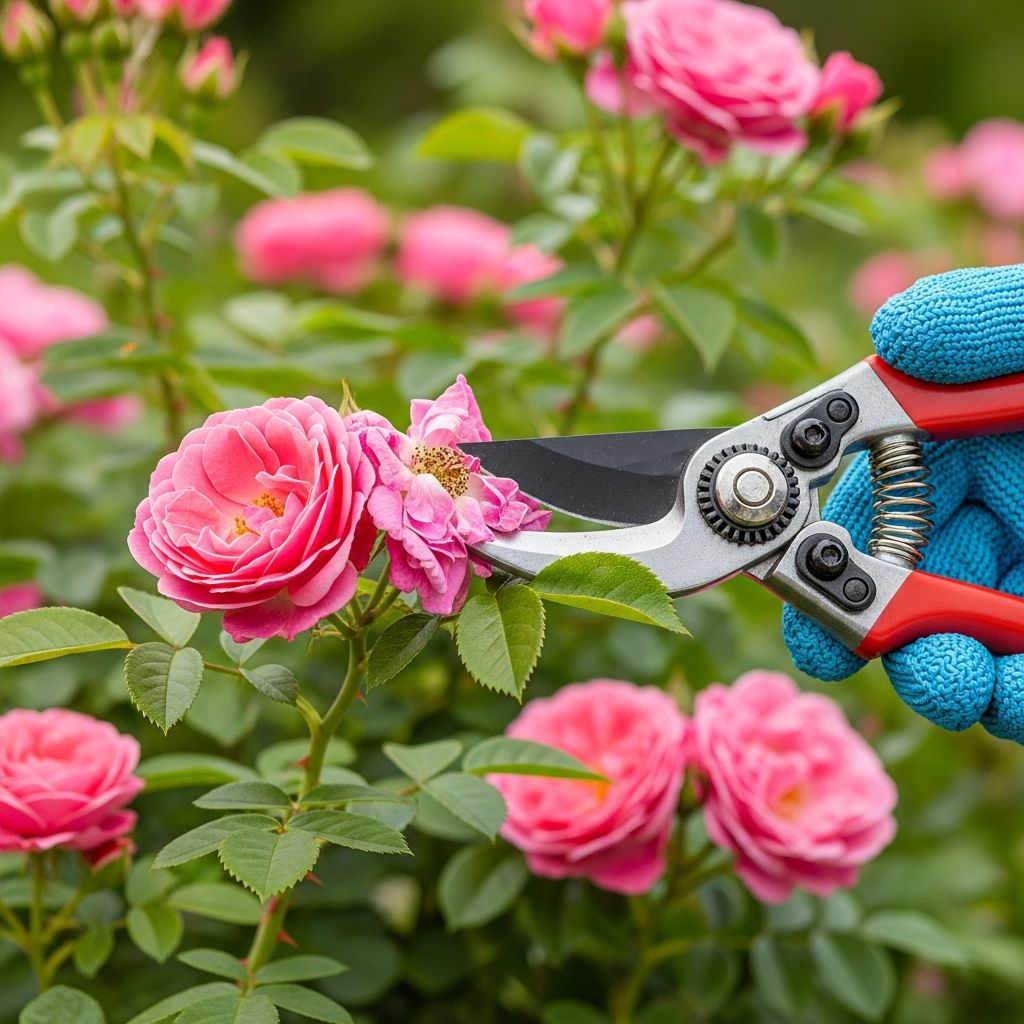
Knock Out roses stand out as one of the most popular landscape shrubs due to their disease resistance, vigorous growth, and prolific blooming. Deadheading, the practice of removing spent flowers, plays a key role in keeping these plants thriving and visually appealing. While these roses can self-clean to some degree, regular deadheading maximizes their potential for nearly nonstop flowers from spring through fall.
Why Deadhead Knock Out Roses?
Deadheading offers multiple advantages that go beyond aesthetics. Primarily, it redirects the plant’s energy from seed production back into new flower development, leading to more abundant and frequent blooms. Gardeners often notice a significant increase in flower production when maintaining a weekly deadheading routine during peak season.
- Boosted Bloom Cycle: By snipping faded blossoms, the shrub focuses resources on generating fresh buds rather than maturing hips.
- Improved Appearance: Removing wilted petals prevents the bush from looking ragged, creating a tidy, professional look even up close.
- Health Promotion: Clearing debris reduces humidity around stems, minimizing risks of fungal issues common in humid climates.
Experts note that while Knock Out roses naturally drop old blooms, manual intervention ensures optimal performance, especially in home gardens where visual appeal matters.
Understanding Knock Out Roses
Developed in 2000, Knock Out roses revolutionized rose gardening with their hybrid tea-like flowers on a low-maintenance shrub. Available in colors like cherry red, blush pink, and sunny yellow, they thrive in USDA zones 5-11 and rebloom reliably without much fuss. Unlike traditional roses, they require minimal spraying for black spot or mildew.
These shrubs typically reach 3-4 feet tall and wide, making them ideal for borders, hedges, or containers. Their self-cleaning trait means faded petals often fall off independently, but for peak performance, gardeners intervene.
Essential Tools for Deadheading
Proper equipment makes the task efficient and thorn-free. Invest in quality items to protect hands and achieve clean cuts.
| Tool | Purpose | Recommendations |
|---|---|---|
| Bypass Pruners | Clean, precise cuts on stems | Sharp, ergonomic models like Fiskars for small to medium branches |
| Rose Gardening Gloves | Thorn protection | Long-cuffed, puncture-resistant leather or nitrile-coated |
| Hand Shears or Snips | Fine work on clusters | Lightweight for quick snips |
| Cleaning Bucket | Debris collection | 5-gallon with water for easy disposal |
Always sharpen blades before use and disinfect with alcohol between bushes to prevent disease spread.
Step-by-Step Deadheading Guide
Follow these straightforward steps for effective deadheading. Perform the task on a dry day to avoid spreading moisture-loving pathogens.
- Inspect the Shrub: Walk around and identify spent blooms, typically brown, shriveled petals atop green stems.
- Locate the Cut Point: Trace the stem downward to the first set of healthy leaves with five leaflets or a new bud. Aim for a 45-degree angle cut just above this junction.
- Snip Carefully: Hold the stem with your gloved hand, then use pruners for a swift cut. For clusters, grasp multiple stems together before cutting.
- Shape as You Go: Remove crossing or weak stems to open the center for better airflow and light penetration.
- Clean Up: Gather clippings immediately to deter pests.
This method takes mere minutes per bush weekly, yielding dramatic results over time.
Optimal Timing and Frequency
Begin deadheading after the first flush of spring blooms fades, usually 6-8 weeks post-bud break. Continue through summer into early fall until frost threatens.
- Weekly during peak bloom (June-August) for continuous flowers.
- Bi-weekly in shoulder seasons.
- Avoid late fall to allow hips to form, providing winter interest and bird food.
In cooler climates, taper off by September to harden off wood for winter. Hot, dry areas may need less frequent sessions if watering is consistent.
Common Mistakes to Avoid
Gardeners new to deadheading often err in ways that hinder plant health.
- Cutting Too High: Leaving stubs invites dieback; always cut to a leaf axil.
- Ignoring Tool Hygiene: Dirty pruners spread viruses.
- Over-Pruning: Stick to deadheading; save heavy cuts for dormant season.
- Deadheading in Wet Weather: Promotes rot.
- Neglecting Fertilization: Pair deadheading with balanced feeding for best blooms.
Seasonal Care Beyond Deadheading
Deadheading shines brightest alongside holistic care. Water deeply weekly, mulch to retain moisture, and fertilize every 4-6 weeks with a rose formula high in phosphorus.
In late winter, prune back to 12-18 inches for rejuvenation, removing dead or damaged canes. This annual reset encourages bushy growth.
Troubleshooting Deadheading Issues
If blooms dwindle post-deadheading, check for nutrient deficiencies or pests like aphids. Yellowing leaves signal overwatering or iron lack. Persistent problems warrant soil testing.
For leggy shrubs, combine deadheading with spring coppicing—cutting to 18 inches—to force compact, floriferous regrowth.
Benefits in Different Garden Settings
Knock Out roses adapt to various landscapes. In foundations, deadheading maintains a polished edge. For mass plantings, it ensures uniform color waves. Container gardeners appreciate tidy shapes for patios.
Environmental and Wildlife Considerations
Occasional hip formation supports pollinators and birds. Alternate deadheading weeks to balance blooms and ecology.
Frequently Asked Questions
Do Knock Out roses require deadheading?
While self-cleaning, regular deadheading enhances bloom quantity and aesthetics significantly.
How often should I deadhead?
Once weekly in summer keeps them blooming nonstop with minimal effort.
Can I deadhead with fingers?
Avoid pinching; use pruners for clean cuts that prevent stem damage.
What if I miss a week?
No harm—catch up gradually to avoid stressing the plant.
When to stop deadheading?
Cease by mid-fall to prep for winter dormancy.
Advanced Tips for Pro Results
Experiment with selective deadheading: leave some hips on outer branches for variety. Pair with companion plants like lavender for pest deterrence. Track progress in a garden journal to refine timing yearly.
For mass displays, deadhead in sections over days to spread workload. In public gardens, this practice elevates curb appeal dramatically.
References
- Pruning — The Knock Out® Family of Roses — Knock Out Roses Official Site. Accessed 2026. https://www.knockoutroses.com/pruning
- Double Knock Out® Roses | Care Guide & Planting Tips — McKay Nursery. Accessed 2026. https://www.mckaynursery.com/double-knock-out-rose
- Deadhead Knockout Roses — Family Plot Garden (YouTube). 2024-06-22. https://www.youtube.com/watch?v=jYUTM8j-iP4
- Deadheading Knockout Roses — Garden Sanity (YouTube). 2020-10-16. https://www.youtube.com/watch?v=QNshdT_a1zs
- DIY: How to Prune or Dead Head Knockout Roses — YouTube. Accessed 2026. https://www.youtube.com/watch?v=3_wHj0lWPLc
Similar Articles








Read full bio of Sneha Tete