Master Kitchen Degreasing with Windex and More
Discover effective ways to remove stubborn grease from your kitchen using Windex, natural alternatives, and pro tips for a spotless space.
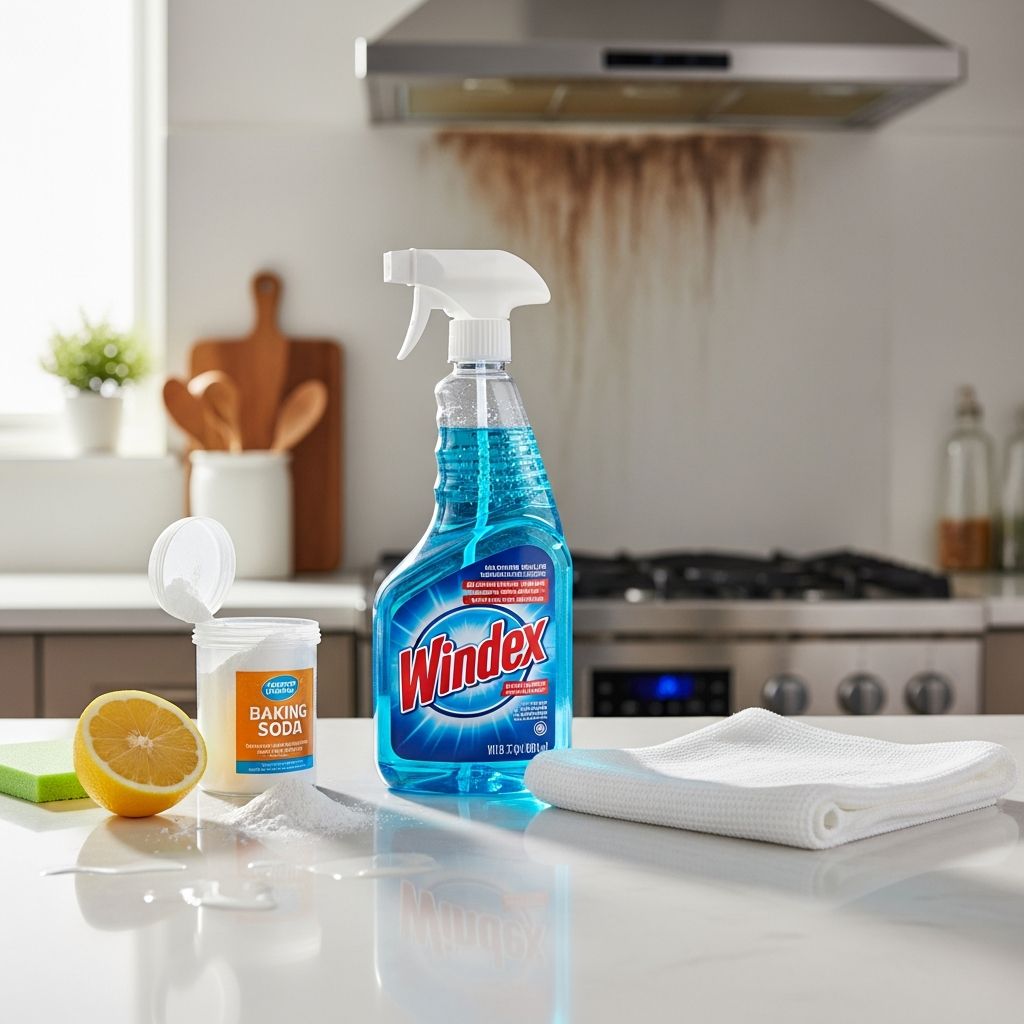
Grease buildup in the kitchen is inevitable from cooking, frying, and daily use, but tackling it doesn’t require harsh chemicals or endless scrubbing. Versatile products like Windex, combined with household staples, can cut through oily residues on counters, appliances, cabinets, and beyond, restoring shine efficiently.
Understanding Grease in Your Kitchen Environment
Kitchen grease forms from oil vapors, splatters, and food particles that adhere to surfaces over time. This sticky layer not only looks unappealing but traps dirt and bacteria, making thorough degreasing essential for hygiene. Degreasers work by breaking molecular bonds in oils, allowing easy wipe-away without residue.
Common trouble spots include stovetops where heat intensifies grease adhesion, exhaust fans collecting airborne particles, and cabinet doors splashed during prep. Regular maintenance prevents buildup, but for deep cleans, targeted methods excel.
Why Windex Excels as a Kitchen Degreaser
Windex, known for glass cleaning, surprises with its grease-cutting power thanks to ammonia and surfactants that dissolve oils quickly. It’s safe on many non-porous surfaces, evaporates streak-free, and handles light-to-moderate grease without rinsing on most areas.
- Versatility: Effective on stainless steel, tile, and painted surfaces.
- Speed: Sprays on, wipes off in seconds for busy schedules.
- Availability: Found in most homes, no special purchases needed.
For best results, test in inconspicuous spots to avoid discoloration on delicate finishes.
Step-by-Step: Degreasing Kitchen Counters and Backsplashes
Counters bear the brunt of spills, so start here for visible impact. Spray Windex generously on greasy areas, let sit 1-2 minutes to penetrate, then wipe with a microfiber cloth. For stubborn spots, sprinkle baking soda first for abrasion, spray Windex over it, and scrub gently.
- Clear surface of items and dust loose debris.
- Apply Windex directly to grease.
- Allow dwell time for loosening.
- Wipe with lint-free cloth; buff dry for shine.
This method revives laminate, quartz, or granite without damage, leaving no film.
Tackling Stovetop and Range Hood Grease
Stovetops accumulate baked-on grime from high-heat cooking. For gas or electric models, cool completely, spray Windex liberally, and cover with plastic wrap for 15 minutes to steam-loosen residue. Remove wrap, scrub with a non-scratch pad, and rinse if needed.
Range hoods and filters trap vapors; remove filters, soak in Windex solution (1:1 with warm water) for 30 minutes, agitate, rinse, and air-dry. Wiping the hood exterior with straight Windex prevents drips into vents.
| Surface | Method | Time | Tools Needed |
|---|---|---|---|
| Stovetop | Windex + plastic wrap | 20 mins | Non-scratch pad, cloth |
| Range Hood Filter | Soak in Windex mix | 30 mins | Basin, brush |
| Hood Exterior | Direct spray and wipe | 5 mins | Microfiber cloth |
Reviving Greasy Kitchen Cabinets Effortlessly
Wood or laminate cabinets get sticky from hand oils and splashes. Dust first, then spray a light Windex mist on a soft cloth—never directly on wood to avoid warping. Wipe in direction of grain, focusing on handles. For heavy grease, mix Windex with dish soap for extra cutting power.
Pro tip: For painted cabinets, Windex alone suffices; follow with a dry cloth to prevent moisture buildup inside seams.
Natural and DIY Degreasing Alternatives to Windex
Prefer chemical-free options? Vinegar acts as a natural solvent, breaking grease bonds via acetic acid. Mix equal parts white vinegar and water in a spray bottle, add dish soap for emulsification. Apply to surfaces, wait 5 minutes, wipe clean.
Baking soda paste (mixed with water) provides gentle abrasion; combine with vinegar for fizzing action that lifts grime. These pantry staples mimic Windex efficacy eco-friendly way.
- Vinegar spray for glass and stainless.
- Baking soda scrub for sinks and tiles.
- Lemon juice boost for odors and shine.
Deep-Cleaning Ovens and Microwaves Without Scratches
For ovens, use the vinegar steam method: Place a heat-safe dish with 1 cup vinegar and water in the oven at 400°F for 30 minutes. Steam softens grease; wipe with baking soda paste post-cool-down. Windex shines the door glass afterward.
Microwaves: Heat a vinegar-water bowl inside for 5 minutes to loosen splatters, then spray Windex on interior and wipe. Exterior gets a quick Windex buff.
Sink and Fixture Degreasing for Lasting Freshness
Stainless sinks dull from grease; sprinkle baking soda, spray Windex or vinegar, scrub with sponge, rinse. Fixtures sparkle with Windex-dampened cloth, avoiding direct spray to protect seals.
Appliance Exteriors: Safe Windex Techniques
For refrigerators and dishwashers, unplug first. Wipe exteriors with Windex on microfiber—no pooling near buttons. Stainless fingerprints vanish instantly; dry thoroughly to prevent streaks.
Preventing Future Grease Buildup Proactively
Daily habits amplify cleaning success: Wipe splatters immediately, use splatter screens, ventilate while cooking. Weekly Windex touch-ups maintain surfaces. Choose matte finishes less prone to showing grease.
Safety Guidelines for Effective Degreasing
Ventilate areas during cleaning to disperse fumes. Wear gloves for prolonged contact. Keep children/pets away. Never mix Windex with bleach—ammonia reaction produces toxic gas.
Frequently Asked Questions (FAQs)
Can Windex damage granite countertops?
No, in moderation; its quick evaporation minimizes etching risk. Rinse after heavy use and seal annually.
Is Windex safe for wood cabinets?
Use diluted on a cloth, not sprayed directly, to avoid drying out finishes.
How often should I degrease my kitchen?
Weekly for high-use homes; monthly deep cleans suffice otherwise.
Does vinegar work as well as Windex on ovens?
Vinegar steam excels for loosening; Windex polishes post-clean.
Are natural degreasers as effective commercially?
For light grease yes; heavy jobs may need repeats or hybrids.
Choosing the Right Tools for Optimal Results
Microfiber cloths trap grease without lint; non-scratch sponges prevent marks. Soft brushes reach crevices. Invest in color-coded sets to avoid cross-contamination.
Expanding on tools, consider reusable Swedish dishcloths for eco-swaps—they absorb 15x water weight, compostable, outperforming sponges hygienically.
Advanced Tips for Professional-Level Shine
For stainless steel, Windex followed by club soda buffs to mirror finish. Tile grout? Baking soda slurry with Windex spray lifts embedded grease. Exhaust fans benefit from vacuuming vents pre-wipe.
Incorporate essential oils like citrus into DIY sprays for grease-cut plus aroma. Regular degreasing extends surface life, reducing replacement costs.
References
- Vinegar Steam Method for Ovens — Homes & Gardens. 2023-10-15. https://www.homesandgardens.com/solved/vinegar-steam-method-dirty-ovens
- How to Clean and Degrease Kitchen Surfaces — Premium Bio Naturals. 2024-05-20. https://www.premiumbionaturals.com/blogs/articles/how-to-clean-and-degrease-every-kind-of-kitchen-surface
- 7 Places to Use Degreasers in the Home — Zep Inc. 2023-08-12. https://zep.com/blogs/zep-blog/7-places-to-use-degreasers-in-the-home
- Kitchen Degreaser in Professional Cleaning — Midlab. 2024-02-28. https://www.midlab.com/blog/kitchen-degreaser/
Similar Articles




Read full bio of medha deb