Design-As-You-Go Organizing: Turn Everyday Chaos into Effortless Style
Real-life organizing that keeps up with the way you actually live.
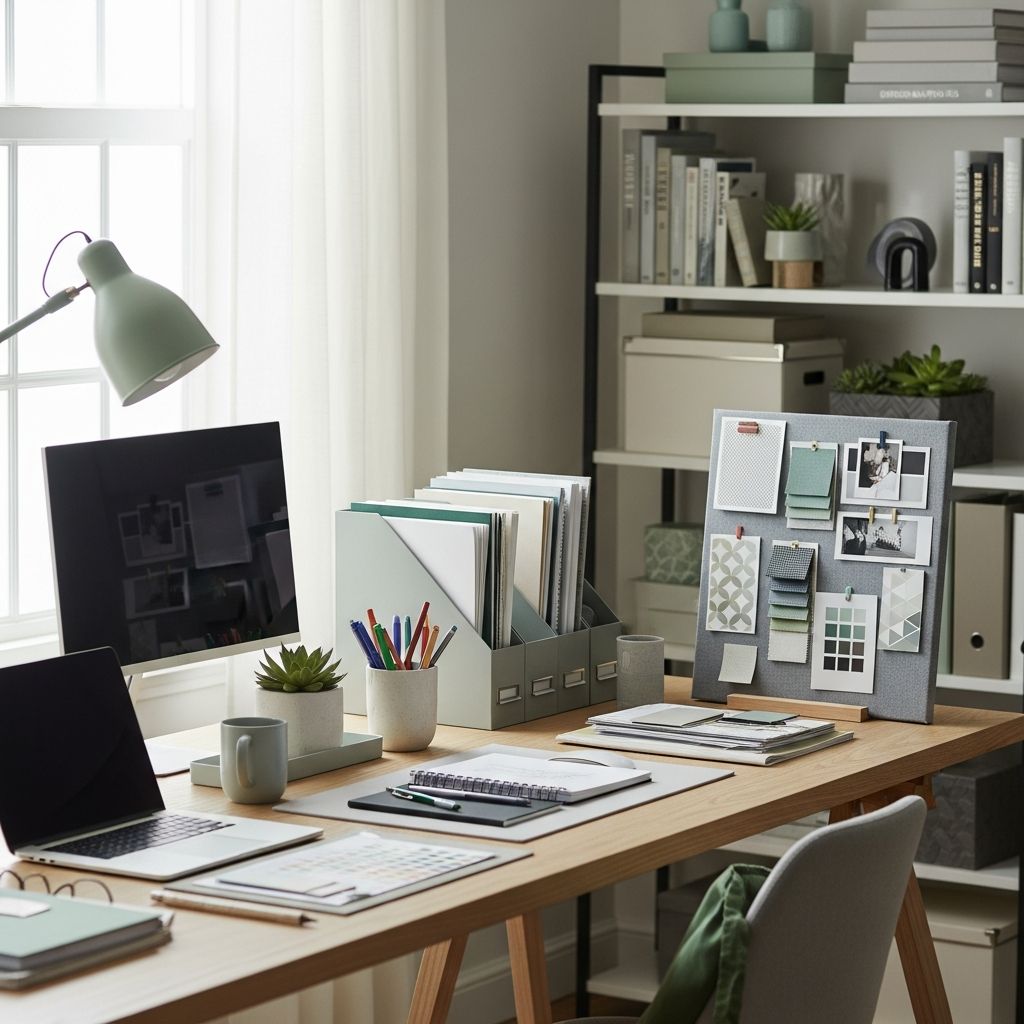
Organizing does not have to be a giant weekend project or a full home overhaul. With a design-as-you-go approach, you can shape cluttered, confusing spaces into calm, beautiful rooms while you are actually living in them. Instead of waiting for “someday,” you make smart design tweaks on the fly, layering function and style one small decision at a time.
Why On-the-Fly Organizing Works in Real Homes
Most people do not have the time or energy to pull everything out of a room and start from scratch. Design-as-you-go organizing acknowledges that life is busy, kids make messes, guests drop by, and work happens at the dining table. Your systems need to adapt quickly and improve steadily, not demand perfect conditions before they work.
This method focuses on noticing pain points in the moment and responding with small, intentional changes. Over time, those micro-adjustments add up to spaces that look thoughtfully designed and feel easy to maintain, without a single “marathon” organizing day.
The Core Principles of Design-As-You-Go
Before jumping into specific rooms, it helps to understand the mindset behind on-the-fly organizing. These principles keep you from spinning in circles or buying random organizers you never actually use.
- Design follows behavior: Observe how you truly use a space—where shoes pile up, where mail lands, where bags get dropped—and then design storage right there instead of fighting habits.
- Small steps over big projects: Aim for 10–20 minute tweaks you can complete in one shot. Each finished micro-task builds momentum and visible results.
- Flexible, not rigid systems: Use baskets, trays, and modular shelves that can shift as your routines change, instead of built-ins you are stuck with.
- Dual-purpose design: Choose furniture and decor that hides or manages clutter (like ottomans with storage or lidded baskets) so organization is baked into how the room looks.
- Continuous refinement: Expect to adjust your systems. If a bin is always overflowing or a hook is never used, that is feedback to refine—not a failure.
A Quick-Start Framework You Can Use Anywhere
When you notice a messy corner or overloaded surface, run through this simple framework in real time. You can use it for an entry table, a junk drawer, or even your bathroom counter.
1. Spot the Problem Area
Look for the small zone that is causing the most daily friction. That might be a cluttered kitchen section where you prep kids’ lunches, or the chair that permanently holds clean laundry. Focus narrowly so the task feels manageable.
2. Clear Just Enough Space
You do not need to empty the entire room. Remove items from the immediate problem zone only. Place them on a nearby surface so you can see what is actually living there and how much needs a home.
3. Group and Edit Quickly
Sort items into fast categories: keep here, move elsewhere, donate, trash. Make decisions based on the purpose of that zone. If the entry table’s job is keys and mail, remove anything that does not support that function, like random tools or kids’ toys.
4. Assign a Clear Job to the Space
Every spot in your home should answer the question, “What happens here?” Is this section for coffee prep, homework, or pet supplies? Naming the job helps you decide what stays and which organizers you truly need.
5. Add a Simple Container or Tool
Use the smallest organizing intervention that will solve the problem. That might be a tray for remotes, a shallow basket for mail, or three hooks on the wall for bags. Avoid complicated systems with lots of steps.
6. Test, Watch, and Tweak
Live with your new system for a week. If clutter still piles up, ask what is getting in the way. Maybe the basket is too far from the door or the drawer organizers are too fussy. Adjust until it feels almost effortless to use.
Room-by-Room Ideas for Real-Time Design
The beauty of design-as-you-go organizing is that you can apply the same thinking in every room. Below you will find targeted ideas that work with your existing furniture and decor, not against them.
Entryway: Capture the Daily Dump
Your entry is the first and last impression of your home, and also one of the most chaotic. The key is to give everything that lands there an obvious landing spot.
- Add a narrow console table or wall-mounted shelf just inside the door to collect keys, small bags, and sunglasses.
- Place a sturdy basket or low bin for shoes where people naturally step out of them, not where you wish they would.
- Install a simple row of hooks at kid height for backpacks and jackets so children can manage their own belongings.
- Use a small tray or shallow bowl as a visual boundary for keys, earbuds, and wallets to prevent them from spreading across the whole surface.
Kitchen: Streamline the Hardest-Working Room
Most kitchens double as office, homework spot, snack station, and social hub. On-the-fly organizing helps you design micro-zones that support those roles without turning into visual noise.
- Create a “launch pad” section of counter for daily routines, like coffee or school lunches, and keep only related items within arm’s reach.
- Use drawer dividers that you can rearrange as your tools change, instead of fixed inserts that feel too rigid.
- Contain mail, coupons, and paper clutter in a vertical wall file or magazine rack to keep counters open for cooking.
- Store everyday dishes and glasses between the dishwasher and table if possible, minimizing steps and encouraging quick cleanup.
Living Room: Hide Clutter in Plain Sight
The living room is where design and practicality collide. The goal is to maintain a clean, polished look even when you are actually using the room for lounging, playing, and working.
- Choose a coffee table with a shelf or drawers so books, remotes, and chargers have a home that does not clutter the top.
- Use lidded baskets or decorative boxes on shelves to conceal small items like game controllers and card decks.
- Dedicate one attractive basket or ottoman to blankets and throws; anything that does not fit prompts a quick edit.
- Place a small tray on the side table to catch cups, remotes, and reading glasses during the week; reset it every weekend.
Bedroom: Design a Calm Landing Zone
Bedrooms often become storage overflow. With real-time design, you can carve out peaceful pockets even if you are not ready for a full closet overhaul.
- Turn the top of your dresser into a curated surface: one tray for jewelry, one dish for pocket contents, and a small lamp.
- Use under-bed storage for out-of-season clothing or linens, labeling containers so you do not have to dig.
- Assign a hook or valet stand for “not quite dirty” clothes so they do not migrate to the bed or chair.
- Keep nightstands minimal—one book, a lamp, and a lidded container for small necessities like lip balm and chargers.
Home Office: Tame Paper and Tech
Even a small desk in a corner can feel elegant and organized with a few thoughtful design choices. Focus on controlling paper and cords first; visual clutter in these areas is what makes a workspace feel chaotic.
- Mount a single floating shelf above the desk to hold reference books and decor, keeping the work surface mainly clear.
- Use a cable box or clips on the back of the desk to tame cords so they do not visually dominate the area.
- Add a simple two-tier file system: one “active” tray for current work and one “archive” box for completed items.
- Keep your desktop tools limited to what you use daily—everything else can live in a drawer organizer or cabinet.
Design-Forward Storage Ideas That Look Intentional
On-the-fly organizing is not just about hiding stuff; it is about choosing storage that feels like an integrated part of your design. When bins, boxes, and shelving echo the style of your room, they stop looking like afterthoughts and start reading as decor.
| Room | Design-Friendly Storage | Why It Works |
|---|---|---|
| Entryway | Woven baskets under a slim bench | Softens the space visually while hiding shoes and bags in easy reach. |
| Living Room | Storage ottoman with tray top | Acts as both coffee table and hidden storage for blankets, toys, or games. |
| Kitchen | Matching glass or ceramic canisters | Keeps staples accessible while creating a clean, cohesive look on the counter. |
| Bedroom | Fabric bins in a calm color palette | Contain clothing odds and ends without visual noise from bright packaging. |
| Home Office | Magazine files and lidded boxes | Hides paper clutter while letting you label and stack items vertically. |
Design-As-You-Go For Different Lifestyles
There is no one-size-fits-all system. Your organizing style should align with your personality and stage of life. Think of your home as a living project that evolves as your routines and needs shift.
Busy Families
Parents need systems that kids can understand and follow without constant supervision. Use large, clearly labeled bins instead of complicated categories, and choose furniture that is durable and easy to wipe down.
Small-Space Dwellers
In apartments and compact homes, vertical storage and multi-purpose furniture are your best tools. On-the-fly design might mean adding hooks behind doors, floating shelves above existing pieces, and furniture that hides storage inside.
Minimalists and Declutterers
If you prefer fewer possessions, on-the-fly organizing can be a way to regularly question what earns a place in your home. Every time you touch an item that does not have a home, ask whether you truly need it or if the room works better without it.
Practical 15-Minute Projects You Can Start Today
To see the impact of this approach quickly, pick one small project from the list below and complete it start to finish. Set a timer for 15 minutes to stay focused and avoid overwhelm.
- Clear and reset your nightstand: remove everything, wipe it down, return only what supports rest and reading.
- Create a drop zone by the door: add one hook, one tray, and one basket to handle keys, mail, and shoes.
- Tame one drawer: use small boxes as dividers and remove anything that does not belong in that room.
- Style your coffee table: choose a single tray, a small stack of books, and one decorative object, then store everything else.
- Refresh your kitchen sink zone: give soaps, brushes, and sponges a defined caddy or tray and remove duplicates.
FAQs About Real-Time, Design-Driven Organizing
Do I have to buy a lot of new organizing products?
No. Start by shopping your home: repurpose bowls, baskets, shoe boxes, and trays before buying anything new. Once you have lived with a system for a while, then upgrade pieces that you know are truly useful to you and fit your style.
How do I keep my family on board with new systems?
Make your systems as obvious and friction-free as possible. Use clear labels, open bins, and visible hooks instead of closed cabinets that require multiple steps. Explain the new setup and demonstrate how quick it is, then expect to remind people for a few weeks until it becomes routine.
What if I get overwhelmed and do not finish a project?
Shrink the scope. Instead of “fix the living room,” tackle one end table, one bookshelf shelf, or one drawer. Always aim for a task that feels like something you can complete in one shot, even on a busy day. Visible wins, no matter how small, keep you motivated to move on to the next area.
Can design-as-you-go really replace a full decluttering day?
For some people, yes—and for others, it works best as a complement. If you enjoy a big reset, you can still do occasional whole-room sessions, then rely on on-the-fly adjustments to keep things under control between those larger efforts.
How often should I adjust my systems?
Any time you notice a recurring pile of clutter or a hotspot that keeps reappearing, treat that as an invitation to tweak your design. Homes are living spaces, not static showrooms, so expect to fine-tune your organizing solutions as your life changes.
Make Design Decisions in Real Time
Design-as-you-go organizing is about staying curious and responsive. When you see a pile, ask why it is forming there. When a drawer sticks or a cabinet overflows, let that annoyance guide your next small change.
By building your systems slowly and intentionally, you create a home that feels tailored to the way you truly live—beautiful enough to be proud of, and practical enough to work on your busiest days.
Similar Articles



Read full bio of Sneha Tete