Designing an Accessible Home: Practical Ideas for Every Room
Create a safer, more comfortable home that works for every body, at every age.
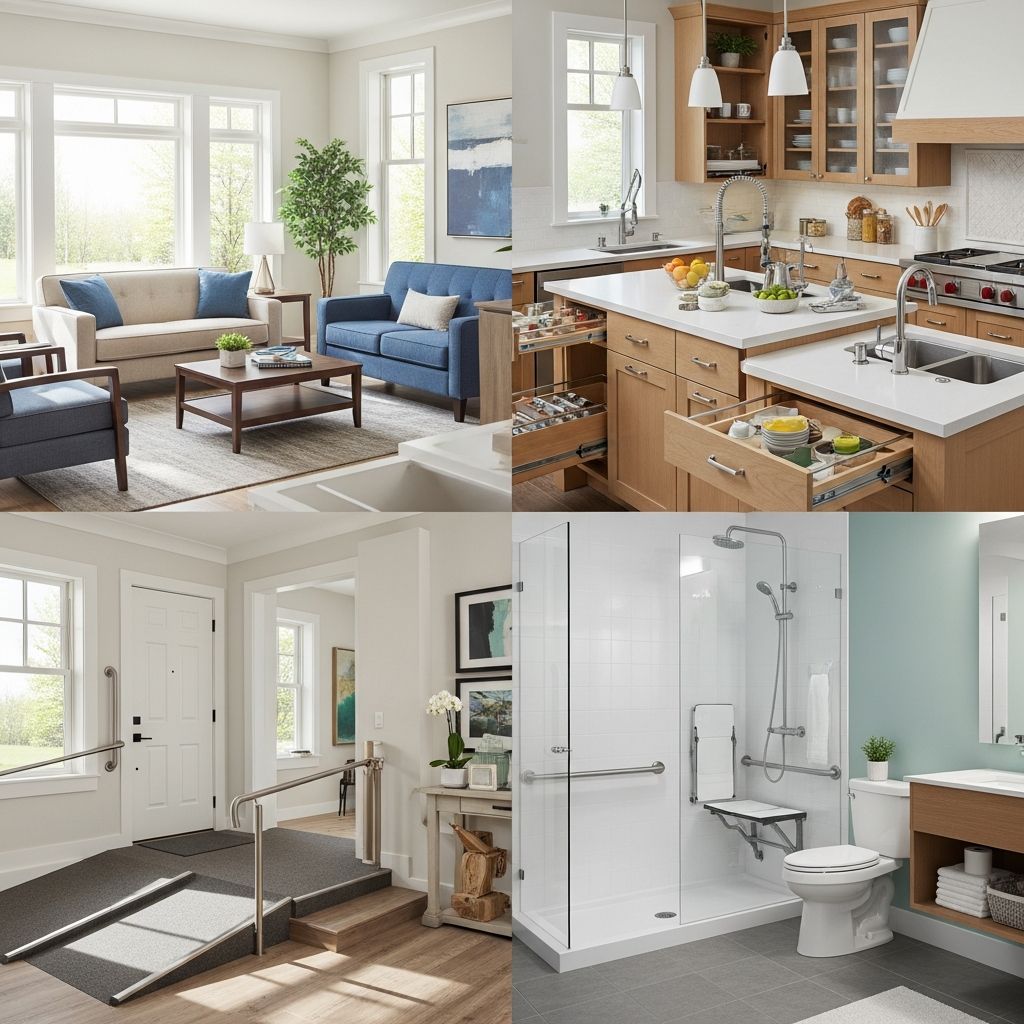
Accessible home design is about creating spaces that are safe, comfortable, and easy to use for everyone, regardless of age, mobility, or ability. Instead of treating accessibility as an add-on, this approach weaves thoughtful features into the layout, finishes, and everyday details of a home so that daily tasks require less effort and pose fewer risks.
Why Accessible Design Belongs in Every Home
Many people associate accessibility only with wheelchairs or visible disabilities, but an accessible home also supports parents with young children, people recovering from injuries, and anyone who simply wants to age comfortably in place. By planning for a wide range of needs in advance, you reduce the chance of expensive future renovations and create a home that adapts gracefully as life changes.
Accessible design does not mean a space has to look clinical or institutional. With the right choices of materials, colors, and fixtures, a home can feel stylish and welcoming while quietly offering smarter circulation paths, better lighting, and safer surfaces that benefit every person who walks through the door.
Core Principles of an Accessible Home
Although every family and floor plan is different, most successful accessible homes follow a few core principles that guide the design. Keeping these ideas in mind from the start makes it easier to choose layouts, fixtures, and finishes that genuinely improve usability.
- Step-free movement: Aim for level transitions wherever possible so that people using mobility aids, strollers, or walkers can move without ramps or risky steps.
- Ample maneuvering space: Provide generous clear floor areas so that turning, passing others, and using furniture or appliances is possible without awkward squeezing or twisting.
- Simple, intuitive controls: Choose hardware and switches that are easy to see, reach, and operate with one hand, limited grip strength, or reduced dexterity.
- Good visibility and contrast: Support those with reduced vision by highlighting edges, changes in level, and key features through lighting and color contrast.
- Flexible, adjustable elements: Incorporate items that can be raised, lowered, swapped, or adapted over time as needs evolve.
Planning the Overall Layout
The most effective accessibility upgrades begin at the whole-house level, before individual rooms and finishes are chosen. A well-planned circulation pattern makes it easier to apply more detailed adjustments later without major structural changes.
- Favor open or semi-open layouts that keep primary pathways wide, direct, and free of tight turns.
- Try to locate at least one full bedroom and full bathroom on the main living level to support aging in place or limited mobility.
- Keep frequently used areas—kitchen, main bathroom, laundry, and main entry—on the same floor whenever possible.
- Limit level changes inside the home, such as interior steps between rooms or sunken living spaces, which can pose hazards.
Example Whole-Home Accessibility Checklist
| Design Element | Accessibility Goal | Practical Idea |
|---|---|---|
| Main circulation path | Allow easy passage for people and mobility aids | Minimize sharp turns, keep routes uncluttered, and avoid narrow corridors |
| Vertical movement | Reduce need for stairs | Place essential rooms on one level; consider future use of a stairlift or home elevator |
| Door styles | Improve usability for limited grip or strength | Use lever handles instead of round knobs for interior and exterior doors |
| Lighting plan | Support safe navigation and task performance | Combine ambient, task, and accent lighting with accessible switches and night lights |
Welcoming, Barrier-Free Entrances
The main entry sets the tone for how approachable and safe a home feels. An accessible entrance focuses on clear, step-free access, safe surfaces, and intuitive lighting that guides visitors and residents comfortably inside.
- Whenever possible, select at least one entrance with no steps, or a very gentle ramp, to create a smooth transition from outside to inside.
- Ensure porches, landings, and walkways are wide and firm, avoiding loose gravel or uneven pavers that can catch wheels or cause trips.
- Install bright, glare-free lighting at the approach, doorbell, and lock so that visitors can see thresholds and keyholes easily at night.
- Use a level or very low threshold at entry doors to reduce tripping hazards and simplify passage for walkers and wheelchairs.
- Consider keyless entry systems or lever-style hardware that can be operated with one hand or limited grip.
Hallways, Doors, and Circulation Paths
Once inside, the routes between rooms can either support or undermine accessibility. Narrow passageways, abrupt transitions, and poorly placed storage often create more barriers than people realize. A few adjustments can make a major difference in comfort and freedom of movement.
- Favor wider, straight hallways wherever the floor plan allows, leaving enough space for people to walk side by side or turn around.
- Select interior doors with ample clearance, and minimize the number of tight corners or narrow doorways between high-use spaces.
- Replace traditional doorknobs with lever handles that are easier to operate with weak hands or when carrying items.
- Use smooth, low-profile transitions between flooring types so that wheels and feet do not catch.
- Keep hallways and circulation paths free from clutter, decorative objects, and deep furniture that encroach on walking space.
Kitchen Design for Independence
The kitchen is often the busiest room in the home, and it presents a unique mix of heat, sharp tools, heavy items, and frequent movement. Accessible kitchen design focuses on making food preparation safe and manageable while still allowing the space to feel inviting and attractive.
Layout and Work Zones
- Organize work areas so that the sink, cooktop, and refrigerator are close enough to reduce long carries of hot or heavy items, but far enough apart to avoid crowding.
- Provide continuous counter space close to the cooktop and oven where dishes can be slid rather than carried.
- Allow clear space in front of major appliances so that doors can be fully opened without blocking pathways.
Cabinets, Counters, and Storage
- Combine standard and lower work surfaces so that both standing and seated users can prepare food comfortably.
- Use pull-out shelves, drawers, and organizers in base cabinets to reduce the need to reach deep into dark corners.
- Place everyday dishes and cookware in lower cabinets or drawers rather than high wall cabinets.
- Choose handles and pulls that can be grasped easily instead of tiny knobs that require precise finger control.
Appliance Choices
- Consider wall ovens with side-swing doors or models installed at a comfortable height to eliminate deep bending.
- Select cooktops with front or side controls so that users do not have to reach over hot burners.
- Look for dishwashers and refrigerators with flexible shelf configurations and clear interiors for better visibility and reach.
- Include multiple lighting options—over counters, inside cabinets, and under shelves—to reduce shadows on work surfaces.
Bathrooms That Balance Safety and Comfort
Bathrooms are common locations for slips and falls, but they can also be transformed into safe, spa-like spaces with subtle accessibility features. The goal is to support bathing, grooming, and toileting with stability, privacy, and ease of use.
Showers, Tubs, and Toilets
- Use a walk-in or low-threshold shower with a stable, slip-resistant floor surface and a handheld showerhead on a sliding bar.
- Incorporate built-in or fold-down seating in the shower to help those who cannot stand for long periods.
- Position grab bars near the shower entrance, inside the shower, and next to the toilet, anchoring them properly to support full body weight.
- Consider a toilet height that makes sitting down and standing up easier for those with weak knees or hips.
Vanity and Sink Area
- Provide clear space under at least part of the sink or vanity so that a seated user can roll in close to the faucet and mirror.
- Choose single-lever or touch-style faucets that do not require strong grip or twisting motion.
- Mount mirrors low enough, or use tilt designs, so that people of different heights and those seated can see themselves comfortably.
- Ensure the path from the bathroom door to the sink, toilet, and shower is wide, well lit, and free from sharp corners.
Living and Dining Spaces for All Ages
Living and dining areas serve many roles: socializing, relaxing, working, and sometimes sleeping. Accessible design in these spaces focuses on flexible furniture arrangements, safe surfaces, and clear sightlines, all while preserving the room’s personality and style.
- Arrange seating to leave generous pathways for movement, avoiding narrow gaps between tables, chairs, and sofas.
- Choose sturdy furniture that will not tip easily when used for balance, and avoid low pieces that are hard to stand up from.
- Limit the use of thick, loose rugs that can buckle or slide; if rugs are necessary, secure edges and corners firmly.
- Provide multiple lighting layers—overhead fixtures, floor lamps, and task lighting—to adjust brightness as needed for reading or conversation.
- Consider window coverings that can be operated with a wand, remote, or simple cord mechanism instead of complex controls.
Bedrooms that Support Rest and Mobility
Bedrooms should feel restful and secure, offering easy circulation, safe transfers in and out of bed, and convenient access to storage and lighting. A well-planned bedroom layout can make morning and nighttime routines much less stressful.
- Position the bed so that there is clear space on at least one side, or ideally both sides, for easy access and potential use of mobility aids.
- Choose a bed height that allows users to sit down with feet flat on the floor and stand up without excessive strain.
- Place frequently used clothing and personal items in low to mid-height drawers or shelves that do not require stretching or climbing.
- Install bedside lighting that can be reached without leaning far or getting out of bed, and consider motion-activated night lights along the route to the bathroom.
- Ensure the bedroom door, and the path from bed to door, remains uncluttered and easy to navigate even in low light.
Lighting, Color, and Sensory Comfort
Good lighting and thoughtful visual contrast are critical aspects of accessibility that are often overlooked. For people with reduced vision, depth perception challenges, or cognitive changes, clear cues and predictable environments can significantly reduce confusion and accidents.
- Use consistent, even lighting to reduce harsh shadows, especially along stairs, hallways, and floor transitions.
- Highlight changes in level or surface—such as steps, thresholds, and counters—by using contrasting colors or materials.
- Choose non-glare finishes for floors and countertops to make edges and objects easier to see.
- In homes where noise sensitivity is a concern, consider soft furnishings, curtains, and acoustic treatments to reduce echo and background noise.
Technology and Smart Home Features
Modern technology can significantly enhance accessibility when used thoughtfully. Smart home devices are most effective when they simplify tasks rather than adding complexity or requiring constant troubleshooting.
- Use voice-controlled or app-based systems for lighting, thermostats, and selected appliances so that users can operate them from a chair or bed.
- Install video doorbells and smart locks that allow residents to see and respond to visitors without rushing to the door.
- Consider sensor-based lighting in hallways and bathrooms that turns on automatically when someone enters at night.
- Ensure that any digital interfaces have clear, high-contrast displays and straightforward controls, and provide physical backups where appropriate.
Low-Cost Accessibility Upgrades You Can Do Now
While comprehensive remodeling may not be immediately possible, many simpler adjustments can quickly improve accessibility and safety. These upgrades are a helpful starting point for renters, small budgets, or those who want to test ideas before making larger investments.
- Swap round doorknobs for levers and replace small cabinet knobs with larger, easy-grip pulls.
- Add adhesive, slip-resistant strips to stairs, tubs, and shower floors.
- Secure or remove loose rugs and extension cords that cross walking paths.
- Place motion-activated night lights along bedroom, hallway, and bathroom routes.
- Reorganize closets and kitchen cabinets so that the most-used items are between shoulder and knee height.
Frequently Asked Questions About Accessible Homes
Do I have to redesign the whole house at once?
No, accessibility improvements can be phased in over time. Many people start with the entrance, a bathroom, and the kitchen, then tackle other rooms as needs and budgets evolve. Planning with future changes in mind helps ensure that each stage fits into a long-term vision.
Will accessible features make my home look like a hospital?
Accessible design today offers a wide variety of attractive fixtures and finishes, so there is no need for a home to feel clinical. Thoughtful choices—such as stylish grab bars that double as towel holders, sleek lever handles, and modern walk-in showers—can blend seamlessly into contemporary, traditional, or eclectic interiors.
Is accessibility only important for people who use wheelchairs?
Accessible homes benefit a wide range of people, not just wheelchair users. Parents with strollers, individuals with temporary injuries, older adults, and guests with hidden disabilities all find it easier and safer to use a home designed with mobility, visibility, and flexibility in mind.
How can I tell which upgrades should come first?
A helpful approach is to focus on areas that affect daily safety and independence: the main entrance, a primary bathroom, and high-use circulation paths. Observing where trips, strain, or confusion currently occur in your home can guide which projects will deliver the greatest immediate benefit.
Can accessibility increase my home’s value?
While real estate markets vary, homes that are easier to use and safer for a broad range of buyers often stand out in a positive way. Features like step-free entries, modern bathrooms with walk-in showers, and flexible floor plans can appeal widely, especially as more people look for houses that support aging in place.
Moving Toward a More Inclusive Home
Designing an accessible home is less about following a single rigid standard and more about understanding the people who live there and what makes everyday life easier for them. By paying attention to movement, visibility, safety, and comfort in every room, you can create a space that adapts gracefully to changing needs over time.
Whether you are building new, remodeling, or making smaller updates, each thoughtful change—no matter how minor it seems—brings your home closer to being a welcoming place where everyone can move, rest, and live with greater confidence.
Similar Articles








Read full bio of Sneha Tete