Designing Your Personal Meditation Sanctuary
Transform any corner into a tranquil retreat for mindfulness and inner peace
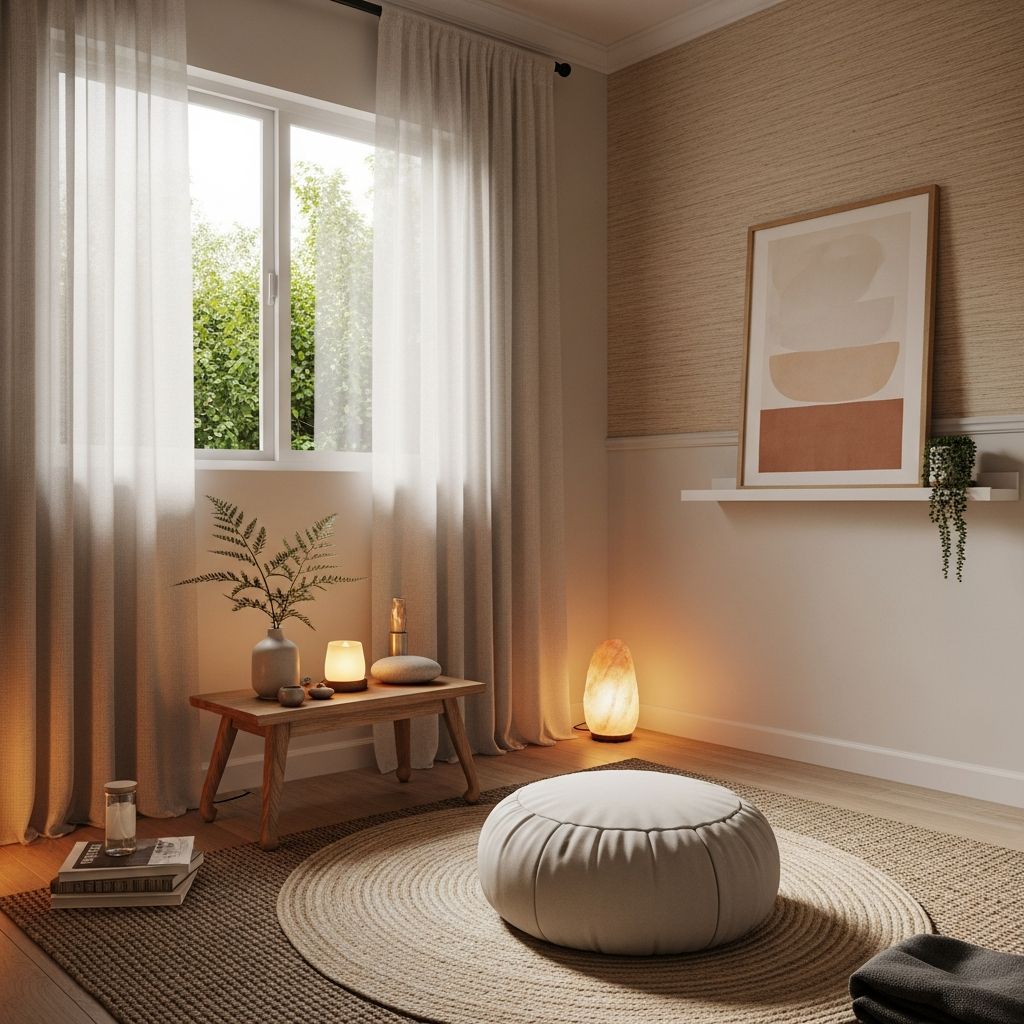
The practice of meditation offers profound benefits for mental clarity, emotional resilience, and overall well-being. Yet many practitioners struggle to establish a consistent routine without a dedicated environment that supports their practice. Building a meditation sanctuary within your home—whether an entire room or a small corner—creates a physical manifestation of your commitment to mindfulness and provides a reliable refuge from daily distractions. This guide explores the essential elements and strategic approaches for designing a meditation space that resonates with your unique needs and spiritual aspirations.
Understanding the Foundation: Location and Space Selection
The first decision in creating your meditation sanctuary involves identifying the optimal location within your living environment. Your chosen space should serve as a retreat from the constant demands and stimulation of modern life. Rather than requiring an entire spare room, an effective meditation area can occupy a modest corner, a window nook, or even a section of your bedroom. The essential requirement is accessibility combined with minimal interruption—a location where household members understand and respect your practice time.
Natural light significantly enhances the quality of your meditation experience. Positioning your space near a window allows sunlight to filter into your sanctuary, creating an uplifting atmosphere that encourages regular practice. If your home lacks ideal window placement, consider a location with consistent, subdued artificial lighting. Equally important is acoustic privacy; select an area away from high-traffic zones, noise-generating appliances, or spaces where family members frequently gather. This intentional separation helps your mind transition from external engagement to internal focus.
Space Options for Different Living Situations
- Bedroom corner equipped with a cushion or meditation chair
- Window alcove or reading nook that captures natural light
- Home office converted partially into a meditation area during specific hours
- Outdoor porch, balcony, or garden space for fresh-air practice
- Spare room developed into a dedicated meditation studio
- Closet space repurposed as an intimate retreat
Establishing Energetic Clarity: Preparation Before Design
Before introducing elements into your meditation space, the area itself requires energetic preparation. This intentional cleansing process removes stagnant or disharmonious energy accumulated through everyday use, allowing your sanctuary to hold the vibration of peace and spiritual intention. This step differs from physical cleaning, though both contribute to creating a welcoming environment.
Several cleansing approaches resonate with different practitioners. Burning sage or palo santo and directing the smoke throughout your space carries centuries of spiritual tradition and supports energetic reset. Sound-based clearing—using bells, chimes, or calming music—resets the vibrational frequency of the environment. Physical cleaning removes dust and clutter while establishing tangible order. Throughout this preparation, set a conscious intention such as, “This space is a sanctuary of peace and healing,” anchoring your purpose into the physical location.
Sensory Design: Creating Multi-Dimensional Comfort
An effective meditation space engages all five senses, creating a comprehensive environment that supports deep practice rather than distraction. This multi-sensory approach transforms a simple corner into a complete sanctuary that naturally guides your consciousness inward.
Visual Elements and Lighting Strategy
The visual character of your meditation space profoundly influences your psychological state upon entering. Avoid harsh overhead lighting, which creates mental stimulation and activates the analytical mind. Instead, implement soft, adjustable lighting through standing lamps, warm string lights, or natural illumination. This gentle approach allows your nervous system to relax and facilitates the transition from external awareness to internal focus.
Decorative elements should support rather than overwhelm your practice. Meaningful objects—whether spiritual symbols aligned with your beliefs, candles representing illumination, crystals symbolizing grounding energy, or plants bringing life force—create visual anchors for meditation. Keep décor intentional and minimal; every item should reflect genuine meaning rather than aesthetic trends. This restraint prevents visual clutter that diverts attention during practice sessions.
Tactile Comfort Through Textiles and Furnishings
Physical comfort directly impacts meditation depth and consistency. Your body requires proper support during extended sitting, making seating selection crucial. A meditation cushion (zafu) elevates your hips while sitting cross-legged, promoting spinal alignment and reducing knee strain. Alternatively, a meditation chair or comfortable armchair provides back support for those with physical limitations. The key is positioning your spine naturally upright while allowing complete relaxation of facial and shoulder muscles.
Expand tactile comfort through layered textiles. A soft area rug beneath your seating defines the space boundary while providing pleasant foot contact. Warm blankets, faux fur throw pillows, or smooth fabric cushions create a cocoon-like environment that encourages extended practice sessions. These elements transform a basic corner into an inviting sanctuary where your body feels genuinely welcomed and supported.
Auditory Atmosphere and Sound Management
Sound profoundly influences meditation quality, yet individual preferences vary significantly. Some practitioners find soft background music—such as ambient instrumental compositions, nature sounds, or binaural beats—enhances focus and masks environmental noise. Others discover that complete silence facilitates deeper internal listening. Alternatively, intentional sound elements like singing bowls, chimes, or water fountains create dynamic soundscapes that anchor attention while masking distracting background noise from household activities or neighborhood traffic.
If your meditation space cannot achieve natural quiet, a white noise machine offers effective acoustic buffering. These devices generate consistent, non-distracting sound that prevents sudden noises from disrupting your practice. This technology proves particularly valuable for urban practitioners or those living in shared housing environments.
Aromatic Environment and Olfactory Support
Scent triggers powerful associations and emotional responses, making aromatherapy an excellent meditation tool. Incense, essential oil diffusers, or naturally scented candles create olfactory anchors that signal to your mind that meditation time has begun. Lavender promotes relaxation and stress relief, while frankincense supports spiritual connection and grounding. Sandalwood, jasmine, and cedarwood offer alternatives based on personal preference and spiritual tradition.
Introduce aromatic elements mindfully; overpowering scents create sensory competition rather than support. A subtle fragrance—barely noticeable but psychologically present—provides optimal effect without overwhelming your olfactory senses or causing discomfort during extended practice.
Essential Components and Sacred Elements
While meditation requires only yourself and your intention, certain objects enhance practice depth and create visual reminders of your spiritual commitment. An altar—whether elaborate or simple—serves as the energetic centerpiece of your sanctuary, holding items of personal spiritual significance.
| Element Type | Examples | Spiritual Significance |
|---|---|---|
| Light Sources | Candles, Himalayan salt lamps, oil lamps | Guidance, illumination, spiritual presence |
| Natural Materials | Crystals, stones, shells, driftwood | Grounding, earth connection, energy flow |
| Plant Life | Fresh flowers, potted plants, herbs | Growth, vitality, nature’s wisdom |
| Spiritual Symbols | Religious icons, Buddha statues, sacred geometry | Faith, tradition, meaningful beliefs |
| Sound Objects | Singing bowls, bells, wind chimes, gongs | Vibrational clarity, intention setting |
| Personal Items | Affirmation stones, journals, meaningful tokens | Intention, reflection, personal connection |
Establishing Meaningful Practice Rituals
Your meditation sanctuary becomes truly powerful when integrated into consistent daily rituals that anchor your spiritual practice. These rituals create neural pathways associating your space with mental calm, making entry into meditative states increasingly effortless over time.
Morning Practice Approaches
- Begin each day with 5-10 minutes of focused breathing to establish mental clarity
- Set specific intentions for the day while seated in your sanctuary
- Practice gentle movement or stretching to prepare your body for meditation
- Journal your goals, affirmations, or reflections before external stimulation
Evening Completion Practices
- Release accumulated stress through guided meditation or body scans
- Write gratitude reflections or lessons learned throughout the day
- Light a candle and sit in silence for ten minutes before sleep
- Practice loving-kindness meditation to cultivate compassion and closure
Advanced Space Development: Beyond Basic Setup
As your practice deepens and commitment strengthens, you may choose to develop your meditation sanctuary into a more elaborate personal retreat. Converting a spare room into a dedicated meditation studio creates a transformative home improvement project with lasting benefits. This approach allows for spacious layouts, specialized flooring like natural wood planks, multiple meditation cushions for different positions, and abundant natural light through large windows.
Outdoor meditation spaces—porches, decks, or garden areas—offer unique benefits including fresh air circulation, connection to natural elements, and the sensory richness of living landscapes. Furnished with layered textiles, soft area rugs, and low tables for journals and reflection materials, outdoor sanctuaries provide seasonal variation and weather-dependent atmosphere. For those with limited space, a meditation shed—increasingly available as high-end structures with cedar construction, French doors, and expansive windows—creates a purpose-built retreat separate from household distractions.
Personalization: Reflecting Your Authentic Self
The most powerful meditation spaces authentically reflect the practitioner’s inner world, beliefs, and spiritual orientation. Your sanctuary should feel deeply personal—a place where the subtle workings of your true self become apparent. Incorporate elements that create genuine resonance: warm blankets reminiscent of comfort, artwork reflecting your aesthetic sensibilities, beads or affirmation stones meaningful to your spiritual path, or Buddha statues, crystals, and icons aligned with your beliefs.
This personalization ensures consistency in your practice. When your meditation space genuinely reflects your values and inner landscape, you experience natural motivation to enter that sanctuary regularly. The environment becomes not an obligation but an attractive refuge that calls you toward deeper self-knowledge and spiritual development.
Frequently Asked Questions About Meditation Spaces
How much space is actually necessary to create an effective meditation area?
An effective meditation sanctuary can occupy as little as a small corner of a bedroom or a single cushion placed strategically in your home. The essential factor is not square footage but rather the quality of tranquility and consistency of access. Many practitioners find that smaller, cozier spaces actually enhance focus compared to large, echoing rooms.
What if I live in shared housing and cannot control noise levels?
White noise machines, strategic use of sound elements like water fountains, and careful timing of practice sessions around quieter household periods address this challenge. Communicating with housemates about your meditation practice and requesting respect for designated quiet times creates collaborative solutions that benefit overall household harmony.
Is it necessary to spend significant money creating an elaborate meditation space?
No. An authentic meditation sanctuary requires only yourself and intentional space. Objects enhance practice but are not prerequisites for meditation effectiveness. Begin with minimal elements—a cushion, a quiet corner, gentle lighting—and allow your sanctuary to develop organically as your practice deepens and your needs clarify.
How do I maintain the energetic quality of my meditation space?
Regular physical cleaning combined with periodic energetic cleansing preserves your sanctuary’s vibrational clarity. Monthly burning of sage or palo santo, ringing bells or playing calming sounds, and setting renewed intentions sustains the peaceful atmosphere you have cultivated.
References
- Creating a Sacred Space: How to Design Your Meditation and Ritual Space at Home — Cactus Moon Apothecary. 2024. https://cactusmoonapothecary.com/blogs/backtobalanced/creating-a-sacred-space-how-to-design-your-meditation-and-ritual-space-at-home
- Ways to Create a Meditation Space at Home — BlissLights. 2024. https://blisslights.com/blogs/blisslights/ways-to-create-a-meditation-space-at-home
- How to Create a Sacred Space at Home for Prayer & Meditation — Jodi Aman, LCSW-R. 2024. https://jodiaman.com/blog/sacred-space/
- How To Create A Meditation Space At Home — Mom’s Design Build. 2023. https://momsdesignbuild.com/say-namaste-with-these-meditation-spaces/
Similar Articles







Read full bio of Sneha Tete