Designing a Roof Addition: Essential Guide
Master roof addition design with expert tips for seamless integration and durability.
Designing a Roof Addition: A Comprehensive Guide
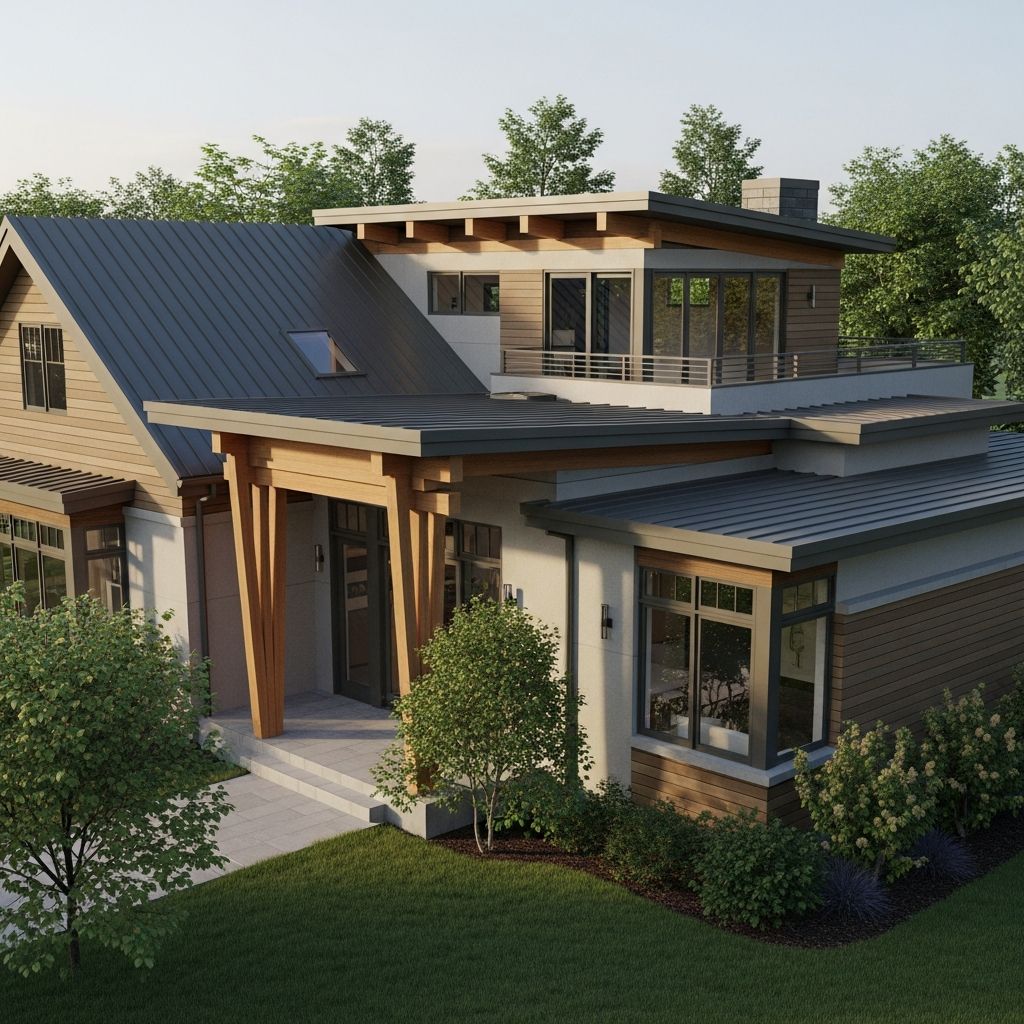
When planning a home addition, one of the most critical considerations is how the new roof will integrate with your existing home structure. A well-designed roof addition not only enhances your home’s functionality but also maintains its aesthetic appeal and ensures long-term durability. Whether you’re adding a single room or expanding multiple areas of your home, understanding the principles of roof design is essential for a successful project.
Understanding Roof Addition Basics
A roof addition involves extending your home’s roofing system to cover newly constructed spaces. This process requires careful planning to ensure that the new roof section aligns properly with the existing structure while maintaining consistent drainage patterns and architectural style. The complexity of your roof addition depends on several factors, including your home’s current roof configuration, the size and location of the addition, and local climate conditions.
Before beginning any roof addition project, you should evaluate your existing roof’s pitch, materials, and structural integrity. This assessment helps determine the best approach for integrating the new roofing system and ensures compatibility between old and new materials.
Key Considerations for Roof Design
Several important factors should guide your roof addition design process:
Roof Pitch Compatibility
Maintaining consistent roof pitch across both existing and new sections is crucial for visual coherence and proper water drainage. When you use the same roof pitch—such as a 5:12 or 6:12 slope—for different sections of your home, the ridge heights will vary based on the building width. A wider structure will naturally produce a higher ridge when maintaining the same pitch. Understanding this relationship helps you visualize how the final roof will look and function.
Water Drainage and Valleys
One of the most critical aspects of roof design is managing water drainage. When roof planes meet at angles, they create valleys that must direct water away from your home’s structure. Poor drainage planning can lead to water accumulation, leaks, and structural damage over time. In regions with significant snowfall, certain valley configurations can create snow traps where snow and ice accumulate, potentially causing roof stress and water damage during spring thaw cycles.
Climate Considerations
Your local climate significantly impacts roof design decisions. In areas with heavy snow loads, you’ll want to avoid creating large valleys or flat sections where snow can accumulate. Conversely, in warmer climates where snow is not a concern, you have more flexibility in roof configuration options. Design choices that might be problematic in snowy regions could work perfectly in climates with minimal precipitation.
Common Roof Addition Designs
Gable Roof Integration
One popular approach involves creating a gable roof on the addition that connects to your existing roof structure. When implementing this design, you can extend the gable roof to align with an existing ridge line on your home. This creates a visually cohesive appearance and simplifies the structural integration. The gable end of the addition can stop at any point along your existing roof structure, though aligning it with an existing ridge line often produces the most aesthetically pleasing results.
Hip Roof Connections
In situations where your existing home features a hip roof, you might design the addition’s roof to die into the hip. This means the new roof ridge terminates at the slope of the existing hip roof. While this is common construction practice, it does create a valley area that requires careful drainage design. If not properly executed, this configuration can create water pooling areas or snow traps in cold climates.
Multiple Roof Planes
For larger additions, you might create multiple roof planes that work together to achieve proper drainage and aesthetic appeal. This approach allows you to design flat or sloped sections strategically positioned to direct water flow while maintaining architectural consistency with your existing home.
Addressing Common Design Challenges
Offset Floor Heights
When your addition’s floor height differs from your existing home, you’ll need to adjust your roof design accordingly. If the floor height is lower, you might need to raise the roof plane to avoid creating valleys that trap water. Alternatively, you can install a roof drainage cricket—a peaked roof structure designed to redirect water around obstacles and prevent pooling.
Garage or Room Setbacks
If you’re adding a room or garage that sits back from your existing home’s wall line, the roof design becomes more complex. Simply extending the roof without modification can create an internal valley where water will pool. Instead, you should either install a roof drainage cricket or redesign the roof plane to direct water appropriately.
Creating Flat Roof Sections
Some roof addition designs incorporate flat roof sections. According to building codes in many jurisdictions, roofing shingles cannot be installed on roof pitches less than 2:12 (2 inches of rise per 12 inches of horizontal run). For truly flat roof areas, you’ll need to use alternative materials such as TPO (thermoplastic polyolefin) roofing, which is commonly used on commercial buildings but can be applied to residential flat roof sections. These materials provide excellent weather protection for low-slope applications.
Design Options for Different Scenarios
Simple Rectangular Addition
For straightforward rectangular additions aligned with your existing home’s wall line, you can often use a simple gable roof design that extends over the new space. This approach is cost-effective and easy to construct, though you should ensure proper water drainage at the intersection point.
L-Shaped or Complex Additions
More complex home shapes require creative roof design solutions. You might bring the gable roof from your addition out to align with an existing ridge line, then extend other roof sections to create the necessary flat planes. This approach can result in multiple valleys but provides excellent visual integration with the existing home.
Addition with Existing Offset Ridges
When adding to a home with multiple existing roof ridges at different heights, you have several options. You can raise your addition’s roof to match the highest existing ridge, creating valleys that slope downward. You can also design the addition’s roof to die into the existing roof structure, though this requires careful drainage planning. Alternatively, you can raise the addition’s floor height to create a cleaner visual line.
Materials and Installation Considerations
Roofing Shingle Selection
When selecting roofing shingles for your addition, choose high-quality materials that match or complement your existing roof. Premium asphalt shingles offer durability and aesthetic appeal while providing excellent weather protection. Ensure that your chosen shingles are compatible with your roof pitch and local climate conditions.
Flashing and Sealants
The intersection between your new and existing roof requires proper flashing installation to prevent water infiltration. Professional-grade flashing materials and sealants designed for your specific roof type and climate ensure long-term weather protection. Proper flashing installation is often more important than the roofing material itself in preventing leaks.
Ventilation and Underlayment
Your roof addition should maintain proper ventilation to extend shingle life and prevent moisture accumulation in the attic space. Ensure that your underlayment meets current building code requirements and that ventilation pathways are properly configured in both the existing and new roof sections.
Planning Your Project
Site Assessment
Before finalizing your design, conduct a thorough assessment of your existing roof structure, including its condition, pitch, and material composition. Take detailed measurements and consider how sunlight, wind direction, and weather patterns will affect your addition.
Local Building Codes
Your roof addition must comply with local building codes and zoning regulations. Building codes typically specify minimum roof pitch requirements for different materials, snow load calculations, and drainage standards. Consult with your local building department to understand all applicable requirements before finalizing your design.
Professional Consultation
While many homeowners can understand basic roof design principles, working with an architect or experienced contractor ensures that your design meets structural requirements and building codes. Professional input also helps identify potential issues before construction begins.
Maintenance and Long-Term Considerations
Once your roof addition is complete, maintain it properly to ensure longevity. Regular inspections of valleys and flashing areas help identify potential issues before they become serious problems. Clean gutters and downspouts regularly to maintain proper water drainage. In snowy climates, monitor valley areas and flat roof sections during winter to ensure snow doesn’t accumulate excessively.
Frequently Asked Questions
Q: Can I use different roofing materials on my addition than my existing home?
A: While it’s possible to use different materials, matching or closely complementing your existing roof material provides better visual consistency. If you must use different materials, ensure they have compatible installation requirements and weather performance.
Q: What roof pitch should I use for my addition?
A: Ideally, match your existing roof pitch for visual consistency and simplified construction. Common residential pitches range from 4:12 to 8:12. Your choice should consider your climate, aesthetic preferences, and local building code requirements.
Q: How do I prevent water damage at the roof intersection?
A: Proper flashing installation, adequate slope for drainage, and strategic placement of valleys are essential. In complex situations, install roof drainage crickets to direct water away from critical areas and prevent pooling.
Q: What is a roof drainage cricket and when do I need one?
A: A roof drainage cricket is a peaked roof structure that prevents water from pooling at intersections. You need one when floor heights differ, when rooms are offset, or when your design would otherwise create problematic valleys.
Q: How do I handle snow in valleys and flat roof sections?
A: In snowy climates, avoid creating large valleys or flat sections where snow accumulates. If unavoidable, design valleys with steep slopes and monitor them during winter. Consider raising your roof height to prevent snow trapping.
Q: Do I need building permits for a roof addition?
A: Yes, roof additions typically require building permits. This ensures your design meets local codes, structural requirements, and safety standards. Permits also protect your home’s resale value and insurance coverage.
References
- International Building Code (IBC) Residential Building Code Standards — International Code Council. 2024. https://www.iccsafe.org/codes-standards/codes/building-codes/
- Roof Pitch and Slope Design Standards — National Association of Home Builders (NAHB). 2024. https://www.nahb.org/
- TPO Roofing Material Specifications and Installation Guidelines — ASTM International Standards. 2024. https://www.astm.org/
- Residential Roof Design and Integration Best Practices — American Society of Civil Engineers (ASCE). 2024. https://www.asce.org/
- Home Addition Structural and Roofing Requirements — U.S. Department of Housing and Urban Development (HUD). 2024. https://www.hud.gov/
Similar Articles







Read full bio of medha deb