Desk Organization Ideas: Create a Productive Workspace
Transform your desk into an organized, productive workspace with practical tips and creative storage solutions.
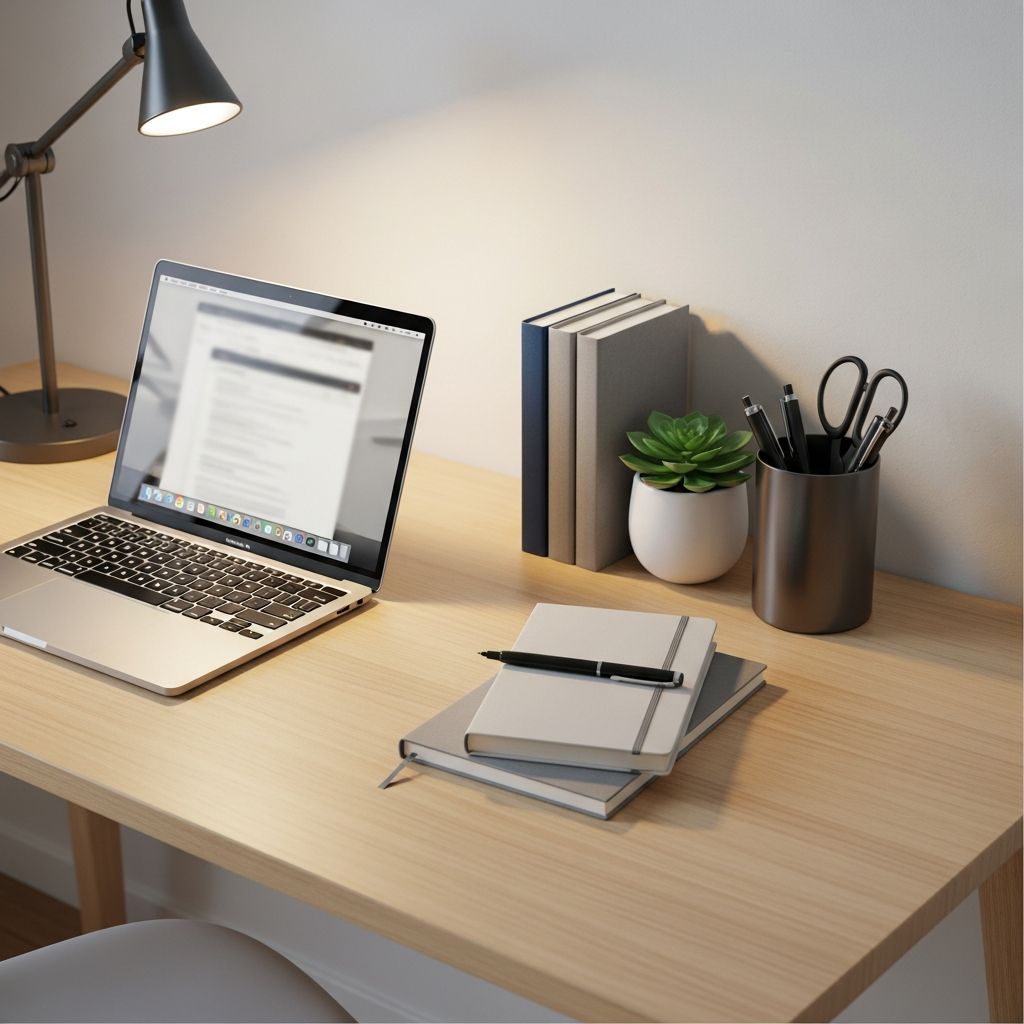
A well-organized desk is the foundation of a productive and inspiring workspace. Whether you work from home, manage a small office, or maintain a creative craft space, the way you organize your desk directly impacts your efficiency, creativity, and overall well-being. Clutter accumulates quickly, distracting you from important tasks and making it difficult to find essential supplies when you need them. By implementing strategic organization solutions, you can transform your desk into a functional and aesthetically pleasing environment that supports your work goals and enhances your daily productivity.
Why Desk Organization Matters
An organized desk goes far beyond aesthetics. When your workspace is properly organized, you spend less time searching for items and more time focusing on meaningful work. Studies show that a clutter-free environment reduces stress, improves concentration, and boosts productivity. Additionally, an organized desk creates positive first impressions during video calls and client meetings, projecting professionalism and competence. By investing time in organizing your desk, you’re investing in your mental clarity, professional image, and long-term success.
Start with a Purge
The first step to an organized desk is ruthlessly evaluating what you actually need. Many people accumulate items over time without realizing how much excess they’re storing. Begin by removing everything from your desk and sorting items into categories: keep, donate, and discard. Be honest about what serves a purpose in your workspace. Old pens that don’t work, outdated paperwork, broken supplies, and items you haven’t used in months should go. This purging process creates mental and physical space for the items that truly matter, making your desk feel more spacious and manageable.
Utilize Clear Storage Containers
Transparency in storage is essential for maintaining an organized desk over time. Glass or clear plastic containers allow you to see exactly what’s inside without opening each one, making it easy to locate supplies at a glance. This visibility encourages you to return items to their designated spots after use, maintaining organization naturally. Clear containers work exceptionally well for storing pens, pencils, markers, paper clips, sticky notes, and other small office supplies. Group similar items together in containers and label them clearly so anyone can find what they need and understand where items belong.
Implement a Labeling System
Labels are your best friend when maintaining desk organization. A label maker creates professional, consistent labels that make your storage system easy to understand and follow. If you prefer a more budget-friendly approach, use a pen and paper or sticky notes to create handwritten labels. Labels serve multiple purposes: they identify container contents at a glance, help family members or colleagues understand your organization system, and make it easier to put items back in the correct location. Take time to label every storage container, drawer, and shelf in your workspace, creating a system that practically organizes itself.
Create Zones for Different Functions
Organize your desk by creating designated zones for different types of work and supplies. A writing zone near your computer can hold pens, pencils, and notepads. A technology zone can house charging cables, USB drives, and adapters. A reference zone might include a small shelf with frequently used books or documents. A creative zone can store art supplies, markers, or decorative items. By assigning specific areas to specific functions, you create a logical workflow that reduces movement and decision-making during your workday. This zone-based approach works particularly well for desks that serve multiple purposes or support various types of work.
Maximize Vertical Space
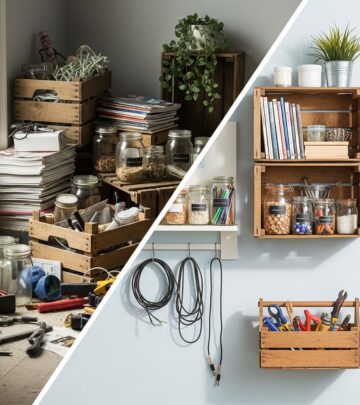
Desk space is precious real estate, and many people underutilize their vertical space. Wall-mounted shelves, pegboards, and floating shelves provide excellent storage opportunities without consuming your desktop surface. Hanging organizers, wall-mounted file holders, and adhesive wall hooks create additional storage while keeping your desk itself clear. A magnetic knife bar mounted on your wall can hold scissors, metal letter openers, and other metal tools. Vertical storage solutions not only save valuable desk space but also keep frequently used items within arm’s reach, improving efficiency and workflow.
Invest in Quality Desk Furniture
The right desk furniture significantly impacts your ability to maintain organization. Desk organizers with multiple compartments provide designated homes for different supplies. Drawer dividers prevent pens, supplies, and other items from becoming jumbled together. A desktop file holder keeps important documents visible and accessible. A small cabinet or storage unit beside your desk provides hidden storage for items you don’t use daily but need to keep nearby. Quality desk accessories not only serve functional purposes but also contribute to your workspace aesthetics, making your desk an inviting place where you enjoy spending time.
Cable Management Solutions
Technology cables quickly transform a tidy desk into a chaotic mess of tangled wires. Effective cable management is crucial for maintaining a clean, organized appearance. Use cable clips, cable sleeves, or spiral wraps to bundle cables together neatly. Label each cable at both ends so you know exactly what connects to what device. Route cables behind your monitor or along the desk’s back edge where they’re out of sight. A power strip with an on/off switch consolidates multiple cables into one connection point, reducing clutter. Proper cable management not only improves aesthetics but also prevents accidents and makes equipment changes easier.
Use Desktop Organizers Strategically
Desktop organizers come in countless styles and configurations, each designed to hold specific items. A pen holder keeps writing utensils upright and accessible. A mail organizer or file holder keeps documents sorted and visible. A small drawer unit provides hidden storage for supplies you use frequently but don’t need on display. A desktop shelf or riser creates additional surface area for storage without expanding your desk footprint. When choosing desktop organizers, consider your specific needs and the items you use most frequently. Select organizers that match your aesthetic preferences, creating a workspace that’s both functional and visually appealing.
Implement a Paper Management System
Paper clutter can quickly overwhelm a desk, especially if you work with documents regularly. Implement a simple paper management system using labeled files, trays, or folders. Create categories such as “Active Projects,” “Pending Action,” “Reference,” and “Archive.” Digitize important documents when possible to reduce physical paper. Use a letter tray or document holder to keep papers organized and visible. Establish a regular filing schedule to prevent papers from accumulating on your desk. A well-organized paper system prevents important documents from getting lost and keeps your desk surface clear for actual work.
Create an Inspiring Aesthetic
Organization doesn’t mean your desk has to be sterile or boring. Add personal touches that inspire and motivate you while maintaining functionality. Include a small plant or vase of flowers to bring life to your workspace. Display inspiring quotes or images that keep you motivated. Choose organizers and desk accessories in colors and styles that reflect your personality. A desk that’s both organized and aesthetically pleasing becomes a space you look forward to spending time in, naturally supporting better productivity and focus. Balance functionality with inspiration to create a workspace that’s uniquely yours.
Maintain Your Organized System
Creating an organized desk is only half the battle; maintaining it requires consistent effort. Establish a daily habit of returning items to their designated locations at the end of your workday. Spend five minutes each morning reviewing your desk and preparing it for the day ahead. Conduct a weekly review to identify items that have accumulated and need to be filed, donated, or discarded. Schedule a monthly deep clean and reorganization session to address any systems that aren’t working well. By treating organization as an ongoing practice rather than a one-time project, you’ll maintain a functional, inspiring workspace consistently.
Adapt Your System to Your Workflow
Everyone’s work style is different, so your desk organization system should reflect your unique needs and preferences. If you work primarily digitally, minimize physical storage and focus on cable management and ergonomics. If you handle lots of paperwork, prioritize document organization and filing systems. If you do creative work, designate space for supplies and materials. If you frequently switch between multiple projects, create systems that allow easy transitions. Your organization system should support how you actually work, not force you into an arbitrary system. Experiment with different approaches, measure what’s working, and adjust your system until it feels natural and efficient.
Frequently Asked Questions
What’s the best way to organize a small desk with limited space?
For small desks, focus on vertical storage using wall-mounted shelves, pegboards, and hooks. Use desk organizers with multiple compartments to maximize surface area. Choose multifunctional furniture that provides storage beneath or within. Keep only essential items on the desk surface, storing everything else in containers or cabinets. Regularly purge items you don’t use to prevent accumulation in limited space.
How often should I reorganize my desk?
Conduct daily maintenance by returning items to their places at day’s end. Complete a weekly review to address accumulated items. Perform a thorough reorganization monthly or quarterly, depending on how quickly your desk accumulates clutter. Adjust your organization system as your needs change, and don’t hesitate to modify what isn’t working.
What’s the most important rule for desk organization?
The most important rule is that every item should have a designated home. When everything has a specific place, you spend less time searching and more time working. This single principle, combined with consistent habits, creates a sustainable organization system that works long-term.
Can I organize my desk without spending much money?
Absolutely. Use items you already have, such as jars for pen storage, boxes for document organization, and small containers for supplies. Create labels using pen and paper. Use wall space for storage with budget-friendly shelves. Repurpose old items into organizers. Many effective organization solutions require only creativity and effort, not significant financial investment.
How can I keep my desk organized when I have multiple projects?
Use color-coding or labeled folders to separate projects. Create a project zone on your desk or nearby shelf for active work. Implement a clear filing system for project-related documents. Use a project management tool or planner to track what’s active. Return completed project materials to storage as soon as projects finish. Clear organization becomes even more important with multiple projects.
References
- 15 Organization Tips for Your Office or Craft Space — HGTV. 2016-10-14. https://www.youtube.com/watch?v=abDPGnrkEuY
- Work in Style: Contemporary Home Office Ideas — HGTV. https://hgtv.co.uk/inspiration/work-in-style-contemporary-home-office-ideas/
- Clean Lines, Clear Mind: Minimalist Home Office Design — HGTV. https://hgtv.co.uk/inspiration/clean-lines-clear-mind-minimalist-home-office-design/
Similar Articles




Read full bio of Sneha Tete