Spotting Water Contamination in Lawn Mower Fuel Tanks
Learn reliable methods to identify and eliminate water from your lawn mower's gas tank for optimal engine performance and reliability.
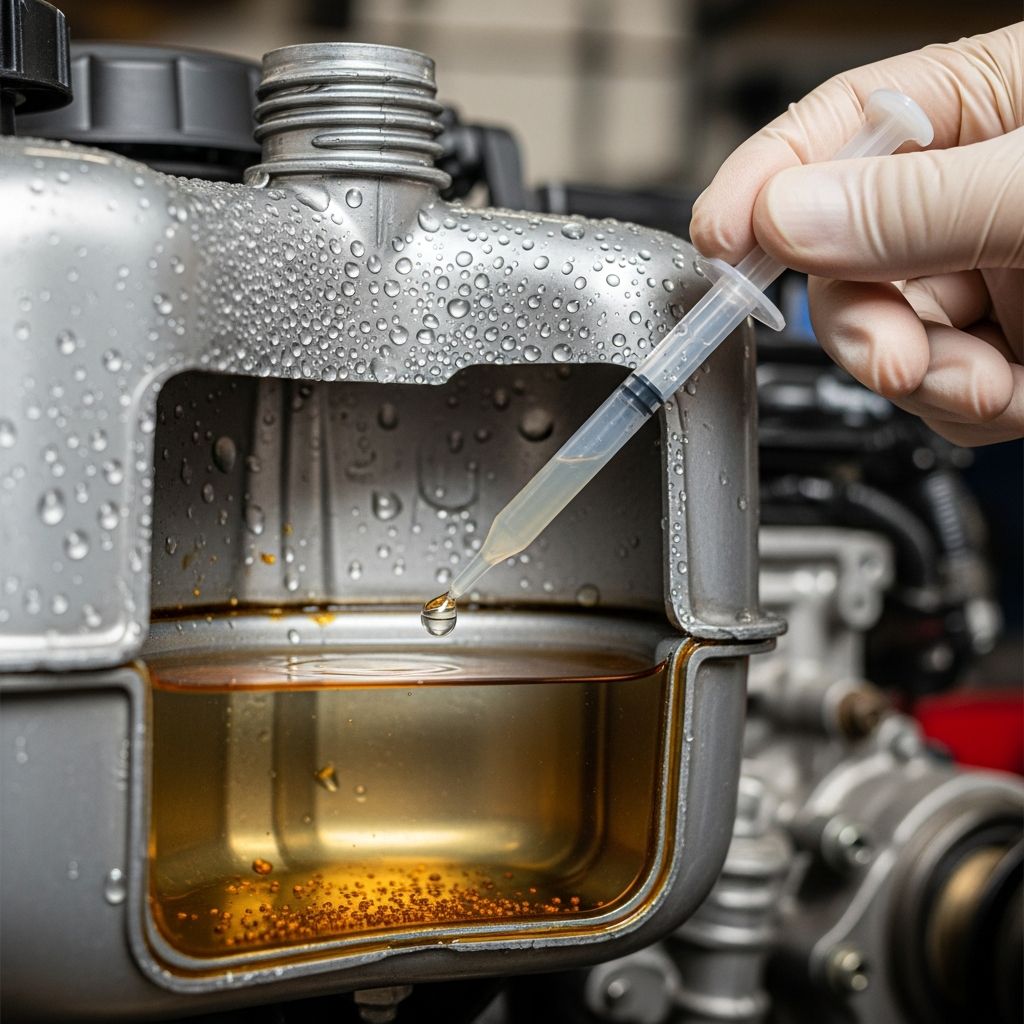
Water in a lawn mower’s fuel tank can turn a simple mowing task into a frustrating ordeal. Unlike gasoline, which is lighter, water sinks to the bottom, getting sucked into the engine first and causing stalls, rough idling, or complete failure to start. Homeowners often encounter this issue after storing equipment over winter or during humid seasons. Recognizing the signs early and knowing how to test for it empowers you to address problems quickly without expensive repairs.
Why Water Builds Up in Fuel Tanks
Fuel tanks aren’t sealed perfectly, allowing moisture from the air to enter. Condensation forms when temperature fluctuations cause humid air inside the tank to cool, especially in partially filled cans or tanks left outdoors. Rain splashing into open vents or contaminated fuel from storage containers exacerbates the problem. Even fresh gas from a station can carry trace water if delivery trucks encounter humid conditions. Over time, this moisture separates from the gasoline due to differing densities—water at the bottom disrupts fuel flow to the carburetor.
Besides immediate engine issues, prolonged exposure leads to corrosion inside the tank and fuel lines. Rusty particles clog jets and filters, while water fosters microbial growth that degrades fuel quality. Addressing contamination promptly maintains performance and prevents costlier damage down the line.
Common Symptoms of Fuel-Water Mixture
Engines react poorly to water-fuel blends. Key indicators include:
- Sudden engine death after brief operation, as the fuel pickup draws water.
- Erratic revving or surging before stalling, from inconsistent combustion.
- Difficulty starting, even with a primed bulb or choke.
- Milky or hazy fuel when drained.
- Fouled spark plugs with wet, sooty deposits.
These symptoms mimic other issues like clogged filters or bad plugs, but water contamination often presents abruptly after storage or rain exposure. Visual tank inspection or simple tests confirm the diagnosis.
Visual Detection Techniques
The simplest check starts with your eyes. Tilt the mower gently and peer into the tank. Shake it lightly—tiny bubbles clinging to the bottom signal water separated from gas. For confirmation, siphon a sample into a clear jar. Let it settle for 15 minutes; a distinct clear layer beneath the amber gasoline reveals contamination. This method requires no special tools and works best on transparent or well-lit tanks.
If the tank is opaque, use a flashlight or phone light to probe corners. Rust streaks or cloudy residue also hint at moisture history. Always perform this on a level surface to avoid spills.
Using Chemical Indicators for Precise Testing
Water-finding paste provides lab-like accuracy at home. Coat a clean stick or dowel with paste from auto stores, insert to the tank bottom, and wait 30 seconds. A color shift—often yellow to red or pink—confirms water contact. This beats visual checks for small amounts, as paste reacts specifically to moisture.
| Method | Tools Needed | Accuracy Level | Best For |
|---|---|---|---|
| Visual Jar Test | Clear jar, siphon | High for layers | Obvious contamination |
| Water-Finding Paste | Paste, stick | Very High | Trace amounts |
| Filter Inspection | Wrenches | Moderate | Advanced symptoms |
Inspecting Fuel System Components
Water often traps in the fuel filter or carburetor bowl. Disconnect the filter—positioned along the fuel line—and drain it. Droplets, milky fluid, or rust indicate intrusion. For carburetors, remove the bowl via screws; bubbles under residual fuel scream water. Clean with carb cleaner, inspect diaphragms for tears (which worsen surging), and reassemble with fresh gaskets.
Safety first: Disconnect the spark plug wire to prevent accidental starts. Work in a ventilated area away from flames.
Safe Removal and Draining Procedures
Once confirmed, drain fully. Position a pan under the tank, loosen the petcock or bolt, and tilt to empty. Dispose of contaminated fuel at hazardous waste sites—never pour down drains. For stubborn residue, add a fuel dryer like isopropyl alcohol (follow ratios on label) to absorb remaining water, then drain again.
Flush the tank with clean gas or a vinegar-water mix for rust, rinse thoroughly, and dry completely. Reinstall components, add stabilized fresh fuel, and test-run the engine.
Preventive Strategies for Dry Fuel
- Store mowers in dry sheds; cover tanks tightly.
- Use fuel stabilizers with water dispersants year-round.
- Keep tanks full to minimize air space and condensation.
- Run equipment dry before off-season storage or add stabilizer.
- Buy fuel in small quantities from trusted stations.
Install inline water-separating filters for chronic issues. Regular maintenance—like annual carb cleans—catches problems early.
Advanced Troubleshooting for Persistent Problems
If water recurs, check vent hoses for blockages allowing pressure buildup. Test fuel caps for seal integrity. For metal tanks, apply rust inhibitors post-cleaning. In humid climates, consider ethanol-free gas, as it holds less water.
Professional diagnostics use electronic sensors for precise water percentages, ideal for warranty claims.
Frequently Asked Questions
Can a little water harm my mower engine?
Yes—even small amounts disrupt combustion, corrode parts, and promote gunk buildup. Drain immediately.
How much water triggers symptoms?
As little as 1-2 teaspoons in a full tank can stall small engines due to bottom-feeding pickups.
Is fuel additive enough to fix it?
Additives absorb minor traces but won’t handle layers; always drain first.
Why does my mower run briefly then die?
Initial gas burns clean, then water hits the carburetor.
Should I replace the entire fuel system?
Rarely—cleaning suffices unless corrosion is severe.
Long-Term Maintenance Calendar
| Season | Action |
|---|---|
| Spring Start | Drain old fuel, inspect tank, new stabilized gas |
| Mid-Season | Check filter, run stabilizer monthly |
| Pre-Storage | Run dry or stabilize, store dry |
Implementing these routines ensures reliable starts season after season.
References
- Water in your lawn mower gas tank — DIY Engine & Workshop. 2013-02-08. https://www.youtube.com/watch?v=xDlb_o-ylI0
- How to Detect and Remove Water from Your Fuel Tank — Fleet Rabbit. N/A. https://fleetrabbit.com/blogs/post/how-to-detect-and-remove-water-from-your-fuel-tank
- How to Detect Water in a Storage Tank — Tanks Direct. 2015-06-10. https://tanksdirect.com/2015/06/10/how-to-detect-water-in-a-storage-tank/
- How to Detect Water in a Fuel Tank — YouTube (Grain CFS). N/A. https://www.youtube.com/watch?v=VTzGmfDxDsc
Similar Articles


Read full bio of Sneha Tete