Detecting Aluminum in Water: Essential Testing Guide
Learn proven methods to identify and measure aluminum levels in your water supply for safer drinking and household use.
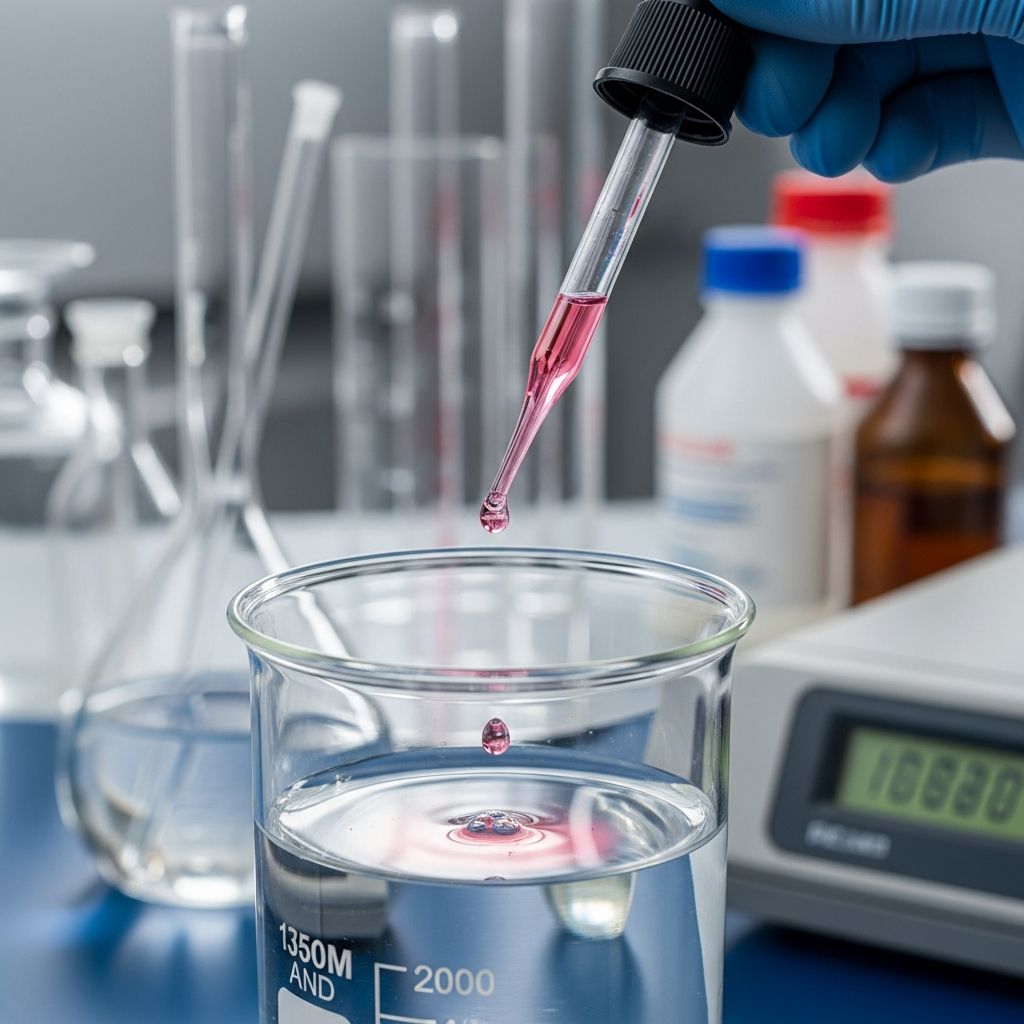
Aluminum, a common element in water treatment processes, can accumulate in drinking water sources and pose potential health concerns if levels exceed safe thresholds. Understanding how to accurately test for it empowers homeowners and water managers to maintain quality supplies.
Understanding Aluminum Presence in Water Sources
Aluminum enters water primarily through natural soil erosion or as a coagulant in municipal treatment plants, where compounds like aluminum sulfate help remove impurities. While trace amounts occur naturally, elevated concentrations often stem from industrial runoff, corroding pipes, or suboptimal treatment practices. Surface waters treated with flocculants show higher median levels compared to groundwater, with concentrations sometimes reaching 0.023 mg/L in treated supplies.
In household settings, well water or aging plumbing can introduce additional aluminum, especially in acidic conditions that leach the metal from fixtures. Monitoring these sources prevents unintended exposure, particularly for vulnerable groups like those with kidney issues who struggle to excrete it.
Health Implications of Elevated Aluminum Levels
Current research indicates low-level aluminum in water is unlikely to cause immediate harm, but higher concentrations raise concerns for neurodegenerative conditions. Studies link levels above 0.1 mg/L to increased dementia and Alzheimer’s disease risk, with adjusted relative risks reaching 2.20 for Alzheimer’s in exposed populations. Acute high exposure may trigger nausea, vomiting, or mouth ulcers, though toxicity more commonly arises from inhalation or antacid overuse rather than water alone.
Particularly at risk are dialysis patients, children, and the elderly, where aluminum competes with calcium absorption, potentially leading to bone disorders. A protective role for silica has been noted, with levels above 11.25 mg/L correlating to reduced dementia risk by limiting aluminum bioavailability. The U.S. CDC notes oral exposure is generally safe, but ongoing studies explore brain accumulation links to diseases like Parkinson’s and ALS.
Regulatory Benchmarks for Aluminum Safety
| Authority | Guideline/Limit | Purpose |
|---|---|---|
| EPA SMCL | 0.05-0.2 mg/L (PPM) | Non-mandatory; prevents aesthetic issues like haze or color |
| FDA (Bottled Water) | 0.2 PPM | Aesthetic protection, not health-based |
| WHO | No immediate toxicity at low levels; monitor for Alzheimer’s links | Health advisory |
| Health Canada | High levels may affect nervous system | Public health guidance |
These standards focus on cosmetic effects, as aluminum imparts no taste or odor below 0.2 PPM but can cause bluish discoloration or turbidity at higher levels. Water providers aim below 0.05 PPM where feasible.
Signs Indicating Possible Aluminum Contamination
- Cloudy or hazy water appearance, especially after standing.
- Bluish tint in stored water samples.
- Increased scaling or deposits in pipes and appliances.
- Unexplained gastrointestinal discomfort in households using untreated well water.
- Reports from municipal notices about coagulant use in treatment.
Visual cues alone are unreliable; professional testing confirms presence and quantity.
DIY Testing Options for Quick Screening
Home test kits offer accessible first-line detection using colorimetric reagents that change color in aluminum’s presence. Select kits certified for heavy metals, following these steps:
- Collect a fresh water sample in a clean container, avoiding metal taps.
- Add the provided reagent per instructions, typically 5-10 drops per 10 mL.
- Shake gently and compare color against the kit’s chart after 1-5 minutes.
- Note results in mg/L; most detect 0.01-0.5 PPM ranges.
Limitations include lower accuracy for low levels and interference from iron or manganese. Kits from reputable brands provide semi-quantitative results suitable for initial checks.
Laboratory Analysis for Precise Measurements
For definitive results, submit samples to certified labs using methods like inductively coupled plasma mass spectrometry (ICP-MS) or atomic absorption spectroscopy, detecting down to 0.001 mg/L. Procedures include:
- Using lab-supplied bottles preserved with nitric acid to stabilize metals.
- Ship within 28 days via overnight service to prevent changes.
- Expect reports within 5-10 business days detailing exact concentrations and comparisons to standards.
Costs range $50-150 per sample, ideal for wells, private systems, or confirming home tests. Annual testing recommended for high-risk sources.
Interpreting Test Results and Next Steps
If results exceed 0.2 PPM, investigate sources like treatment residuals or corrosion. Below 0.05 PPM is optimal; 0.05-0.2 PPM warrants monitoring. Action plans:
| Level (PPM) | Recommendation |
|---|---|
| <0.05 | Excellent; continue routine checks. |
| 0.05-0.1 | Monitor quarterly; consider filtration. |
| 0.1-0.2 | Install reverse osmosis; retest post-treatment. |
| >0.2 | Immediate remediation; consult professionals. |
Reverse osmosis, distillation, or anion exchange effectively remove 90-99% of aluminum.
Advanced Monitoring for Water Systems
Municipalities employ online sensors for real-time tracking during coagulation, adjusting dosages to minimize residuals. Homeowners with advanced setups can use continuous monitors, though lab verification remains essential. Pair aluminum tests with pH, silica, and other metals for comprehensive profiles, as silica mitigates risks.
Preventive Strategies to Minimize Exposure
Beyond testing, flush taps weekly, use certified filters, and opt for silica-rich bottled water if concerned. For wells, soften acidic water to reduce leaching. Public advocacy ensures treatment plants optimize coagulants.
Frequently Asked Questions (FAQs)
What is a safe aluminum level in drinking water?
EPA recommends below 0.05-0.2 PPM for aesthetics; health studies flag risks above 0.1 PPM.
Can home kits accurately detect aluminum?
They provide quick screening but lack lab precision; confirm positives professionally.
Does aluminum cause Alzheimer’s disease?
Associations exist at high levels (>0.1 mg/L), but causation unproven; vulnerable groups monitor closely.
How often should I test my water for aluminum?
Annually for wells, after plumbing changes, or if using unverified sources.
What removes aluminum from water effectively?
Reverse osmosis and deionization systems achieve high removal rates.
Environmental Considerations of Aluminum in Water
Beyond health, excess aluminum harms aquatic ecosystems by impairing fish gills and reducing biodiversity. Wastewater residuals demand careful management to avoid sediment buildup.
References
- Risks of Excess Aluminium in Drinking Water and Wastewater — Palintest. 2023. https://www.palintest.com/risks-of-excess-aluminium-in-drinking-water-and-wastewater/
- Aluminum in Drinking Water Guide — SimpleLab Tap Score. 2023. https://mytapscore.com/blogs/tips-for-taps/aluminium-in-drinking-water-everything-you-need-to-know
- Relation between aluminum concentrations in drinking water and Alzheimer’s disease — NIH/PMC. 2008-01-15. https://pmc.ncbi.nlm.nih.gov/articles/PMC2215380/
- Aluminum Public Health Statement — CDC/ATSDR. 2008. https://wwwn.cdc.gov/tsp/phs/phs.aspx?phsid=1076&toxid=34
- Aluminum Fact Sheet — Water Quality Association. 2014. https://wqa.org/wp-content/uploads/2022/09/2014_Aluminum.pdf
- Water Talk: Aluminum in drinking water — Health Canada. 2023. https://www.canada.ca/en/health-canada/services/environmental-workplace-health/reports-publications/water-quality/water-talk-aluminum-in-drinking-water.html
Similar Articles


Read full bio of medha deb