Diagnosing Lawn Discoloration: A Complete Guide
Master the art of identifying what's killing your grass and restore your lawn to health
Diagnosing Lawn Discoloration: A Complete Guide to Identifying and Fixing Brown Spots
A lush, vibrant lawn is often the pride of any homeowner, but when unsightly brown patches begin appearing across your grass, it can quickly become a source of frustration. The challenge is that brown spots rarely stem from a single cause, making diagnosis critical before you can implement an effective solution. Whether you’re dealing with a fungal infection, environmental stress, or pest damage, understanding what’s actually happening beneath your grass is the first step toward recovery.
Understanding the Scope of the Problem
Brown spots in lawn care represent one of the most common complaints among homeowners and landscaping professionals alike. The issue is complicated because numerous factors can contribute to discoloration, and multiple problems can sometimes occur simultaneously. To effectively address brown spots, you must first become a detective in your own yard, observing patterns, checking soil conditions, and examining the grass closely to determine the underlying culprit.
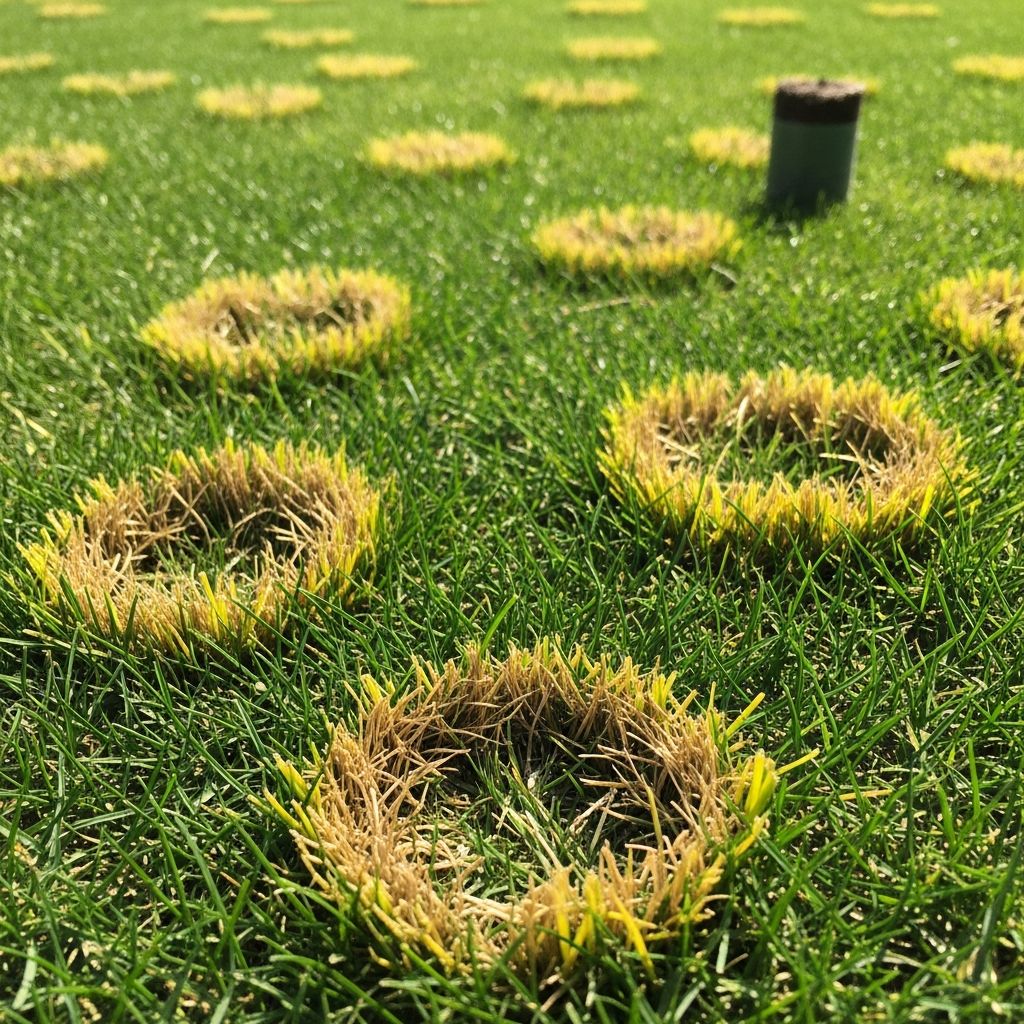
The appearance and location of brown spots often provide valuable clues about their origin. Some patches develop gradually over weeks, while others appear seemingly overnight. Some are perfectly circular, others are irregular, and still others follow distinct patterns related to foot traffic or irrigation coverage. By learning to read these visual signals, you can narrow down the potential causes and choose the most appropriate treatment strategy.
Fungal Infections: The Most Common Culprit
Fungal diseases represent the leading cause of brown spots across most lawns in North America, particularly during specific seasons when temperature and moisture conditions align perfectly with fungal growth requirements. These microscopic organisms thrive when grass remains wet for extended periods, soil lacks adequate air circulation, and environmental conditions favor their proliferation.
Brown Patch Disease
Brown patch, caused by the fungus Rhizoctonia, typically emerges during hot, humid summers and creates one of the most recognizable patterns in affected lawns. The disease produces circular patches with a distinctive appearance: a yellowish-brown center surrounded by a purple-gray “smoke ring” border that resembles a target or bullseye. Inside this ring, grass often thins rather than dies completely, though severe cases can result in total turf death.
The conditions promoting brown patch include excessive thatch accumulation, overapplication of nitrogen fertilizers, poor soil compaction, insufficient drainage, and lawns that remain wet overnight. Peak activity occurs when air temperatures range between 75 and 85 degrees Fahrenheit, combined with prolonged moisture from rain, heavy dew, or excessive irrigation.
Other Fungal Diseases
Beyond brown patch, numerous other fungal diseases can damage turf, though they’re typically less common:
- Dollar spot produces small circular patches resembling silver dollar coins
- Anthracnose creates irregular brown areas often appearing in stressed turf
- Gray leaf spot emerges as small spots on individual grass blades
- Rust appears as a reddish or orange powder on grass surfaces
- Pythium blight develops in wet conditions and causes rapid grass death
- Summer patch creates circular patches in mid-to-late season heat
- Spring dead spot affects cool-season grasses in warming spring temperatures
Soil-Related Issues and Environmental Stress
Inadequate Watering
The most prevalent cause of lawn browning stems from insufficient water supply. When grass cannot access adequate moisture, it enters a stress response that manifests as browning. However, diagnosing water-related browning requires understanding your specific irrigation coverage, as brown spots often appear in areas with poor sprinkler overlap or zones that dry out faster than surrounding turf.
The solution involves establishing a consistent watering schedule that provides deep, infrequent irrigation rather than frequent shallow watering. This approach encourages deeper root development and builds drought resilience. In regions with water restrictions, alternatives include aerating to improve water penetration and using mulching mowers to retain soil moisture.
Compacted Soil and Poor Drainage
Compacted soil prevents grass roots from expanding properly, restricts water and nutrient absorption, and creates conditions favoring fungal growth. When soil becomes hard and dense—often from heavy foot traffic, vehicle passage, or poor initial installation—grass above it deteriorates as roots cannot access necessary resources.
Aeration solves compaction by creating small holes throughout the soil profile, improving drainage, and allowing root expansion. This process should be performed during active growth periods when the grass can recover quickly from the disturbance.
Nutrient Imbalances
Excessive nitrogen fertilization represents a paradoxical problem: while nitrogen promotes green growth, overapplication actually increases susceptibility to fungal diseases and burns grass directly. Similarly, nutrient deficiencies prevent proper grass development and can create thin, weak turf prone to browning.
The solution involves soil testing to determine current nutrient levels and applying fertilizers with appropriate NPK ratios based on your specific turf type and soil conditions. Balanced nutrition supports healthy growth while reducing disease susceptibility.
Pest-Related Damage and Insect Issues
Grub Infestation
Grubs, the larval stage of various beetle species, cause significant damage by consuming grass roots underground. These plump, white larvae sever roots as they feed, preventing plants from accessing water and nutrients. The resulting damage creates sponge-like brown patches or areas where turf pulls up like a carpet.
To diagnose grub damage, dig up a 12-inch square of affected grass and examine the soil for white larvae. Severe infestations allow turf to roll up easily due to severed roots. Treatment options include natural methods like beneficial nematodes or milky spore, as well as synthetic pesticides for more severe cases.
Other Insect Pests
While grubs represent the most damaging lawn insect, other pests including chinch bugs, armyworms, and various beetles can also contribute to browning, though they’re typically less severe.
Cultural Practices and Maintenance Problems
Mowing Mistakes
Improper mowing creates multiple pathways to browning. Dull mower blades tear rather than cleanly cut grass blades, leaving ragged edges that die or invite fungal colonization. Additionally, cutting grass too short—known as scalping—stresses turf and creates brown spots by removing too much leaf tissue needed for photosynthesis.
Preventive measures include sharpening mower blades in spring and fall, and maintaining a cutting height that removes no more than the top third of grass blades during any single mowing session.
Thatch Accumulation
Thatch, a layer of dead and decaying plant material between grass blades and soil, prevents water and nutrients from reaching roots. When thatch becomes excessive, grass plants sometimes send roots upward into this layer seeking resources, but since thatch doesn’t retain moisture, plants dry out and brown spots develop.
Dethatching and aeration eliminate excessive thatch buildup, restoring water and nutrient flow to the root zone.
Pet-Related Damage
Dog urine creates brown spots identical in appearance to over-fertilization damage, since both involve high nitrogen concentrations that burn grass. These spots characteristically display brown centers surrounded by dark green outer rings. Immediate raking and covering affected areas with topsoil followed by grass seed and consistent watering for two weeks promotes recovery.
Seasonal Dormancy Considerations
Natural dormancy patterns sometimes create the appearance of browning when grass is actually responding normally to seasonal changes. Warm-season grasses turn brown during winter dormancy, while cool-season varieties may brown during summer heat stress. In transition zones containing mixed grass types, different species enter dormancy at different times, creating patchy browning that represents normal physiology rather than disease or damage.
Systematic Diagnostic Approach
To effectively identify brown spot causes, follow this diagnostic sequence:
- Observe the pattern: Note whether browning is random, follows irrigation lines, concentrates in high-traffic areas, or appears in circular patches
- Examine grass closely: Look for fungal structures, damage patterns, or other visual clues on individual blades
- Check soil conditions: Dig small samples to assess compaction, moisture levels, and check for grub presence
- Review recent activities: Consider recent fertilization, irrigation changes, mowing frequency, or weather patterns
- Monitor progression: Track whether the problem spreads, remains static, or improves over time
- Test soil quality: Use DIY kits or professional testing to determine nutrient levels and pH
Treatment and Prevention Strategies
Once you’ve identified the cause, implement targeted solutions:
| Problem | Primary Treatment | Prevention Strategy |
|---|---|---|
| Fungal disease | Fungicide application, improve drainage | Maintain proper nitrogen levels, avoid evening watering |
| Grub damage | Nematodes or pesticides | Maintain healthy turf density, minimize stress |
| Inadequate water | Establish regular irrigation schedule | Deep, infrequent watering; aerate for better absorption |
| Compacted soil | Aerate lawn | Regular aeration, minimize heavy foot traffic |
| Overfertilization | Flush area, reduce applications | Follow recommended rates, soil testing |
| Poor mowing | Sharpen blades, adjust cutting height | Regular blade maintenance, proper cutting height |
Frequently Asked Questions
How long does it take to recover from brown spots?
Recovery timeline depends on the cause and severity. Water-stressed areas may recover within days after irrigation begins. Grub damage typically requires 4-6 weeks for new growth to cover affected areas. Fungal diseases generally improve within 2-3 weeks after treatment begins, though complete recovery may take longer.
Should I use fungicide on all brown spots?
No. Applying fungicide to non-fungal browning wastes money and may harm beneficial soil organisms. Accurate diagnosis is essential before selecting treatments. If unsure, consult a local lawn care professional or extension service.
Can brown spots return after treatment?
Yes, if underlying conditions persist. Simply treating symptoms without addressing root causes often results in recurrence. Focus on prevention through proper maintenance, appropriate watering, balanced fertilization, and good drainage.
Is brown spot damage permanent?
Most brown spot damage is reversible if addressed promptly. Dead turf may require reseeding, but most browning involves stress rather than death, allowing recovery once conditions improve.
References
- How to Get Rid of Brown Spots in Your Lawn — Lawn Love. 2024. https://lawnlove.com/blog/how-to-get-rid-of-brown-spots-in-lawn/
- Brown Spots in Grass: Identification and Prevention — This Old House. 2024. https://www.thisoldhouse.com/lawns/what-causes-brown-spots-in-lawns
- What Causes Brown Spots in the Lawn? — ScottsMiracle-Gro US. 2024. https://scottsmiraclegro.com/en-us/learn/lawn-care/what-causes-brown-spots-in-the-lawn.html
- How to Fix Brown Patches in Your Lawn — Rain Bird. 2024. https://www.rainbird.com/homeowners/blog/brown-patches
- How to Spot and Treat Brown Spots in Your Lawn — Organic Lawns. 2024. https://www.organiclawns.net/blog/how-to-spot-and-treat-brown-spots-in-your-lawn/
- Brown Patch Lawn Disease: Identify, Control & Repair — Davey Tree. 2024. https://www.davey.com/insect-disease-resource-center/brown-patch-disease/
- Brown Spots in the Lawn — PlantTalk Colorado, Colorado State University. 2024. https://planttalk.colostate.edu/topics/lawns/1553-brown-spots-lawn/
Similar Articles







Read full bio of Sneha Tete