Diagnosing and Resolving Whistling Water Pipes
Learn to identify causes and implement effective solutions for noisy water pipes.
Understanding the Root Causes of Whistling Plumbing Systems
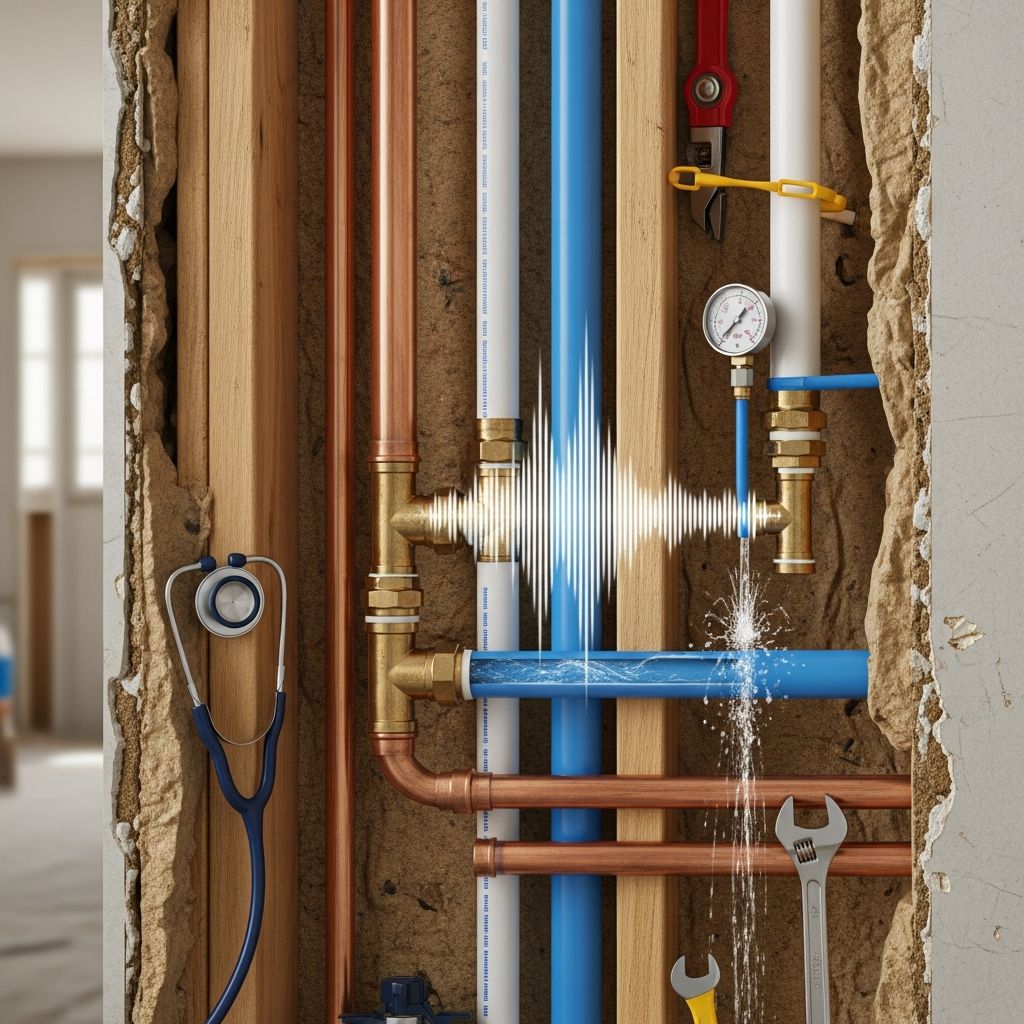
Whistling sounds coming from water pipes represent one of the most common plumbing complaints homeowners face. Unlike banging or knocking noises that typically indicate water hammer, whistling noises emerge from a distinctly different set of mechanical circumstances within your plumbing system. When water travels through pipes at elevated velocities, it can create vibrations that produce high-pitched sounds as the fluid navigates through valves, fixtures, and pipe restrictions.
The primary culprit behind whistling pipes is excessive water pressure coursing through your plumbing network. Municipal water suppliers typically maintain pressure between 40 and 80 pounds per square inch (psi), but variations in your local system or malfunctioning pressure regulators can push this well beyond safe operating ranges. When pressure exceeds optimal levels, water molecules accelerate through pipes and fixtures, generating the characteristic whistling tone that many homeowners find particularly irritating.
Beyond simple pressure issues, whistling can result from worn valve components, partially closed shutoff valves, or deteriorated fill mechanisms in toilet tanks. The irregular surfaces and partial obstructions within these components cause water to vibrate as it passes through, similar to how wind creates sound when passing across or through narrow openings.
Preliminary Diagnostic Steps for Identifying Noise Sources
Before attempting any repairs, you must accurately locate where the whistling originates within your plumbing system. Systematic investigation helps distinguish between different types of noises and determines whether the issue stems from incoming water supply or outgoing drain lines.
Begin by noting when the whistling occurs—specifically, whether it happens when you open faucets, flush toilets, run appliances, or occurs continuously throughout the day. Pay attention to which fixtures trigger the noise. If whistling starts when you turn on the kitchen faucet but remains silent when you use the bathroom sink, the problem likely involves components specific to that particular supply line.
Next, carefully observe whether the noise intensifies or diminishes based on water usage patterns. Turn off water at individual fixtures and observe if the whistling stops. Work methodically through your home, testing each faucet, toilet, and appliance connection. This process of elimination significantly narrows the potential problem areas.
Listen for variations in pitch and volume as you move through your home. High-pitched whistling specifically points toward pressure-related issues, while lower-frequency sounds might indicate different mechanical problems. Understanding these subtle distinctions helps you communicate more effectively with plumbing professionals if professional assistance becomes necessary.
Evaluating Water Pressure as the Primary Culprit
Elevated water pressure represents the most frequent cause of whistling in residential plumbing systems. Water supply companies can assess your system’s pressure to determine if levels exceed normal operating parameters. Many utilities offer this service complimentary or for a minimal fee.
You can perform a preliminary pressure assessment yourself using an inexpensive pressure gauge available at hardware stores. Attach the gauge to an exterior faucet or hose bib and record the reading when no water is running elsewhere in your home. Readings consistently above 80 psi suggest pressure regulation problems requiring attention.
High pressure doesn’t just create annoying noises—it stresses pipe joints, accelerates fixture wear, and increases the likelihood of leaks throughout your plumbing system. Some homeowners experience a 20 to 30 percent increase in water consumption when operating under excessive pressure, resulting in higher utility bills alongside the noise problem.
If pressure testing confirms elevated levels, installing a pressure-reducing valve (PRV) offers a straightforward solution. Many water supply companies can install these devices at the main water line entry point, regulating incoming pressure to acceptable levels. This single installation typically eliminates whistling related to high pressure while protecting your entire plumbing infrastructure.
Addressing Faulty Shutoff Valves and Fixtures
Individual shutoff valves controlling supply to specific fixtures frequently develop internal wear that creates whistling or squealing noises. These valves contain moving components that regulate water flow, and years of operation can degrade internal seals and passages.
Inspect visible shutoff valves beneath sinks, near toilets, and at washing machine connections. A partially closed valve—even when seemingly fully open—can create significant whistling as water forces through the partially obstructed opening. Try slowly opening suspected valves completely while listening for noise reduction.
Toilet fill valves warrant particular attention, as these components constantly regulate water entering the tank. Worn internal washers or corroded valve seats commonly produce whistling or squealing when the toilet tank refills after flushing. Replacing fill valve assemblies typically costs between $15 and $50 for the component, though professional installation may add labor charges.
Faucet aerators—the small screens at faucet tips—occasionally accumulate mineral deposits that partially obstruct water flow. Removing and cleaning aerators sometimes eliminates whistling at specific fixtures. For severely corroded aerators, replacement provides an economical fix costing just a few dollars.
Implementing Pressure Reduction Solutions
Once you’ve confirmed that excessive pressure causes your whistling pipes, reducing that pressure becomes your primary repair strategy. Pressure-reducing valves work by narrowing the water pathway slightly, controlling how rapidly water enters your home’s plumbing system.
Professional installation of a PRV at your home’s main water line entry point solves pressure-related whistling comprehensively. These devices typically adjust to deliver 50-60 psi, protecting your entire plumbing system while eliminating noise problems. Installation usually requires cutting into the main water line and installing the valve with appropriate fittings.
Many municipalities can install PRVs through their water department at reasonable costs, sometimes charging under $100 including the device and labor. Some water companies install them free for customers experiencing pressure issues, viewing it as preventive maintenance that reduces service calls and system stress.
After PRV installation, monitor your water pressure for several days to confirm stable operation. Some valves require minor adjustments after installation to achieve optimal settings. Take readings at different times during the day and week, as pressure can fluctuate based on system-wide demand variations.
Tackling Air Accumulation in Plumbing Lines
While less common than pressure issues, trapped air within water lines occasionally produces whistling or whining noises as water pushes air bubbles through narrow passages and valves. This typically occurs following maintenance work, water main breaks in your neighborhood, or temporary service interruptions.
If you suspect air in your lines, open the highest faucet in your home and let water run for several minutes. Air naturally rises through plumbing systems and exits through the highest available outlet. Simultaneously open the lowest faucet in your home to allow air to escape from below.
Run water through exterior hose bibs, particularly those at higher elevations. The combination of gravity and pressure helps purge trapped air from your system. This process might require 10 to 15 minutes of continuous flow, though air removal frequently happens within a few minutes.
If whistling persists after thorough flushing, the issue likely stems from pressure rather than air. However, the flushing process also serves to clear mineral deposits and sediment from your lines, improving overall water quality regardless of whether it resolves your noise complaint.
Replacing Worn Components and Fixtures
Components that have reached the end of their operational lifespan frequently develop internal damage that produces whistling. Rather than attempting repairs on severely worn parts, replacement provides a permanent solution that often costs less than multiple repair attempts.
Toilet fill valves represent an excellent candidate for replacement, as these inexpensive components ($15-$40) commonly wear out over 5-10 years of service. Universal replacement kits fit most toilet models and include everything necessary for installation. Most homeowners can complete this replacement in under 30 minutes without special tools.
Whole-home water pressure regulation systems offer another replacement option for homes with persistent pressure problems despite standard PRV installation. These systems provide more sophisticated pressure management and can include additional filtration, potentially improving water quality while solving noise issues.
Consider upgrading older shutoff valves to modern ball valves, which operate more smoothly with fewer internal components prone to wear. Ball valves rarely produce noise and provide more reliable shutoff characteristics than older gate valve designs.
Comparison of Common Fixture Replacements
| Component Type | Average Cost | Installation Difficulty | Expected Lifespan |
|---|---|---|---|
| Toilet Fill Valve | $15-$40 | Easy (DIY) | 5-10 years |
| Pressure Reducing Valve | $50-$150 | Moderate (Professional) | 10-15 years |
| Shutoff Valve | $20-$60 | Easy to Moderate | 15-20 years |
| Faucet Aerator | $3-$15 | Very Easy (DIY) | 3-5 years |
When to Consult Professional Plumbers
Some whistling pipe situations require professional expertise, particularly when the problem involves modifications to main water lines or when you’re uncertain about your plumbing system’s configuration. Licensed plumbers possess specialized tools for accurate pressure measurement and can identify problems that homeowner investigation might miss.
Call a professional if your system utilizes a well water pump, as well systems involve specialized pressure tanks and equipment requiring expert knowledge. Similarly, if you’ve already attempted basic fixes without resolving the whistling, professional diagnostic work often identifies underlying issues that DIY approaches overlook.
Older homes with outdated plumbing materials sometimes require more comprehensive solutions than simple component replacement. A qualified plumber can assess your entire system and recommend cost-effective improvements that address both noise and potential reliability concerns.
Emergency plumbing services can address whistling problems that develop suddenly or alongside other symptoms like pressure loss or water quality changes. These situations sometimes indicate more serious issues requiring immediate professional assessment.
Preventive Maintenance to Maintain Quiet Operation
Regular maintenance significantly extends the interval between plumbing-related issues and helps prevent problems from developing in the first place. Establishing a maintenance routine protects your investment while keeping your plumbing system operating quietly and efficiently.
Test your water pressure quarterly, especially if you’ve previously experienced pressure-related issues. Pressure regulators can drift slightly over time, and early detection prevents excessive pressures from building to problematic levels.
Inspect accessible shutoff valves annually for signs of leaking or corrosion. Turn each valve slightly to ensure smooth operation—valves that stick or require excessive force often indicate internal degradation requiring eventual replacement.
Clean faucet aerators every 6-12 months, particularly in areas with mineral-rich water. This simple maintenance prevents mineral accumulation that could otherwise create future whistling or restrict water flow.
Flush your water heater annually to remove sediment buildup, which can contribute to system pressure problems and noise development. Many water heater issues correlate with whistling in related supply lines.
Frequently Asked Questions About Whistling Water Pipes
Q: Can whistling water pipes indicate a serious plumbing problem?
A: While whistling itself isn’t necessarily dangerous, it indicates pressure abnormalities or component wear that can accelerate pipe deterioration and lead to leaks if left unaddressed. Prompt attention to whistling typically prevents costlier problems from developing.
Q: How much does it cost to fix whistling water pipes?
A: Costs range from under $20 for simple aerator cleaning to $300+ for professional PRV installation. Most homeowners spend $50-$150 addressing pressure-related whistling through PRV installation or component replacement.
Q: Will a pressure-reducing valve slow down my water flow?
A: A properly adjusted PRV maintains adequate water flow for all fixtures while reducing excessive pressure. You may notice slightly reduced flow during peak usage times, but normal operations remain unaffected.
Q: Can I install a pressure-reducing valve myself?
A: While experienced homeowners sometimes install PRVs, this typically requires cutting into your main water line and may violate local plumbing codes. Professional installation ensures proper operation and maintains your home warranty protections.
Q: Why does whistling occur only at specific faucets?
A: Fixture-specific whistling usually indicates a problem with that fixture’s shutoff valve, fill mechanism, or aerator rather than a system-wide pressure issue. Isolating which fixtures whistle helps identify the source and appropriate repair.
Q: How long does it take to fix whistling pipes?
A: Simple fixes like aerator cleaning take minutes, while toilet fill valve replacement requires 30 minutes to an hour. Professional PRV installation typically takes 1-2 hours depending on your system’s configuration.
References
- How to Fix Noisy Water Pipes in Walls Quickly and Easily — Splash Plumbing. https://www.splashplumbing.com/how-to-fix-noisy-water-pipes-in-walls/
- How to Fix Whistling & Banging Water Pipes: Helpful Tips & Steps — Fenwick Home Services. https://www.fenwickhomeservices.com/blog/how-to-fix-banging-and-whistling-water-pipes/
- Water Pipes Making Noise? How to Identify and Fix Noisy Plumbing — Roto-Rooter. https://www.rotorooter.com/blog/pipes/water-pipe-noise-repair-tips/
- Troubleshooting Noisy Water Pipes (DIY Guide) — Plumbing DIY Daily, YouTube. https://www.youtube.com/watch?v=uUdSyV3X6g8
- Plumbing Advice: How to Fix Whining Water Pipes — YouTube. https://www.youtube.com/watch?v=bxyfRsTlNWI
Similar Articles








Read full bio of Sneha Tete