Shower Mixing Valve Diagnosis: A Step-By-Step Guide
Master the art of identifying and resolving shower mixing valve problems with this comprehensive DIY guide for safer, more reliable showers.
Diagnosing Shower Mixing Valve Issues
Shower mixing valves regulate the blend of hot and cold water to deliver consistent temperature and flow. When they malfunction, it disrupts daily routines with scalding bursts, icy chills, or dribbling streams. This guide equips homeowners with practical knowledge to identify, test, and address these problems independently, potentially saving hundreds in professional fees.
Understanding the Shower Mixing Valve
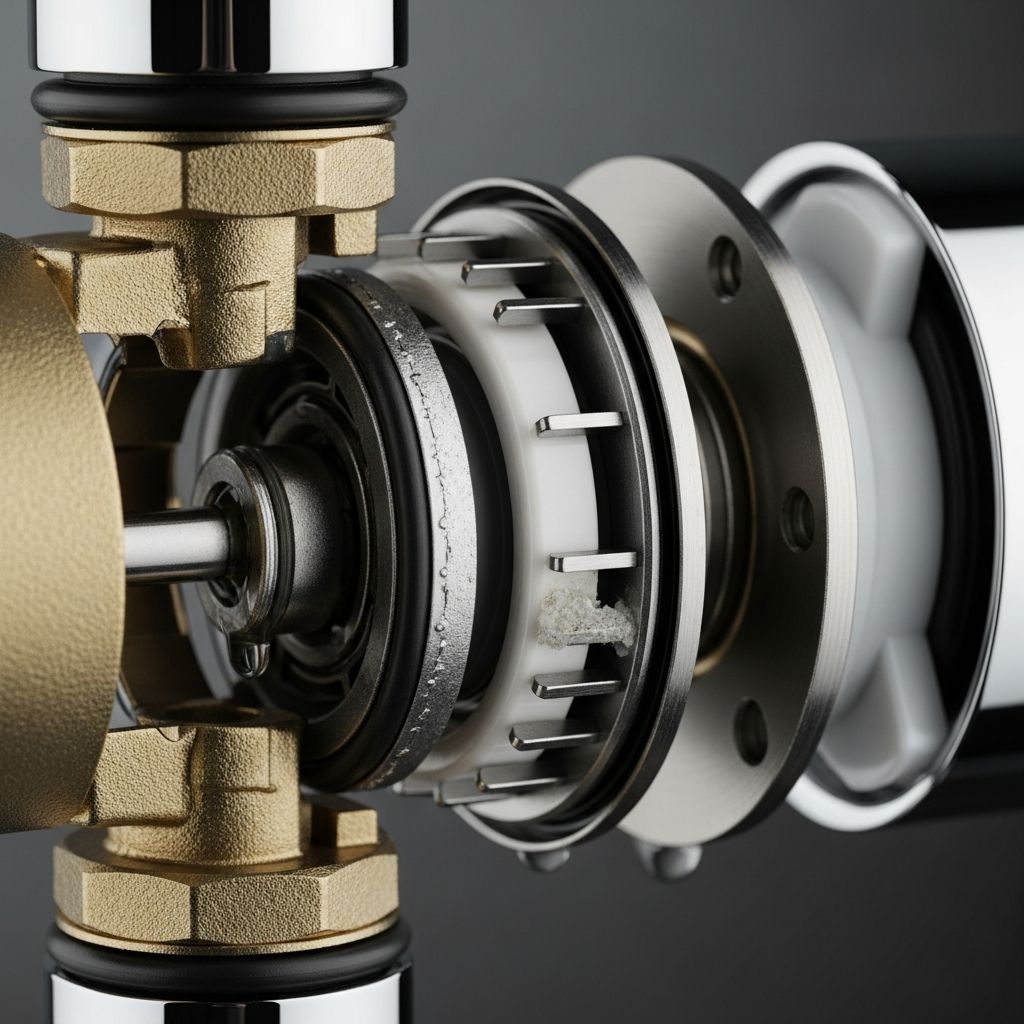
At the heart of most modern showers lies the mixing valve, a mechanical device that merges hot and cold water lines. There are two primary types: pressure-balanced valves, which adjust for fluctuations in supply pressure to maintain steady temperature, and thermostatic valves, which sense water temperature directly and adjust flow accordingly. Both prevent extreme temperature shifts, a critical safety feature in households with children or elderly members.
Over time, these valves endure mineral buildup, wear on internal seals, and corrosion from hard water. Components like cartridges, washers, and check valves degrade, leading to performance issues. Recognizing the valve type is the first step—consult your fixture’s manual or inspect behind the handle for model details.
Common Indicators of a Failing Valve
Symptoms often appear gradually but can escalate quickly. Here are the hallmark signs:
- Erratic Temperatures: Water alternates between too hot and too cold, even with stable handle positions. This stems from faulty thermostatic elements or imbalanced pressures.
- Leaks Around the Handle: Dripping from the stem indicates worn O-rings or washers.
- Reduced Water Pressure: Weak flow despite good pressure elsewhere suggests blockages or damaged internals.
- No Flow or Dribble: Minimal output after installation or use points to closed shutoffs, debris, or cartridge misalignment.
- Stiff or Stuck Controls: Handles that resist turning signal buildup or mechanical binding.
Addressing these early preserves water efficiency and averts pipe damage from prolonged strain.
Safety Protocols Before Testing
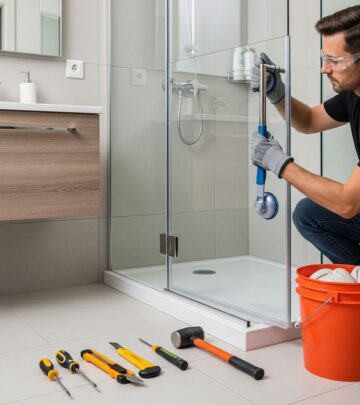
Prioritize safety to avoid floods or burns. Always shut off the main water supply at the home’s shutoff valve or local fixture stops. Wear protective gloves and eyewear. Drain residual water by opening faucets downstairs. Verify power is off if your system includes electric components. Have towels, buckets, and a flashlight ready for access in tight spaces.
| Tool | Purpose |
|---|---|
| Adjustable wrench | Gripping valve stems |
| Screwdriver set | Handle removal |
| Allen hex keys | Pin and screw access |
| Cartridge puller | Extracting stuck parts |
| Plumber’s grease | Lubricating seals |
Step-by-Step Diagnostic Tests
Initial Visual Inspection
Remove the handle by prying off any cap to reveal the set screw, then loosen with a screwdriver or hex key. Peel back the escutcheon plate to expose the valve body. Look for corrosion, loose fittings, or visible debris. Check inlet screens for sediment—clean with a soft brush and vinegar solution if clogged.
Pressure and Flow Evaluation
With water off, disconnect the showerhead and run both hot and cold lines separately into a bucket. Turn on supply valves briefly. Equal, strong flow from both indicates no upstream blockages. Uneven output suggests pipe issues or closed shutoffs. Reconnect and test the mixed flow: dribbles signal internal restrictions.
Temperature Stability Check
Run the shower at mid-settings for 2-3 minutes. Use a thermometer to log output—ideal is 105-120°F (40-49°C). Fluctuations over 5°F confirm valve failure. Note if adjusting the handle fails to correct it, pointing to cartridge problems.
Leak Detection Procedure
Wipe the valve dry, then run water at low pressure. Apply paper towels around the stem and base; color change indicates leaks. Pressurize slowly to pinpoint sources.
Troubleshooting Specific Problems
Fixing Temperature Inconsistencies
For pressure-balanced valves, adjust the internal dial or plastic mixer—rotate clockwise for hotter bias after pulling safety pins. Thermostatic models require cartridge inspection: extract, clean, or replace if the element is warped. Test post-adjustment by cycling temperatures multiple times.
Resolving Low Pressure Complaints
Soak the showerhead in white vinegar for 8-12 hours to dissolve limescale. Inspect valve filters and non-return valves for debris; flush or replace. If persistent, snake the supply lines for deeper clogs.
Sealing Persistent Leaks
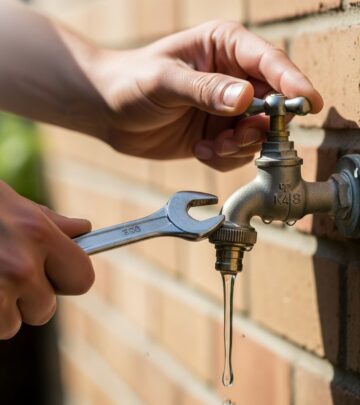
Tighten the packing nut gently with a wrench. If ineffective, disassemble to access the stem washer—pry out the old, insert a matching new one, and apply grease. Reassemble in reverse order, testing incrementally.
Handling No-Flow Scenarios
Common in new installs: ensure both hot and cold shutoffs are fully open. Remove the cartridge to verify cleanliness and proper seating. Align splines correctly during reinsertion to engage gears.
Advanced Repair Techniques
Cartridge replacement is often the definitive fix. Match the part number from the old unit. Lubricate O-rings before insertion to prevent binding. For stiff controls, apply penetrating oil sparingly, then work the handle back and forth. If metal-to-metal contact is evident, upgrade to a full valve assembly to avoid accelerated wear.
Thermostatic valves may need check valve cleaning: locate small plastic valves at inlets, remove, rinse, and reinstall. Persistent issues warrant professional pressure testing for hidden pipe faults.
Preventive Care Strategies
Prolong valve life with monthly descaling using vinegar flushes. Install water softeners in hard water areas to minimize deposits. Annually inspect and replace rubber components. Opt for high-quality brass valves over cheaper alternatives for durability. Track usage—high-volume households should service biannually.
- Flush lines yearly to clear sediment.
- Monitor for early leak signs.
- Keep spares: cartridges, washers, O-rings.
When to Call a Professional
DIY suits minor fixes, but escalate if: water pressure drops house-wide, valves won’t budge after lubrication, or electrical components are involved. Pros use diagnostic tools like flow meters for precise fault isolation, ensuring code-compliant repairs.
Frequently Asked Questions
Why does my shower temperature change when toilets flush?
This indicates a pressure-balancing failure; the valve can’t compensate for demand shifts.
Can I test without disassembling?
Yes, via flow and temperature logging at handles, but full diagnosis often requires access.
How often should I replace the cartridge?
Every 5-7 years, or sooner in hard water regions.
Is a mixing valve the same as a diverter?
No—mixers blend temperatures; diverters switch between tub spout and showerhead.
What if my shower has no hot water at all?
Check water heater first, then valve check stops or cartridge blockages.
Enhancing Shower Efficiency Post-Repair
After fixes, upgrade to low-flow heads for savings without sacrificing pressure. Consider anti-scald features for family safety. Regular upkeep transforms a problematic fixture into a reliable asset, boosting home value and comfort.
References
- Thermostatic Valve Troubleshooting — Signature Hardware. 2023-05-15. https://support.signaturehardware.com/hc/en-us/articles/4403236496660-Thermostatic-Valve-Troubleshooting
- Shower Valve Repair and Replacement 101 — Anderson Plumbing, Heating & Air. 2024-02-10. https://www.andersonplumbingheatingandair.com/blog/shower-valve-repair/
- No Water From a New Mixing Valve — Fine Homebuilding. 2022-11-03. https://www.finehomebuilding.com/project-guides/plumbing/no-water-from-a-new-mixing-valve
- Shower Faucet: Low Flow – Independent Transfer Valves — Moen Solutions. 2023-08-22. https://solutions.moen.com/Article_Library/Shower_Faucet:_Low_Flow-_Independent_Transfer_Valves
- Troubleshooting Steps for Shower Mixer Valve Problems — Fixed Today Plumbing. 2024-01-12. https://fixedtoday.com.au/blog/shower-mixer-valve-problems
Similar Articles


Read full bio of medha deb