Dishwasher Leaking from Bottom of Door: Causes & Fixes
Learn how to diagnose and fix a leaking dishwasher door with simple troubleshooting steps.
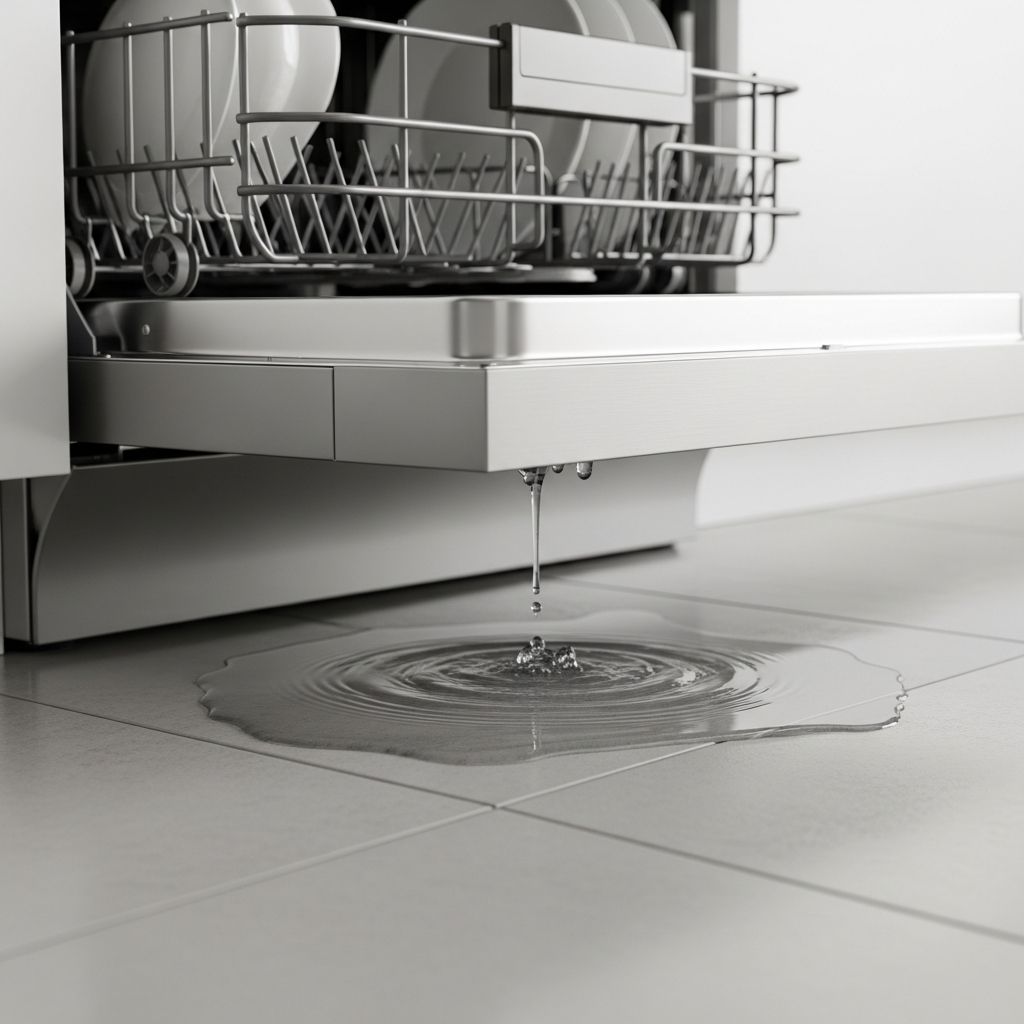
A dishwasher leaking from the bottom of the door is one of the most common appliance problems homeowners face. While it might seem like a serious issue requiring professional repair, the good news is that in most cases, you can diagnose and fix the problem yourself with just a few basic tools and some troubleshooting. Understanding what causes these leaks and knowing how to address each potential issue will save you time, money, and the frustration of dealing with water damage in your kitchen.
Understanding Dishwasher Door Leaks
When water escapes from the bottom corners of your dishwasher door, it’s a sign that the seal between the door and the tub isn’t working properly. This seal is crucial because it keeps water contained during the wash cycle. Several factors can compromise this seal, ranging from worn components to simple maintenance issues. The key to fixing the problem is identifying which component is failing.
Common Causes of Dishwasher Door Leaks
Worn or Damaged Door Gasket
The door gasket is the rubber seal that runs around the perimeter of your dishwasher door. Over time, this gasket can become compressed, cracked, or damaged, losing its ability to create a watertight seal. If your gasket is visibly cracked, has holes, or appears flattened, it’s likely the culprit behind your leak. The gasket naturally deteriorates from repeated opening and closing, exposure to heat and moisture, and contact with detergent residue.
Soiled or Dirty Gasket
Sometimes the gasket itself is still in good condition, but it’s too dirty to seal properly. Food particles, soap buildup, and mold or mildew can accumulate in the gasket grooves, preventing it from creating a tight seal. This is one of the easiest problems to fix, as it requires only basic cleaning.
Loose or Bent Door Latch
The door latch holds the door firmly closed during the wash cycle. If the latch is loose, bent, or broken, the door won’t close completely, allowing water to escape from the gaps. A loose latch can often be tightened with a screwdriver, while a bent or broken latch will need replacement.
Loose Door Screws
The screws that hold the door panel and gasket in place can gradually loosen from vibration during the wash cycle. When these screws are loose, they can cause misalignment that prevents the gasket from sealing properly, resulting in leaks at the bottom corners of the door.
Improper Gasket Installation
If you’ve recently replaced your gasket or had it serviced, improper installation could be causing the leak. The gasket must be seated completely and evenly in its groove around the door frame. Any section that isn’t fully inserted will create a gap where water can escape.
How to Diagnose the Problem
Visual Inspection
Start by opening your dishwasher door and examining the gasket carefully. Look for visible cracks, holes, or areas where it appears flattened or compressed. Check the door screws to see if any are protruding or appear loose. Inspect the door latch for bending or damage.
Cleaning Test
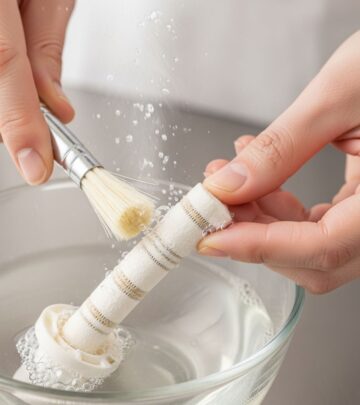
Before assuming your gasket is damaged, thoroughly clean it. Remove the gasket from its groove and wash it with warm, soapy water and a toothbrush. Pay special attention to removing any food debris, soap scum, or mold. Rinse completely, dry it, and reinstall it. Run your dishwasher and see if the leak persists. Many homeowners find that simple cleaning solves their problem.
Water Leak Pattern
Observe where the water is leaking. If it’s coming from the very bottom corners of the door, it’s typically a gasket issue. If water is seeping from the center of the door or from areas where the door meets the frame, it could be a latch or door alignment problem.
Step-by-Step Fixes for Dishwasher Door Leaks
Cleaning a Soiled Gasket
If your gasket is dirty but not damaged, here’s how to clean it:
Materials Needed:
– Warm water- Mild dish soap- Soft cloth or sponge- Toothbrush- 3% hydrogen peroxide (if mold is present)
Steps:
– Open the dishwasher door fully- Use your fingers or a plastic scraper to gently remove the gasket from its groove- Wipe the gasket with a damp cloth to remove loose debris- Scrub the entire gasket with warm, soapy water and a toothbrush, paying attention to grooves and crevices- If you see mold or mildew, spray these areas with 3% hydrogen peroxide and let sit for a few minutes- Rinse thoroughly under clean running water- Dry completely with a clean cloth- Reinstall the gasket, making sure it’s seated evenly in the groove- Run a test cycle to check if the leak is resolved
Tightening Door Screws
Loose door screws are a simple fix that often resolves leaking issues:
Materials Needed:
– Screwdriver (Phillips or flathead, depending on screw type)
Steps:
– Open the dishwasher door and look for all visible screws around the door panel- Using the appropriate screwdriver, gently tighten each screw- Be careful not to overtighten, as this can strip the screws or damage the door panel- Tighten until each screw is snug and flush with the door surface- Close the door and run a test cycle
Fixing a Loose Door Latch
If the latch is loose but not damaged, tightening it may solve your problem:
Materials Needed:
– Screwdriver
Steps:
– Locate the door latch, typically found at the top of the door opening- Using a screwdriver, tighten the latch screws or bolts- Ensure the latch moves smoothly and engages fully when the door closes- Test by opening and closing the door several times- Run a test cycle to verify the leak is fixed
Repositioning an Improperly Installed Gasket
If your gasket was recently replaced and isn’t sealing properly:
Steps:
– Open the dishwasher door fully- Starting at the top center of the door, check that the gasket is fully seated in its groove- Work your way around the door, pressing the gasket firmly into the groove- Pay special attention to the bottom corners, where gaskets often slip out of position- The gasket should be evenly distributed with no bunches or gaps- Close the door gently and feel for any resistance from the gasket- Run a test cycle
When to Replace the Gasket
Signs Your Gasket Needs Replacement
If cleaning and adjustment don’t resolve the leak, your gasket likely needs replacement. Signs that replacement is necessary include:
– Visible cracks or holes in the rubber- Areas that are permanently compressed or flat- A gasket that keeps slipping out of its groove- Hardened or brittle rubber that doesn’t spring back when pressed- Persistent leaks even after cleaning and tightening door screws
How to Replace a Dishwasher Door Gasket
Materials Needed:
– Replacement gasket (matched to your dishwasher model)- Screwdriver (if needed to access gasket)
Steps:
– Locate your dishwasher model number (usually on a label inside the door edge)- Order the correct replacement gasket- Open the dishwasher door fully- Gently pull the old gasket out of its groove, starting at a corner- Clean the groove thoroughly with warm, soapy water to remove any debris- Dry completely- Begin installing the new gasket at the top center of the door- Work your way around, pressing the gasket firmly into the groove- At corners, you may need to pull the gasket taut while inserting it- Ensure the gasket is evenly seated with no gaps or bunches- If the gasket is too long, trim it with scissors where the ends meet- Close the door gently and run a test cycle
Other Potential Causes of Bottom Door Leaks
Incorrect Detergent
Using the wrong type of detergent can create excessive suds that overflow the dishwasher, appearing as a leak from the door. Always use automatic dishwashing detergent designed specifically for dishwashers. Hand soap, dish soap, and laundry detergent will create too many bubbles and cause water to escape.
Unlevel Dishwasher
If your dishwasher isn’t level, water may collect and overflow, appearing to leak from the door. Place a level against the front of the unit to check. If it’s not level, adjust the leveling legs at the bottom of the unit. A slight tilt toward the back helps water drain properly during the wash cycle.
Maintenance Tips to Prevent Future Leaks
Once you’ve fixed your leak, follow these maintenance practices to prevent future problems:
– Clean your gasket monthly to prevent buildup- Inspect the gasket quarterly for signs of wear or damage- Ensure you’re using the correct type of detergent- Don’t overload your dishwasher, as this can put stress on the door seal- Check door screws twice yearly and tighten if needed- Run a cleaning cycle monthly to maintain overall dishwasher health- Avoid slamming the door, which can damage the latch or gasket over time
Frequently Asked Questions
Q: How long does a dishwasher gasket typically last?
A: A dishwasher gasket typically lasts between 3 to 5 years with normal use. The lifespan depends on how often you use your dishwasher, water temperature, detergent type, and maintenance practices.
Q: Can I temporarily fix a leaking dishwasher without replacing the gasket?
A: Yes, temporarily you can try cleaning the gasket thoroughly, tightening door screws, or repositioning the gasket in its groove. However, if the gasket is cracked or damaged, these are only temporary solutions, and you’ll eventually need to replace it.
Q: Is dishwasher repair expensive if I hire a professional?
A: Professional gasket replacement typically costs between $200 to $400, including labor. Since many homeowners can replace a gasket themselves for $30 to $75 in parts alone, DIY repair is often more economical.
Q: What should I do if water is leaking from under the dishwasher rather than from the door?
A: If water is leaking from underneath the unit, it’s likely a problem with the water supply line, drain line, or internal pump. These issues typically require professional service. Stop using the dishwasher and call a repair technician.
Q: How do I know if my dishwasher door is properly aligned?
A: A properly aligned door should close smoothly without excessive force and should be flush with the cabinet on all sides. If there are visible gaps, if the door doesn’t close all the way, or if you feel resistance when closing, alignment may be an issue.
Q: Can I use silicone sealant to fix gasket gaps?
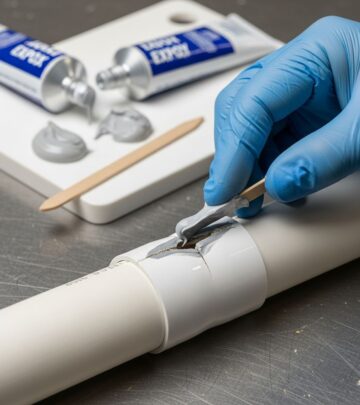
A: No, silicone sealant is not recommended for dishwasher gaskets. It won’t hold up to the heat and moisture inside the dishwasher and will eventually fail. The proper solution is to clean or replace the gasket.
Q: Do all dishwashers have the same gasket size?
A: No, gasket sizes and shapes vary by manufacturer and model. It’s essential to order the correct gasket for your specific dishwasher model. Check your model number before ordering.
References
- Leaking Dishwasher? 6 Common Causes & Fixes — Whirlpool. Accessed December 2025. https://www.whirlpool.com/blog/kitchen/how-to-fix-a-leaking-dishwasher.html
- Dishwasher Repair – Leaking from Bottom of Door — YouTube. November 20, 2014. https://www.youtube.com/watch?v=XlcT92_mrmo
- Dishwasher Leaking at Bottom Corner (3 Minute Fix) — YouTube. November 30, 2018. https://www.youtube.com/watch?v=sHcjUaJPz1A
Similar Articles








Read full bio of Sneha Tete