Dishwasher Not Draining: Causes and Fixes
Learn why your dishwasher won't drain and discover effective solutions to fix standing water issues.
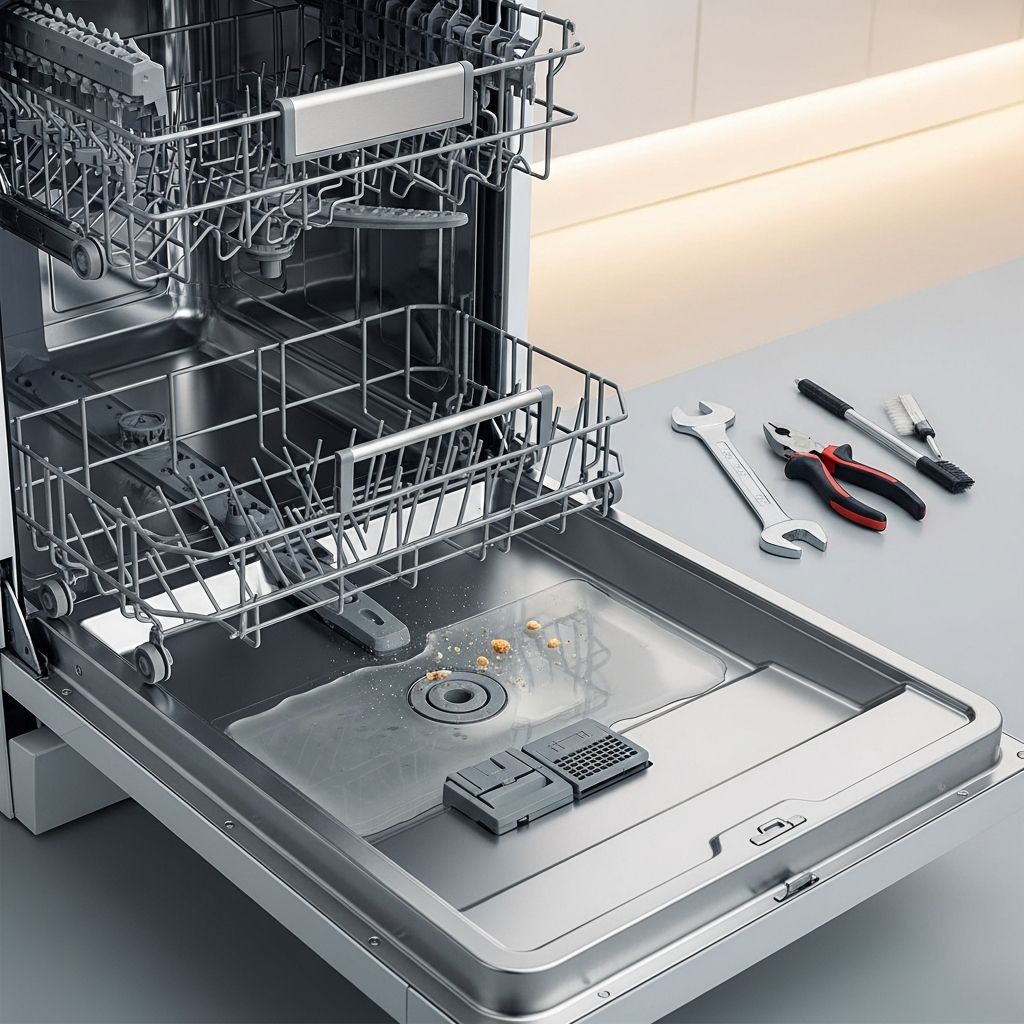
Few household appliances are as convenient as a dishwasher, but when standing water pools at the bottom after a wash cycle, that convenience quickly becomes a frustration. A dishwasher that won’t drain properly is not only unpleasant to look at, but it can also lead to unpleasant odors, mold growth, and potential damage to your appliance if left unaddressed. The good news is that most drainage issues can be resolved with some basic troubleshooting and maintenance. Understanding the common causes of poor dishwasher drainage will help you identify the problem and implement an effective solution.
Drainage problems in dishwashers stem from various sources, ranging from simple filter clogs to more complex mechanical failures. By learning to diagnose these issues, you can save money on service calls and keep your dishwasher running smoothly for years to come. This comprehensive guide walks you through the most common causes of dishwasher drainage problems and provides step-by-step solutions to restore proper function.
Understanding Your Dishwasher’s Drainage System
Before diving into troubleshooting, it’s important to understand how your dishwasher drains water. Most dishwashers use a drain pump to force water through a drain hose that connects either to your kitchen sink’s garbage disposal or directly to your home’s drain system. The drain hose may also include an air gap, which is a small cylindrical device that prevents dirty water from backing up into your dishwasher. When any component of this system becomes blocked, kinked, or fails, water accumulates at the bottom of the machine.
The drainage process begins when the wash cycle completes, and the dishwasher’s control system activates the drain pump. This pump creates pressure that pushes water through the drain hose and out of the machine. If the pump can’t activate, the hose is blocked, or the garbage disposal is full, water will remain standing in your dishwasher. Knowing this process helps you understand why each troubleshooting step is important.
Step-by-Step Troubleshooting Guide
Step 1: Remove Dishes and Clear Standing Water
Start by removing all dishes, utensils, and glassware from your dishwasher. Unplug the machine or turn off its circuit breaker for safety. Next, remove any standing water by placing absorbent towels at the bottom of the dishwasher to soak up excess moisture. For large amounts of standing water, use a cup to scoop water into a bucket or use a wet/dry shop vacuum to speed up the process. This step gives you clear access to the drain area and makes inspection easier.
Step 2: Check and Clean the Dishwasher Filter
The dishwasher filter is the most common culprit behind drainage problems. This component traps food particles, broken glass, and other debris to prevent them from entering the drain pump. Over time, the filter becomes clogged with tough food particles like popcorn kernels, hard pasta pieces, or wet paper from container labels.
Locate your dishwasher’s filter by consulting your owner’s manual or searching for your specific model online. In most models, the filter is located beneath the lower spray arm and is easily accessible. Lift the filter out of its housing and inspect it for visible debris. Rinse the filter thoroughly under running water, using a soft brush to remove stubborn particles. For heavily soiled filters, soak them in hot water for several minutes before scrubbing. Once clean, reinstall the filter securely and replace any cover pieces. Run a test cycle to see if drainage has improved.
Step 3: Inspect the Garbage Disposal
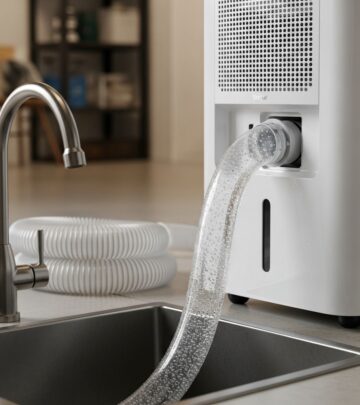
If your dishwasher drains into a garbage disposal, a clogged disposal can prevent water from leaving your machine. Begin by running your garbage disposal while the faucet flows with hot water for about 30 seconds. This helps clear any accumulated food debris that might be blocking water flow. If your disposal hasn’t been used recently or produces unusual sounds when running, it may need attention.
To check if the disposal is truly the problem, listen for the normal grinding sound when you turn it on. If you hear nothing or the disposal seems stuck, you may have a serious blockage that requires professional attention or manual clearing. Never put your hands into the disposal; instead, use long tongs or pliers to remove visible debris. After clearing the disposal, run your dishwasher’s drain cycle again to test for improvement.
Step 4: Examine the Air Gap Cylinder
The air gap is a small cylinder typically located on your sink counter behind the faucet or on the backsplash near the dishwasher connection. This component prevents dirty water from backing up into your dishwasher by creating a physical break in the hose line. Over time, the air gap becomes clogged with food particles and grease, restricting water flow.
To clean the air gap, unscrew or pry off the cylinder’s cap and look inside. You’ll likely see accumulated debris and buildup. Use a toothpick, small brush, or pipe cleaner to dislodge the blockage. Rinse the cylinder thoroughly under hot running water until water flows freely through both the top opening and the lower tube. Reinstall the cap securely and ensure the hose connection is tight. Running a dishwasher cycle will test whether this was the cause of your drainage issue.
Step 5: Inspect the Drain Hose
The drain hose is vulnerable to kinks, clogs, and damage that can prevent water from exiting your dishwasher. Locate the drain hose where it exits the dishwasher cabinet and trace its path to where it connects to either the garbage disposal or your home’s drain system. Look for any visible kinks, twists, or crushing that might restrict water flow.
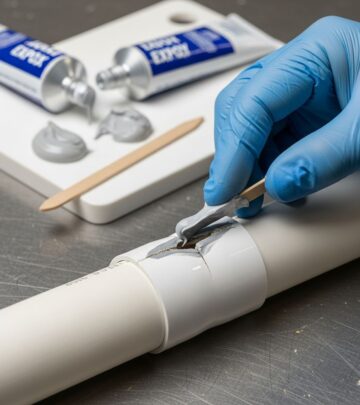
An improperly installed drain hose is a common cause of drainage failure, especially if you’ve recently had kitchen work done. The hose should have a gentle downward slope without sharp bends. If you find kinks, carefully straighten them by hand or with gentle heat from a hair dryer. Check the connection points at both ends to ensure they’re tight and secure. If the hose is cracked, has separated connections, or shows signs of deterioration, it should be replaced.
Some drain hoses have a built-in check valve for one-way flow. If your hose was installed backward during a kitchen remodel, water cannot drain properly. Consult your dishwasher’s manual to verify the correct installation direction. Additionally, older drain hoses can accumulate sediment buildup over years of use, which restricts water flow. In these cases, replacement is often the most effective solution.
Advanced Troubleshooting for Persistent Problems
Cleaning the Drain Pump
If basic troubleshooting hasn’t resolved your drainage issue, the problem may lie with the drain pump itself. Small pieces of glass from broken dishes can enter the drain pump outlet and create blockages. To address this, remove the drain pump according to your dishwasher’s manual and use a vacuum or small brush to clear any debris from the outlet area. If you find broken glass or significant sediment accumulation, carefully clean the area before reinstalling the pump.
Addressing Water Inlet Valve Issues
The water inlet valve, located behind the control panel and bottom panels, controls water flow into your dishwasher. In rare cases, this valve can freeze up or fail, preventing proper drainage. If you suspect this component is the problem, you’ll likely need professional service, as valve replacement requires technical expertise and specialized tools.
Checking Power Supply and Circuits
Sometimes drainage problems stem from electrical issues rather than mechanical ones. Verify that your dishwasher is receiving adequate power by checking that the outlet works and the circuit breaker hasn’t tripped. Try plugging another appliance into the same outlet to confirm power availability. If the outlet is dead, reset the circuit breaker and try again. If the breaker continues to trip, you have an electrical problem that requires a licensed electrician.
Prevention Tips for Future Drainage Problems
Maintaining proper dishwasher function requires regular attention to prevent drainage issues from developing. Always rinse dishes before loading them into the dishwasher to remove large food particles. This simple step dramatically reduces the amount of debris entering your drain system. Clean your dishwasher filter monthly during regular use and more frequently if you have a large household that runs the dishwasher daily.
Use the correct type of detergent for your machine. Most dishwashers are designed for powder or tablet detergent, not liquid versions. Liquid detergent creates excessive suds that can interfere with drainage. If you prefer liquid detergent, use significantly less than the recommended amount. Run your garbage disposal regularly to prevent buildup and ensure water flows freely when your dishwasher drains.
Once per month, run your dishwasher empty with a dishwasher cleaner to remove mineral deposits and grease buildup from internal components. This preventative maintenance keeps drainage passages clear and extends your appliance’s lifespan. Check drain hose connections annually for signs of loosening or wear, tightening connections as needed.
When to Call a Professional
While many drainage issues can be resolved through DIY troubleshooting, some problems require professional service. If you’ve cleaned the filter, checked the garbage disposal, inspected the air gap, and examined the drain hose without success, the issue likely involves internal components like the drain pump, control board, or inlet valve. These repairs require specialized tools and expertise that most homeowners don’t possess.
Additionally, if you notice unusual noises during the drain cycle, see signs of leaking, or smell burning odors, stop using your dishwasher immediately and call a service technician. Continuing to operate a malfunctioning dishwasher can cause further damage and increase repair costs. Professional technicians can diagnose problems quickly and ensure repairs are completed correctly.
Common Myths About Dishwasher Drainage
Myth 1: Your dishwasher needs to be completely empty before the drain cycle. While removing dishes before troubleshooting is practical, modern dishwashers are designed to drain with dishes inside during normal operation. Standing water is the problem, not the presence of clean dishes.
Myth 2: Hot water always improves drainage. While hot water can help dissolve grease, the water temperature isn’t the primary factor in drainage function. A blocked filter or clogged hose will prevent drainage regardless of temperature.
Myth 3: Vinegar and baking soda will fix any drainage problem. These household remedies can help with minor issues and prevent odors, but they won’t resolve mechanical blockages or component failures. They’re better used for preventative maintenance.
Frequently Asked Questions
Q: How often should I clean my dishwasher filter?
A: Clean your filter monthly during regular use. If you run your dishwasher daily or have a large family, inspect it every two weeks. Clean it immediately if you notice standing water or slow drainage.
Q: Can I use liquid detergent in my dishwasher?
A: While liquid detergent works for cleaning, it creates excessive suds that interfere with drainage. Powder or tablet detergent is recommended. If you must use liquid, reduce the amount by half.
Q: Is standing water in my dishwasher dangerous?
A: Standing water isn’t immediately dangerous but creates an environment for mold and bacteria growth. It produces unpleasant odors and can indicate an underlying problem that may damage your appliance if left unaddressed.
Q: How much does it cost to replace a drain hose?
A: Drain hose parts are relatively inexpensive, typically ranging from $30 to $100 depending on your dishwasher model. Labor costs can vary significantly based on your location and the technician’s experience.
Q: Should I run my garbage disposal before or after running my dishwasher?
A: Run your garbage disposal before starting a dishwasher cycle to ensure the disposal is clear. If drainage problems persist, run the disposal again after the cycle to help clear any remaining debris.
Q: Can a kinked drain hose cause permanent damage?
A: A kinked hose won’t cause permanent damage to other components, but continuing to use your dishwasher with a blocked hose may eventually harm the drain pump. Address kinks immediately to prevent further issues.
Q: What’s the difference between an air gap and a check valve?
A: An air gap is a separate cylindrical device that creates a physical break in the drain line to prevent backflow. A check valve is built into the drain hose itself and allows one-way flow. Both serve to prevent dirty water backup.
References
- 10 Reasons Why Your Dishwasher Isn’t Draining — Mr. Rooter Plumbing. 2020. https://www.mrrooter.com/austin/about-us/blog/2020/january/down-the-drain-10-reasons-why-your-dishwasher-is/
- How to Unclog a Dishwasher Drain in 5 Steps — Whirlpool Corporation. 2024. https://www.whirlpool.com/blog/kitchen/how-to-fix-a-clogged-dishwasher.html
- How to Unclog a Dishwasher That Won’t Drain — Maytag. 2024. https://www.maytag.com/blog/kitchen/how-to-fix-a-clogged-dishwasher.html
- Troubleshooting a Dishwasher That Isn’t Draining — Lowe’s Home Improvement. 2024. https://www.lowes.com/n/how-to/dishwasher-that-isnt-draining
Similar Articles


Read full bio of medha deb