Fixing Dishwasher Residue: Complete Troubleshooting Guide
Eliminate stubborn dishwasher residue with practical solutions for spotless dishes.
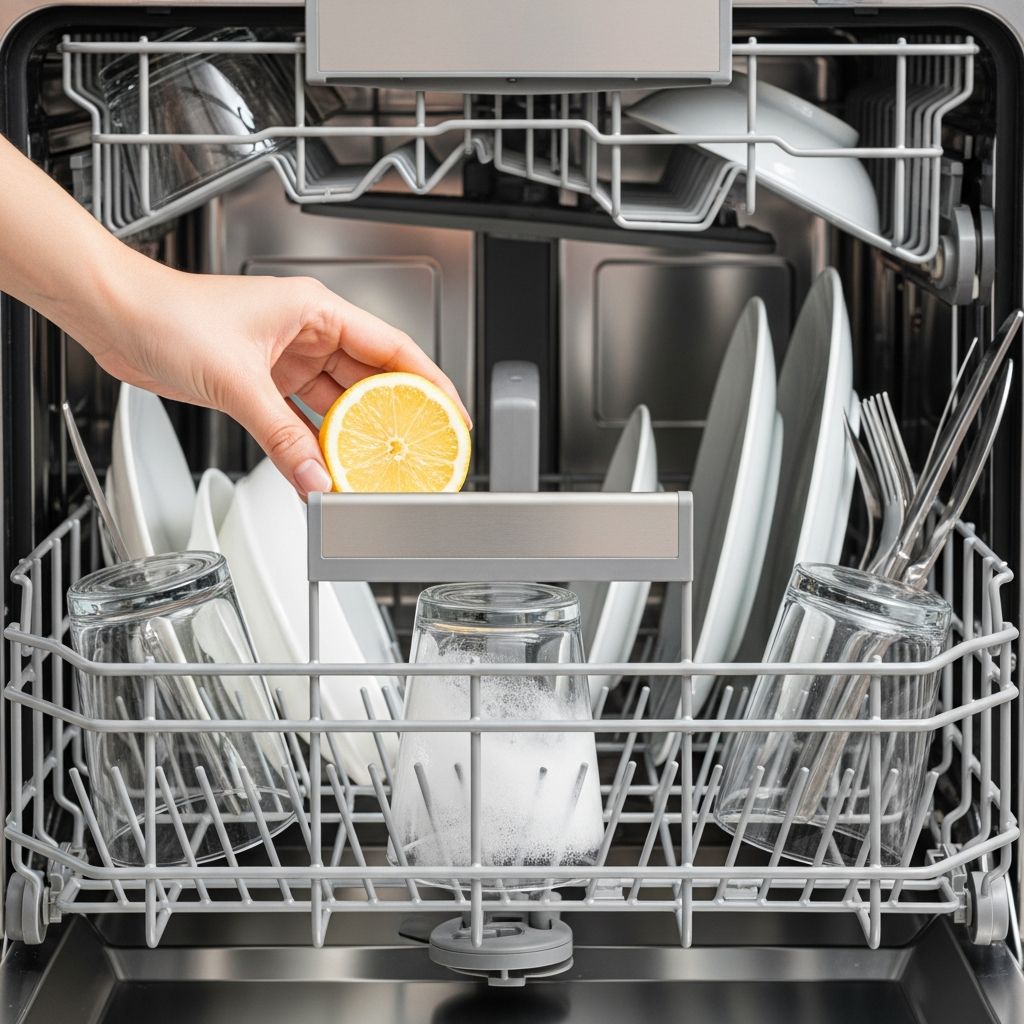
Understanding Dishwasher Residue Issues
When you open your dishwasher after a cycle, the last thing you want to see is a cloudy film, white deposits, or gritty particles covering your supposedly clean dishes. Dishwasher residue can stem from multiple sources, each requiring a different approach to resolve. Understanding the root cause is the first step toward achieving the spotless dishes you expect from your appliance. The problem may involve chemical buildup from detergents, mineral deposits from hard water, mechanical issues within the dishwasher, or a combination of these factors working together to compromise your washing results.
Identifying Detergent-Related Problems
One of the most common reasons dishwashers leave residue is improper detergent usage. Many homeowners mistakenly believe that using more detergent will result in cleaner dishes, but this assumption creates the opposite effect. When excess detergent enters your dishwasher, the rinse cycle cannot adequately remove all the soap particles from both your dishes and the interior surfaces of the machine. This leftover soap accumulates over time, creating a persistent film that becomes increasingly difficult to remove.
The type of detergent you select also plays a crucial role in performance. Modern dishwashers work optimally with specific detergent formulations, each with distinct characteristics:
- Gel detergents represent the budget-friendly option but tend to offer lower cleaning power. They work well for delicate items since they provide gentler cleaning action.
- Powder formulations excel at removing stubborn, burnt-on food residues from cookware and pans, though their abrasive nature makes them unsuitable for fine glassware and dishware.
- Tablet and pod formats deliver concentrated cleaning power with pre-measured doses, often including built-in rinse aids that help water sheet off dishes more effectively.
Switching to a higher-quality detergent specifically formulated for your dishwasher type can make a substantial difference in reducing residue problems. Additionally, using automatic dishwasher detergents is essential—household hand soaps and other non-specialized cleaners can create excessive suds and leave gritty deposits.
Optimizing Water Temperature and Rinse Aids
Water temperature significantly impacts the dishwasher’s ability to dissolve detergent and rinse away soap residue effectively. Before starting your dishwasher cycle, run your kitchen sink faucet until the water reaches its hottest point, then immediately start the cycle. Ideally, your incoming water should range between 120 and 150 degrees Fahrenheit to dissolve detergent particles completely and facilitate thorough rinsing.
Rinse aids function as chemical assistants that improve water behavior on your dishes and interior surfaces. These products help water bead up and run off rather than pooling and leaving residue. When water sheets off your dishes more efficiently, fewer mineral deposits and soap particles remain behind. Most quality detergent pods include rinse aid components, but standalone rinse aid products can provide additional benefits, especially when dealing with stubborn residue problems.
Addressing Hard Water Mineral Deposits
Hard water represents a distinct category of dishwasher residue, characterized by white, chalky deposits that coat dishes and accumulate inside the machine. These deposits consist of calcium and magnesium minerals that don’t dissolve during normal washing cycles. Hard water creates two simultaneous problems: it deposits minerals directly onto your dishes, and it builds up on internal dishwasher components, which then transfer additional mineral particles to your dishes in subsequent cycles.
Several strategies address hard water issues with varying degrees of permanence and effort:
- Adding citric acid directly to your detergent—approximately one teaspoon per load—helps dissolve and prevent mineral accumulation.
- Running periodic vinegar cycles through your empty dishwasher breaks up existing mineral buildup on internal surfaces.
- Using detergents with sodium-based formulations that actively soften water can reduce mineral residue formation.
- Installing a whole-home water softening system provides the most comprehensive long-term solution by removing minerals before water enters your dishwasher.
For the vinegar cycle method, place a large dishwasher-safe bowl filled with vinegar in the upper rack and run the heaviest cycle with the hottest water setting. Follow this with a second cycle using two cups of vinegar in the bottom of the machine on a low setting, pausing halfway through for twenty minutes before completing the cycle.
Water Pressure and Supply Line Concerns
Adequate water pressure ensures that your dishwasher can effectively rinse away detergent and food particles. Insufficient water pressure prevents the spray arms from functioning at full capacity, leaving soap and residue on your dishes. Several factors can restrict water pressure to your dishwasher, requiring systematic investigation to identify and resolve.
Begin by checking the water supply hose for kinks, twists, or pinches that obstruct water flow. Next, examine the water inlet valve screen, which may become clogged with sediment or mineral deposits over time. Replacing or cleaning this screen often restores proper pressure. Additionally, verify that your water line meets the recommended specifications—the line should be 3/8-inch outside diameter copper tubing or 1/2-inch outside diameter plastic tubing, as smaller lines restrict water flow unnecessarily.
Proper Loading Techniques and Spray Arm Function
How you load your dishwasher directly affects water circulation and cleaning effectiveness. Overloading prevents water and detergent from reaching every dish surface, while improper placement can block the spray arms, preventing them from rotating freely during the cycle. Your dishwasher manual provides specific loading guidance, but general principles include placing concave items like mugs, glasses, and bowls on the upper rack with handles facing downward.
Before starting any cycle, inspect both spray arms to ensure nothing blocks their rotation path. Food particles, mineral deposits, and debris can accumulate in the spray arm holes, reducing water spray effectiveness. Clean these openings carefully using a thin object like a toothpick or specialized cleaning tool, ensuring you don’t enlarge or damage the precise openings.
Select the appropriate wash cycle for your load size and soil level. Using a light or quick cycle for heavily soiled dishes leaves residue behind, while running a heavy-duty cycle for lightly soiled items wastes water and energy while potentially over-processing delicate items.
Filter Maintenance and Drain System Health
Your dishwasher’s filter system serves as the first line of defense against residue accumulation. A dirty or clogged filter cannot effectively trap and remove food particles, causing them to recirculate throughout the wash cycle and redeposit on your dishes. Most manufacturers recommend cleaning filters monthly to maintain optimal performance.
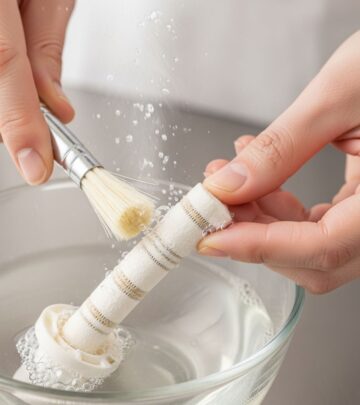
To clean your dishwasher filters, first locate them at the bottom of the tub. Typically, there is an upper filter assembly that twists or lifts out, and a lower cylindrical filter. Remove both gently and rinse them thoroughly under running water. Use a soft brush if stubborn mineral deposits or food residue resist water cleaning alone. Never use abrasive scrubbing pads or wire brushes, as these damage the filter’s fine mesh structure, compromising its ability to trap particles.
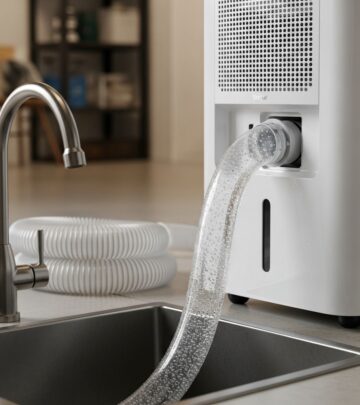
Beyond the filters, examine your drain hose and drain motor for clogs or damage. A blocked drain prevents water from exiting the dishwasher, leaving standing water and residue at the cycle’s end. Common drain blockages include a garbage disposer knockout plug that wasn’t removed during installation, food particles wedged in the drain line, or obstructions in the air gap component if your dishwasher includes one. Running your garbage disposer before starting the dishwasher can help clear the drain line.
Deep Cleaning and Maintenance Protocols
Beyond addressing specific problems, regular maintenance prevents residue from building up in the first place. Monthly deep cleaning cycles using specialized dishwasher cleaners remove mineral deposits, soap buildup, and food debris from all interior surfaces. These commercial cleaners work more effectively than household vinegar alone, though vinegar remains a viable budget-friendly option.
Run your dishwasher empty with the cleaning agent once monthly to maintain system health. This practice ensures that any residue that escaped your filters or accumulated on interior walls gets removed before it can transfer to your dishes. Over time, these maintenance cycles dramatically improve your dishwasher’s performance and prevent the gradual degradation that leads to persistent residue problems.
Troubleshooting Summary Table
| Problem Type | Common Causes | Primary Solutions |
|---|---|---|
| White/cloudy film | Hard water minerals, excess detergent | Use citric acid, run vinegar cycles, install water softener |
| Gritty particles | Clogged filters, dirty drain, wrong detergent | Clean filters monthly, clear drain clogs, use automatic detergent only |
| Soap residue | Too much detergent, poor rinsing | Reduce detergent amount, ensure adequate water temperature and pressure |
| Uneven cleaning | Overloading, blocked spray arms, low water pressure | Load properly, clean spray arms, check water supply |
Frequently Asked Questions About Dishwasher Residue
Q: How much detergent should I use in my dishwasher?
A: Most modern dishwashers are designed for pre-measured detergent pods or tablets that provide the correct amount per cycle. If using powder or gel, consult your dishwasher’s manual for the recommended measurement. Generally, use less detergent if your home has soft water or water softening equipment, as these reduce the amount needed for effective cleaning.
Q: Can I use regular dish soap in my dishwasher?
A: No, absolutely not. Household hand soap creates excessive suds and leaves gritty residue that automatic dishwasher detergents are specifically formulated to avoid. Always use only automatic dishwasher detergents to prevent damage and residue problems.
Q: How often should I clean my dishwasher filters?
A: Most manufacturers recommend cleaning filters at least once monthly. If you use your dishwasher daily or notice residue problems, increase cleaning frequency to every two weeks until the issue resolves.
Q: Will vinegar damage my dishwasher?
A: No, vinegar is safe for periodic use and effectively removes mineral buildup. Running vinegar cycles once monthly provides maintenance benefits without causing damage to seals or internal components.
Q: What water temperature does my dishwasher need?
A: Your incoming water should reach 120-150 degrees Fahrenheit for optimal detergent dissolution and rinsing. Run your kitchen sink until water becomes hot before starting the dishwasher to ensure adequate temperature.
Q: How can I tell if I have hard water?
A: Hard water typically leaves white, chalky deposits on dishes and fixtures. If you consistently see this pattern, your home likely has hard water and would benefit from water softening solutions or using citric acid in your dishwasher cycles.
Q: Is it worth buying a water softener?
A: For homes with consistently hard water, a water softener provides comprehensive long-term benefits beyond dishwashing, including improved appliance longevity, better soap performance throughout your home, and reduced mineral buildup on plumbing fixtures.
References
- Why Does My Dishwasher Leave Residues on Dishes? — CW Services Inc. 2024. https://cwservicesinc.com/why-does-my-dishwasher-leave-residue-on-dishes/
- Dishwasher is Leaving Gritty Residue — Whirlpool. 2024. https://www.whirlpool.ca/en_ca/blog/s/dishwasher-is-leaving-gritty-residue.html
- Dishwasher is Leaving Gritty Residue — Maytag. 2024. https://www.maytag.ca/en_ca/blog/s/dishwasher-is-leaving-gritty-residue.html
- Dishwasher is Leaving Gritty Residue — KitchenAid. 2024. https://www.kitchenaid.ca/en_ca/blog/s/dishwasher-is-leaving-gritty-residue.html
- Dishwasher Not Cleaning? Why You Have Dirty Dishes — Dropps. 2024. https://www.dropps.com/blogs/spincycle/dishwasher-not-cleaning
Similar Articles




Read full bio of medha deb