Distress Leather Boots DIY Guide
Transform new leather boots into rugged, vintage-style footwear with simple household tools and techniques for an authentic worn-in appearance.
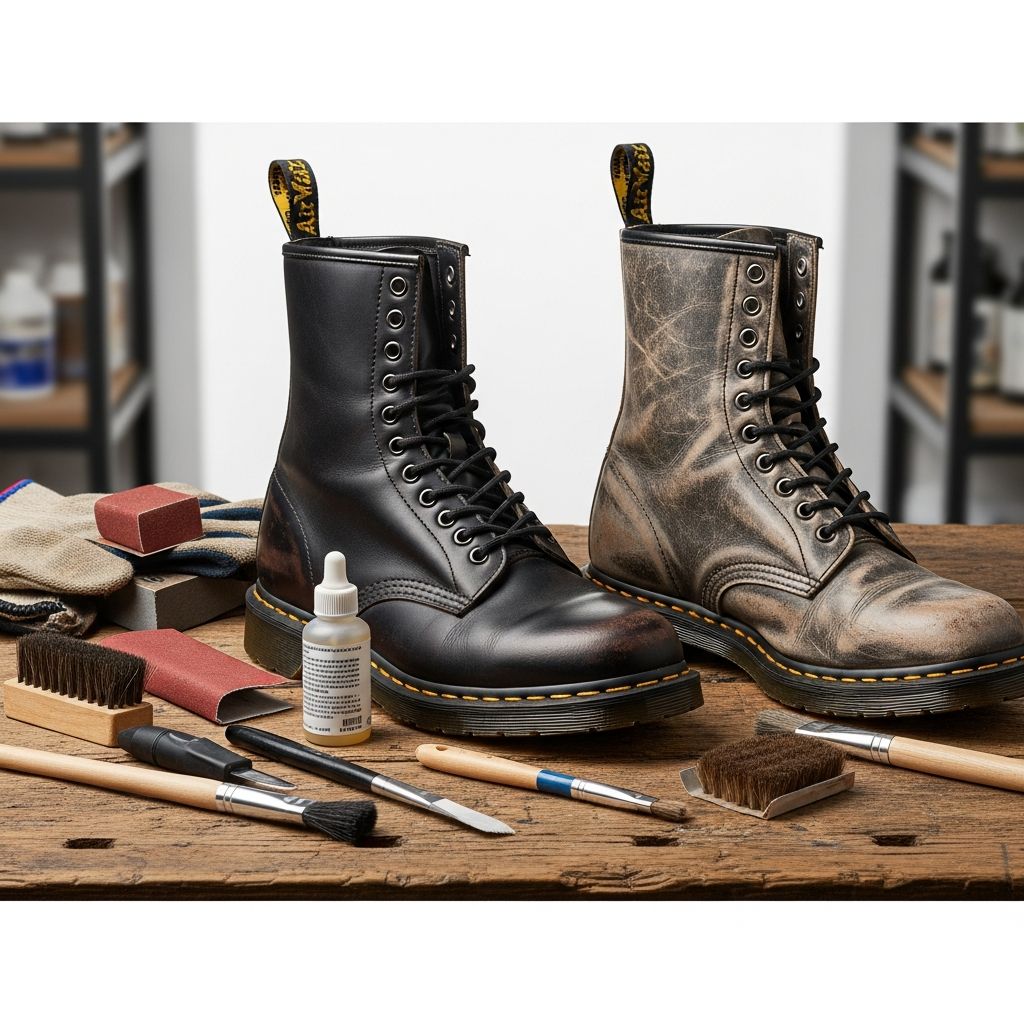
Creating a distressed look on leather boots instantly elevates their style, giving them a rugged, lived-in charm that pairs perfectly with casual, western, or urban outfits. This guide provides original, detailed methods using everyday items to scuff, fade, and age your boots safely.
Why Distress Your Leather Boots?
Distressing leather mimics years of natural wear, adding character and depth. It’s ideal for new boots that feel stiff or overly polished, turning them into versatile pieces for festivals, ranch work, or everyday adventures. The process softens leather, enhances flexibility, and allows personalization of wear patterns.
- Boosts aesthetic appeal with organic textures.
- Breaks in stiff new boots faster.
- Customizes to match personal style preferences.
Essential Tools and Materials
Gather these affordable items before starting. Focus on real leather boots for best results, as synthetics resist distressing.
| Item | Purpose | Tips |
|---|---|---|
| Sandpaper (medium-coarse grit, 220+) | Scuffing surfaces | Vary grits for texture control |
| Rubbing alcohol (90% isopropyl) | Fading shine | Use with gloves; test small area |
| Hammer or rock | Creating dents | Wrap in cloth to avoid tears |
| Dark shoe polish, wax, or oil | Adding depth | Choose leather-safe products |
| Soft cloths, brushes, conditioner | Buffing and protection | Apply sealant post-distressing |
Preparation Steps for Success
Clean boots thoroughly with mild soap and water, then dry completely. Work in a ventilated area, wear gloves for chemicals, and test techniques on inconspicuous spots. Start lightly—over-distressing is harder to fix. Protect floors with newspapers.
Method 1: Sandpaper for Controlled Wear
Sandpaper offers precision for realistic abrasion. Target high-wear zones like toes, heels, and edges.
- Wipe boots clean.
- Select 220-grit sandpaper; rub in circular motions with moderate pressure.
- Progress to coarser grits for deeper scuffs.
- Brush off dust; apply dark polish to distressed spots for shading.
- Buff with cloth; condition leather.
This builds subtle fading without weakening structure. Combine with other methods for layered effects.
Method 2: Rubbing Alcohol for Faded Patina
Alcohol strips surface finish, creating sun-bleached effects safely when used sparingly.
- Soak cloth in 90% isopropyl alcohol.
- Dab on toes, creases, and sides; avoid soaking.
- Let dry 10-15 minutes; repeat for variation.
- Wipe residue; flex boots to set creases.
- Seal with wax to restore moisture.
Ideal for shiny new leather; prevents cracking by reconditioning promptly.
Method 3: Impact Tools for Authentic Dents
Hammers or rocks simulate drops and scuffs, adding irregular damage.
- Wrap hammer head in cloth secured by rubber band.
- Tap toes, heels, and sides with controlled force.
- Alternate with rock for organic patterns.
- Sand lightly over dents.
- Polish and buff for shine contrast.
Use on concrete for realism; inspect for sole damage.
Method 4: Wire Brush and Steel Wool Texturing
For rustic roughness, these tools lift leather fibers subtly.
- Gently stroke with wire brush on edges; short strokes prevent tears.
- Follow with steel wool for fine scratches.
- Enhance with alcohol dampening.
Perfect for western boots; always condition afterward.
Method 5: Wax and Oil for Darkened Aging
These penetrate for rich, stained appearances.
- Clean seams and crevices.
- Work dark wax/oil into high-wear areas.
- Layer sparingly; buff excess.
- Let set overnight; polish.
Mimics dirt buildup; boosts water resistance.
Advanced Combinations for Pro Results
Layer techniques: Soak in water first for pliability, sand, alcohol-fade, dent, then wax. Vary intensity per boot for asymmetry. For Doc Martens-style, add beach wear post-treatment. Monitor progress with photos.
Leather Care After Distressing
Preserve your creation:
- Apply conditioner weekly.
- Avoid over-wetting.
- Store stuffed with cedar.
- Re-polish monthly.
Distressed leather ages gracefully with maintenance.
Common Mistakes to Avoid
| Mistake | Why It Happens | Fix |
|---|---|---|
| Over-sanding | Too much pressure | Start light; blend edges |
| Dry cracking | Excess alcohol | Condition immediately |
| Structural damage | Hard hammering | Use wraps; moderate force |
Style Ideas for Distressed Boots
- Pair with jeans for rugged casual.
- Western outfits for cowboy vibe.
- Skinny pants for urban edge.
FAQs
Can I distress suede or synthetic boots?
Stick to full-grain leather; suede needs brushing, synthetics poorly.
How long does distressing take?
20-60 minutes per pair, plus drying.
Is it permanent?
Yes, but conditioners refresh look.
What if I distress too much?
Dye covers minor overages; professional re-dye for severe.
Safe for expensive boots?
Test first; use on mid-range for practice.
References
- How to Distress Leather Boots | 5 Ways to Get The Worn In Look Fast — Stridewise. 2023. https://stridewise.com/how-to-distress-leather-boots/
- 3 Ways To Make Distressed Leather for Western Boots — Country View Western. 2023. https://www.countryviewwestern.com/blogs/western-wear-tips/3-ways-to-make-distressed-leather-for-western-boots
- How to Distress your boots – YouTube — YouTube (Carl Murawski). 2023. https://www.youtube.com/watch?v=BAKKDRGSL90
- The Easy Way to Distress Leather — Bespoke Post. 2023. https://www.bespokepost.com/field-guide/the-easy-way-to-distress-leather
- How To Distress Leather In Easy Way — LeatherSCIN. 2023. https://www.leatherscin.com/blog/how-to-distress-leather/
Similar Articles





Read full bio of medha deb