Distressed Vintage Furniture: Shabby Chic Painting Guide
Transform everyday furniture into timeless shabby chic masterpieces with our expert step-by-step painting and distressing techniques for a beautifully aged look.
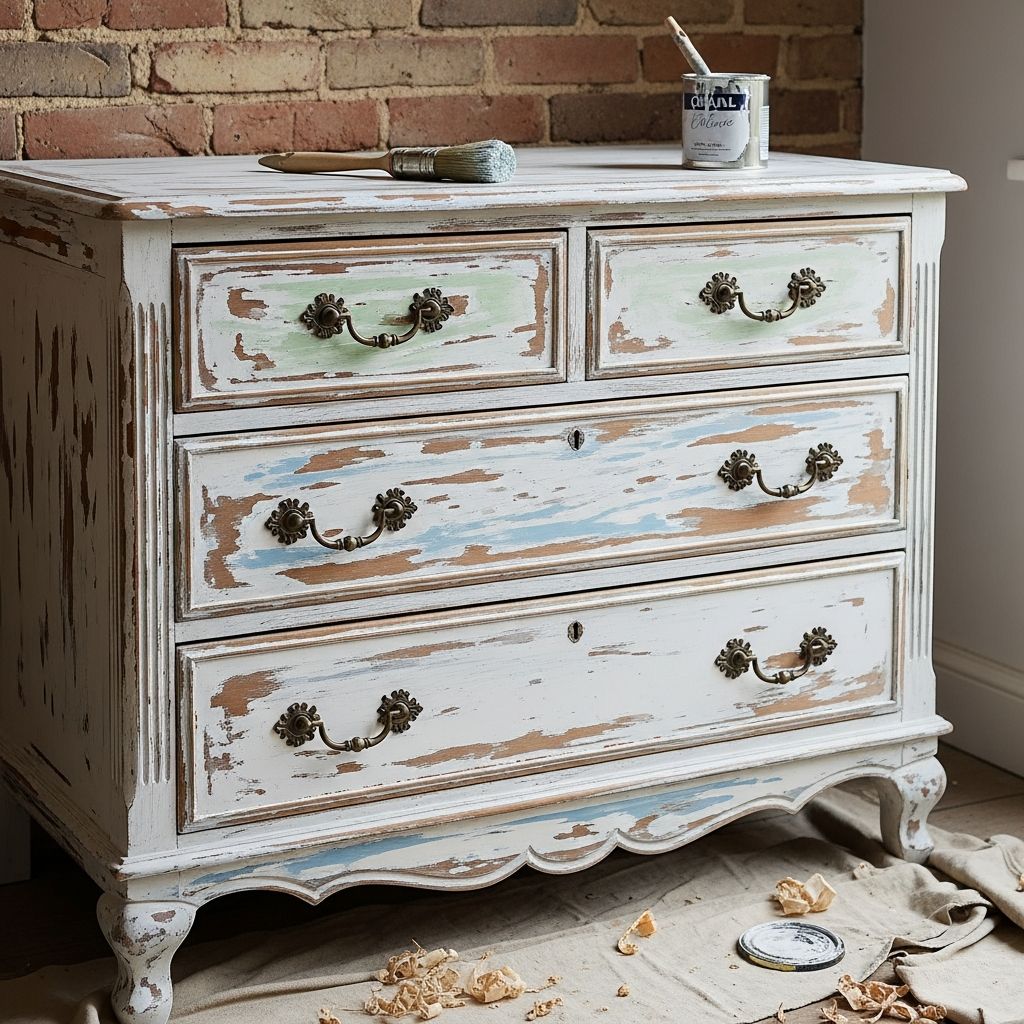
Shabby chic furniture painting revives old or plain wood pieces with a soft, worn-in elegance that blends perfectly into cozy, romantic interiors. This technique emphasizes layered colors, strategic sanding, and protective finishes to mimic natural aging, offering an affordable way to personalize your space without buying new items.
Understanding the Shabby Chic Aesthetic
The hallmark of shabby chic lies in its delicate balance of pastel hues, subtle distressing, and visible wood grains peeking through paint layers. Originating from vintage-inspired decor, it evokes a sense of lived-in luxury where imperfections add character rather than detract from beauty. Ideal for dressers, tables, chairs, and cabinets, this style thrives on wood furniture due to its natural texture that responds well to paint adhesion and sanding.
Key elements include soft color palettes like creams, lavenders, and muted blues, combined with techniques that reveal underlying layers or bare timber in high-wear spots such as edges and corners. Unlike modern glossy finishes, shabby chic prioritizes matte, velvety surfaces sealed with wax for durability and a tactile feel.
Essential Materials for Success
Gathering the right supplies ensures smooth application and lasting results. Focus on high-quality paints designed for furniture, as they provide better coverage and distressing potential without extensive prep.
- Chalk or milk paint: Thick, matte formulas like Rust-Oleum Chalky Finish or Country Chic Paint for easy layering and chipping.
- Sandpaper assortment: Fine (180-220 grit) for smoothing, medium (120 grit) for initial distressing, and extra-fine for blending.
- Clean cloths and rags: Lint-free for wiping dust and wet distressing.
- Furniture wax: Clear for protection, dark or colored for antique patina (e.g., Annie Sloan Chalk Paint Wax).
- Tools: Paintbrushes (natural bristle for texture), masking tape, pliers/screwdrivers for disassembly, drop cloths or newspaper.
- Optional enhancers: Metallic base paints for luxury depth, paint strippers for heavy old finishes.
Invest in reputable brands to avoid streaky results from thin paints, which fail to capture the vibrant, chippy effect essential to the style.
Selecting and Preparing Your Furniture Piece
Thrift stores, online marketplaces like eBay or Freecycle, and garage sales yield prime candidates: solid wood items with curves or details that highlight distressing. Avoid laminate or heavily varnished modern pieces, as they resist paint adhesion.
Preparation is crucial for longevity:
- Clean thoroughly: Wash with a degreaser like TSP substitute or soap to remove grime, grease, and residues. Rinse and dry completely.
- Disassemble if possible: Remove hardware, drawers, or shelves for even access.
- Sand the surface: Lightly scuff with medium sandpaper to create tooth for paint grip, especially on glossy finishes. Wipe away dust with a tack cloth.
- Prime sparingly: Only if dealing with raw or porous wood; chalk paints often skip this step.
- Mask off areas: Tape hardware holes, glass, or non-paint zones for crisp lines.
| Wood Type | Prep Level | Best For Distressing |
|---|---|---|
| Pine | Light sanding | High – chips easily |
| Oak | Medium sanding | Medium – dense grain |
| MDF | Heavy priming | Low – smooth but fragile |
Mastering the Painting Process
Apply paint in thin, even coats for control over the final distressed look. Chalk paints dry quickly (1-4 hours per coat), allowing multiple layers in a day.
Single-Color Approach (Beginner-Friendly):
- Stir paint well; thicken by leaving open overnight for better texture.
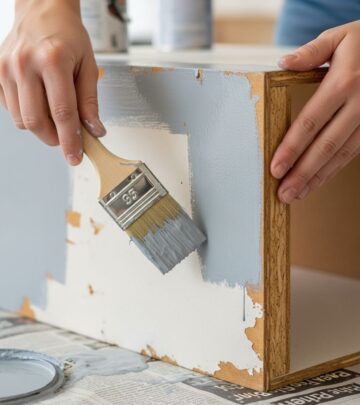
- Brush on liberally with crisscross strokes for built-in distressing potential.
- Allow 4+ hours drying; add a second coat if coverage is uneven.
Multi-Layer Technique for Depth: This advanced method builds history-like patina.
- Base coat: Bold color (e.g., deep red) fully dried overnight.
- Mid-layer: Contrasting shade (e.g., soft pink); dry 4 hours.
- Top coat: Light pastel (e.g., cream); focus on thin application over edges.
Work in a dust-free area with good ventilation. Between coats, gently sand with fine grit for ultra-smoothness.
Distressing Techniques for Authentic Wear
Distressing transforms fresh paint into heirloom-quality pieces. Target natural wear zones: corners, edges, fronts, and raised details where hands or use would erode finish.
- Dry Sanding: Use medium grit to rub away top layers selectively, then fine grit to feather edges for realism. Progress slowly to avoid overdoing.
- Wet Distressing: Dampen a lint-free rag and rub gently; ideal for layered paints as moisture lifts top coats precisely.
- Tool Distress: Scrape with putty knives or chains for dents mimicking years of use.
- Advanced Chipping: Apply thick paint, dry fully, then sand vigorously where cracking is desired.
Step back frequently to assess balance—aim for subtle wear on flat surfaces, heavier on contours. Wipe dust with a tacky cloth after each session.
Sealing and Finishing Touches
Wax locks in your design while enhancing depth. Buff clear wax thinly over entire piece, paying extra attention to raw wood.
- Apply with a brush or cloth in sections; let haze (20-30 min).
- Buff to satin sheen with clean cloth.
- Optional: Dark wax in crevices for shadowed antiquity, then buff excess.
Reinstall hardware, upgrading to vintage knobs for cohesion. Allow 24-48 hours cure time before use.
Creative Variations and Color Schemes
Experiment beyond basics:
- Metallic Base: Gold or silver underlayer for opulent shimmer.
- Two-Tone: Complementary room-matching hues.
- Ombre Effect: Gradient distressing from light to dark.
- Themed: Floral stencils or crackle medium pre-distress.
Pair with lace, florals, or muted linens for full shabby chic rooms.
Troubleshooting Common Issues
| Problem | Solution |
|---|---|
| Peeling Paint | Insufficient prep; sand deeper next time. |
| Uneven Distress | Practice on scrap; use wet method for control. |
| Dull Finish | Re-wax and buff more vigorously. |
| Dust Particles | Work in clean space; wipe between coats. |
Frequently Asked Questions (FAQs)
Do I need to strip old paint completely?
No, light sanding suffices for most chalk paints; strippers only for thick, glossy layers.
How long does the finish last?
With proper waxing, years in low-traffic areas; refresh annually.
Can I use this on kitchen cabinets?
Yes, but add tough topcoat over wax for moisture resistance.
What’s the drying time between layers?
4 hours minimum; overnight for best distressing.
Is primer always necessary?
Rarely with chalk paint, but yes for slick laminates.
References
References
- How To Paint Shabby Chic Furniture In 8 Easy Steps — Rust-Oleum via Make It Yours. 2023. https://makeityours.co.uk/how-to-guide/how-to-paint-shabby-chic-furniture/
- Shabby Chic Furniture Painting In 9 Simple Steps — Rainbow Chalk. 2023. https://www.rainbowchalk.com/shabby-chic-furniture-painting/
- How To Layer Paint To Create Shabby Chic Furniture — Country Chic Paint. 2023. https://www.countrychicpaint.com/blogs/tutorials/how-to-layer-paint-to-create-shabby-chic-furniture
- How to Paint Furniture Shabby Chic with Chalk Paint — Annie Sloan. 2023. https://www.anniesloan.com/us/techniques/how-to-paint-furniture-shabby-chic-with-chalk-paint/
- A Guide to Shabby Chic Furniture Painting — Do It With Cans. 2023. https://www.doitwithcans.co.uk/a-guide-to-shabby-chic-furniture-painting/
Similar Articles



Read full bio of Sneha Tete