Distressing Painted Wood for Vintage Charm
Unlock rustic beauty: Transform fresh painted wood into grungy, aged masterpieces with simple tools and techniques.
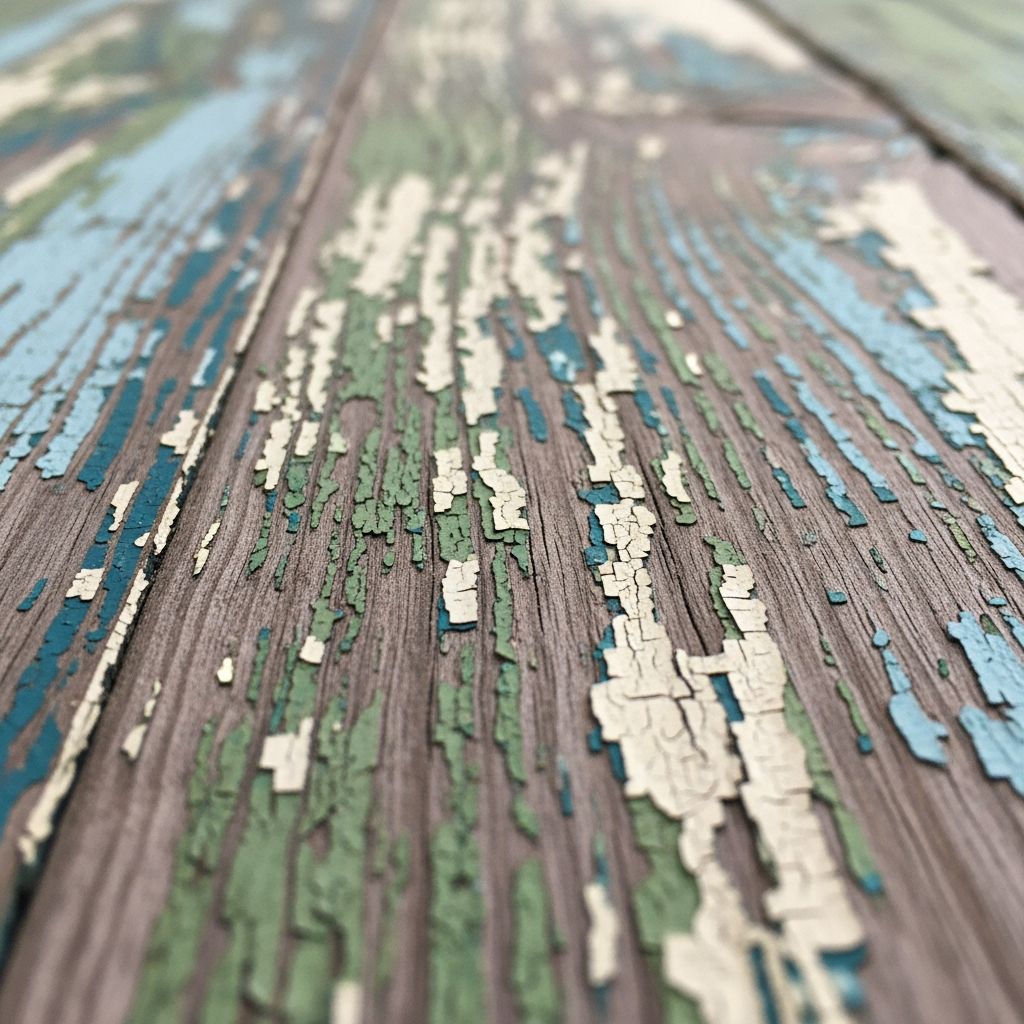
Creating a grungy, aged appearance on painted wood breathes new life into modern pieces, mimicking the charm of heirloom antiques. This technique involves strategic wear, staining, and finishing to reveal underlying layers and textures, ideal for furniture, frames, and architectural elements. Whether refreshing a dresser or crafting shelves, distressing adds character without expensive reclamation.
Why Distress Painted Wood?
Distressed finishes evoke nostalgia and durability, popular in farmhouse, industrial, and shabby chic styles. They hide imperfections, enhance depth, and personalize spaces. Unlike natural aging, controlled distressing ensures even results quickly. Homeowners achieve professional outcomes using household items, saving costs on vintage imports.
- Enhances visual interest through layered patina.
- Conceals scratches and daily wear.
- Customizable for subtle or dramatic effects.
- Versatile across wood types like pine, oak, or MDF.
Essential Tools and Materials
Gather these items for efficient distressing. Start with quality paints and stains for longevity.
| Category | Items | Purpose |
|---|---|---|
| Surface Prep | 120-220 grit sandpaper, tack cloth, TSP substitute cleaner | Clean and smooth base layers |
| Distressing | Wire brush drill attachment, hammer, chain, screws | Create dents, texture grain |
| Painting/Staining | Chalk paint, wood stain (dark walnut, chestnut), vinegar-steel wool solution | Base color, aging effects |
| Finishing | Decorative glaze, polycrylic topcoat, foam brushes | Seal and add grain depth |
Budget tip: Steel wool and vinegar create a natural darkener reacting with wood tannins for authentic graying.
Preparation: Setting Up for Success
Begin outdoors or in ventilated areas to manage dust and fumes. Clean wood thoroughly with TSP substitute to remove oils, ensuring paint adhesion. Lightly sand (120 grit) for tooth, then wipe with tack cloth. Prime if using non-porous surfaces like laminate.
Test techniques on scraps, as pine absorbs unevenly versus oak. Apply pre-stain conditioner on softwoods to prevent blotching.
Core Technique 1: Mechanical Beating for Authentic Dents
Imitate years of use by physically abusing the painted surface. Paint two base coats (e.g., neutral gray then cream), drying fully between.
- Secure piece on a drop cloth.
- Strike edges and centers with hammer, chain, or screws for random impacts.
- Focus on high-wear areas like corners, table edges.
- Vary intensity for natural irregularity.
This reveals underlayers, creating chippy realism. Follow with sanding to soften sharp edges.
Core Technique 2: Wire Brushing for Textured Grain
Enhance wood’s natural pattern for rugged appeal. Ideal post-painting or on bare wood before final coats.
Attach wire wheel to drill at max speed. Brush parallel to grain, raising hard rings while eroding soft areas. Practice on scraps to control depth—light passes for subtle ridges, extended for deep weathering.
- Sand lightly (220 grit) to remove splinters.
- Vacuum dust thoroughly.
Result: Tactile surface holding stains in crevices.
Core Technique 3: Chemical Aging with Vinegar Solution
For rapid darkening without paint. Mix two steel wool pads in 2 cups white vinegar (12-24 hours soak for intensity).
Strain, apply liberally with foam brush on sanded wood. Reacts with tannins for gray-brown patina. Dry fully, sand raised grain (220 grit), then seal. Test species-specific results—oak darkens more than pine.
Layered Painting and Sanding Method
Build history through multi-color reveals. Start with dark base (e.g., Minwax Dark Walnut stain), dry overnight.
- Apply contrasting paint (chalk type for adhesion), two coats.
- Dry, then sand aggressively at edges/corners with 100 grit.
- Lightly distress center with scuffing pad.
- Wipe clean, add wax or glaze for tone-on-tone.
Chalk paint excels here, self-distressing under sanding.
Advanced: Faux Graining with Glaze
Mimic wood grain on painted flat surfaces. After base paint dries, apply Rust-Oleum glaze with soft brush.
Sweep with stiff deck brush in long strokes, wiping excess for linear patterns. Layer toners (thinned paint) for depth. Matte polycrylic seals without shine overload.
Pro variation: Whitewash over textured base—dilute chalk paint, rag on/off for driftwood vibe.
Sealing and Protecting Your Finish
Topcoats lock in effects. Brush two polycrylic coats, sanding lightly (220 grit) between. Gloss amplifies grain; satin mutes for subtlety.
- Avoid oil-based over water stains to prevent bleed.
- Cure 24-48 hours before use.
- Reapply annually on high-touch items.
Project Ideas and Applications
Transform everyday items:
- Furniture: Dressers, nightstands—beat high-touch zones.
- Wall Decor: Frames, shelves—vinegar age for cohesion.
- Tables: Char-like texture via wire brush, dark stain.
- Doors/Cabinets: Glaze for faux oak grain.
Scale up: Barn doors gain instant patina.
Troubleshooting Common Issues
| Problem | Solution |
|---|---|
| Uneven stain absorption | Use conditioner; test scraps |
| Too much texture | Light sand to smooth |
| Glaze too dark | Wipe immediately; dilute |
| Topcoat bubbles | Sand glossies lightly; thin coats |
Frequently Asked Questions
What wood types distress best?
Softwoods like pine show dramatic grain; hardwoods like oak offer subtler, durable results. Avoid plywood edges unless sealed.
Is distressing safe for outdoor use?
Yes, with exterior polycrylic or spar varnish. Vinegar method resists UV fading.
How long does prep take?
1-2 hours cleaning/sanding; techniques 30-60 minutes per piece. Full cure: 48 hours.
Can I distress already-varnished wood?
Sand through varnish first, then proceed. Cleaner results on raw wood.
Non-toxic options for kids’ furniture?
Water-based stains, polycrylic, and chalk paints are low-VOC.
Creative Variations for Unique Looks
Experiment: Char wood lightly post-wire brush for smoky depth. Layer tea stain over dents for sepia tones. Combine whitewash with dark crevices for coastal rustic. Digital tools like projectors aid precise grain simulation on large surfaces.
Safety first: Wear masks, gloves; ventilate. Dispose waste per local regs.
Distressing elevates DIY projects, turning novice efforts into heirloom-quality decor. Practice yields mastery—start small, iterate boldly.
References
- How to Age and Distress Wood — 5 Creative Techniques — Lowe’s. 2023-01-15. https://www.lowes.com/n/how-to/how-to-distress-wood
- How to Achieve the Perfect Faux Wood Look on Furniture — Painting by the Penny. 2022-05-10. https://www.paintingbythepenny.com/how-to-achieve-the-perfect-faux-wood-look-on-furniture/
- 4 Stunning Wood Grain Designs & Ideas — Island Paints. 2021-11-20. https://islandpaints.com/home-decorating-tips/4-stunning-wood-grain-designs/
- 9 Easy Ways to Distress Wood — Instructables. 2019-07-12. https://www.instructables.com/9-Easy-Ways-to-Distress-Wood/
Similar Articles






Read full bio of medha deb