DIY Chimney Cap: 5-Step Guide To Build A Durable Cap
Build and install your own durable chimney cap to shield your home from rain, debris, and wildlife while saving money on professional services.
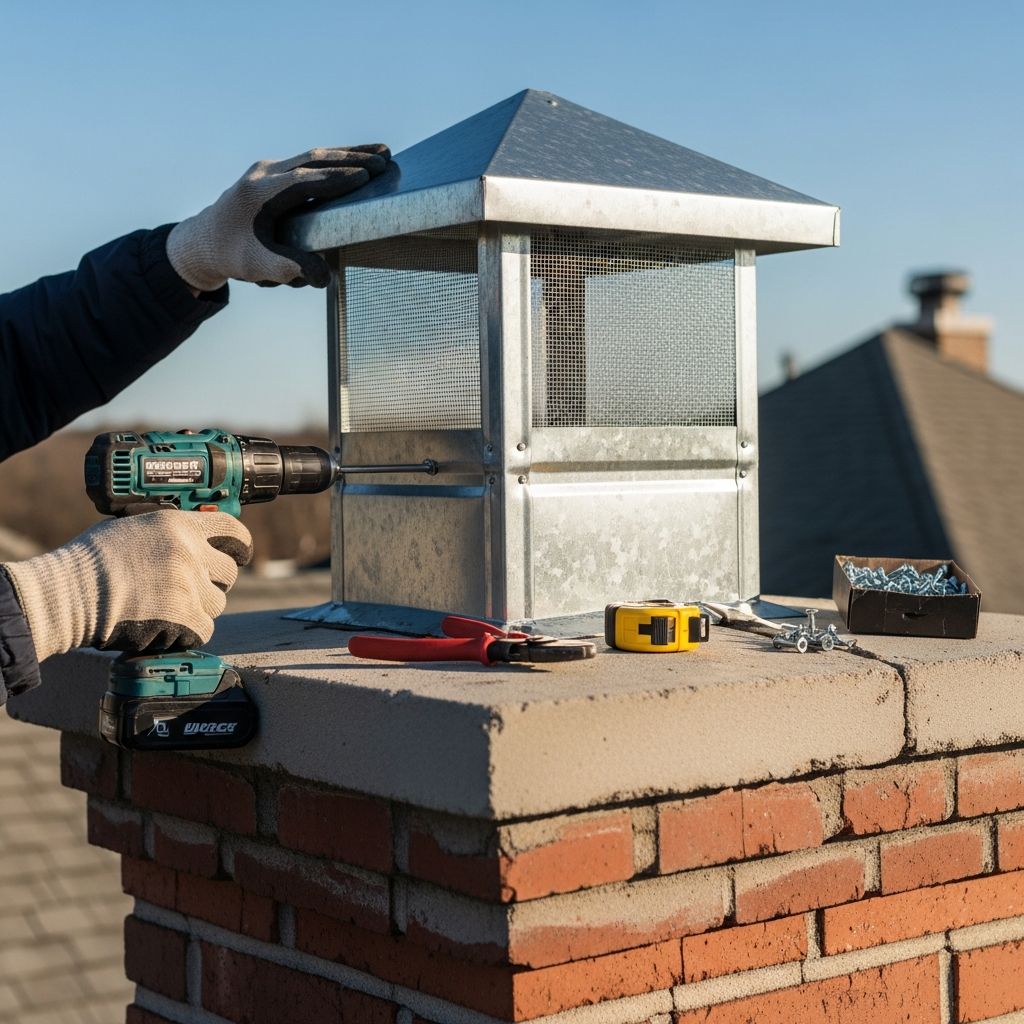
DIY Chimney Cap Guide: Protect Your Home with Custom Protection
A chimney cap serves as vital shielding for your fireplace system, blocking rain, snow, leaves, animals, and sparks from entering the flue. Without one, water infiltration can lead to interior damage, mold growth, and costly repairs. Crafting your own allows customization to your chimney’s exact size, using affordable materials for a sturdy, long-lasting result. This guide walks through planning, construction, fitting, and upkeep, empowering homeowners to tackle the project confidently.
Why Every Chimney Needs a Cap
Chimney caps prevent multiple issues that threaten structural integrity and safety. Rain entering an uncapped flue mixes with creosote residue, forming acidic corrosion that erodes flue liners over time. Debris buildup obstructs airflow, heightening creosote accumulation and fire risks. Small animals like squirrels or birds nest inside, creating blockages or health hazards. According to installation experts, caps also stop embers from escaping, reducing fire spread potential during use. Custom homemade versions ensure a perfect fit, outperforming generic store-bought options on irregular flues.
- Weather Defense: Diverts precipitation away from the chase, preserving mortar and bricks.
- Pest Barrier: Mesh screens exclude wildlife without impeding draft.
- Fire Safety: Contains sparks and prevents downdrafts that blow smoke indoors.
- Cost Savings: DIY construction costs under $50 versus $200+ for professionals.
Assessing Your Chimney Before Starting
Begin with a thorough inspection from the roof. Use binoculars if accessing the top feels unsafe, but ladder work requires stable footing and harnesses. Note flue dimensions, crown condition, and surrounding obstacles like trees or antennas. Masonry chimneys often feature tiled liners protruding above a concrete crown, while metal prefabricated types have distinct chase tops. Measure multiple times to account for settling or wear. Clean loose debris with a stiff brush to ensure accurate readings.
Common chimney types include:
| Type | Key Features | DIY Cap Suitability |
|---|---|---|
| Masonry | Brick exterior, tile liner, cement crown | High – Custom mesh over crown |
| Prefabricated Metal | Factory chase pan, round flue | Medium – Band-style wrap |
| Multiple Flues | Side-by-side openings | High – Segmented design |
Gathering Materials for Your Build
Select weather-resistant, heat-tolerant supplies for durability. Galvanized steel or stainless mesh (1/4-inch grid) forms the spark-arresting screen. For the frame, 24-gauge sheet metal bends easily yet holds shape. Aluminum flashing provides lightweight edging. Fasteners include self-tapping screws, masonry anchors, and high-temperature silicone sealant rated for 500°F+. Optional storm collar flashing seals gaps around the flue pipe. Source materials from hardware stores; a 4×4-foot sheet suffices for most residential flues.
- Galvanized wire mesh: 24×24 inches minimum
- Sheet metal: 26-gauge, matching flue size
- Metal snips and rivets
- High-heat caulk and screws
- Angle iron braces (optional for wind resistance)
Precise Measurement Techniques
Accuracy dictates success; off by 1/8 inch compromises fit and function. For single flues, measure inside diameter at the top tile, adding 2 inches for overlap on all sides. Multi-flue setups require outside dimensions of the entire crown plus 1-inch flanges per side. Record height from crown to mesh peak for proper draft clearance – typically 6-8 inches. Sketch a diagram labeling flue ID, crown OD, and pitch angle if sloped. Cross-check measurements on different days to confirm stability.
Pro Tip: Use a flexible tailor’s tape for irregular shapes; digital calipers aid precision on small openings.
Step-by-Step Construction Process
Work on a flat workbench outdoors to avoid indoor sparks. Wear gloves and eye protection throughout.
- Cut the Base Frame: Trace flue outline on sheet metal, adding 1.5-inch flanges. Use aviation snips for clean 90-degree bends upward along edges. These flanges anchor to the crown later.
- Form the Mesh Screen: Cut mesh 2 inches larger than frame all around. Center over frame, trim corners diagonally for taut fit. Secure with rivets every 4 inches, double-riveting corners.
- Add Support Legs: Bend 1-inch metal strips into L-shapes, riveting four to frame underside. Legs rest on crown, distributing weight evenly.
- Reinforce Peak: Fold a central ridge along mesh top for rigidity, or weld thin bars crosswise if equipped.
- Drill Mounting Holes: Space four to eight holes along flanges, matching crown layout. Deburr edges for safety.
Test-assemble dry; adjustments now prevent roof redo. Powder-coat or paint for rust resistance if using plain steel.
Safety Essentials for Roof Work
Chimney projects demand caution – falls cause most injuries. Secure extension ladders at 4:1 angle, tying off at top. Don a Class III harness clipped to chimney or roof peak. Check weather: avoid wind over 15 mph or wet surfaces. Have a spotter for tools and emergencies. Inspect crown for cracks pre-install; unstable bases require professional masonry fixes first.
Installation Methods by Chimney Type
Single Flue Bolt-On Method
Position cap over liner top, aligning pre-drilled holes without penetrating tile. Tighten bolts finger-tight plus quarter-turn for compression seal. Apply sealant bead under base first.
Multi-Flue Crown Mount
Center cap on crown with 1-inch flange overhang. Trace outline, remove cap, drill 1.5-inch pilot holes at marks. Brush debris, run adhesive inside trace, reseat cap, and drive masonry screws home.
Band-Style Wrap for Bricks
Slide adjustable metal band over top brick course. Tighten corner bolts until snug – no drilling needed. Ideal for cracked crowns.
Advanced Customizations for Durability
Elevate your design with extras. Add hinged access panels for cleaning. Incorporate leaf-shedding louvers on windy sites. For coastal areas, upgrade to marine-grade stainless. Wind braces – diagonal guy wires anchored to chase sides – withstand 80 mph gusts. Integrate a damper control rod if desired, threading through mesh slots.
Troubleshooting Common Issues
| Problem | Solution |
|---|---|
| Cap Leans | Shim legs with washers; add counterweight brace |
| Mesh Sags | Rivet additional cross-supports |
| Poor Draft | Increase peak height 2 inches |
| Rust Spots | Apply zinc primer annually |
Ongoing Maintenance and Inspection
Inspect biannually, post-storm. Clear debris with a flue brush extension. Reapply sealant if gaps appear. Check bolts for loosening from thermal expansion. Annual professional sweep complements DIY efforts, catching liner issues early.
Cost Breakdown and Savings
Materials total $30-60: $20 mesh, $15 metal, $10 fasteners. Time investment: 3-5 hours. Compare to $150-400 pro install – DIY nets 75% savings. Longevity exceeds 15 years with care.
Frequently Asked Questions
What size cap for my flue?
Measure liner ID, add 2 inches for overlap. Custom beats universal fits.
Can I install on a sloped roof?
Yes, use level checks and temporary braces during curing.
Does it affect chimney performance?
No, proper sizing maintains draft; sparks stay contained.
Legal requirements?
Check local codes; most mandate caps on wood-burning systems.
Winter prep tips?
Ensure no ice buildup; silicone sealant prevents freeze cracks.
References
- How to Install a Chimney Cap [7 Different Styles] — HY-C. 2023. https://www.hy-c.com/blog/how-to-install-a-chimney-cap
- How To Install Chimney Cap: Tools, Cost, Instructions & More — VEVOR. 2026-01-29. https://www.vevor.com/diy-ideas/how-to-install-chimney-cap/?_batch=20260129_111021
- How to Measure and Install a Chimney Cap — Woodland Direct. N/A. https://www.woodlanddirect.com/learning-center/how-to-measure-and-install-a-chimney-cap.html
- Comprehensive Guide to Chimney Covers — Chimcare Chimney Caps. N/A. https://chimcarechimneycaps.com/comprehensive-guide-to-chimney-covers-types-benefits-and-installation-tips-explained/
- Understanding Chimney Caps | Ask This Old House — YouTube (This Old House). N/A. https://www.youtube.com/watch?v=qZOzZCjt5fI
- DIY Chimney Cap Build — YouTube (Fronius DIY). N/A. https://www.youtube.com/watch?v=gE4lkSuuIwM
- DIY Advantages Chimney Cap — Rockford Chimney Supply. N/A. https://www.rockfordchimneysupply.com/blogs/chimney-caps-and-chase-covers/diy-advantages-chimney-cap
Similar Articles




Read full bio of Sneha Tete