DIY CO2 Generator For Plants: Easy Guide To Boost Growth
Boost plant growth with a simple homemade CO2 generator using yeast and sugar for indoor gardens.
DIY CO2 Generator for Plants: Enhance Growth Naturally
Carbon dioxide enrichment is a proven way to accelerate plant development, particularly in enclosed spaces where natural CO2 levels drop. A homemade CO2 generator offers an economical solution for hobbyists managing indoor gardens, hydroponic setups, or planted aquariums. By harnessing yeast fermentation, these systems release steady CO2 without complex equipment.
Why Plants Need Extra CO2
Plants absorb CO2 during photosynthesis to produce energy and grow. In outdoor settings, atmospheric CO2 hovers around 400 ppm, but sealed indoor environments can fall below 200 ppm, stunting growth. Elevating levels to 800-1500 ppm can increase yields by 20-50% for many species, including vegetables and cannabis. Yeast-based generators mimic natural fermentation, providing a safe, organic boost.
Key benefits include:
- Faster vegetative growth and larger harvests.
- Improved nutrient uptake and stress resistance.
- Low cost: under $10 per setup using household items.
- No electricity needed for basic models.
Basic Principles of Yeast Fermentation CO2
Yeast consumes sugar in warm water, producing CO2 as a byproduct through anaerobic respiration. The reaction is simple: C6H12O6 → 2C2H5OH + 2CO2. Optimal conditions include 75-85°F (24-29°C) water, as higher temperatures kill yeast. Production peaks in 24-48 hours, then tapers over 7-14 days, requiring periodic refreshes.
| Factor | Optimal Range | Effect of Deviation |
|---|---|---|
| Temperature | 75-85°F | Too hot: yeast dies; too cold: slow production |
| Sugar Amount | 1-2 cups per 2L | Excess: inhibits yeast; too little: weak output |
| Yeast Quantity | 1 tsp per 2L | Overdose: rapid burnout; underdose: insufficient CO2 |
Simple Single-Bottle Yeast Generator
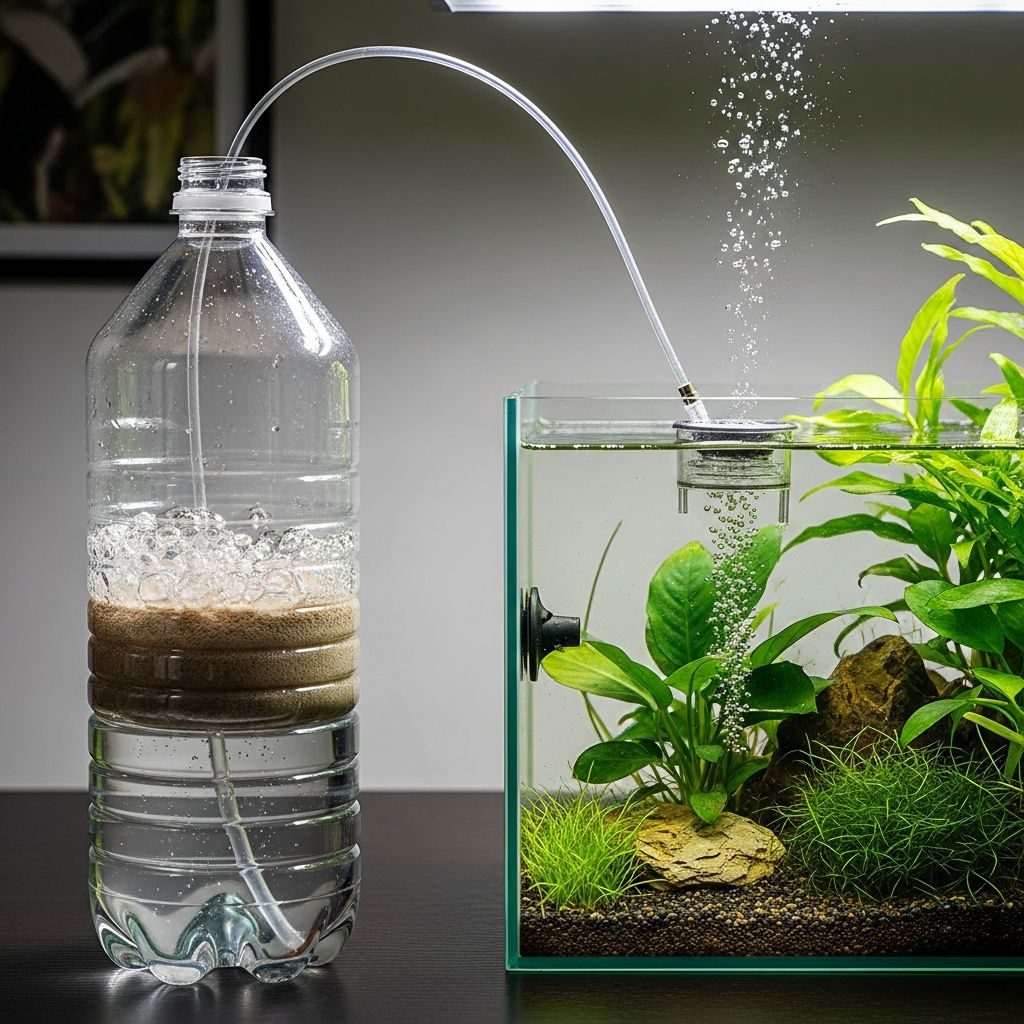
This beginner-friendly design uses one plastic bottle to produce CO2 directly into your grow space.
Materials
- 2-liter plastic bottle (clean, empty soda or water).
- 1 cup white sugar.
- 1 heaping tsp active dry yeast.
- Lukewarm water (about 1 liter).
- Airline tubing (aquarium grade, 4-6 feet).
- Drill or hot tool for hole in lid.
- Tubing connector or tape for seal.
Step-by-Step Build
- Prepare the lid: Heat a craft iron or skewer to melt a hole in the bottle cap just wide enough for tubing. Insert tubing from outside to inside, securing with hot glue or tape for airtight seal.
- Mix solution: Fill bottle 1/3 with lukewarm water. Add sugar, shake to dissolve. Add more water to 2/3 full, then stir in yeast. Avoid boiling water to preserve yeast viability.
- Seal and activate: Screw lid tightly. Shake gently. CO2 builds within hours; bottle may firm up from pressure.
- Distribute CO2: Route tubing to plants or diffuser. For even spread, create a ‘CO2 curtain’ by looping tubing around plants on stakes.
Output: Approximately 1-2 liters CO2 per day for small tents. Refresh every 10 days.
Advanced Two-Bottle Pressure System
For controlled release and higher output, use a dual-bottle setup separating fermentation from distribution.
Materials
- One 2L fermentation bottle.
- One 0.5-1L pressure bottle.
- Airline tubing and inline valve.
- Bottle adapters (drilled caps with tubing fittings).
- Silicone sealant.
Assembly Steps
- Modify caps: Drill one hole in large bottle cap, two in small. Connect tubing: long tube from large to small (submerged), short from small to output.
- Ferment in large bottle: As in single-bottle method, but cap loosely initially.
- Transfer pressure: Attach system, open valve briefly to fill small bottle. Close valve, shake to carbonate water with CO2, then release via output tube.
- Safety check: Seal all joints with silicone; monitor for leaks.
This method allows storing pressurized CO2, extending use between refills.
Nutrient-Enhanced Longevity Recipe
Extend generator life beyond 10 days with additives. Tomato paste or gelatin provides nitrogen for sustained yeast activity.
Improved Recipe
- 2 cups sugar.
- 1 tsp yeast.
- 2 tbsp tomato paste or 3 gelatin sheets (dissolved in hot sugar syrup).
- Warm water to 3/4 bottle.
Steps: Dissolve sugar in 1 cup hot water, cool to 80°F, add nutrients and yeast. Yields 2-4 weeks production.
Installation and Optimization Tips
Position generator high in the space, as CO2 is heavier than air. Use fans for circulation. Monitor with a CO2 meter aiming for 1000-1200 ppm daytime.
- For grow tents: Hang tubing perimeter.
- Aquariums: Attach ceramic diffuser for bubble dissolution.
- Greenhouses: Multiple units for larger areas.
Test pH (4-6 ideal) and temperature daily. Ventilate at night to avoid excess buildup.
Safety Precautions and Common Pitfalls
These systems build pressure: Never overfill or leave unattended long-term to prevent explosions. Use PET bottles only; glass shatters. Work in ventilated areas to avoid CO2 asphyxiation in tiny spaces. Dispose of spent solution responsibly—it’s mildly alcoholic.
Troubleshooting:
- No bubbles: Check temperature or yeast freshness.
- Weak output: Add nutrients or reduce sugar.
- Leaks: Re-seal with epoxy.
Comparing DIY vs Commercial Systems
| Aspect | DIY Yeast | Commercial (Compressed) |
|---|---|---|
| Cost | $5-10/setup | $100+ initial |
| Output Stability | Variable (peaks then drops) | Consistent |
| Maintenance | Weekly refills | Refills every 1-3 months |
| Suitability | Small hobby setups | Large professional grows |
DIY excels for beginners; scale up as needed.
Frequently Asked Questions (FAQs)
What is the best sugar for CO2 generators?
White granulated sugar works best due to purity; brown sugar ferments faster but produces off-flavors.
How much CO2 does one bottle produce?
A 2L bottle generates 50-100g CO2 over 10 days, sufficient for 1-2 sq m space.
Can I use this for aquariums?
Yes, with a diffuser to dissolve CO2 slowly, targeting 20-30 ppm.
Is yeast CO2 safe for edible plants?
Absolutely—it’s the same process as brewing, leaving no harmful residues.
How often to replace the mixture?
Every 7-14 days; signs include slowed bubbling or foul odor.
Scaling Up for Larger Spaces
Multiple bottles or 5L demijohns boost output. Automate with timers on valves for lights-on dosing. Combine with organic fertilizers for synergistic growth.
In conclusion, DIY CO2 generators democratize advanced horticulture, turning kitchen staples into growth superchargers. Experiment safely to dial in perfect levels for your setup.
References
- DIY CO2 Kit Setup Instructions — CO2 Supermarket. 2023. https://www.co2supermarket.co.uk/guide/diy-co2-kit-setup-instructions-6
- DIY CO2 Generator — 420 Magazine. 2011-10-15. https://www.420magazine.com/community/threads/diy-co2-generator.115134/
- HOW TO: Make a long lasting DIY CO2 system — YouTube (Otto Manuel). 2020. https://www.youtube.com/watch?v=OtpfltN15-8
- CO2 Generator — Instructables. 2013. https://www.instructables.com/CO2-Generator/
- How To Make A DIY CO2 Generator For The Grow Room — Zamnesia. 2023. https://www.zamnesia.com/blog-how-to-make-a-diy-co2-generator-for-the-grow-room-n496
Similar Articles


Read full bio of Sneha Tete