DIY Costume Tail Guide: 4 Easy Methods For Realistic Tails
Master crafting realistic, customizable costume tails for Halloween, cosplay, or parties with easy, budget-friendly techniques.
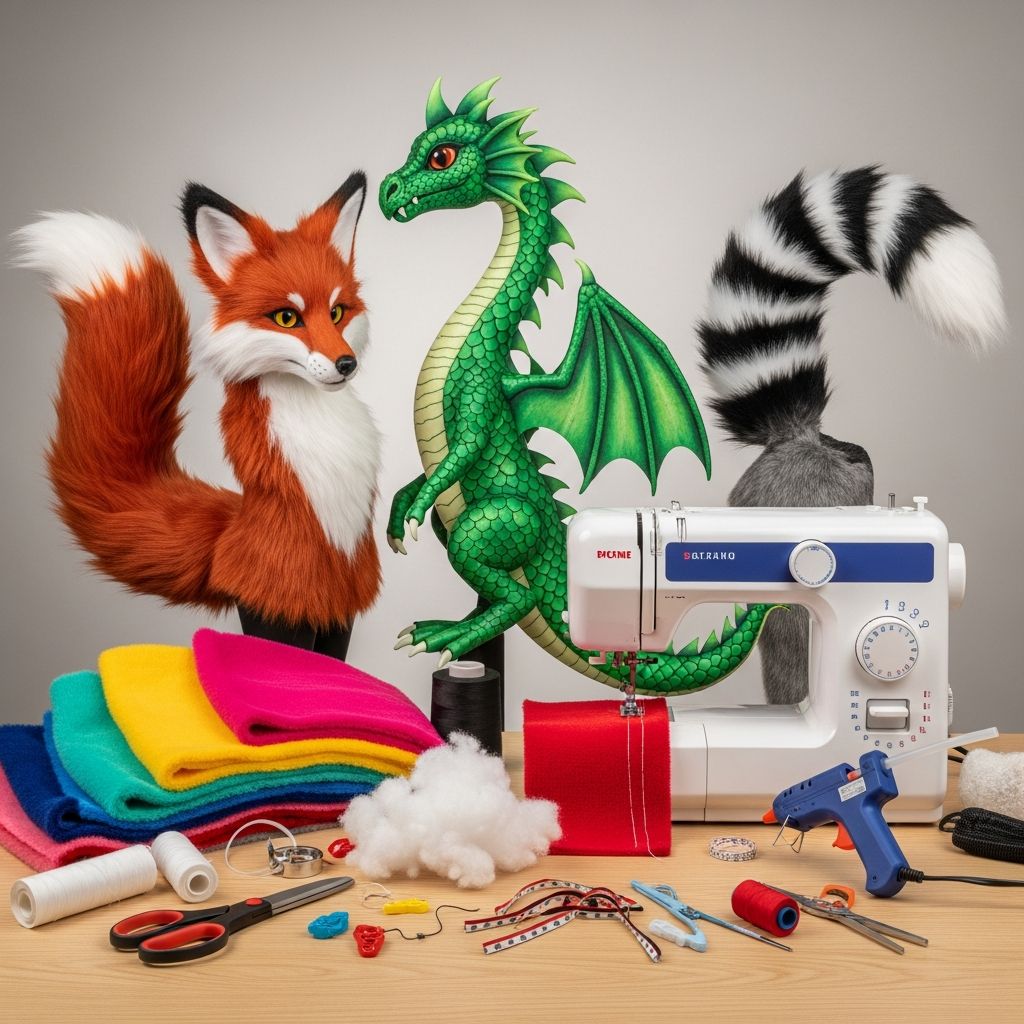
DIY Costume Tail Guide: Craft Your Perfect Accessory
Creating a custom tail elevates any costume, whether for Halloween animals, fantasy cosplay, or furry conventions. This guide explores multiple techniques, from simple no-sew projects to complex posable structures, using accessible materials like faux fur, foam, and fabric. Tail designs can be floppy, upright, or articulated, depending on your needs. Expect to spend under $20 for basic builds, with advanced versions requiring more time but offering reusable results.
Why Make Your Own Tail?
Store-bought tails often lack realism or proper fit, hanging limply or detaching easily. Homemade versions allow precise length, shape, and attachment customization. They support character-specific details like fox fluffiness or dragon spikes. Durability improves with quality materials, surviving multiple wears. Plus, crafting builds skills applicable to full costumes.
- Customization: Match fur color, length, and texture to your outfit.
- Cost Savings: Materials cheaper than commercial options.
- Skill Development: Learn sewing, gluing, and shaping techniques.
Essential Materials and Tools
Gather supplies based on your method. Core items include scissors, hot glue gun, needle/thread, and pins. Specifics vary:
| Method | Key Materials | Tools Needed |
|---|---|---|
| No-Sew Felt | Felt sheets, stuffing, safety pins | Scissors, hot glue |
| Faux Fur Basic | Faux fur fabric, polyester fiberfill | Sewing needle, thread, pins |
| Foam Structured | EVA foam (5mm), faux fur cover, wire/aluminum bar | Craft knife, contact cement, hot glue |
Shop craft stores or online for faux fur (long-pile for realism). Polyester stuffing provides loft without weight. For posable tails, use aluminum flat bars or coat hangers.
No-Sew Felt Tail for Beginners
Ideal for quick costumes, this method uses felt for a fuzzy, lightweight tail in under 30 minutes. Perfect for kids’ animal outfits.
- Prepare Strips: Cut two felt sheets into 1-inch wide strips, 24 inches long. Vary lengths for taper.
- Bundle and Glue: Stack strips horizontally. Apply hot glue along one long edge, pressing halves together. Repeat for ends.
- Fluff and Shape: Knot random strips for bulk. Twist and pull to create fur-like texture.
- Attach: Safety pin to pants or hoodie waistband. Add elastic loop for security.
This yields a 12-18 inch floppy tail. Experiment with colors for skunk stripes or wolf gray. Glue holds through moderate play.
Basic Faux Fur Tail: Sewn and Stuffed
For realistic animal tails like fox or cat, faux fur mimics hair perfectly. This sewn version is soft and posable when stuffed firmly.
- Pattern Creation: Draw a tapered oval on paper, 30 inches long, widest at base (8 inches). Curve tip for natural shape. Cut two fabric pieces, adding 1/2-inch seam allowance.
- Assemble Shape: Fold pattern in half lengthwise. Pin right sides together, fur inward. Sew long edge 1/4-inch from raw edge, leaving base open.
- Reinforce Tip: Gather opening at narrow end with running stitches, pulling tight for pointed finish.
- Turn and Stuff: Invert through base opening. Push stuffing from tip to base, using a stick for skinny areas. Avoid over-packing to prevent ripping.
- Close Base: Fold raw edges inward, whip-stitch shut or glue for semi-permanent seal.
Tuck fur inward while pinning to hide nap. Hand-sewing prevents machine snags on pile. Result: 24-inch fluffy tail attachable via belt loop or pins.
Advanced Foam-Core Upright Tail
Cosplay demands tails that stand erect, like fox or demon designs. EVA foam provides rigid structure under fur cover.
- Build Foam Skeleton: Trace half-tail pattern on 5mm EVA foam sheets. Cut multiples for layered volume. Glue edges with contact cement, aligning registration marks. Assemble halves, adding circular base.
- Create Fur Cover: Wrap foam in plastic, tape for pattern. Cut faux fur panels with seam lines. Sew panels fur-in, leaving 8-inch base gap. Turn right-side out, slide over foam.
- Secure Cover: Trim fur at base, hot-glue velcro strips. Close bottom, hiding seams under long fibers.
This method ensures tails defy gravity. Foam’s flexibility allows slight sway.
Posable Tail with Wire Harness
For dynamic movement, integrate wire or metal into the core. Suited for tiefling or nightcrawler cosplay.
- Shape Wire Frame: Straighten coat hanger or aluminum bar. Bend into tail curve: 90-degree at base, gentle S-wave. Drill matching holes in PVC foam baseplate.
- Harness Assembly: Cut 3mm PVC into waist plate. Attach straps with Chicago screws. Insert bar through plate holes, secure with nuts.
- Attach Tail Body: Sew or glue fur tube over frame. Slide onto bar, velcro at joints for removal.
- Costume Integration: Cut rear slit in outfit for harness. Wear undergarments over waistband.
Bar provides bendable support; multiple wires thicken bulk. Cover ends with foam for comfort.
Attachment Methods for Secure Wear
No tail succeeds without staying put. Compare options:
| Method | Pros | Cons | Best For |
|---|---|---|---|
| Safety Pins/Clips | Quick, adjustable | May tear fabric | Floppy tails |
| Elastic Belt Loop | Hidden, comfy | Slips on curves | Waist attachments |
| Harness Bar | Upright, sturdy | More build time | Cosplay |
| Velcro Tabs | Removable | Wears out | Reusable covers |
Test movement: walk, sit, dance. Reinforce with double stitching.
Tail Variations for Popular Themes
- Fox: Long white-tip fur, slim foam core for curve.
- Wolf: Gray short-pile, heavy stuffing for bushiness.
- Dragon: Scaled fabric over wire, add LED lights.
- Cat: No-sew felt with bell tip.
- Fantasy Demon: Red fur, articulated joints.
Scale size: kids 12 inches, adults 30+.
Troubleshooting Common Issues
Problems and fixes:
- Fur Snags: Use straight needle pushes; brush post-turn.
- Droops: Add wire spine or stiffer foam.
- Bulky Base: Trim excess, gather tightly.
- Rips on Turn: Wider opening, gentle pulling.
Store flattened; shake fur weekly.
Safety and Durability Tips
Use non-toxic glues, flame-retardant fabrics for events. Secure attachments prevent trips. Washable covers extend life: spot-clean fur, air-dry stuffing.
Cost and Time Breakdown
| Type | Cost | Time |
|---|---|---|
| No-Sew | $5 | 20 min |
| Faux Fur Sewn | $12 | 1 hour |
| Foam Upright | $25 | 3 hours |
| Posable Harness | $35 | 4+ hours |
FAQs
What materials are best for realistic fur?
Long-pile faux fur (2-3 inches) with backing for sewing ease.
Can I make a tail without sewing?
Yes, no-sew felt or glued fabric works for casual use.
How do I make it stand up?
Use foam core or metal frame inside the cover.
Is hot glue permanent?
On felt yes, but fur may need stitching for heavy wear.
How long should a tail be?
Waist to knee for adults; proportional for kids/characters.
References
- Faux Fur Tail Tutorial — Instructables. 2010 (enduring DIY method). https://www.instructables.com/faux-fur-tail/
- Cosplay Tail & Harness Tutorial — YouTube (Kimpatsu Cosplay). Accessed 2026. https://www.youtube.com/watch?v=byUkfeXcbxA
- DIY No-Sew Tail — Primary.com. Recent Halloween guide. https://www.primary.com/blogs/using-our-words/halloween-diy-accessories-how-to-make-no-sew-tail
Similar Articles








Read full bio of medha deb