DIY Dishwasher Detergent: Save Money & Go Green
Learn how to make effective, eco-friendly dishwasher detergent at home with simple ingredients.
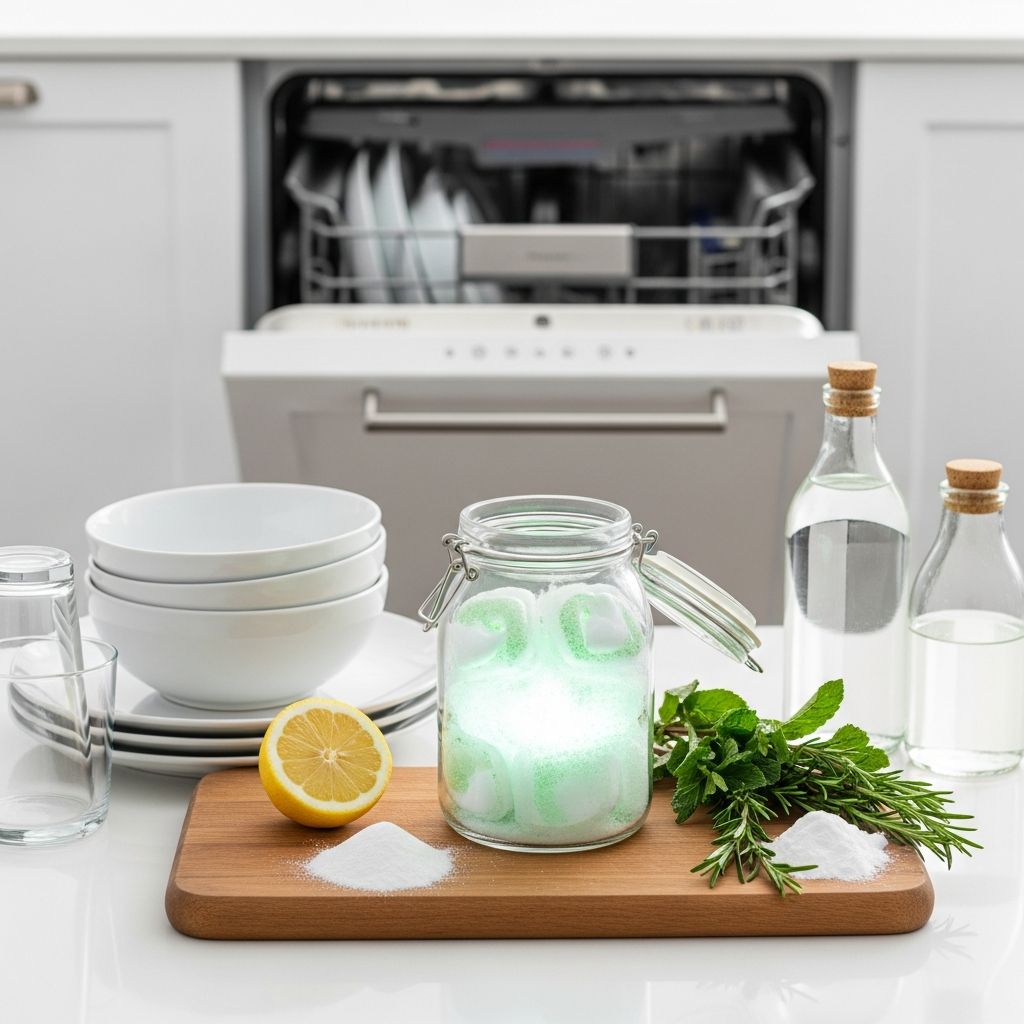
DIY Dishwasher Detergent: A Complete Guide to Homemade Cleaning Solutions
Store-bought dishwasher detergent pods often contain harsh chemicals and microplastics that can leave residues on your dishes and harm the environment. Creating your own dishwasher detergent at home is an excellent way to take control of what goes into your home, save money, and reduce your environmental footprint. With just a few simple, natural ingredients, you can make an effective cleaning solution that rivals commercial products while costing just pennies per load.
Why Make Your Own Dishwasher Detergent?
Making dishwasher detergent at home offers numerous advantages over purchasing commercial brands. The financial savings alone make it worthwhile—homemade recipes can cost as little as three cents per load compared to significantly more expensive pod options. Beyond the budget benefits, creating your own detergent eliminates exposure to unknown chemicals and microplastics commonly found in commercial products.
Environmental consciousness is another compelling reason to switch to homemade solutions. Conventional dishwasher pods generate excessive packaging waste and often contain ingredients that negatively impact aquatic ecosystems. By making your own detergent, you reduce plastic consumption and chemical pollution while maintaining sparkling clean dishes. Additionally, homemade detergent allows you to customize the formula based on your water hardness and specific cleaning needs.
Essential Ingredients for Homemade Dishwasher Detergent
Creating effective dishwasher detergent requires understanding the role each ingredient plays in the cleaning process. The basic formula combines gentle yet powerful natural components that work synergistically to remove food residue and grease.
Washing Soda
Washing soda serves as the primary cleaning agent in homemade dishwasher detergent. This alkaline compound, also known as sodium carbonate, cuts through grease and helps soften water, enhancing the detergent’s overall effectiveness. Washing soda is different from baking soda, though both are natural and gentle. One cup of washing soda forms the foundation of most homemade recipes and can be found in the laundry section of most grocery stores or purchased online.
Citric Acid
Citric acid provides the acidic component necessary for complete cleaning power. This ingredient dissolves mineral deposits, prevents water spots, and helps rinse dishes thoroughly. Food-grade citric acid is crucial for safety and effectiveness. It typically costs just a few dollars and will last for months, making it an economical choice. The acidic element also helps prevent buildup on dishes and glassware, leaving them with a sparkling finish.
Salt
Salt acts as an abrasive agent and helps prevent clumping in your homemade mixture. Sea salt or pink Himalayan salt works equally well, though some prefer Himalayan salt for its mineral content. The salt keeps your detergent powder dry and free-flowing, making it easier to measure and dispense. This ingredient costs mere cents and dramatically improves the texture of your homemade product.
Essential Oils
Essential oils add pleasant fragrance and provide subtle antimicrobial properties. Lemon essential oil is popular for its fresh scent and natural cleaning benefits, but other options like tea tree oil or lavender can be used based on personal preference. Just 20 drops per batch provides noticeable fragrance without overwhelming your dishes. Essential oils are completely optional but significantly enhance the user experience.
Basic Homemade Dishwasher Detergent Recipe
Ingredients:
- 1 cup washing soda
- 1/4 cup food-grade citric acid
- 1/4 cup sea salt or pink Himalayan salt
- 20 drops lemon essential oil (optional)
Instructions:
- Pour one cup of washing soda into a clean glass jar
- Add 1/4 cup citric acid to the jar
- Measure 1/4 cup salt and add to the mixture
- Add 20 drops of your chosen essential oil if desired
- Close the jar tightly and shake vigorously for 2-3 minutes to combine all ingredients thoroughly
- Store in an airtight glass container away from moisture
- Use approximately one teaspoon per load, or 1.5 teaspoons for heavily soiled or greasy dishes
Cost Breakdown and Savings
One of the most compelling reasons to make dishwasher detergent at home is the dramatic cost savings. A basic batch containing one cup of washing soda, 1/4 cup citric acid, and 1/4 cup salt costs approximately $3-5 to prepare and yields enough detergent for roughly 100-150 loads. This translates to just 2-3 cents per load when using one teaspoon of detergent per wash cycle.
Compare this to commercial dishwasher pods, which typically cost $0.15-0.30 per pod, and the savings become substantial. For a household running one load daily, homemade detergent saves approximately $40-100 annually compared to commercial alternatives. Over several years, these savings accumulate significantly while providing a superior product free from harmful chemicals.
Advanced Recipes for Different Cleaning Needs
Heavy-Duty Formula for Greasy Dishes
For households with particularly greasy cookware or heavily soiled dishes, a modified recipe can boost cleaning power. Add an extra 2 tablespoons of citric acid to the basic recipe to increase the acidic component. This variation excels at cutting through stubborn grease and baked-on food while still remaining gentle on your dishwasher. Use 1.5 teaspoons of this formula per load for optimal results.
Fragrance-Free Formula
For families with sensitive noses or concerns about essential oil fragrance, simply omit the essential oil from the basic recipe. The other ingredients provide all the cleaning power needed, and the fresh, natural scent of washing soda and citric acid will still be pleasant when dishes emerge clean from the dishwasher.
Water Softening Enhancement
In areas with hard water, adding extra washing soda improves effectiveness. Increase the washing soda to 1.25 cups while maintaining other ingredients. This modification helps the detergent work more effectively in mineral-heavy water and reduces the likelihood of water spots on glassware.
Tips for Success with Homemade Dishwasher Detergent
Storage and Shelf Life
Store your homemade dishwasher detergent in an airtight glass jar away from direct sunlight and moisture. Glass containers prevent the absorption of oils from essential oils and keep the powder dry. These recipes are shelf-stable and will last indefinitely when stored properly, allowing you to make large batches and stock your pantry without concern about expiration dates.
Measuring and Dispensing
Use a small measuring spoon or the included scoop from old detergent bottles to measure your homemade powder accurately. For standard loads with normally soiled dishes, one teaspoon provides adequate cleaning power. For heavily soiled or greasy dishes, increase to 1.5 teaspoons. Experiment slightly with your first few loads to find the optimal amount for your dishwasher and water conditions.
Addressing Water Spots
While citric acid helps prevent water spots, some water conditions may still produce spotting on glassware. If this occurs, consider using a separate rinse aid in your dishwasher’s rinse aid compartment. The timing of rinse aid application keeps it separate from the detergent, preventing neutralization and enhancing drying performance.
Clumping Prevention
Ensure your jar remains tightly sealed to prevent moisture absorption, which causes clumping. If your detergent does clump, simply break it apart with a fork before use. Adding a few grains of uncooked rice to your storage jar can help absorb excess moisture and prevent clumping over time.
Comparing Homemade vs. Commercial Detergents
| Feature | Homemade Detergent | Commercial Pods | Commercial Powder |
|---|---|---|---|
| Cost per Load | $0.02-0.03 | $0.15-0.30 | $0.05-0.10 |
| Chemical Content | Natural, transparent | Multiple unknown chemicals | Various chemical additives |
| Environmental Impact | Minimal waste, biodegradable | Plastic waste, chemical pollution | Cardboard packaging, chemicals |
| Cleaning Power | Excellent | Excellent | Good to excellent |
| Shelf Life | Indefinite | 2-3 years | 3-5 years |
| Storage Space | Small, single jar | Bulky boxes | Medium container |
Troubleshooting Common Issues
Cloudy or Spotted Glassware
Cloudy dishes usually result from hard water minerals. Increase the citric acid in your formula or add a commercial rinse aid to your dishwasher. The rinse aid works in conjunction with your homemade detergent to ensure proper drying and eliminate spotting.
Dishes Not Getting Clean
If dishes emerge from the dishwasher less clean than desired, increase the amount of detergent per load to 1.5 or 2 teaspoons. Alternatively, check that your dishwasher is clean inside—buildup can reduce spray efficiency. Run an empty load with a cup of vinegar to clean the interior jets and spray arms.
Detergent Clumping
Moisture exposure causes clumping. Ensure your jar is sealed tightly and stored away from humid areas. If clumping occurs, break apart the clumps manually before use or add a few grains of uncooked rice to your storage container to absorb excess moisture.
Ingredient Sourcing and Purchasing Tips
All ingredients for homemade dishwasher detergent are readily available online and in most grocery stores. Washing soda is typically found in the laundry aisle, while citric acid can be located near canning supplies or purchased online. Sea salt and essential oils are available in the spice sections or health stores. Buying these ingredients in bulk reduces per-unit costs and provides supplies for making detergent for several months or longer.
Local grocery chains, health food stores, and major online retailers all carry these items at competitive prices. Purchasing larger quantities of washing soda and citric acid reduces the per-batch cost significantly, especially if you plan to make detergent regularly.
Environmental and Health Benefits
Creating your own dishwasher detergent provides peace of mind regarding what contacts your dishes and your family’s food. Commercial pods contain surfactants, enzymes, and various other chemicals whose long-term health effects remain understudied. Microplastics from pods have been found in aquatic ecosystems and potentially in food supplies, making the environmental impact concerning.
Homemade detergent eliminates these concerns entirely. The ingredients are simple, recognizable, and safe. Your dishes remain free from synthetic residues, and your dishwasher’s drain water contributes less chemical pollution to local water systems. Over time, choosing homemade solutions for cleaning tasks reduces your household’s overall chemical footprint substantially.
Frequently Asked Questions
Q: Can I use regular baking soda instead of washing soda?
A: While baking soda is similar, washing soda is more alkaline and effective for dishwashing. Baking soda can be used in lower quantities as a supplementary ingredient, but washing soda remains superior for this application.
Q: How long does a batch of homemade dishwasher detergent last?
A: A single batch using the basic recipe lasts approximately 100-150 loads depending on how much you use per load. With proper storage, the detergent remains effective for years.
Q: Is homemade detergent safe for all dishwasher types?
A: Yes, homemade detergent made with washing soda, citric acid, and salt is safe for all modern dishwashers. The gentle formula poses no risk to dishwasher components or seals.
Q: Can I adjust the recipe for hard water areas?
A: Absolutely. Increase the washing soda to 1.25 cups or add a rinse aid to your dishwasher for optimal results in hard water regions. The extra alkalinity helps soften water and prevent mineral deposits.
Q: What if I don’t like essential oil fragrance?
A: Simply omit the essential oil entirely. Your detergent will still clean effectively, and dishes will have the natural clean scent of the base ingredients.
Q: Can I make liquid dishwasher detergent instead of powder?
A: While possible, powder is recommended. Liquid formulas can clog dishwasher jets and reduce spray effectiveness. The powder form works optimally in most dishwasher designs.
Q: How do I know if my detergent is working effectively?
A: Look for dishes that emerge completely dry, spot-free, and grease-free. If results are disappointing, increase the amount used per load or check that your dishwasher’s spray arms aren’t clogged.
References
- Ditch Toxic Pods: Make Homemade Dishwasher Soap — The Provident Prepper. May 30, 2025. https://www.youtube.com/watch?v=EXOhAoPME0Y
- Environmental Protection Agency (EPA): Safer Cleaning Products — U.S. Environmental Protection Agency. https://www.epa.gov
- Simply Charlotte Mason: Homemade Dishwasher Detergent Discussion — Simply Charlotte Mason Forum Community. https://simplycharlottemason.com
Similar Articles






Read full bio of medha deb