Removing Glass Shower Doors: Step-By-Step DIY Guide
Master the complete process of safely removing glass shower doors with expert techniques and tools.
Complete Guide to Removing Glass Shower Doors: A DIY Approach
Replacing or upgrading your bathroom often starts with removing existing fixtures, and glass shower doors are no exception. Whether you’re planning a full bathroom renovation, switching to a frameless design, or simply updating your space, understanding how to properly dismantle sliding glass shower doors is essential. This comprehensive guide walks you through the entire process, from gathering materials to finishing touches, ensuring your project proceeds safely and efficiently.
Essential Tools and Equipment for the Job
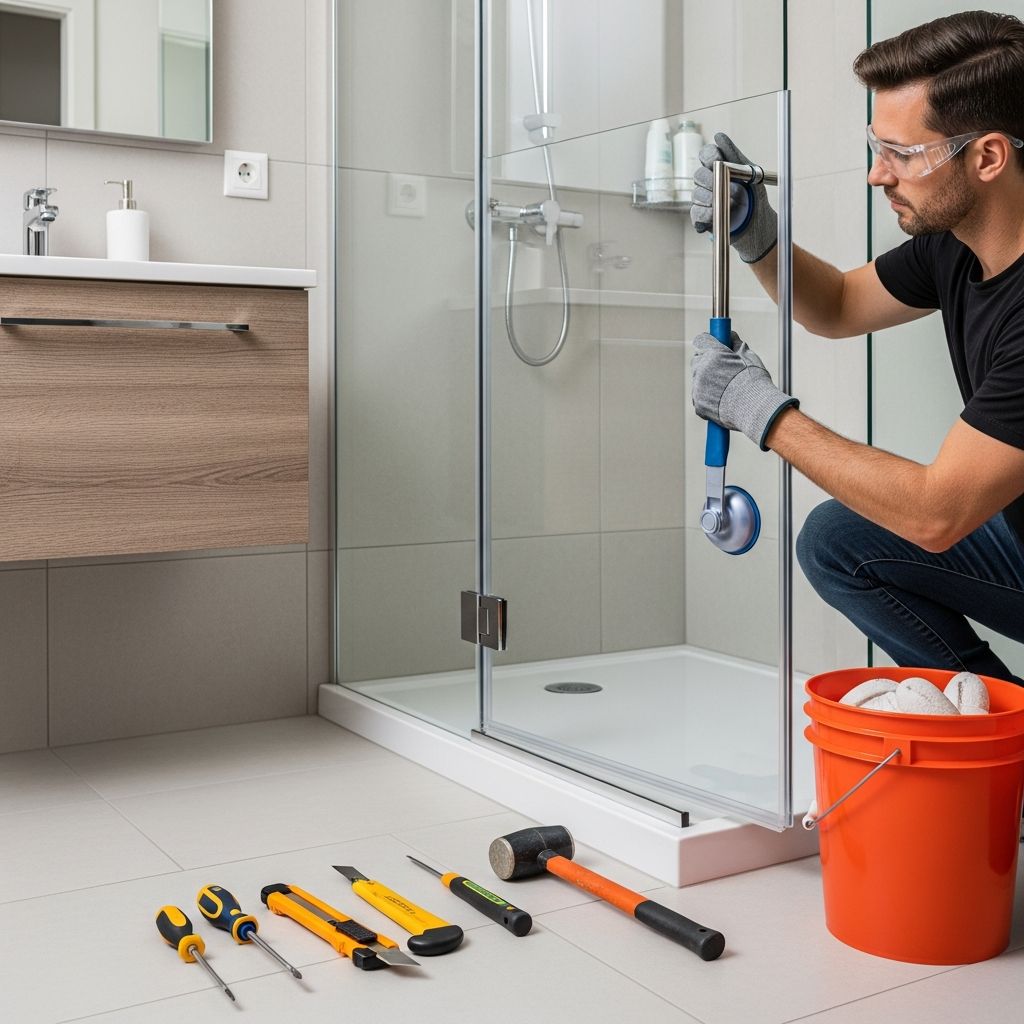
Before beginning any removal project, gathering the right tools is crucial for both efficiency and safety. Having everything on hand prevents unnecessary trips and ensures you can complete the work without interruption. The following tools are fundamental to a successful shower door removal:
- Cordless drill or power driver with multiple bit sizes
- Phillips and flathead screwdrivers of various sizes
- Utility knife with sharp, replaceable blades
- Putty knife or plastic scraper
- Needle-nose pliers for fine work
- Utility-grade cloth or old rags
- Denatured alcohol for residue removal
- Safety goggles to protect your eyes
- Work gloves for cut protection
Additionally, having a second person available significantly simplifies the project. Glass shower doors are considerably heavier than most people anticipate, and having assistance when lifting panels makes the process safer and less strenuous. If working solo, ensure you’ve arranged adequate support or backup before starting.
Understanding Your Shower Door Assembly
Sliding glass shower doors consist of several interconnected components that work together to create a functional enclosure. The typical assembly includes tempered glass panels that slide along metal tracks, a frame structure anchored to the bathroom walls and tub, and silicone caulk sealing the entire unit against moisture infiltration. Understanding how these pieces relate to one another helps you disassemble them in the proper sequence.
The metal frame usually consists of a top header rail, bottom track rails, and vertical side frames. These components are secured with screws at multiple points and sealed with silicone caulk to prevent water leakage. The glass panels themselves rest on rollers that allow smooth sliding motion within the tracks. When removing the door, you must address each layer systematically to avoid damage to your bathroom surfaces.
Preparing Your Workspace and Safety Considerations
Proper preparation prevents accidents and protects your bathroom during the removal process. Begin by clearing the shower area of all personal items, including toiletries, towels, and bath mats. This provides unrestricted access and prevents items from getting damaged or in the way during work.
Tempered glass panels require careful handling, as they are specially treated to be stronger than regular glass but become vulnerable at the corners and edges. Never apply uneven pressure to the panels, as this can cause them to shatter unexpectedly. Always lift panels straight upward, keeping them level and stable. Wear safety goggles throughout the process, as small glass fragments or caulk pieces may become airborne during removal.
Protect your bathroom floors with old towels or drop cloths to catch debris and prevent water accumulation. This also provides better traction if the work area becomes wet. Good lighting is essential—consider positioning a work light to illuminate the frame and tracks, making it easier to locate screws and assess the caulking condition.
Phase One: Removing the Glass Panels
The first structural component to address is the glass panels themselves. This step requires the most care regarding the fragile nature of tempered glass. Begin by locating the center guide rail that runs down the middle of your shower door assembly. This rail typically contains screws that must be removed before the panels can be lifted.
Slide both glass panels toward the center of the shower to access these guide rail screws. Using your cordless drill or screwdriver, carefully remove each fastener. Once the center guide is free from the tub surface, gently lift and remove it. With this component out of the way, the glass panels now rest only in the top and bottom tracks.
Remove the outside panel first by gripping it firmly on the sides and lifting straight upward with a smooth, steady motion. The rollers at the bottom of the panel should disengage from the track as you lift. Have your assistant support the panel as you maneuver it out of the shower frame and set it carefully on a towel-lined surface. Avoid setting it on bare tile or flooring, which could crack the glass.
Repeat this process with the inside panel, again lifting straight up with steady pressure. Once both glass panels are removed, inspect the tracks and rollers for debris or buildup. Clean out any accumulated dirt or mineral deposits using your rag and a bit of the denatured alcohol. This prevents complications when installing new doors later.
Phase Two: Dismantling the Metal Framework
With the glass panels safely removed, you can now focus on the metal frame structure. This phase involves removing the various metal components that were anchored to your bathroom walls and tub. The process typically follows this sequence: top header rail, bottom track, and side frames.
Start by using your utility knife to cut through the silicone caulk that seals the frame to the tile and tub. Hold the blade at approximately a 90-degree angle to the surface and cut carefully along the entire perimeter of the header rail. The goal is to break the caulk’s adhesion without scratching or gouging the tile or tub surface.
Once the caulk is separated, the header rail often comes free with gentle upward pressure. If it resists, place your putty knife under the frame and apply steady leverage from below. Pop one end of the header up first, then work the other end free. This method prevents sudden snapping or damage to the frame.
Next, address the bottom track rail. Again, use your utility knife to cut through the caulk seal, angling the blade to protect the tub surface from scratches. After cutting the seal, the track may lift away easily, or it might require gentle prying with your putty knife. Work slowly and methodically, applying pressure evenly along the length of the track rather than concentrating force at one point.
The side frame rails typically contain the fasteners that hold the entire assembly to your bathroom walls. Locate and remove all screws from each side frame, noting their locations for future reference if needed. Once the screws are out, these vertical frames should pull away from the tile. If they’ve been heavily caulked, you may need to score around their perimeter with your utility knife first to break the seal.
Phase Three: Addressing Remaining Caulk and Cleanup
Once the metal framework is completely removed, you’ll notice residual silicone caulk clinging to your tub, tile, and walls. This leftover material must be thoroughly cleaned away before installing new fixtures or performing any touch-up work. The removal process requires patience and careful technique to avoid damaging bathroom surfaces.
Use your putty knife to scrape away large pieces of caulk, working from top to bottom and using steady, even pressure. The blade should remain relatively flat against the surface. For stubborn caulk that resists scraping, apply denatured alcohol to soften it, allowing for easier removal. Let the alcohol sit for a few minutes before attempting to scrape again.
Once the bulk of the caulk is removed, use a rag dampened with denatured alcohol to wipe down all affected areas. This removes any remaining residue or adhesive material. Pay special attention to corners and edges where caulk tends to accumulate. The goal is a clean, smooth surface ready for new caulking or additional work.
Finishing and Post-Removal Considerations
After removing the shower door assembly, you may notice holes or indentations in your tub where the frame was anchored. These gaps will need to be addressed before the space is fully finished. Apply new silicone caulk to fill any gaps or holes, using a caulk gun for precision application. Smooth the caulk with a wet finger or caulk tool to create a neat, professional appearance.
Allow all caulk to cure fully according to the manufacturer’s instructions, typically 24 to 48 hours, before exposing the area to moisture. During this curing period, keep the area dry and well-ventilated. This prevents mold growth and ensures the caulk achieves proper adhesion and waterproofing.
Inspect the entire work area for any remaining debris, glass fragments, or caulk residue. Use your shop vacuum or broom to collect debris thoroughly. Wipe down walls and tile with a damp cloth to remove dust and ensure a clean environment for whatever comes next—whether that’s installing new shower enclosures or leaving the space open.
Frequently Asked Questions About Shower Door Removal
Can I remove a shower door by myself, or do I need help?
While it’s technically possible to remove a shower door solo, having a second person makes the process significantly easier and safer. Glass panels are heavier than anticipated, and having assistance prevents strain injuries and makes lifting and positioning much more controlled. If you must work alone, arrange backup support or consider calling a professional.
What’s the most common mistake people make when removing shower doors?
The most frequent error is applying uneven pressure to glass panels, particularly at the corners. This can cause tempered glass to shatter unexpectedly. Always lift panels straight up with even, steady pressure, and avoid twisting or angling them during removal.
How long does the typical removal project take?
A complete shower door removal, including frame disassembly and caulk cleanup, typically takes 2 to 4 hours depending on how heavily caulked the installation is and your familiarity with the process. Budget extra time if caulk is particularly stubborn or if you’re working alone.
Is it necessary to remove all caulk residue?
Yes, removing all caulk residue is important for aesthetic and functional reasons. Any remaining caulk prevents new fixtures from sitting flush against surfaces and creates an unprofessional appearance. Thorough cleanup ensures a proper foundation for new installations.
What should I do with the glass panels after removal?
Store glass panels lying flat on a padded surface in a secure location. Never stand them upright, as they’re unstable in this position. If you plan to dispose of them, contact your local recycling center or waste management facility for guidelines on tempered glass disposal.
Safety Reminders and Best Practices
Throughout this project, prioritize safety above all else. Tempered glass requires respectful handling, and utility knives are sharp tools that demand attention. Always cut away from your body, keep fingers clear of blade paths, and change blades frequently to maintain sharpness—dull blades require more pressure and are more likely to slip.
Wear appropriate protective equipment at all times, including safety goggles and work gloves. These items protect against unexpected glass fragments, sharp metal edges, and cuts from caulk removal tools. Ensure adequate ventilation in your bathroom during the project, particularly when using denatured alcohol, as fumes can accumulate in enclosed spaces.
Take breaks as needed, particularly if you’re working at awkward angles or overhead. Fatigue leads to mistakes and accidents. Keep your work area organized and free of trip hazards, and never rush through any step of the process.
References
- Tips on How to Safely Remove a Sliding Glass Shower Door — Basco Shower Door. https://bascoshowerdoor.com/inspiration/blog/tips-on-how-to-safely-remove-a-sliding-glass-shower-door
- How to Remove Shower Doors Yourself – A Quick DIY Guide — Fab Glass and Mirror. https://www.fabglassandmirror.com/blog/how-to-remove-shower-doors/
- Removing your Sliding Glass Shower doors — Delineate Your Dwelling. https://www.delineateyourdwelling.com/removing-your-sliding-glass-shower-doors/
- How to Remove Shower Doors Safely | Step-by-Step Guide — Shower Door Masters. https://showerdoormasters.com/removing-shower-doors/
Similar Articles








Read full bio of Sneha Tete