DIY Grill Drip Pans: Custom Builds for Better BBQ
Master grilling with homemade drip pans: simple foil tricks to advanced metal fabrication for cleaner cooks and epic flavors.
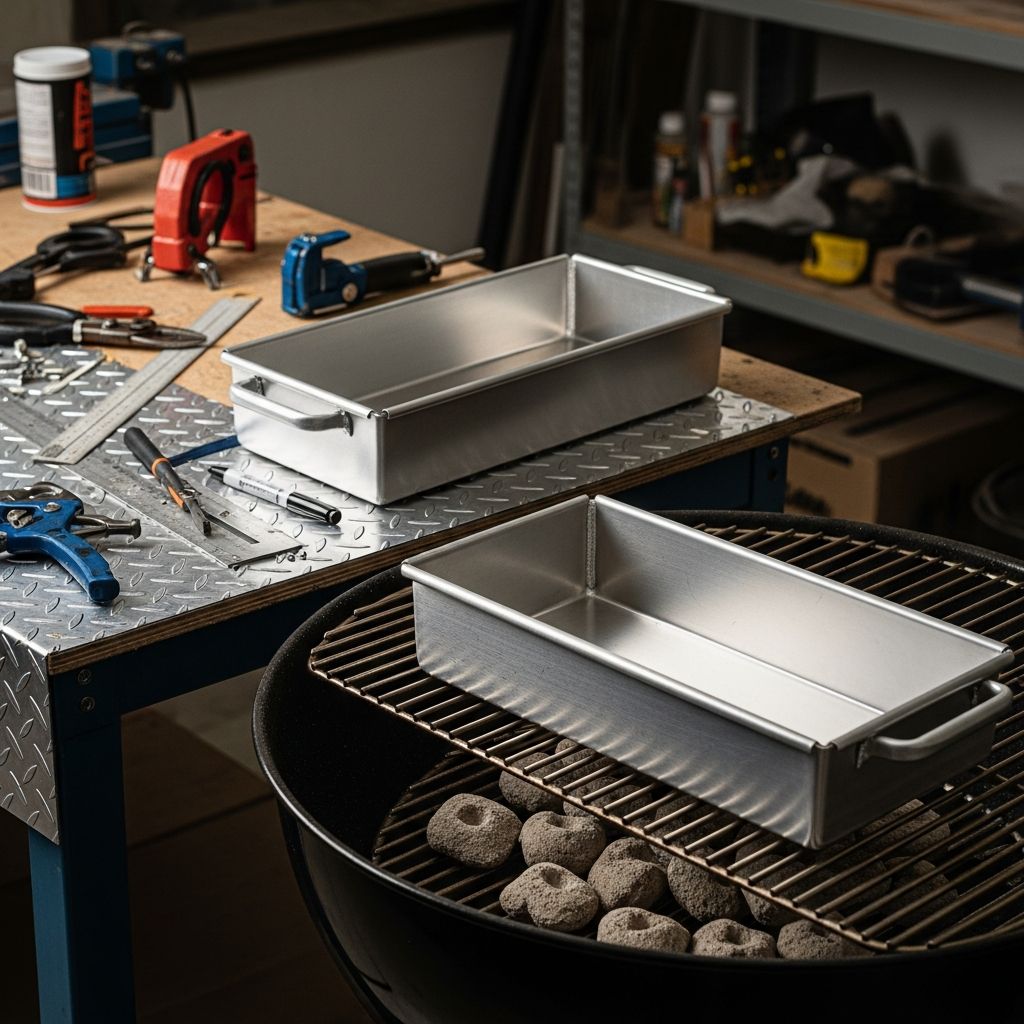
Grill drip pans are essential accessories that capture grease, juices, and food particles during cooking, preventing flare-ups and simplifying cleanup. Whether you prefer quick foil solutions or durable metal constructions, crafting your own allows perfect customization for any grill model.
Why Every Grill Needs a Drip Pan
Drip pans sit beneath the cooking grates to collect falling fats and liquids, reducing the risk of sudden flames from ignited drippings. This setup promotes even heat distribution and protects your grill’s interior from corrosive buildup. For low-and-slow smokes, they can hold water or broth to maintain moisture in meats like ribs or brisket. Home chefs save money by avoiding replacements while tailoring size and shape precisely.
- Flare-up prevention: Catches up to 90% of drippings before they hit hot coals or burners.
- Cleanup boost: Disposable or reusable options mean less scrubbing of grates and fireboxes.
- Flavor enhancement: Collected juices can be repurposed into sauces or gravies.
- Versatility: Doubles as a water pan for indirect cooking or soaking wood chips.
Quick Foil Drip Pans: No Tools Required
The simplest method uses heavy-duty aluminum foil, ideal for beginners or one-off cooks. These disposable pans form in minutes and fit any grill size.
Materials for Foil Pans
- Heavy-duty aluminum foil sheets (18-24 inches wide)
- Baking pan or tray for molding (e.g., 13×9-inch)
- Optional: Non-stick foil for sticky foods
Step-by-Step Foil Drip Pan Guide
- Mold the base: Invert a baking pan. Drape one foil sheet over the width and another over the length, overlapping corners by 2 inches.
- Shape sides: Press foil firmly around the pan’s edges to create 1-2 inch rims. Ensure dull side (non-stick if used) faces inward.
- Crimp edges: Remove foil, flip right-side up, and fold rims tightly to seal corners against leaks.
- Customize depth: For deeper pans, add extra layers or use larger molds. Test fit under grates.
- Enhance function: Add water, beer, or juice before use to catch drippings and add steam.
These pans excel for vertical smokers or kettles, where precise sizing prevents overflow. Transport on a cookie sheet to avoid tears.
Advanced Metal Drip Pans: Built to Last
For frequent grillers, fabricate permanent pans from sheet metal. This yields professional-grade results resistant to rust and high heat.
Tools and Materials List
| Item | Purpose | Notes |
|---|---|---|
| 16-gauge sheet metal (24×24 inches) | Main body | Stainless steel preferred for durability |
| Hydraulic shear or tin snips | Cutting | Safety gear essential |
| Sheet metal brake | Folding | Alternatives: vise and hammer |
| MIG welder | Seams | High-temp paint post-weld |
| Turret punch or drill | Drain hole | 1-1.25 inch diameter |
Building a V-Shaped Metal Pan
Measure your grill’s grate space first—add 1-2 inches for sides. Aim for 3/4-inch walls to contain drippings without obstructing airflow.
- Cut base sheet: For a 21.5×15.5-inch pan, cut 23×17 inches. Mark 3/4-inch fold lines on edges and center.
- Add drain: Punch a 1.25-inch hole midway along the center line for grease evacuation.
- Notch folds: Remove 3/4-inch squares at corners and V-notches at center line ends using a notcher or grinder.
- Fold precisely: Brake short sides up 90 degrees first, then center V (30-45 degrees), followed by long sides.
- Attach supports: Cut L-brackets matching pan ends. Fold lips and weld securely, filling seams completely.
- Finish hook: Hammer a slope around the drain; weld bent bar stock as a can hanger.
- Prep surface: Sandblast, paint with grill-safe coating, and cure by heating empty.
This design mimics factory pans but fits uniquely, lasting seasons with minimal maintenance.
Customizing Pans for Your Grill Type
Charcoal and Kettle Grills
Position pans above heat deflectors with 2-inch clearance. Foil works for portability; metal for permanence. Add water to combat drying.
Gas and Pellet Grills
Match burner spacing. Stainless trays prevent corrosion from propane residue. Hang disposable cans below drains for easy disposal.
Smokers and Offsets
Deep pans hold liquids for humid smokes. Multi-pan setups catch from multiple zones.
Maintenance and Safety Tips
- Pre-use check: Inspect for cracks; line foil pans if reusing metal.
- Cleaning protocol: Scrape while warm; avoid harsh chemicals on coatings.
- Fire safety: Never overfill liquids; position away from open flames.
- Storage: Dry thoroughly to prevent rust; stack nested for space-saving.
Regular use extends grill life by minimizing carbon deposits, per grilling safety standards.
Creative Uses Beyond Drippings
Repurpose pans for marinating, wood chip steaming, or even serving au jus. In foil form, they bake foil-pack meals directly on grates.
Frequently Asked Questions
What size drip pan fits most standard grills?
Most 22-inch kettles need 18-20 inches wide; measure grate-to-deflector distance for depth.
Can I use glass or ceramic pans instead?
No—thermal shock risks shattering. Stick to metal or foil rated for 500°F+.
How often should I replace foil drip pans?
Every 2-3 uses or if torn; metal ones last years with proper care.
Does a drip pan affect cooking temperature?
Minimal impact; water pans may lower by 10-20°F, ideal for smoking.
Are DIY pans safe for high-heat searing?
Yes, if materials withstand 600°F; test empty first.
References
- Grill Drip Pan – Heavy Metal Edition — Instructables. Accessed 2026. https://www.instructables.com/Grill-Drip-Pan-Heavy-Metal-Edition/
- DIY Grill Pans and BBQ Drip Pans — Reynolds Brands. 2024-10-09. https://www.reynoldsbrands.com/tips-and-how-tos/diy-grill-pans
- What Are Drip Pans & How Do They Improve Grilling? — Kick Ash Basket. 2025-01. https://kickashbasket.com/blogs/tips-tricks/what-is-a-grill-drip-pan
Similar Articles








Read full bio of medha deb