Heat Shrink Wrapping: Step-By-Step DIY Guide For Home Projects
Master the art of heat shrink wrapping at home with simple tools and techniques for protecting boats, furniture, and more effectively.
DIY Heat Shrink Wrapping Guide
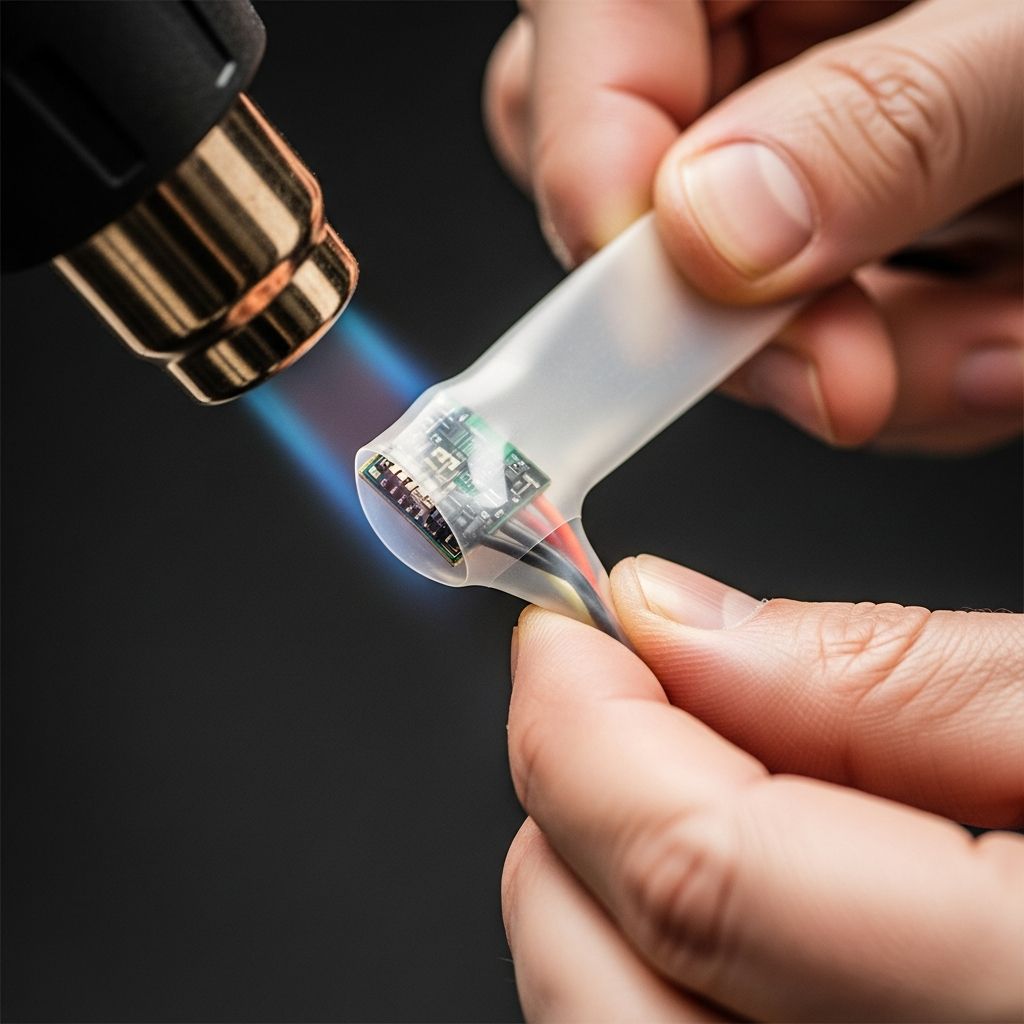
Heat shrink wrapping offers a reliable method for safeguarding items against moisture, dust, and physical damage right from your garage or backyard. This technique uses specialized plastic film that contracts when exposed to heat, creating a tight, custom-fitting barrier around objects of various sizes and shapes. Whether securing boats for winter storage, protecting furniture during moves, or packaging products for sale, mastering this skill saves money and ensures durable protection.
Why Choose Heat Shrink Wrapping for Home Projects?
Unlike traditional tarps or plastic sheeting, heat shrink film forms a seamless, drum-tight seal that resists wind, rain, and UV exposure. It prevents water ingress at seams and reduces the need for frequent checks or replacements. Homeowners appreciate its versatility for irregular shapes, from pallets of lumber to outdoor grills. Professional results are achievable without expensive machinery, making it ideal for DIY enthusiasts.
Key advantages include cost savings over commercial services, reusability of materials for multiple projects, and enhanced longevity of stored goods. For instance, properly wrapped boats or machinery can endure harsh winters unscathed, preserving value and functionality.
Essential Tools and Materials for Successful Wrapping
Gathering the right supplies is the foundation of any shrink wrapping project. Start with high-quality shrink film, available in rolls of varying thicknesses (typically 6-8 mil for heavy-duty use) and widths to match your item. Polyolefin or polyethylene films are common for home applications due to their clarity, strength, and shrink rates of 45-65%.
- Shrink film roll: Select based on object dimensions; wider rolls for larger items.
- Heat gun: Adjustable temperature model (300-500°F) for precise control; avoid household hair dryers as they lack sufficient power.
- Sealer or impulse sealer: For clean edge seals on pouch-style wraps.
- Padding materials: Foam, rags, or cardboard for sharp edges.
- Attachment aids: Filament tape, spray adhesive, strapping, or wood battens.
- Cutting tools: Utility knife or heavy-duty scissors.
- Protective gear: Gloves, safety glasses, and respirator for fumes.
Invest in a quality heat gun with nozzles for focused heat application. Budget options start under $50, while pro-grade tools offer longevity for repeated use.
Preparing Your Item for Wrapping
Inspection and preparation prevent failures like tears or uneven shrinking. Begin by cleaning the surface thoroughly to remove dirt, grease, or debris that could compromise adhesion. Dry completely to avoid trapped moisture, which leads to bubbles.
Identify potential problem areas: sharp corners, protrusions, or fragile components like wiring or glass. Pad these with soft materials secured by tape. For boats or machinery, cover vents and openings temporarily to block pests or water.
| Issue | Padding Solution | Purpose |
|---|---|---|
| Sharp edges | Foam pipe insulation or rag wraps | Prevents film punctures |
| Delicate parts | Cardboard sleeves or bubble wrap | Absorbs impacts |
| Protrusions | Rubber caps or cloth padding | Ensures smooth contour |
Measure the item’s length, width, height, and girth accurately. Add 6-12 inches of overlap for secure coverage. Sketch a diagram to plan film layout, especially for complex shapes.
Step-by-Step Guide to Partial Shrink Wrapping
Partial wrapping suits items with flat undersides or stable bases, like machinery on pallets. It covers top and sides while allowing bottom ventilation.
- Unroll and position film: Drape over the top, extending equally on both sides. Avoid floor contact to prevent contamination.
- Secure edges: Use tape or strapping at the base. Fold corners neatly like gift wrapping, applying adhesive if needed.
- Add strapping for reinforcement: Position bands every 2-3 feet, folding excess film underneath and taping.
- Apply heat strategically: Start at the bottom, waving the gun 6-12 inches away in sweeping motions. Work upward evenly to avoid burns.
- Inspect and seal: Patch thin spots with tape post-cooling.
This method is quicker for large items and uses less material.
Complete Enclosure: Full Shrink Wrapping Techniques
For maximum protection, full wrapping encases the entire object in a continuous film envelope, ideal for transport or long-term storage.
- Cut film to size: Lay flat with item centered; ensure 8-10 inches overlap on all sides.
- Form the pouch: Fold and seal bottom edges using a sealer or heat tool. Position item inside.
- Close the top: Fold flaps tightly and seal, evacuating air if possible for vacuum-like fit.
- Shrink systematically: Heat from bottom up, circling the object. Maintain 12-18 inches distance, never lingering.
- Cool and reinforce: Allow 5-10 minutes settling; add strapping for heavy loads.
Pro tip: For vertical items like poles, start wrapping from the top downward to manage gravity.
Mastering Heat Application with a Heat Gun
The heat gun is your primary tool—misuse leads to melts, holes, or loose fits. Set to medium (350°F) for thin films, higher for thicker. Keep moving constantly in a back-and-forth pattern, like painting.
- Distance: 8-12 inches for broad areas; closer with nozzles for seams.
- Avoid hotspots: Fluent arm motion prevents burning.
- Monitor film: It turns glossy then tightens; stop at snug fit.
Practice on scrap first to calibrate speed and temperature for your setup.
Safety Protocols and Best Practices
Prioritize safety to avoid burns, fires, or toxic fumes. Work in well-ventilated areas, away from flammables. Wear heat-resistant gloves and eye protection. Never leave the heat gun unattended while powered on.
Common pitfalls:
- Overheating: Causes holes—use steady motion.
- Insufficient prep: Leads to tears—pad diligently.
- Poor sealing: Allows air pockets—double-check edges.
Store wrapped items off-ground on pallets for airflow, preventing mold.
Applications and Project Ideas for Home Use
Versatile for countless scenarios:
- Marine storage: Boats, engines against saltwater corrosion.
- Furniture moving: Protects upholstery from scratches.
- Product packaging: E-commerce sellers achieve pro looks.
- Outdoor gear: ATVs, generators for off-season.
Scale up for lumber stacks or down for small tools.
Troubleshooting Common Shrink Wrap Issues
| Problem | Cause | Solution |
|---|---|---|
| Bubbles or wrinkles | Trapped air/moisture | Puncture and reheat; ensure dry prep |
| Tears/holes | Sharp edges or overheat | Pad better; move gun faster |
| Loose fit | Insufficient heat | Reapply evenly; check film quality |
| Uneven shrink | Static application | Sweep motion; uniform distance |
Frequently Asked Questions (FAQs)
What thickness of shrink film should I use for outdoor storage?
8-mil or thicker for weather resistance; 6-mil suffices indoors.
Can I reuse shrink wrap?
Yes, if undamaged; cut carefully during removal.
Is a hair dryer sufficient instead of a heat gun?
No—lacks power for proper contraction.
How long does a shrink wrap last outdoors?
1-3 years with UV-stabilized film; inspect annually.
Do I need to vent wrapped items?
For long-term storage, yes—small slits prevent condensation.
Advanced Tips for Professional Results
Experiment with printed films for branding. Use zippers for access points. For giant projects, enlist help for handling. Maintain tools post-use to extend life.
With practice, heat shrink wrapping becomes a go-to skill, rivaling commercial services in quality and cost-effectiveness.
References
- Quick Guide to Shrink Wrapping — Americover. 2023. https://www.americover.com/blog/quick-guide-to-shrink-wrapping/
- Easy Steps to Shrink Wrap Products at Home — Aust Wrapping Co. 2024. https://www.austwrappingco.com.au/easy-steps-to-shrink-wrap-products-at-home/
- How to Shrink Wrap Products | Step by Step Guide — YouTube (Video). 2022-10-15. https://www.youtube.com/watch?v=ctD7h0yf1I8
- DIY Shrink Wrap Kits — Dr. Shrink. 2024. https://dr-shrink.com/kickass-cover-training-video-series/
Similar Articles








Read full bio of Sneha Tete