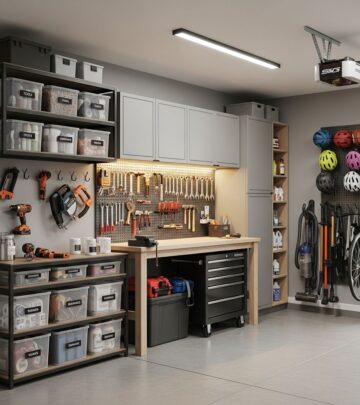
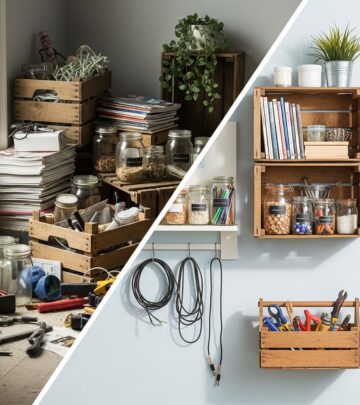
DIY Home Improvement Tips: Essential Guides for Homeowners
Master essential DIY home improvement techniques with expert guidance and practical advice.
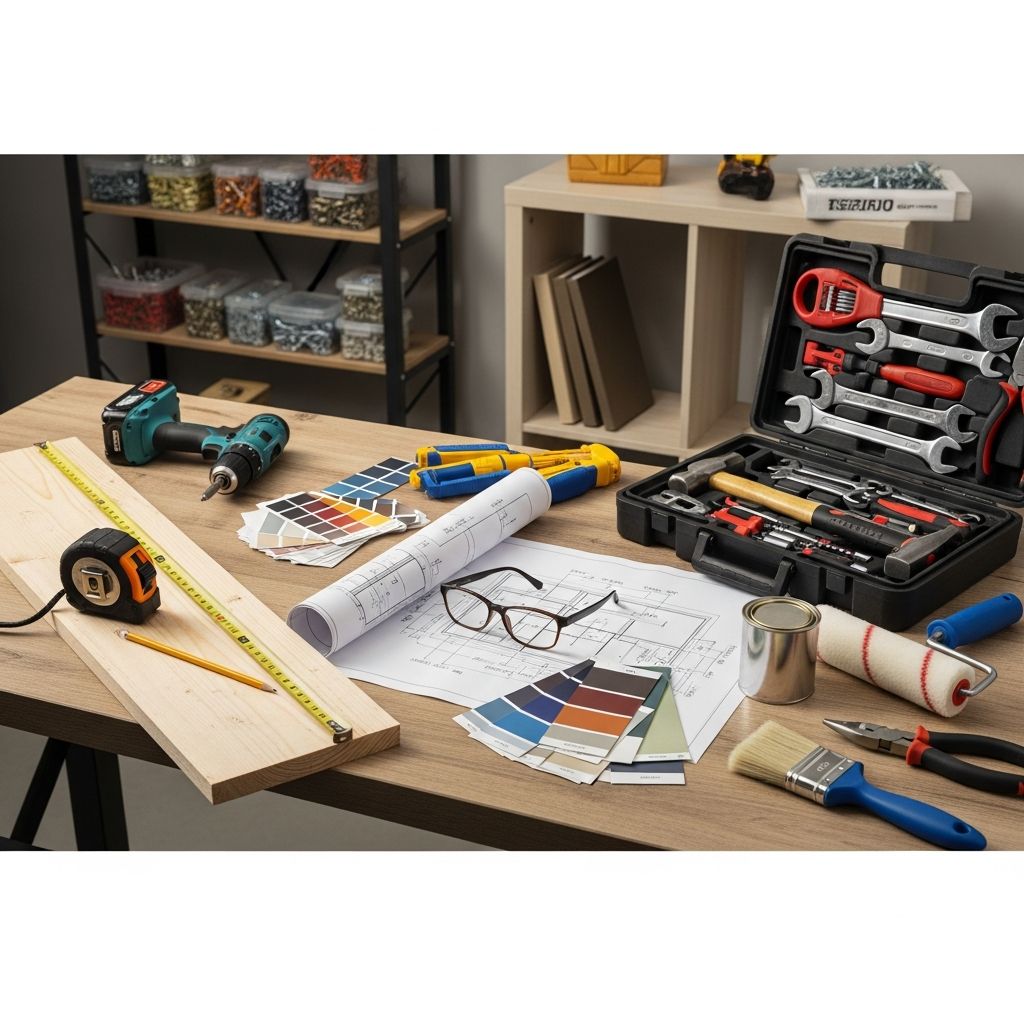
DIY Home Improvement Essentials: A Comprehensive Guide for Every Homeowner
Home improvement projects can seem daunting for many homeowners, but with the right guidance and understanding of fundamental techniques, anyone can successfully complete repairs and upgrades. Whether you’re a first-time homeowner or someone looking to expand your DIY skills, understanding the basics of home improvement is essential for maintaining property value and ensuring your home remains safe and functional.
Getting Started with Home Improvement Projects
Before tackling any home improvement project, proper planning and preparation are crucial. The foundation of successful DIY work begins with understanding what tools you’ll need, what materials are required, and having a realistic timeline for completion. Many homeowners make the mistake of underestimating project complexity, which can lead to costly mistakes and frustration.
The first step in any home improvement journey is to assess your current skill level honestly. Some projects are genuinely beginner-friendly, while others require experience and specialized knowledge. Start with smaller projects to build confidence and develop essential skills before moving on to more complex renovations.
Essential Tools Every Homeowner Should Own
Having the right tools makes home improvement projects significantly easier and safer. A well-stocked toolbox should include basic hand tools that address common household needs and repairs.
Basic Hand Tools
Every homeowner should invest in quality hand tools as the foundation of their DIY toolkit. These tools handle the majority of household repairs and minor projects without requiring electricity or complex setup:
- Hammer – Essential for driving and removing nails
- Screwdrivers – Both Phillips and flathead varieties in multiple sizes
- Adjustable wrench – Versatile for working with nuts and bolts
- Pliers – Multiple types including slip-joint, needle-nose, and locking varieties
- Tape measure – Accurate measurements are critical for most projects
- Level – Ensures surfaces are perfectly horizontal or vertical
- Utility knife – For cutting drywall, flooring, and other materials
- Allen wrench set – Required for many modern fixtures and furniture
Power Tools for Intermediate Projects
Once you’ve mastered basic hand tools, adding power tools to your collection allows you to tackle more substantial projects. However, power tools require proper safety training and respect:
- Drill-driver – One of the most versatile tools for drilling holes and driving screws
- Circular saw – Essential for cutting wood and other materials
- Jigsaw – Allows for curved cuts and intricate designs
- Orbital sander – Makes surface preparation faster and more uniform
- Impact driver – Faster and more powerful than traditional drills for certain applications
Common Home Repair Projects for Beginners
Starting with manageable projects builds confidence and develops your fundamental DIY skills. These common repairs are ideal for anyone just beginning their home improvement journey.
Fixing Drywall Damage
Small holes and dents in drywall are among the most common cosmetic issues homeowners face. Fortunately, these repairs require minimal tools and materials. Small holes under half an inch can be filled with spackling compound, sanded smooth, and painted. Larger holes require a different approach, using a patch kit or cutting a square around the damage and installing a new drywall section secured to the studs behind.
Replacing Weatherstripping
Damaged weatherstripping around doors and windows allows conditioned air to escape, wasting energy and increasing utility bills. This simple replacement project involves removing old weatherstripping, cleaning the surface, and applying new adhesive-backed weatherstripping. The entire process takes less than an hour and provides immediate energy savings.
Caulking and Sealing
Caulk fills gaps and prevents air leaks around windows, doors, and other openings. Learning proper caulking technique creates professional-looking results. The key is maintaining steady pressure on the caulk gun, keeping the bead consistent, and smoothing it with a wet finger or caulk tool for neat appearance.
Electrical Projects: Safety Considerations
Electrical work requires extra caution and knowledge. Many electrical projects are within the capability of skilled homeowners, but complex work should be left to licensed electricians. Always turn off power at the breaker before starting any electrical work, and use a multimeter to verify power is actually off.
Replacing Outlets and Switches
Replacing a standard outlet or light switch is straightforward once power is confirmed off. These projects involve removing the old device, disconnecting the wires, connecting wires to the new device using appropriate wire connections, and securing everything in the electrical box. Always match wire colors: black to brass terminals, white to silver terminals, and ground wires appropriately connected.
Installing New Lighting Fixtures
Updating light fixtures modernizes spaces and can improve functionality. Before beginning, ensure power is completely off at the breaker. Work carefully with existing wiring, take photos before disconnecting anything, and follow the manufacturer’s instructions closely for new fixture installation.
Plumbing Basics for Homeowners
Basic plumbing repairs save money on service calls and prevent minor issues from becoming major problems. Understanding your home’s plumbing system and having essential supplies on hand makes handling emergencies much easier.
Fixing Leaky Faucets
A dripping faucet wastes water and money. Most faucet leaks result from worn washers or O-rings that are relatively inexpensive to replace. Shutting off water at the supply valve under the sink, disassembling the faucet, replacing the worn components, and reassembling everything typically takes thirty minutes or less.
Unclogging Drains
Slow or clogged drains are common plumbing issues. Before using chemical drain cleaners, try using a plunger or removing the drain plug and manually clearing debris. A plumbing snake can reach clogs further down the line. Chemical cleaners are harsh and should be a last resort for stubborn clogs.
Toilet Repairs
Running toilets and weak flushes often result from issues inside the tank. Most toilet problems involve the flapper, fill valve, or flush valve. These components are inexpensive and widely available. Replacing them typically requires turning off water, emptying the tank, and installing new components.
Painting and Finishing Techniques
Painting is one of the most impactful and budget-friendly ways to refresh interior and exterior spaces. Proper preparation and technique create professional-looking results.
Interior Painting Preparation
The difference between amateur and professional-looking paint jobs begins with preparation. Remove furniture from the room or push it to the center and cover it. Protect floors and fixtures with drop cloths. Patch wall damage, sand any rough spots, and apply primer to bare areas. Clean walls to remove dust and debris that prevents paint adhesion.
Exterior Painting Considerations
Exterior painting requires additional considerations. Weather conditions matter significantly—paint in mild, dry conditions without direct sun. Proper surface preparation is even more critical outdoors, as old paint, dirt, and mildew prevent new paint from adhering properly. Pressure washing, scraping loose paint, and applying primer creates a lasting finish.
Kitchen and Bathroom Updates
These spaces offer high impact for home value and daily quality of life. Some updates are particularly suited for DIY work.
Backsplash Installation
A tile backsplash transforms kitchen appearance and protects walls from splashes. Installing backsplash requires measuring accurately, planning tile layout, preparing the surface, applying thin-set mortar, placing tiles, grouting, and sealing. While seemingly complex, many homeowners successfully complete this project with patience and attention to detail.
Bathroom Fixture Updates
Replacing towel bars, toilet paper holders, and medicine cabinets refreshes bathrooms affordably. These updates require locating studs, using appropriate anchors for your wall type, and securing fixtures level and secure.
Safety Practices for All Projects
Safety must be the top priority in every home improvement project. Understanding and following safety guidelines prevents injuries and ensures project success.
Personal Protective Equipment
Always wear appropriate protective equipment for your specific project. Safety glasses protect eyes from debris, dust masks prevent inhalation of harmful particles, work gloves protect hands, and steel-toed boots protect feet. Hearing protection is essential when using loud power tools.
Proper Tool Usage
Using tools correctly prevents accidents and injury. Read manufacturer instructions before using any new tool. Maintain tools in good condition, keeping blades sharp and moving parts lubricated. Never force a tool to do something it isn’t designed for, and always keep both hands and attention on what you’re doing.
Structural and Load Considerations
Before removing walls or making structural modifications, consult professionals to ensure you won’t compromise your home’s integrity. Some projects require building permits and inspections to ensure safety compliance. It’s better to err on the side of caution than to create structural problems.
Choosing Quality Materials
Material quality directly impacts project longevity and performance. While budget-friendly options exist, investing in quality materials for visible or functional components provides better value over time.
Evaluating Material Options
Research material options for your specific project. Read reviews, compare durability ratings, and consider maintenance requirements. Sometimes paying slightly more upfront saves significant money through longevity and reduced maintenance.
Frequently Asked Questions
Q: What should I do before starting a DIY project?
A: Plan thoroughly, gather all necessary tools and materials, ensure you have adequate lighting and workspace, research the project completely, and consider whether professional help is needed for safety reasons.
Q: How do I know if a project is beyond my skill level?
A: Structural modifications, complex electrical work, gas line installations, and major plumbing work often require professional expertise. When in doubt, consult professionals rather than risk safety issues.
Q: What’s the best way to learn DIY skills?
A: Start with simple projects, watch instructional videos, read detailed guides, and don’t hesitate to ask experienced friends for advice. Practice and patience develop competence over time.
Q: Do I really need all those expensive tools?
A: Start with basic hand tools, which are relatively inexpensive. Add power tools as you tackle projects that require them. Many tools can be rented for one-time projects rather than purchased.
Q: How do I safely work with power tools?
A: Always read manufacturer instructions, wear appropriate safety equipment, keep hands and loose clothing away from moving parts, maintain focused attention on your work, and never use power tools when tired or distracted.
Q: What permits or inspections might I need?
A: Requirements vary by location and project type. Contact your local building department to determine if your specific project requires permits or inspections before beginning.
References
- Home Improvement and Repair Basics — U.S. Department of Housing and Urban Development (HUD). Accessed December 2025. https://www.hud.gov/program_offices/public_indian_housing/programs/ph/phr_about/about/doh
- Electrical Safety for Homeowners — Electrical Safety Foundation International (ESFI). Accessed December 2025. https://www.esfi.org/
- Plumbing Code and Standards — International Code Council (ICC). Accessed December 2025. https://www.iccsafe.org/
- Construction and Tool Safety Guidelines — Occupational Safety and Health Administration (OSHA). Accessed December 2025. https://www.osha.gov/diy
- Paint and Coating Application Standards — Paint Manufacturers’ Association. Accessed December 2025. https://paintinfo.com/
Similar Articles







Read full bio of Sneha Tete