DIY Insulated Curtains Guide
Craft energy-efficient window treatments at home to slash heat loss and boost comfort in any season.
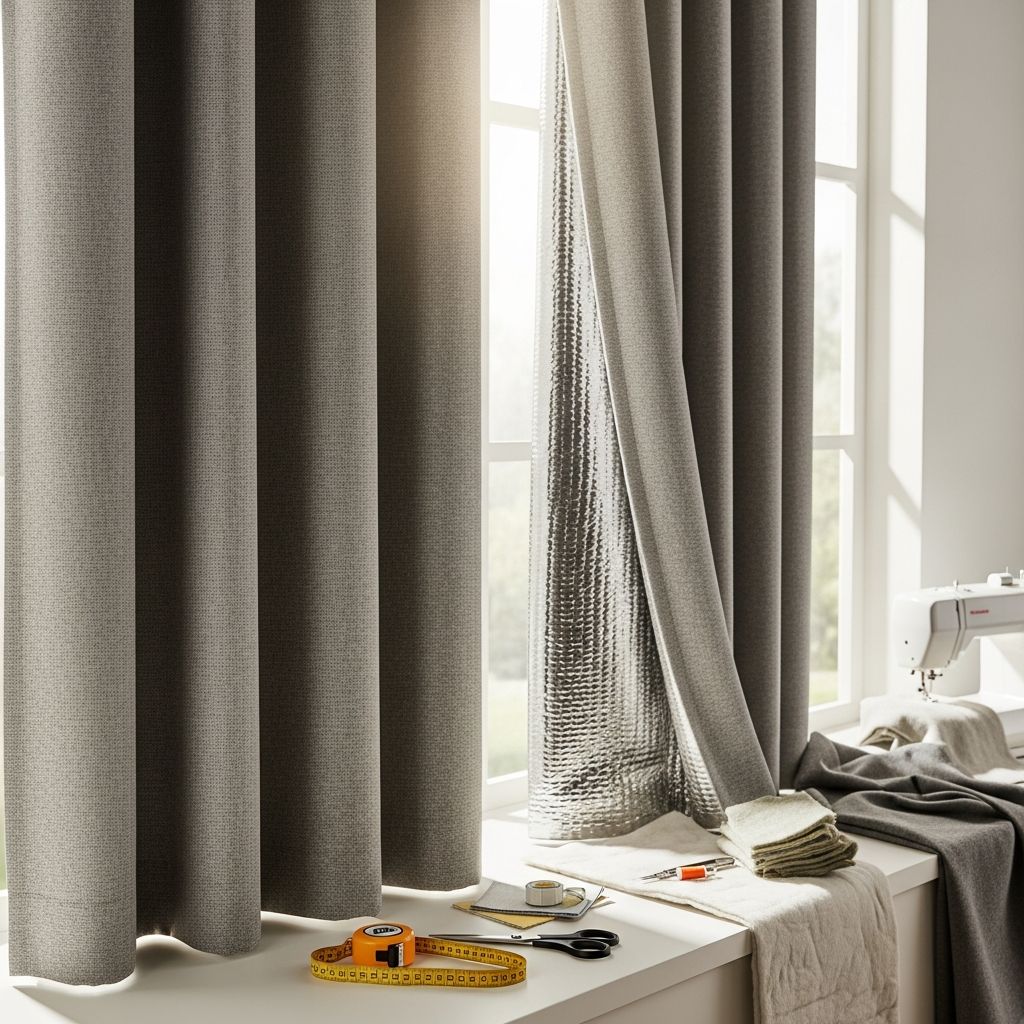
Insulated curtains provide an effective, budget-friendly way to minimize heat transfer through windows, helping maintain comfortable indoor temperatures while lowering utility costs. These custom window coverings trap air pockets and block drafts, offering superior performance compared to standard drapes.
Why Invest in Custom Thermal Window Coverings
Windows represent a primary source of energy loss in most homes, with up to 50% of heat escaping through untreated glass during winter.Custom insulated curtains address this by creating multiple layers that enhance the R-value—the measure of thermal resistance—of your windows. Unlike basic curtains, these designs incorporate vapor barriers and rigid supports to seal gaps and prevent condensation buildup.
Benefits extend beyond winter; in summer, they reflect sunlight to keep interiors cooler, reducing air conditioning demands. For off-grid living or mobile setups like RVs and vans, they prove essential for conserving limited heating resources.
Essential Materials for Building Effective Layers
Gather these components to assemble durable, high-performing curtains. Focus on materials that prioritize insulation, flexibility, and ease of use.
- Outer and inner fabric panels: Polar fleece or thick cotton canvas (inexpensive, no hemming needed, traps air effectively).
- Vapor barrier: 4-mil clear polyethylene sheeting (prevents moisture against glass without breathability).
- Battens: Hardwood or pine strips (0.5×1 inch for top, 0.5×0.75 inch for lowers; space every 20 inches max for rigidity).
- Insulated lining: Warm Windows fabric or hollow polyester fiber (boosts R-value significantly).
- Fasteners: Stainless steel staples, thumb tacks, or upholstery nails (rust-resistant for longevity).
- Optional extras: Magnetic strips or Velcro for mounting, flame-retardant fabric for safety.
Prioritize pre-washed fabrics to avoid shrinkage post-assembly. Total cost per 2×4 foot panel typically stays under $20, making this accessible for multiple windows.
Measuring and Planning Your Window Treatments
Accurate measurements ensure a snug fit that maximizes sealing. For inside-mount styles, measure window frame interior width (W) and height (H). Add 0.75 inches to fabric panels for overlap, subtract from barriers and battens for tension.
| Component | Width Formula | Height Formula | Notes |
|---|---|---|---|
| Front/Back Panels | W + 0.75″ | H + 0.75″ | Allows side and bottom overlap |
| Moisture Barrier | W – 0.75″ | H | Tuck behind battens |
| Battens | W – 0.75″ | 0.5-1″ thick | Top: 1″ high; Lowers: every 20″ |
Cut panels straight using a pulled-thread method: tug a fabric thread to create a guide line, then trim along it for precision. Account for curtain rod width if using a traverse system.
Step-by-Step Assembly Process
Assemble without advanced sewing skills—most methods rely on tacking and stapling for speed.
- Prepare front panel: Lay fabric flat, position moisture barrier centered behind it.
- Attach upper batten: Align at top, secure with thumb tacks every 4-8 inches, starting 0.5 inches from ends.
- Add lower battens: Space evenly down height, tack front panel and barrier to each.
- Flip and cover: Place back panel over assembly, aligning top with upper batten; extend sides and bottom by 0.75 inches.
- Secure back: Staple firmly to battens, folding edges for clean finish.
- Trim excess: Cut back panel flush after fastening.
- Mount: Use clips, magnets, or rod pockets; ensure full window coverage when lowered.
For roll-up versions, sew vertical ribs or add dowels for pleating that hugs the frame tightly. Total build time: under 2 hours per panel.
Advanced Techniques for Maximum Efficiency
Elevate performance with layered insulation. Sandwich Warm Windows fabric between Sunbrella outer (UV/water-resistant) and liner for RVs—cut liner to exact window size, outer 3 inches larger all around.
Incorporate metallized film needled with polyester fiber for multi-layer trapping: fiber, vapor barrier, film, more fiber, then cover fabric. Sew only the top seam initially, hang to adjust drape, then finish edges.
Test seal by checking for condensation post-installation; adjust overlaps if needed. These tweaks can boost insulation equivalent to double-glazing.
Installation Options for Different Window Types
- Standard frames: Inside mount with magnets for airtight seal.
- Casement/sliding: Tension rods or Velcro tracks.
- RV/Van: Binder clips for quick removal; pair with rigid battens.
- Bay windows: Custom panels per section, overlapping corners.
Avoid gaps at sides/top by extending 1-2 inches beyond frame. For renters, use tension systems—no drilling required.
Maintenance and Longevity Tips
Spot-clean with mild soap; air dry to preserve layers. Rust-proof fasteners prevent stains. Expect 5+ years of use with proper care. Wash pre-assembly and consider flame-retardants for safety.
Expected Energy Savings and Performance Data
These curtains reduce heat loss by up to 50%, per user-tested designs. Paired with weatherstripping, savings compound. In cold climates, interior temps rise 5-10°F without raising heat settings.
Frequently Asked Questions
Do I need sewing skills?
No—tack and staple methods dominate; fleece skips hemming.
What’s the best vapor barrier?
4-mil polyethylene; clear for light transmission, black for blackout.
Can these work in humid areas?
Yes, barriers eliminate glass condensation.
How many battens per height?
One every 20 inches max for structure.
Alternatives to wood battens?
PVC pipes or foam core for lightweight options.
Customization Ideas for Style and Function
Match fabrics to decor—canvas for modern, fleece for cozy. Add patterns or embroidery. For blackout, layer black poly. Motorize roll-ups for convenience.
References
- Living Off Grid: How To Make Insulated Shades Part 1 — Mother Earth News. Accessed 2026. https://www.motherearthnews.com/homesteading-and-livestock/living-off-grid-how-to-make-insulated-shades/
- Insulating Curtains That Cut Heat Losses Through Windows by 50% — Instructables. Accessed 2026. https://www.instructables.com/Insulating-roll-up-curtains-that-cut-heat-losses-t/
- DIY EASY Insulated Curtains for your Skoolie, Van, or RV — YouTube (Remote Ramblers). Accessed 2026. https://www.youtube.com/watch?v=aBE5oyDC8W4
- How to Make Thermally Lined Curtains – Part 1 of 5 — YouTube (Good Energy). Accessed 2026. https://www.youtube.com/watch?v=-ycnnmUilpw
Similar Articles



Read full bio of medha deb