DIY Leaf Shredder: Step-By-Step Build Under $50
Transform yard waste into nutrient-rich mulch with this step-by-step guide to building your own powerful leaf shredder from recycled parts.
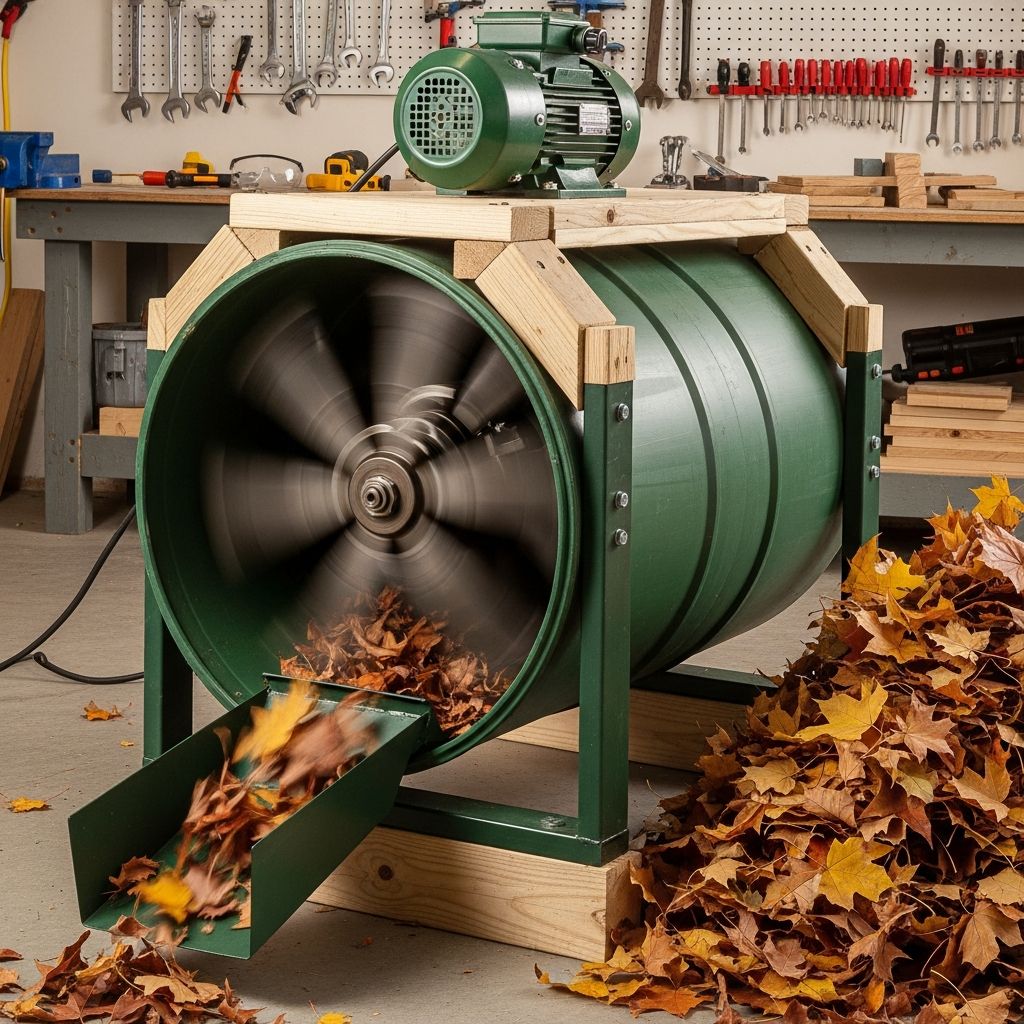
DIY Leaf Shredder Build Guide
Building a homemade leaf shredder offers gardeners a practical way to process piles of autumn leaves into fine mulch, enriching soil without purchasing expensive equipment. This project repurposes common scrap items, making it accessible for DIY enthusiasts with basic tools.
Why Build Your Own Leaf Shredder?
Autumn leaves accumulate quickly, but shredding them reduces volume by up to 90% and speeds decomposition, turning waste into a free soil amendment. Commercial shredders cost hundreds, but a DIY version uses recycled parts like an old reel mower, costing under $50. Shredded leaves improve soil structure, retain moisture, and suppress weeds, as supported by gardening experts.
Key advantages include customization for your yard size, no fuel costs if motorized with household electricity, and satisfaction of self-reliance. According to Home Depot guidelines, shredded mulch applied 2-4 inches deep nourishes plants while preventing rot when kept from stems.
Gathering Materials for the Project
Start with an old reel lawn mower—the core shredding mechanism. Source one from garage sales or curbside freebies. You’ll also need:
- Wood (2x4s and 2x6s) or metal for a sturdy frame, about 22×16 inches base.
- Expanded metal mesh (22×16 inches) for the grinding surface.
- Sheet metal or aluminum flashing for the hopper funnel.
- Electric motor (1/2 HP recommended), belts, pulleys, and guards.
- Fasteners: wood screws, pop rivets (1/8″ x 1/2″), bolts, nuts, washers.
- Tools: drill, saw, snips, rivet gun, measuring tape, square, gloves, safety glasses.
Optional: wire shelving for guards, Simpson ties or brackets for mounting, padlock for security. Total wood for frame mimics sturdy dimensions from Instructables builds, ensuring stability under load.
Designing a Stable Frame Foundation
The frame supports the mower and hopper, bearing weight and vibration. Cut 2x4s to form a rectangular base (roughly 24×18 inches) with 2×6 cross-braces for reinforcement. Assemble using construction adhesive and 2.5-inch screws for wood, or weld for metal.
Ensure legs are level—use a framing square. Add diagonal braces if vibrations are expected. This setup, inspired by robust DIY plans, holds a powered mower securely, preventing wobble during operation.
| Component | Material | Dimensions | Purpose |
|---|---|---|---|
| Base Rails | 2×4 Wood | 24″ long x 2 | Primary support |
| Cross Braces | 2×6 Wood | 18″ long x 2 | Stability |
| Legs | 2×4 Wood | 12-16″ tall x 4 | Elevation |
Modifying the Reel Mower Mechanism
Disassemble the reel mower: remove handles, wheels, and grass catcher. Clean blades and sharpen if dull—file edges for efficient cutting. Position the reel horizontally over expanded metal mesh stretched taut on the frame underside.
Secure with brackets or ties. Test spin by hand for smooth rotation. Modifications like these adapt push mowers into shredders, as detailed in community projects.
Powering Up: Adding Motor and Drive System
Mount a 1/2 HP electric motor on the frame rear using brackets. Connect via V-belt and pulley sized for 1000-2000 RPM at the reel (match motor speed). Fabricate a guard from wire mesh or plywood to shield the belt.
Wire to a standard outlet with a switch and GFCI for safety. This electric setup avoids gas fumes, ideal for garage use. YouTube builds confirm strimmer engines work similarly but require exhaust venting.
Crafting the Leaf Hopper Funnel
The hopper directs leaves to blades. Cut sheet metal into panels: two trapezoid sides (12″ tall, narrowing from 18″ to 6″ wide), a rectangular back, and angled front. Bend with pliers or brake for shape.
Overlap seams and pop-rivet with washers for durability. Dimensions ensure steady feed without clogging. Piecing narrower sheets works if overlapped securely.
Assembling and Mounting the Hopper
Position hopper over reel, aligning outlet with mesh. Attach front with angle brackets screwed to frame; rear with straps riveted and bolted. Seal gaps with metal flashing to prevent leaf escape.
Test fit: drop handfuls of dry leaves to check flow. Adjustments ensure even shredding.
Safety Features and Final Touches
Prioritize protection: add a locked hasp to prevent child access. Enclose moving parts with guards. Wear gloves, glasses, and ear protection during use. Ground the motor and avoid wet conditions.
Paint frame for rust resistance. Mobility wheels optional for portability.
Testing and Troubleshooting Your Build
Run empty first: check for rattles, belt slip, or binding. Feed dry leaves slowly—in batches to avoid jams. Wet leaves clog; dry them first.
Common fixes: tighten belts, realign reel, enlarge mesh holes if too fine. Output should be 1/10th volume, pea-sized pieces.
Using Shredded Leaves as Mulch
Apply 2-4 inches around plants, keeping 1-inch gap from stems to avoid rot. Wet and compact for interlocking. For planting, pull aside, seed, then replace. Benefits: moisture retention, weed control, soil aeration.
Advanced Uses: Leaf Mould Production
Shredded leaves in bins or bags decompose into leaf mould over 6-12 months. Build wire cages with posts and chicken wire, leaving base gaps for wildlife. Turn monthly for air flow.
Maintenance for Longevity
Sharpen blades yearly, oil bearings, store dry. Inspect belts monthly. With care, lasts seasons.
Cost Comparison Table
| Option | Cost | Pros | Cons |
|---|---|---|---|
| DIY Shredder | $20-50 | Custom, cheap | Build time |
| Commercial | $150+ | Ready-use | Expensive |
| Mower Method | $0 | Simple | Labor-intensive |
FAQ
Can I use a gas motor?
Yes, but ventilate well and add kill switch.
What if leaves jam?
Use dry leaves; reverse motor briefly.
Is it safe for kids/pets?
Lock when unused; supervise.
How fine should shreds be?
1/4-1/2 inch for quick mulch.
Alternatives to reel mower?
String trimmer heads or hammer mills.
References
- Leaf Mulcher and an Update: 10 Steps (with Pictures) — Instructables. 2010-01-01. https://www.instructables.com/Leaf-Mulcher/
- Leaf Mulch Guide: How to Apply, Do’s & Don’ts — Grow It Build It. 2023-10-15. https://growitbuildit.com/leaf-mulch-guide/
- How to Make Leaf Mould – The Ultimate Guide — Flymo. 2024-09-01. https://www.flymo.com/uk/c/hints-and-tips/garden-blog/how-to-make-leaf-mould-the-ultimate-guide
- Create a Leaf-Mould Cage — RSPB. 2022-11-10. https://www.rspb.org.uk/helping-nature/what-you-can-do/activities/create-a-leaf-mould-cage
- How to Make Leaf Mulch for Your Garden — The Home Depot. 2024-08-20. https://www.homedepot.com/c/ai/how-to-make-leaf-mulch-for-your-garden/9ba683603be9fa5395fab9092093c1d
Similar Articles








Read full bio of Sneha Tete