DIY Outdoor Wicker Tables: Easy HDPE Plans And Tips
Transform your patio with custom-built wicker-style tables using durable materials and simple techniques for lasting outdoor beauty.
DIY Outdoor Wicker Tables Guide
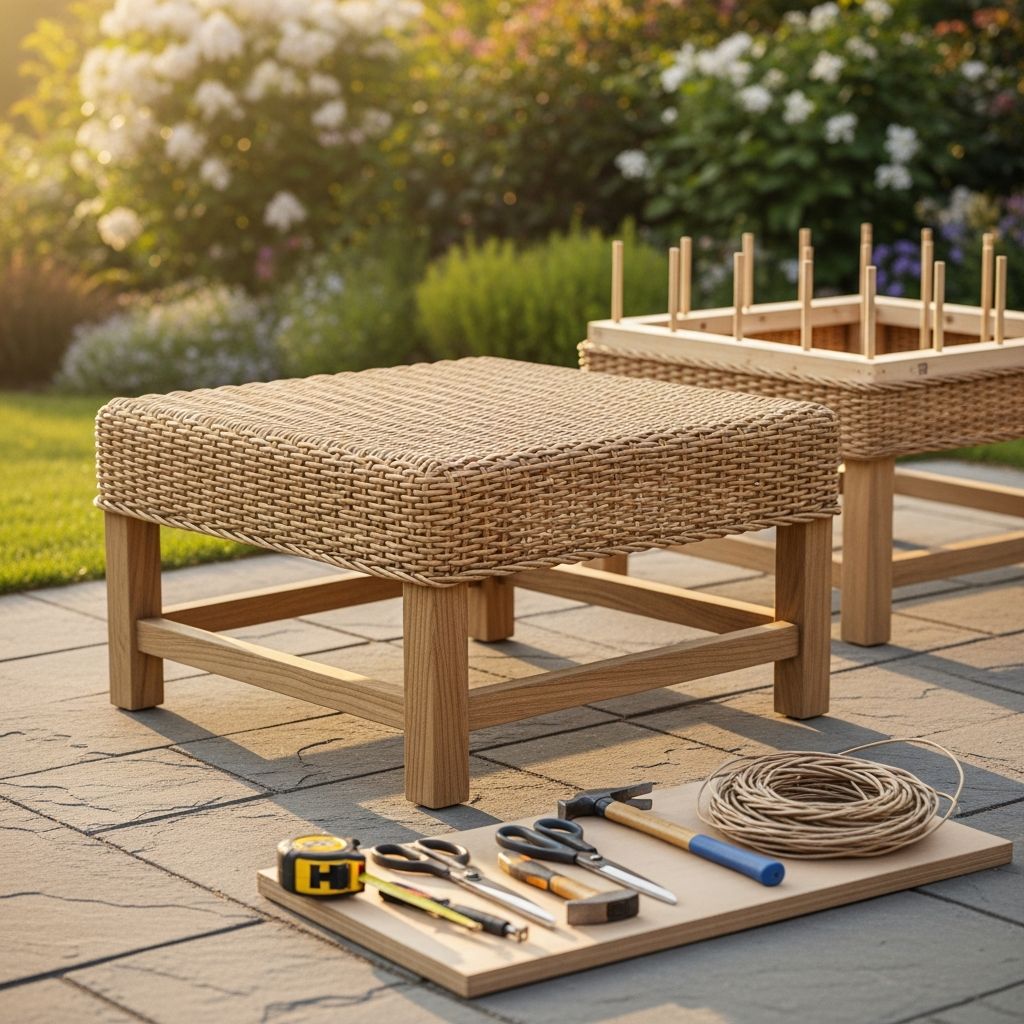
Create stunning, long-lasting outdoor tables that mimic the elegance of traditional wicker furniture while embracing modern durability. Using synthetic materials like HDPE resin wicker over aluminum frames, these DIY projects offer a cost-effective way to enhance your patio or deck with custom designs.
Why Choose DIY Synthetic Wicker for Outdoor Tables
Synthetic wicker surpasses natural materials for outdoor use due to its resilience against moisture, UV rays, and temperature fluctuations. Unlike natural rattan or willow, which degrade in rain and sun, HDPE or polyethylene resin wicker resists rotting, cracking, and fading, making it ideal for exposed environments.
Building your own table allows customization in size, shape, and weave pattern to match your space. Aluminum frames provide lightweight strength without rust risks, supporting heavy use while keeping the piece portable. This approach combines aesthetic appeal with practical longevity, often backed by warranties up to seven years on commercial equivalents.
Essential Materials for Building Wicker Tables
Gather high-quality components to ensure your table endures outdoor conditions. Focus on weatherproof selections for optimal performance.
- Frame Base: Powder-coated aluminum tubing (1-1.5 inch diameter) for rust-proof structure; avoids steel’s corrosion issues.
- Weave Material: HDPE resin wicker strands (5-7mm width), UV-protected and non-porous to prevent water absorption and color mismatch over time.
- Tabletop: Tempered glass, HDPE slats, or polymer concrete for stability and weather resistance; polymer options offer superior tensile strength and non-porous surfaces.
- Fasteners: Stainless steel screws, brackets, and zip ties for secure, corrosion-free assembly.
- Tools: Wire cutters, pliers, drill, clamps, measuring tape, and heat gun for shaping resin strands.
HDPE wicker is 100% recyclable and stain-resistant, simplifying upkeep compared to PVC alternatives that may peel. Source materials from reputable suppliers emphasizing extruded polyethylene for consistent quality.
Planning Your Custom Table Design
Start with sketches to visualize dimensions and style. Common designs include round coffee tables (30-36 inches diameter), rectangular side tables (24×18 inches), or larger dining surfaces (48×30 inches).
| Table Type | Dimensions (inches) | Ideal Use | Frame Complexity |
|---|---|---|---|
| Coffee Table | 36 dia. x 18 H | Patio lounging | Low |
| Side Table | 24x24x24 | Seating areas | Medium |
| Dining Table | 60x36x30 | Outdoor meals | High |
Consider weave density: tight patterns for elegance, open weaves for airflow. Incorporate curves using heat to bend resin for organic shapes reminiscent of natural rattan. Factor in 10-20% extra material for errors and overlaps.
Step-by-Step Construction Process
Follow these phases methodically for professional results. Allow 4-8 hours per table, plus drying times.
1. Build the Sturdy Frame
Cut aluminum tubes to spec using a hacksaw. For a basic square side table: four legs (24 inches), apron rails (20 inches each side). Weld or bracket joints at 90-degree angles, reinforcing corners with gussets. Powder coat if not pre-finished to enhance corrosion resistance.
2. Prepare and Weave the Resin Strands
Extrude or unravel HDPE into workable lengths. Secure starting ends with staples or ties to frame rails. Employ over-under weaving: pass strands alternately over and under frame members, maintaining even tension with clamps. Use pliers for tight wraps around legs. For tabletops, create lattice patterns or edge bindings.
Heat gun application softens strands for curves without weakening structure, mimicking artisanal techniques. Progress from bottom to top, trimming excess with wire cutters.
3. Install the Tabletop Surface
Attach frame supports beneath the tabletop area. For glass: silicone seal edges into aluminum channels. HDPE slats: weave or screw perpendicular to frame, spacing 1/4-inch for drainage. Polymer concrete slabs: epoxy to frame for non-porous, crack-resistant tops with high impact tolerance.
4. Finishing Touches and Securing
Trim loose ends, apply UV-protectant spray if needed (though HDPE is pre-infused). Sand rough spots and wipe with mild soap solution. Add non-slip feet for stability on decks.
Advanced Weaving Techniques for Unique Looks
Elevate designs with varied patterns. Basket weave alternates directions for texture; French weave adds diagonal flair. Combine strand widths—thicker for bases, finer for details—to build depth. Layer multiple colors of HDPE for ombre effects, ensuring UV consistency across hues.
For intricate tabletops, radial weaves fan from center, ideal for round tables. Practice on scrap frames to master tension, preventing sags or puckers.
Weatherproofing and Long-Term Maintenance
Your synthetic wicker table inherently repels water, mold, and stains, requiring hose-down cleaning quarterly. Avoid harsh chemicals; mild detergent suffices. Store in winter if extreme freeze-thaw cycles occur, though aluminum and HDPE handle most climates.
Inspect annually for loose weaves, tightening with zip ties. Resin wicker’s low porosity ensures no cracking from expansion/contraction, unlike PVC. Enjoy fade-free color for 5+ years with minimal effort.
Common Mistakes to Avoid in DIY Wicker Builds
- Undersized frames: Always over-engineer for 300+ lb capacity.
- Poor tension: Results in floppy weaves; use clamps progressively.
- Low-quality resin: Opt for HDPE over PVC to prevent brittleness.
- Ignoring drainage: Space tabletop elements to shed water.
- Rushing curves: Overheat deforms strands permanently.
Cost Breakdown and Savings Tips
A DIY table costs $100-300 versus $500+ retail. Frames: $50-100; HDPE: $40-80; tabletop: $20-100. Buy bulk resin online for deals. Repurpose scrap aluminum to cut expenses further.
Creative Variations and Customization Ideas
Build nesting sets for versatility. Integrate LED strips under glass tops for evenings. Mix weaves with metal accents for industrial vibes. Scale up to console tables for planters or bar heights for entertaining.
Frequently Asked Questions (FAQs)
Can beginners make wicker tables?
Yes, with basic tools and patience. Start small; online tutorials aid weave patterns.
Is synthetic wicker eco-friendly?
HDPE variants are fully recyclable and derived from plant resins, outperforming non-recyclable plastics.
How long do DIY wicker tables last?
10-20 years outdoors with proper care, matching commercial grades.
What’s the best tabletop for outdoors?
Polymer concrete for durability or tempered glass for easy cleaning.
Can I paint the wicker?
Specialized paints adhere to HDPE; test small areas first.
References
- All-weather wicker outdoor furniture: everything you need to know — Authenteak. 2023-05-15. https://authenteak.com/blog/all-weather-wicker-outdoor-furniture-everything-you-need-to-know/-/1509644/
- Explained! Natural Wicker, Synthetic-Wicker and Rattan Patio Furniture — Sunniland Patio. 2022-08-10. https://www.sunnilandpatio.com/blogs/sunniblog/natural-wicker-vs-synthetic-wicker-vs-rattan
- Resin Wicker, HPL & Other Patio Furniture Materials — Decor Outdoor. 2024-01-22. https://decoroutdoor.com/blog/outdoor-furniture-materials-guide-frames-tabletops-resin-wicker-plastic/
- How Wicker Rattan Furniture is Made — Leisure Touch Rattan. 2023-11-05. https://leisuretouchrattan.com/how-wicker-rattan-furniture-is-made/
- Material Overview: Resin Wicker — Chair King Backyard Store. 2024-03-18. https://chairking.com/material-overview-resin-wicker
- Craftsmanship: How Wicker Furniture is Made — Wicker Warehouse. 2023-07-30. https://www.wickerwarehouse.com/craftsmanship
Similar Articles



Read full bio of medha deb