DIY Paint Wall Finishes
Transform ordinary walls into stunning features using simple paint techniques and household items for professional results on a budget.
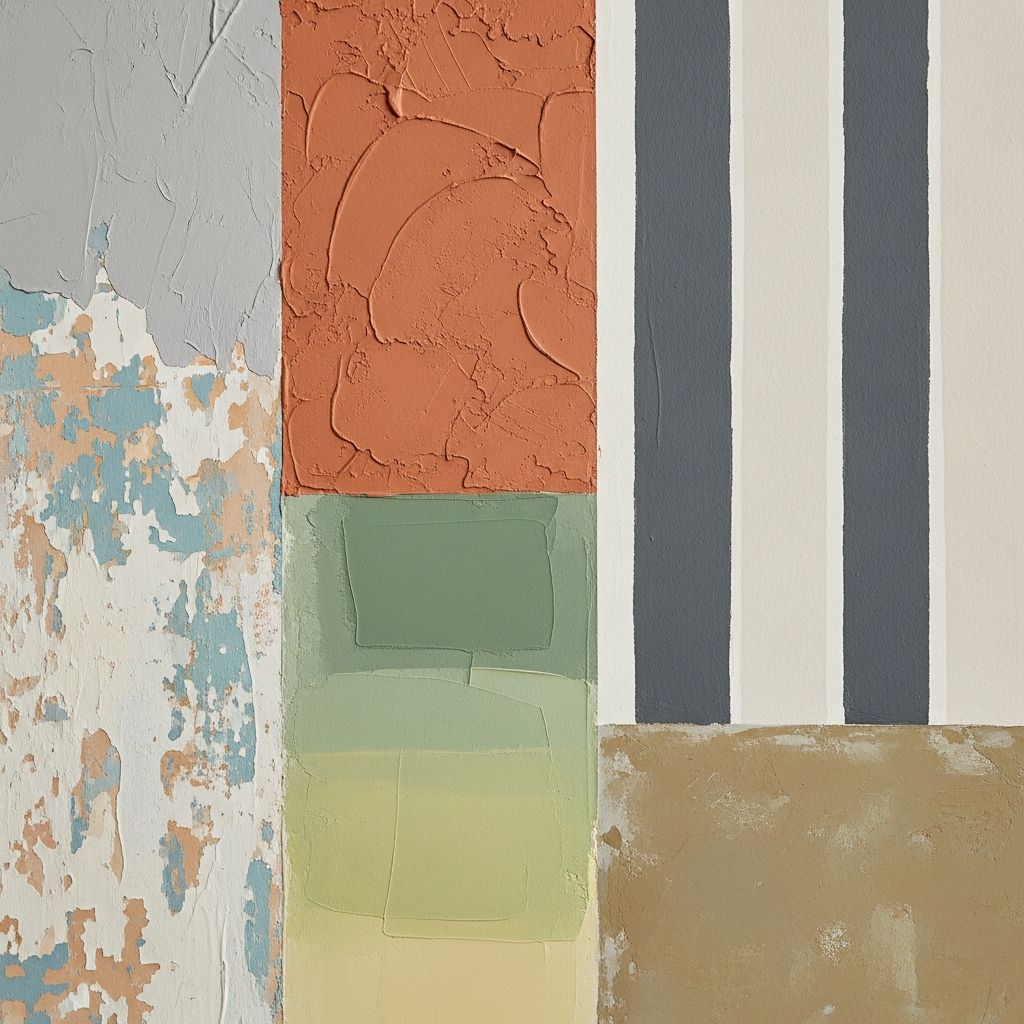
Creating eye-catching wall treatments doesn’t require professional skills or expensive materials. With basic paints, brushes, and items from around your home, you can produce textured, vintage, or modern finishes that rival designer work. These methods save money while adding personality to any room.
Essential Preparation for Flawless Results
Success starts with proper wall prep. Inspect surfaces for imperfections by running your hands over them, marking dents or holes with a pencil. Scrape away loose material using a putty knife, then apply spackle to fill gaps. Let it dry fully before sanding smooth with fine-grit paper for a seamless base.
Protect adjacent areas with painter’s tape. Apply it firmly along ceilings, baseboards, windows, and doors to prevent bleed-through. For textured ceilings, score a clean edge with a screwdriver for better adhesion. Clean walls thoroughly to remove dust, grease, or residue, ensuring paint bonds well.
- Clean walls with mild soap and water; rinse and dry completely.
- Prime if switching to a drastically different color or over bare drywall for even coverage.
- Gather supplies: drop cloths, trays, rollers, brushes, and your chosen paints.
Sponging for Soft, Cloud-Like Textures
The sponge technique delivers a dreamy, diffused effect ideal for bedrooms or bathrooms. Use a natural sea sponge or kitchen sponge cut to size. Dip into a lighter base paint, then dab in circular motions for cloudy patterns. Layer a darker shade sparingly for depth, blending while wet.
Vary pressure for organic variation—light dabs create haze, firmer presses add definition. This method mimics high-end plaster without the cost. Allow each layer to dry before adding accents.
| Sponge Type | Best For | Tip |
|---|---|---|
| Sea sponge | Natural textures | Soak and wring first |
| Kitchen sponge | Quick clouds | Cut edges for randomness |
| Synthetic | Uniform patterns | Affordable alternative |
Color Washing for a Rustic, Aged Appeal
Color washing imparts a weathered, Tuscan vibe. Apply a base coat, then dilute a top color with glaze or water (1:1 ratio). Brush on in broad strokes, working quickly. While wet, wipe or sponge excess for translucent layering that reveals undertones.
Choose shades from the same color family, like soft earth tones. Multiple thin coats build subtle mottling. For rivers of age, sponge darker glazes downward unevenly, concentrating in high-wear areas like corners.
Faux Concrete: Industrial Chic on a Budget
Achieve a sleek concrete look using layered paints and dry brushing. Start with a gray base, then dry-brush darker grays and browns from edges inward. Sponge on metallic accents like champagne tones for realism.
Mix joint compound with paint for subtle texture; trowel on thinly. Sand lightly post-dry for smoothness. This finish suits modern kitchens or lofts, transforming plain drywall into urban sophistication.
Plastic and Mesh for Unique Patterns
Household plastics create abstract textures. Paint a wet base, press plastic wrap flat, then peel to reveal crumpled imprints. Experiment with crinkling for varied effects.
Mesh bags from produce yield honeycomb stippling. Stretch over the wall, dab paint through with a sponge. Layer colors for dimension, perfect for accent walls.
Feather Dragging for Organic Flow
Nature-inspired lines come alive with feathers. Dip a clean feather in paint and drag lightly across the surface in sweeping arcs. Vary pressure for thin-to-thick veins, layering hues for foliage or abstract art.
Ideal for calming spaces; use neutrals for subtlety or vibrant shades for drama.
Blending with Tools for Moody Gradients
Create ombre or smoky blends using meshing tools or sponges. Base coat one color, feather a second while wet using a blending tool. This yields seamless transitions for contemporary vibes.
Clay Paint for Natural, Earthen Walls
DIY clay paint offers eco-friendly matte finishes. Mix clay, pigment, water, and borax (anti-mold). Brush on in random directions for mottled adobe texture. Rollers snag on sand additives, so stick to brushes.
Mural Magic: Artistic Wall Statements
Turn a wall into focal art with latex base and acrylic details. Sketch lightly, block colors with rollers, refine edges freehand. Self-priming latex blends smoothly; slow dry time aids layering.
Pro Tips for Every Technique
- Work in small sections to maintain wet edges.
- Test on cardboard first.
- Use quality paints: latex for durability, acrylics for crafts.
- Two coats minimum; sand between for pros.
Room-by-Room Applications
Living Room: Faux concrete or murals for impact.
Bedroom: Sponge clouds or feather drags for serenity.
Kitchen: Color wash for warmth.
Bathroom: Mesh patterns resist humidity.
Frequently Asked Questions
What paint is best for textured finishes?
Latex or acrylics; they clean easily and layer well.
Do I need special tools?
No—sponges, bags, feathers suffice.
How long do results last?
Years with proper prep; touch up as needed.
Can renters try these?
Yes, water-based paints peel off easily.
Cost estimate?
Under $50 for most rooms.
References
- 15 Wall Painting Hacks With Stuff You Already Own — YouTube. 2023. https://www.youtube.com/watch?v=osPCm3jsxuI
- How to Paint New Walls to Look Old — Nomadic Decorator. 2014-03-02. https://nomadicdecorator.com/2014/03/02/paint-new-walls-look-old/
- Wall Painting Techniques for Beginners — M.T. Copeland Technologies. N/A. https://mtcopeland.com/blog/wall-painting-techniques-for-beginners/
- Recipe: Natural Clay House Paint — Natural Earth Paint. N/A. https://naturalearthpaint.com/blogs/blog/recipe-natural-clay-house-paint
- How to Paint a Room — The Home Depot. N/A. https://www.homedepot.com/c/ah/how-to-paint-a-room/9ba683603be9fa5395fab90e9ab8187
Similar Articles







Read full bio of Sneha Tete