Queen Bed Sofa Conversion: 7 Easy DIY Steps
Master the art of repurposing a queen bed into a versatile sofa bed with our detailed DIY guide for smart space-saving furniture.
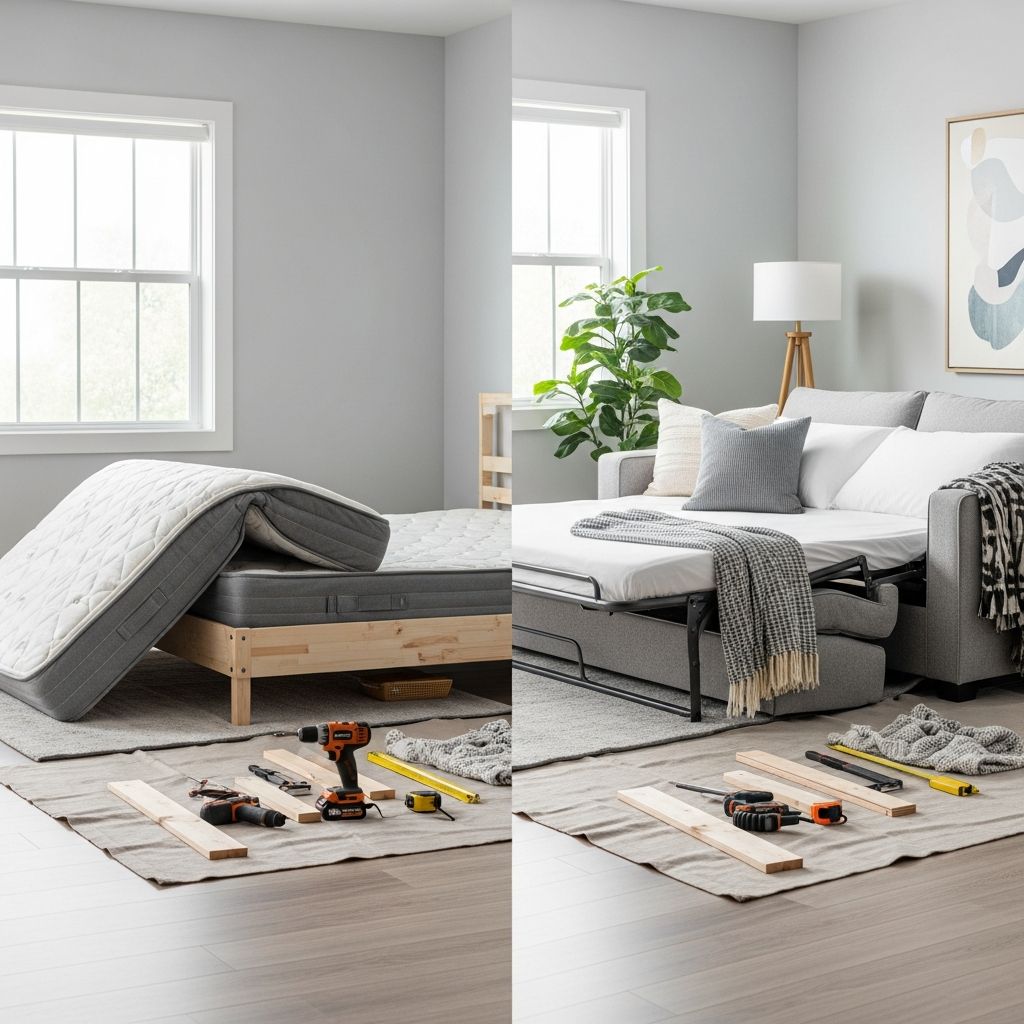
Transform Your Queen Bed into a Stylish Sofa Bed: Ultimate DIY Guide
Repurposing a queen bed into a sofa bed offers a practical solution for small living spaces, combining the comfort of a full-size sleeping area with everyday seating. This transformation not only saves money but also promotes sustainability by extending the life of existing furniture. With basic tools and materials, anyone can achieve a professional-looking result that enhances room functionality.
Why Choose a Queen Bed for Sofa Conversion?
Queen beds provide ample width—typically 60 inches by 80 inches—making them ideal for creating a sofa that seats multiple people comfortably while unfolding into a spacious sleep surface. Unlike smaller twin or full sizes, a queen offers luxurious lounging space without dominating the room when styled as seating. This dual-purpose design is perfect for apartments, guest rooms, or home offices where versatility reigns supreme.
Benefits include cost savings over purchasing new furniture, customization to match personal style, and easy adaptability to various room layouts. According to furniture design principles from woodworking experts, such conversions maintain structural integrity when properly supported, ensuring long-term durability.
Essential Materials and Tools
Gathering the right supplies is the foundation of a successful project. Focus on sturdy, affordable items that enhance stability and aesthetics.
- Queen mattress or box spring base: The core component; opt for a firm one for better sofa support.
- Fabric covers or slipcovers: Breathable, durable materials like canvas or microfiber in neutral tones for easy cleaning.
- Backrest cushions and throw pillows: High-density foam for lumbar support and visual appeal.
- Structural supports: Plywood sheets (3/4-inch thick), wooden pallets, or metal brackets.
- Fasteners: Staple gun, heavy-duty adhesive, screws, and wood glue.
- Tools: Measuring tape, utility knife, drill, saw, sandpaper, and level.
Budget estimate: $50–$200, depending on whether you source pallets or fabric secondhand. Prioritize fire-retardant materials for safety compliance.
Step-by-Step Conversion Process
Follow these detailed instructions to build your sofa bed safely and efficiently. Allow 4–6 hours for assembly, plus drying time for adhesives.
- Prepare the space: Clear the area and measure wall dimensions to ensure the queen bed fits as a sofa (aim for 60–70 inches high when upright).
- Build the base frame: Cut plywood to match mattress dimensions. Assemble a simple rectangular frame using 2×4 lumber for legs and cross-bracing. Secure with screws and glue for weight-bearing strength up to 600 pounds.
- Position the mattress: Place it vertically against the wall or horizontally on the frame. For wall-leaning designs, insert plywood backing to prevent sagging.
- Secure the covering: Drape slipcover over the mattress, pulling taut. Staple along edges, folding corners neatly like gift-wrapping. Trim excess fabric.
- Add back and arm supports: Stack 4–6 large cushions vertically for the backrest. Attach removable arms using Velcro or brackets for optional storage.
- Incorporate fold-out mechanism: Hinge the seat section to the back with heavy-duty piano hinges, allowing it to extend into a flat bed.
- Finish and test: Sand rough edges, apply sealant, and load-test by sitting and lying down.
This method creates a futon-style sofa bed that’s easy to convert daily.
Advanced Customization Options
Elevate your basic conversion with these enhancements for added functionality and style.
| Option | Description | Skill Level | Cost Add-On |
|---|---|---|---|
| Pallets Base | Stack and secure 4–6 pallets for elevation; sand and paint for a rustic look. | Beginner | $0–$50 |
| Storage Arms | Build hinged compartments in arms using plywood and dowels for linens. | Intermediate | $30–$80 |
| Leg Attachments | Screw on sofa legs (4–6 inches high) for airflow and traditional appearance. | Beginner | $20–$40 |
| Slide-Out Bed | Add slats and a roller mechanism under the seat for smooth extension. | Advanced | $50–$100 |
These modifications draw from proven woodworking techniques, ensuring the piece withstands frequent use.
Styling Your New Sofa Bed for Maximum Appeal
Aesthetics turn a functional piece into a room centerpiece. Layer textures like linen, velvet, and wool for depth. Select a color scheme: neutrals for versatility or bold accents via pillows.
- Layer 5–7 pillows in varying sizes for plushness.
- Drape lightweight throws for casual elegance.
- Position adjacent to a slim console table for drinks and remotes.
- Illuminate with floor lamps to highlight the setup.
Incorporate plants or trays for personality. This approach maximizes comfort while fitting modern, minimalist, or bohemian decors.
Safety Guidelines and Maintenance
Prioritize stability to prevent tip-overs or collapses. Use non-slip pads under the base and wall anchors for leaning models. Maintain even weight distribution, limiting to 300 pounds per section.
Fire safety: Keep 36 inches from heat sources; choose inherently fire-resistant fabrics per U.S. Consumer Product Safety Commission standards. Regularly inspect hinges and fabric for wear, tightening as needed. Vacuum weekly and spot-clean covers to preserve hygiene.
For longevity, rotate cushions quarterly and avoid direct sunlight to prevent fading.
Common Challenges and Solutions
Anticipate hurdles with quick fixes:
- Sagging mattress: Reinforce with a center brace.
- Slippery covers: Add grip tape underneath.
- Heavy lifting: Enlist help or use furniture sliders.
- Uneven floor: Shim legs with washers.
Frequently Asked Questions (FAQs)
Can any queen mattress work for this project?
Yes, firm innerspring or foam mattresses are best; memory foam may compress over time. Avoid pillow-top styles for better sofa firmness.
How long does the conversion take?
Basic setups: 2–4 hours; advanced with frame: 6–8 hours.
Is it stable for daily use with kids or pets?
With proper bracing and non-slip features, yes. Supervise young children initially.
Can I reverse the process if needed?
Absolutely—remove covers and hinges to restore bed functionality.
What if I lack woodworking skills?
Stick to no-frame methods using slipcovers and cushions for simplicity.
References
- Federal Register: Mattress Flammability Standard — U.S. Consumer Product Safety Commission. 2023-01-01. https://www.federalregister.gov/documents/2023/01/01/2022-27965/mattress-flammability-standard-1633-scope-and-continued-compliance-of-mattresses-and-mattress-pads
- Woodworking Joinery Techniques — Fine Woodworking (Taunton Press). 2024-05-15. https://www.finewoodworking.com/project-guides/joinery
- Furniture Stability Guidelines — ASTM International. 2022-07-20. https://www.astm.org/f2057-19.html
- DIY Furniture Safety Standards — U.S. Department of Housing and Urban Development. 2023-11-10. https://www.hud.gov/program_offices/housing/rmra/sfh/handbook_4000-1
- Consumer Furniture Testing Protocols — Consumer Product Safety Commission. 2024-02-28. https://www.cpsc.gov/Business–Manufacturing/Business-Education/Business-Guidance/Furniture-Tip-Overs
Similar Articles








Read full bio of medha deb